When comparing PEX pipes vs copper pipes, it’s smart to think about how long each one lasts and how they perform over time. PEX pipes are flexible, resist rust, and handle freezing temperatures better, making them a long-lasting choice for modern plumbing. Copper pipes are strong and durable, but can corrode or burst in extreme cold. PEX is also easier and cheaper to install, saving time and effort. Still, both materials have their advantages depending on your home and budget. Understanding these differences helps you choose the right option for a reliable and efficient plumbing system.
Comparing the Durability of PEX Pipes and Copper Pipes
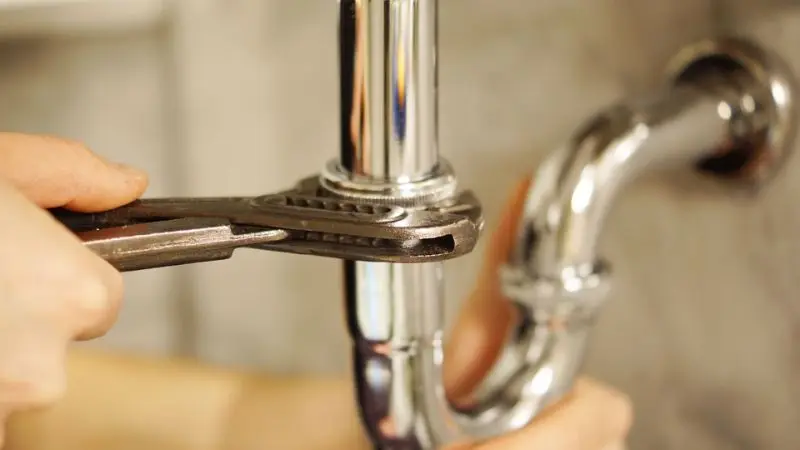
When deciding between PEX and copper plumbing, durability is one of the most important factors. Both types of pipes can last for decades, but they behave differently under everyday conditions. Understanding their strengths and weaknesses will help you make the right choice for your home.
Why PEX Pipes Are Highly Durable and Reliable
PEX pipes are known for their toughness and flexibility. Most homes can use PEX plumbing for 40 to 50 years or longer without major issues. Unlike copper, PEX does not rust or corrode, making it ideal for areas with hard or mineral-rich water.
These pipes perform well in cold climates, stretching and contracting without breaking if water freezes inside. Because PEX bends easily, you need fewer joints, reducing the risk of leaks. Chemical-resistant and low-maintenance, PEX offers reliable performance over time. For homeowners asking, “Is PEX better than copper for plumbing?”, durability is one major reason many say yes.
How Copper Pipes Perform in Terms of Durability
Copper pipes are a long-time reliable option and have a lifetime of 50 years and above under the right maintenance. Copper is made of metal, and it can withstand high water pressure and heat, hence it is suited for hot water lines. Nonetheless, copper is prone to corrosion, especially in houses that have acidic or mineral-rich water.
The water flow may be decreased by a mineral buildup, and rust can lead to leaks. Nevertheless, copper pipes are more resistant to fire than PEX, which can be significant to some homeowners. In a comparison between copper pipes and PEX in hot water, copper is strong, yet there are maintenance issues concerning the long-term performance.
Key Factors That Affect the Lifespan of PEX and Copper Pipes
Several factors influence how long PEX and copper pipes last in your home. PEX is naturally resistant to rust and mineral deposits, while copper can be affected by water quality and acidity. Flexibility is another key difference—PEX bends easily, requiring fewer fittings, which lowers the risk of leaks.
Temperature changes affect pipes differently: PEX expands and contracts without cracking, whereas copper may burst if water freezes. Considering these factors along with your home’s climate, water quality, and plumbing needs will help you decide. For new bathroom or kitchen installations, PEX vs copper pipe for bathrooms often favors PEX for long-term reliability.
Comparing the Cost of PEX Pipes and Copper Pipes
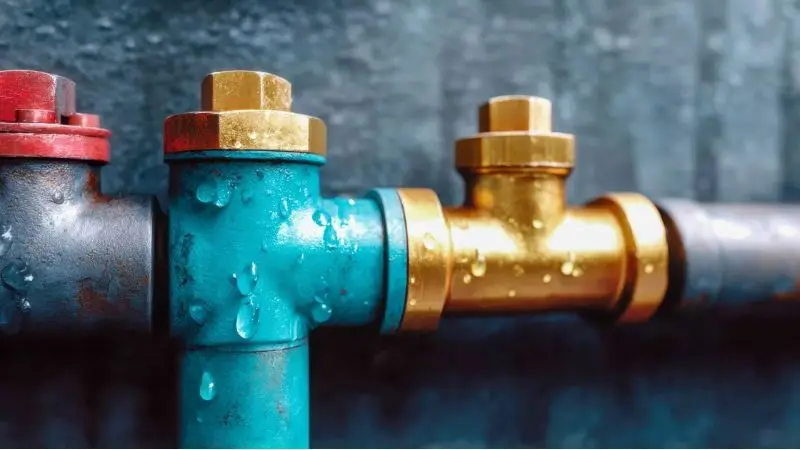
When planning your plumbing project, cost is often a deciding factor. PEX and copper pipes vary significantly in material price, installation requirements, and long-term value. Understanding these differences helps you choose the best option for your home and budget. Let’s break down how each pipe type affects your overall plumbing expenses.
Why PEX Pipes Are a More Affordable Option
PEX piping is cost-effective for most homeowners. PEX material is cheaper than copper, usually between 25 and 50 percent less expensive. This is why it is appealing to the families that want to save money and not decline in quality.
PEX maintenance needs are also minimal, and it has a long life with a good value attached to it. It can easily be installed because it is flexible, which also reduces costs through reduced labor hours. The affordability and ease of installation are the two greatest advantages of PEX to those who compare the merits and demerits of these pipes.
Why Copper Pipes Are More Expensive
Copper pipes come with a higher price tag due to the cost of the metal and the fittings required. Installation also demands special tools and skills, including cutting and soldering, which increases labor costs. Despite the higher upfront expense, copper lasts a long time and can add a classic, traditional feel to your home.
Some homeowners see it as an investment because well-maintained copper plumbing can improve property value. When considering copper pipes vs. PEX for hot water, the durability of copper is excellent, but the initial cost and labor are higher compared to PEX.
Installation and Labor Costs for PEX and Copper
Labor costs vary significantly between PEX and copper plumbing. PEX pipes bend easily around corners and tight spaces, requiring fewer joints and reducing installation time. This flexibility lowers labor costs and minimizes potential leak points. Copper pipes, being rigid, require cutting, fitting, and soldering at each joint, which increases both time and expense.
If you want a plumbing system that balances durability and affordability, PEX often comes out ahead. When comparing PEX vs copper pipe for bathrooms, the savings in labor and faster installation make PEX the preferred choice for many modern homes.
Common Issues with PEX Pipes and Copper Pipes Over Time
Even the best plumbing materials can face problems over the years. Understanding the common issues with PEX and copper pipes helps you maintain your system and avoid costly repairs. Regular inspections and preventive care make a big difference in how long your pipes last.
Common Problems Found in PEX Pipes
PEX pipes are flexible, resistant to rust, and durable, but they are not without concerns. Here are the main issues to watch for:
- Sunlight exposure: PEX can crack if left in direct sunlight for long periods.
- Rodent damage: Rodents can chew through PEX pipes inside walls, causing leaks.
- Chemical concerns: While most modern PEX pipes are safe, some homeowners worry about chemical leaching.
To keep PEX plumbing in good condition, store pipes away from sunlight, monitor for rodent activity, and inspect joints regularly. For homeowners asking, “Is PEX better than copper for plumbing?” understanding these risks helps ensure long-term performance.
Common Problems Found in Copper Pipes
Copper pipes are long-lasting and strong, but they can face issues over time, especially in older homes. Common problems include:
- Rust and corrosion: Acidic or mineral-rich water can cause rust inside pipes, leading to leaks.
- Green stains: Green marks on sinks or tubs indicate copper is leaching into the water.
- Freezing damage: Pipes may burst if water freezes inside.
- Lead solder: Older copper systems may have lead solder, which is unsafe.
Checking water quality, watching for leaks, and inspecting for stains helps maintain copper plumbing. When comparing the pros and cons of PEX and copper pipes, copper offers durability but requires more monitoring.
Maintenance Tips for Both Pipe Types
Regular maintenance is key to long-lasting plumbing. Some tips include:
- PEX Pipes: Inspect for UV damage, check joints, and prevent rodent access.
- Copper Pipes: Look for leaks, rust, or green stains, and test water acidity.
Routine checks prevent small problems from becoming costly repairs. For PEX vs copper pipe for bathrooms, knowing the common issues and maintenance needs helps you choose the pipe type that suits your home best.
Comparing the Installation of PEX Pipes and Copper Pipes
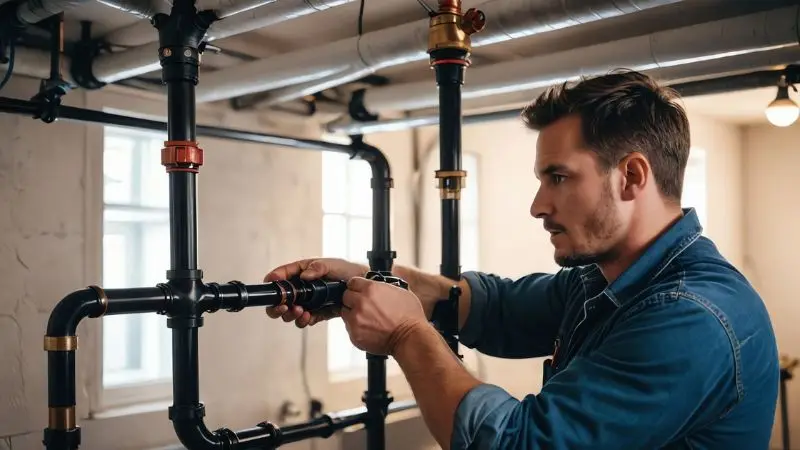
Installation is an important factor when choosing plumbing for your home. How easy the pipes are to install affects labor costs, time, and the potential for leaks. PEX and copper have very different installation processes, and understanding these differences can help you make the right choice for your project.
How the Installation Process Works for PEX Pipes
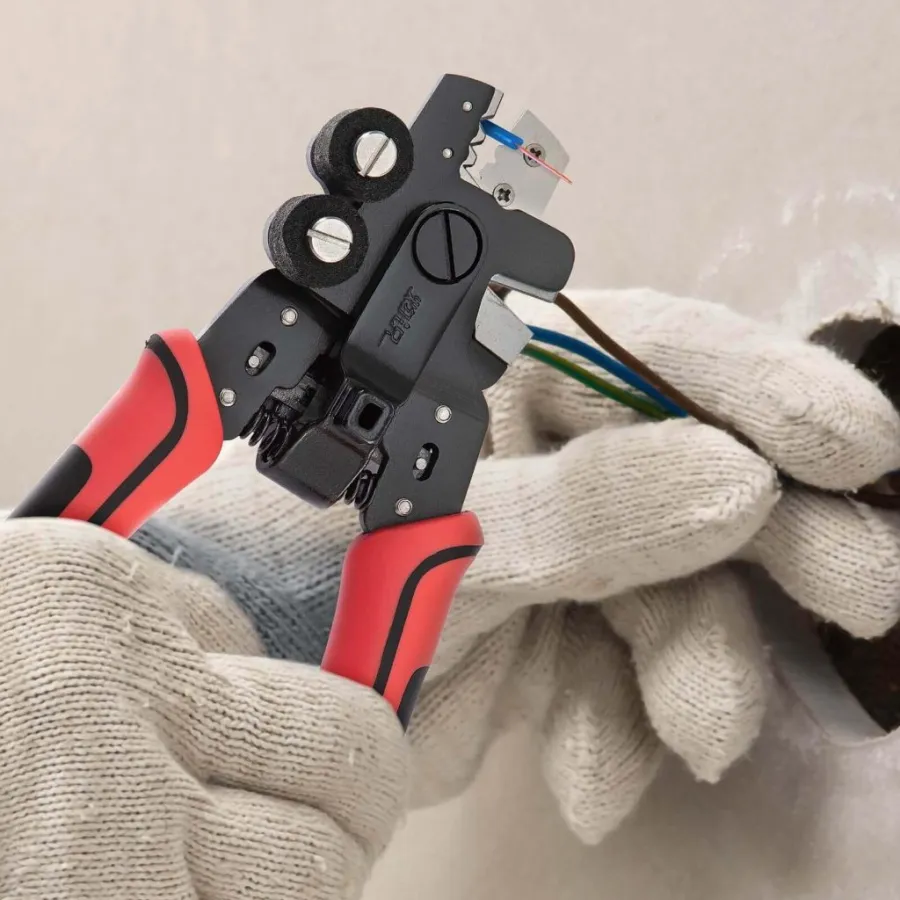
PEX pipes have easy and cheap installation. PEX pipe can be easily cut using simple tools. It involves fittings requiring the pipe to be pushed in, reduced soldering, or open flames to hold rings on the pipe. This allows faster and safer installation, and time and labor are saved.
PEX can be used easily by many plumbers, and end-users are advantaged by having an easy time in installation. To people who make a comparison between the advantages and disadvantages of PEX and copper pipes, PEX is characterized by a quick, simple, and low-cost installation.
How the Installation Process Works for Copper Pipes
Copper pipes require a more complex installation. Each pipe must be measured and cut accurately. Joining copper pipes involves soldering, which needs heat, specialized tools, and proper skills. The process takes longer, and each joint must be carefully checked to prevent leaks.
While copper is durable and strong, its installation demands more time, effort, and expertise. For homeowners weighing copper pipes vs. PEX for hot water, installation complexity and labor costs are important considerations.
Flexibility and Potential Leak Points
Flexibility affects both installation ease and plumbing performance:
- PEX Pipes: Highly flexible, bends easily around corners, and fits in tight spaces. Fewer joints reduce potential leak points, making the system safer and more reliable.
Choosing pipes with fewer leak points saves money on repairs and ensures long-term durability. When considering PEX vs copper pipe for bathrooms, flexibility and minimal joints often make PEX the more practical choice for modern homes.
Wrap Up
When choosing between PEX and copper pipes, several factors matter, including durability, cost, common issues, and installation. PEX pipes are flexible, rust-resistant, and easier to install, making them a popular choice for modern homes. Copper pipes are strong, handle heat well, and can last decades, but they cost more and require skilled labor for installation.
Both types have potential problems, like UV or rodent damage for PEX and corrosion or leaks for copper. Considering your budget, water quality, and home layout will help you decide. For PEX vs copper pipe for bathrooms or hot water lines, PEX often offers better affordability and ease.
FAQ
What is the average lifespan of PEX pipes in the house?
PEX pipes will last between 40 years and 50 years. They do not rust and corrode. There is no need to worry about the mineral buildup. PEX pipes can be used during cold weather and can last several years. Regular inspections make your pipes long-lasting.
Can one drink water through copper pipes?
One can drink water using copper pipes. They do not incorporate toxic chemicals. In the case of acidic water, copper may be washed into the water. You need to test your water to ascertain whether it is safe or not.
Can rodents damage PEX pipes?
PEX pipes can be chewed by rodents that manage to get through your walls. You are supposed to maintain a clean home and cover the points of entry. Moderate checks allow you to detect damage in time. Leaks and water issues can be a result of rodents.
Which type of pipe is simpler to install?
PEX pipes will be less complicated to install. They follow curves and require fewer joints. You would save man-hours in labor and money. Copper pipes require cutting and soldering, which is more skilled and demanding. PEX pipes are faster and easier to install.