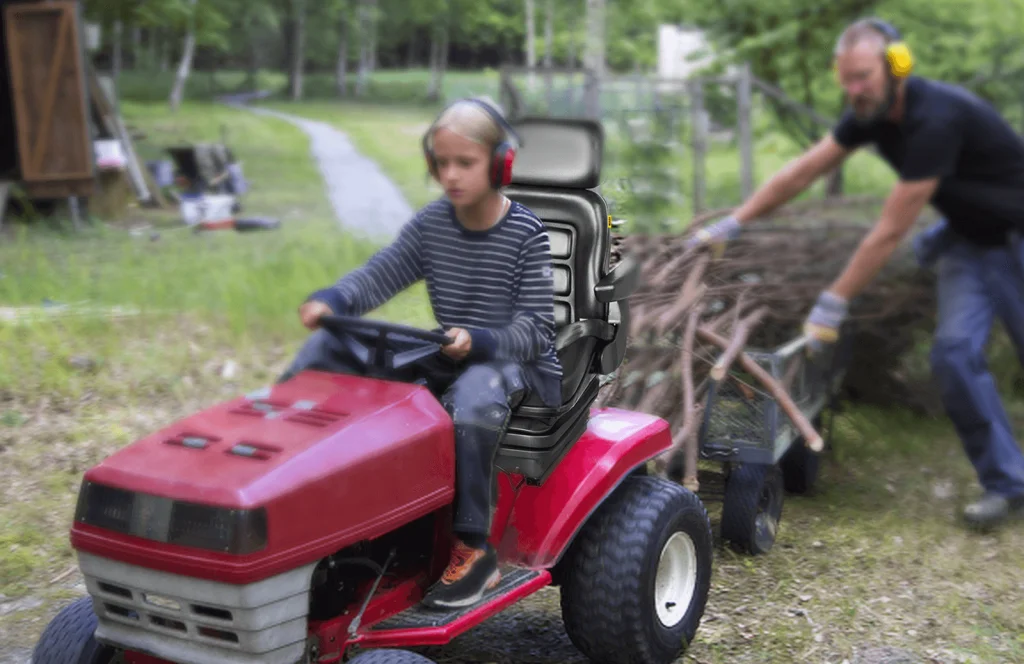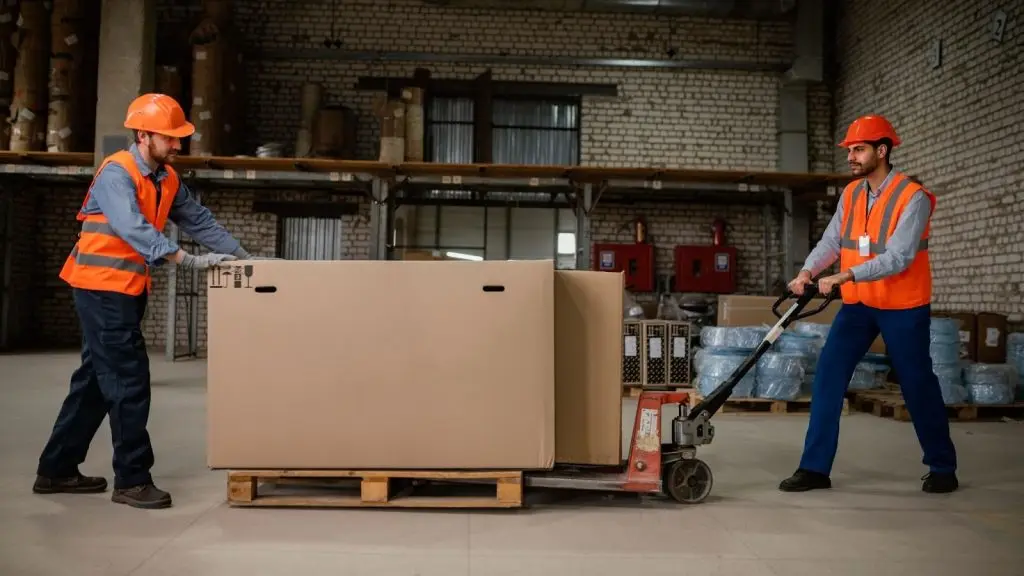
You want to be known as the best at what you do. This simply means you want to be efficient and profitable at your workplace. Efficiency comes with the right tools. Pallet forks are one of those tools that make lifting, moving, and transporting heavy materials to your workplace a breeze.
This blog post will guide you on everything that you need to know about what are pallet forks, different pallet fork types, and how you can use them to lift heavy loads safely and efficiently.
What are pallet forks?
Pallet forks are a two-prong piece of equipment designed to lift heavy objects. They have two steel tiles that slide underneath the load to easily lift it and move it using machinery like tractors, forklifts, or skid steers.
Pallet forks come in a variety of styles and various sizes, including clamp-on, quick-attach, and heavy-duty designs, each specifically designed for a specific job and load capacities.
What are pallet forks used for?
Pallet forks are used across multiple industries, including agriculture, construction, landscaping, warehousing, and even personal property maintenance. Their wide range of use cases makes them so popular among users working in multiple industries.
Moving pallets, crates, and heavy materials
The most common use of pallet forks is lifting heavy materials. Pallet forks easily lift palletized loads such as bricks, cement bags, bags of fertilisers, and packaged goods.
They help workers quickly move materials from one place to another. Additionally, folks make loading and unloading material from trucks and trailers much simpler and safer.
Agricultural uses
Pallet forks for tractors have been used in farming for years. They help in carrying crops, moving feed, stacking fencing material, and even transporting fertilizers and soil bags.
Farmers often prefer pallet forks because they attach quickly to tractors or loaders, which helps them turn their regular equipment into multi-purpose machines.
If you are a farmer or love growing your own plants, you will need a reliable pallet fork and a greenhouse heater that helps you a lot in growing your business.
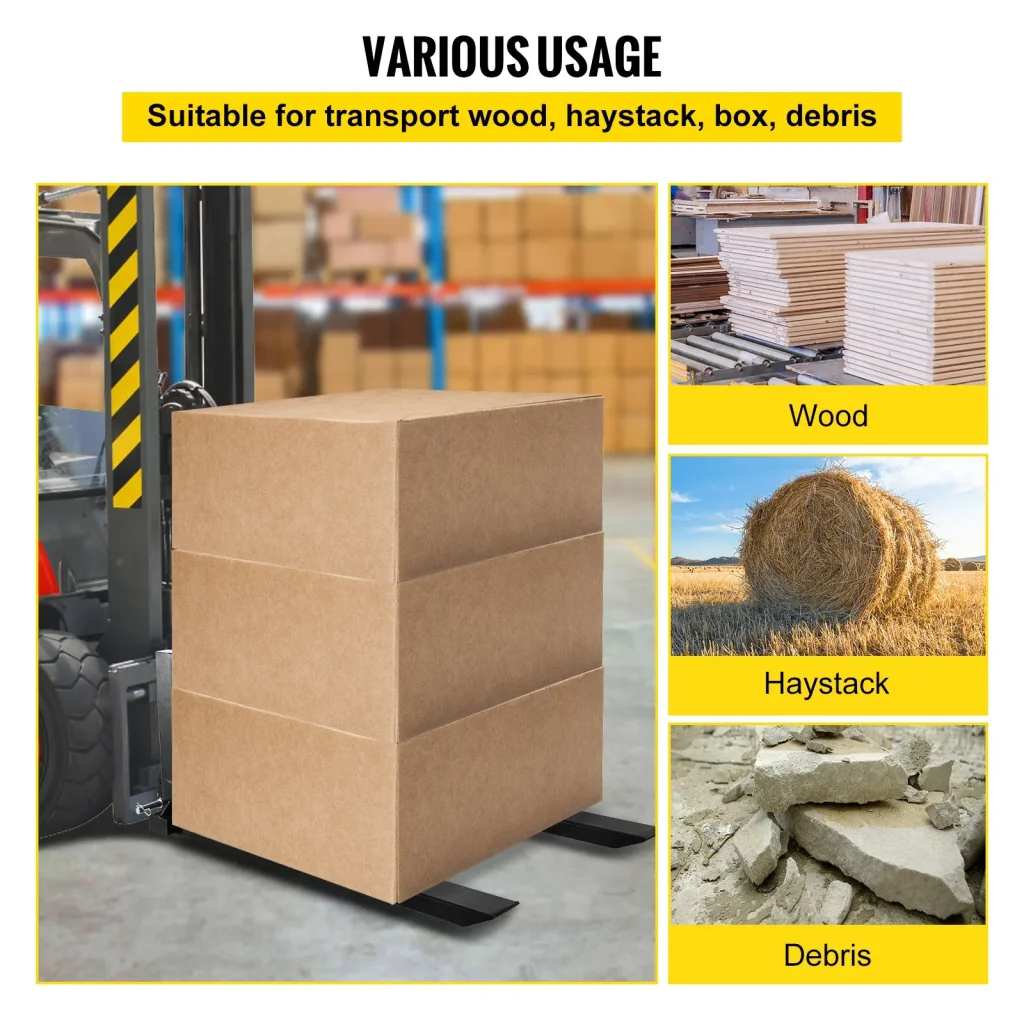
Construction and landscaping
Pallet forks have been widely used in the construction industry to move building materials like cement blocks, metal pieces, and bricks. Land scrapers use them to transport soil, gravel, plants, and heavy pots across large areas with minimal effort.
Pallet forks are easy to use in challenging outdoor environments, which makes them a perfect equipment in the construction and landscaping industry.
Industrial and warehouse handling
You must have seen pallet forks for the first time either in an industrial area or in warehouses. In warehouses and factories, they keep operations smooth by moving products and materials efficiently between workstations and loading bays.
Pallet forks are handy, easy to use, and can manage a variety of loads, which reduces the need for multiple specialised lifting tools. That is the reason that most warehouses and industries use them to reduce labour costs and improve their efficiency.
Everyday utility work around farms and small properties
Pallet forks are not limited to big industries, warehouses, and farming alone. They are also great for property maintenance. In most countries in the USA, homeowners and small business owners use them for lifting logs, heavy snow, and moving storage bins. They make everyday lifting and organising tasks more manageable compared to doing them by hand.
Benefits of using pallet forks
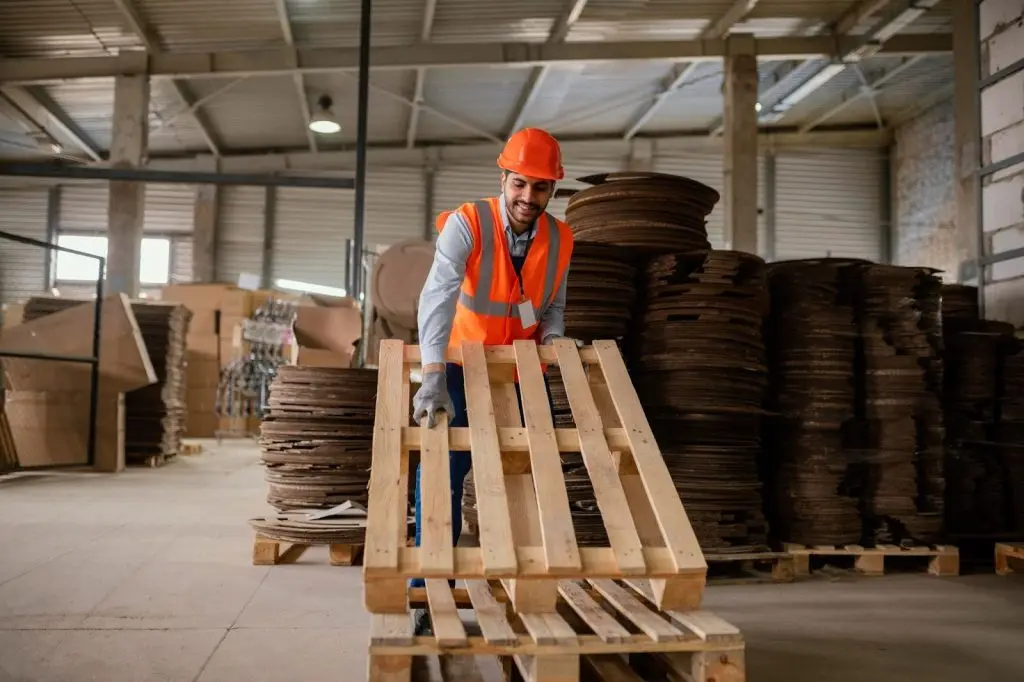
Pallet forks are popular because they make human lives much easier. A century ago, when people used to lift heavy weights on their backs, and ended up fracturing their bones. After the invention of pallet Forks, we don’t need to lift anything about 10 pounds ourselves.
Pallet forks have a lot of benefits. Let’s discuss the major ones below:
Increased efficiency and time savings
One of the major benefits of pallet forks is efficiency. They drastically cut down the time needed to transport material from one location to another. They made material handling as simple as breathing.
Instead of making multiple trips or manually handling heavy items, you can move large loads in one go. This ultimately improves the efficiency, which means that you can complete the project faster with less physical strain.
Reduced manual labor and equipment strain
Lifting heavy objects manually is not only tiring but also dangerous for your health. Heavy loads can badly damage your spine, twist your ankle, or even cause severe injuries to your body.
However, using pallet forks reduces labor intensity while protecting both workers and equipment. By attaching forks to your tractor or loader, you spread the weight evenly and avoid overloading a single part of your machinery.
Versatility across multiple industries and attachments
One of the greatest benefits of pallet forks is their adaptability. They can attach to tractors, forklifts, or skid steers using clamp-on or quick-attach systems. You can use them for multiple tasks.
Better load stability and transport control
When you are transporting or lifting materials manually, you have a lot of physical constraints. Sometimes it turned into a severe accident and injury, and product damage as well. But a well-designed pallet fork ensures that heavy loads remain stable during lifting and movement.
Pilot force is a safe way that minimizes accident product damage and downtime. Their adjustable forks let you modify spacing according to your load size. These features give you more control and freedom to work in your industrial area.
Cost-effective alternative to specialized lifting tools
When you plan to buy separate lifting tools for different jobs, it can be costly. A single pallet fork setup can replace several pieces of equipment, offering great value. In fact, this is a smart long-term investment for farms and small businesses.
How to choose the right type of pallet fork
Choosing the right type of pallet fork is quite challenging because not all of them are created equal. Also, it’s a big investment for small business owners, which is why they should consider the following points before buying:
Load capacity and weight rating
The first thing that you should consider when buying a pallet fork is its loaded capacity and weight rating. Light-duty pallet forks may handle up to a thousand lbs, while heavy-duty versions can lift to 5000 lbs or more.
If you choose a fork with too low a weight rating, it can cause bending or failure. Oversized forks may reduce maneuverability, so choose one in the mid-range.
Fork length, width, and spacing considerations
Fork length is an important factor that determines how deeply the forks can slide under a load. For most uses, 42–48 inches works well.
However, adjustable spacing helps you accommodate pallets or objects of varying widths safely. Keep in mind that longer forks may be harder to maneuver in tight spaces, but are ideal for larger loads.
Compatibility with your machine (tractor, skid steer, forklift)
Before purchasing, confirm that your pallet fork is compatible with your equipment. This is one of the most common mistakes that people make while choosing a pallet fork.
For example, pallet forks for tractors often use clamp-on or quick-attach systems, while skid steers and forklifts may have specific mounting plates. Always verify compatibility to ensure safe operation.
Types of pallet forks
Pallet forks have different types depending on their size, style, and functionality. Here is a list of the different types of pallet forks:
Standard
As the name suggests, the standard pallet fork is the most common type. It’s perfect for general lifting and material handling tasks. Sturdy, reliable, and easy to use.
Clamp-on pallet fork
These attach directly to your tractor bucket without needing a separate mounting plate. Clamp-on pallet forks are ideal for farmers or small property owners who want flexibility and quick setup.
Heavy-duty pallet fork
As their name indicates, they are built for industrial or large-scale agricultural work. These forks can handle heavier loads and rough terrain.
Quick-attach pallet fork
These are designed for fast installation and removal, saving time when switching between different attachments.
Safety and maintenance factors when buying
Safety should always come first. You must look for pallet forks made of high-strength steel with secure locking mechanisms. Additionally, inspect them regularly for cracks, rust, or bent tines. Clean the forks after heavy use, and lubricate moving parts to maintain smooth operation.
FAQs
How much weight can pallet forks lift?
It totally depends on the pallet fork type and size. Most standard pallet forks can handle between 2000 to 5000 lbs, depending on the model and machine. You must check your loader or tractors rated capacity before lifting heavy loads.
What size pallet forks do I need for my tractor or skid steer?
Choose forks that match your machine’s capacity. A 42″ to 48″ tines work best for most tractors and skid steers. However, ensure they fit your attachment system and weight requirements.
Can pallet forks be used to move logs or non-pallet materials?
Yes, pallet forks can move logs and irregular material easily. The load should be balanced and secured properly to avoid any damage. If you need a pallet fork to frequently handle logs, a grapple or a log fork is best for you.
How do I know if my pallet forks are damaged?
You should inspect regularly for bent tines, cracks, or uneven wear on the forks. If you observe any deformation or loose mounting parts, it means they need repair or replacement.
Are clamp-on pallet forks safe to use?
Yes, clamp-on pallet forks are safe when securely attached and not overloaded. Always tighten clamps properly and keep loads evenly distributed for stability. This will help maintain safety.
Conclusion
Pallet forks are one of the most practical and versatile attachments you can add to your tractor, skid steer, or forklift. There are several options available in the market; choosing the right pallet fork can save time, reduce labour costs, and boost efficiency.
While choosing a pallet fork, always consider your machine’s compatibility, weight capacity, and pallet fork type before purchasing it. Indeed, a pallet fork is a valuable addition to your workspace. With proper maintenance, it will serve you reliably for years to come.