It can be overwhelming when you see your overgrown yard. And you may not feel like knowing where to begin or with what tools you need. Don’t worry—you can tackle it! Using simple, easy-to-follow directions, you can transform that chaotic yard into an orderly and tidy one.
It all depends on doing each part step by step. Put on gloves, pick up your necessary tools, such as a lawn mower, and take your time. A single step adds actual success and ease to the task. With time and a strategy, overgrown yard cleanup turns out to be easy, even enjoyable. In a short time, you will have a good, fresh-looking yard.
Assess Your Overgrown Yard
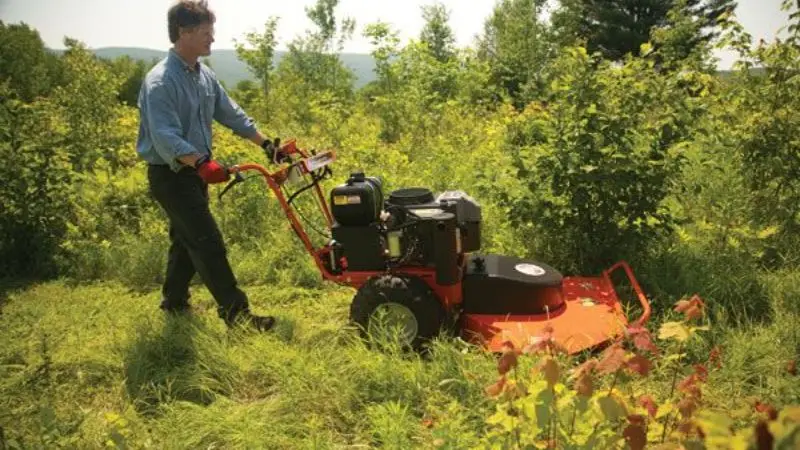
It is good to evaluate your overgrown yard before you take your tools. Having an idea of what is needed plays a significant role in enabling you to perform effectively and avoid creating stress. When you take time to estimate, you prepare yourself for a better cleanup process.
Walk Around and Observe Your Yard
Begin by slowly walking through every corner of your yard. Look at where the grass grows tallest, which areas are overrun with weeds, and where bushes or shrubs have spread too far. Check for hidden debris like old branches, rocks, or trash.
Pay attention to spots where the lawn looks patchy or where paths are blocked. Take notes or snap a few photos on your phone to remember trouble areas. This step is crucial for anyone wanting to learn how to clean up an overgrown yard efficiently, as it helps you plan what to tackle first and what can wait.
Create a Step-by-Step Cleanup Plan
Once you’ve assessed the yard, write down a simple plan. List tasks like picking up debris, trimming tall grass, or pulling weeds. Break the work into smaller sections so it’s not overwhelming. For example, you might focus on the front yard one day and the backyard the next. Assign priority to the areas that need the most attention.
Following a step-by-step yard cleanup guide ensures that you stay organized and steadily make progress. Planning like this also lets you see how much you’ve accomplished, which keeps motivation high and prevents burnout.
Gather the Best Tools and Safety Gear
It would be a big difference to have the best equipment to do the cleaning of the overgrown yard. Useful equipment will be gloves, a rake, sturdy trash bags, and a string trimmer or a lawn mower to cut thick grass and weeds. The sharp shears may be used for cutting bushes or small trees. To ensure safety at work, always wear closed-toe shoes and eye protection.
Test your tools to ensure good working conditions beforehand and make yourself feel comfortable using them. Starting with the right equipment and protective gear will make your cleanup quicker, safer, and much more productive, and is the most important step before starting any serious yard work or even affordable overgrown yard cleanup services in case you need professional help.
How to Start Your Overgrown Yard Cleanup

It is now time to begin the process of cleaning up once you have evaluated your yard and have had the tools on hand. It is easier to do the work in smaller steps; it is not so overwhelming and allows you to see gradual progress. One task at a time will help you manage your massive yard as well as turn it into a cozy, attractive place bit by bit.
Remove Debris and Trash
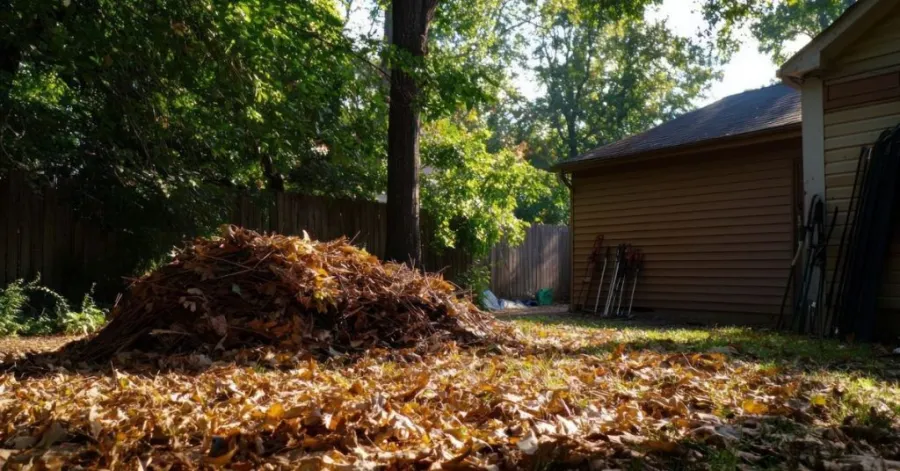
Start by cleaning up in your yard by collecting all the loose amounts of debris. Safety walk in the grass in search of sticks, rocks, bottles, or any concealed garbage that can be found in high grass. Pick away small objects with a rake, and hoist heavy ones with a lot of care and caution to prevent any harm.
Break it up into small portions and make the task seem attainable, and put a timer on each area to remain positive. Gloves will be necessary to keep your hands off sharp objects or insects. This is the initial and most crucial step in the process of learning how to clean the overgrown yard so that you have a clear area on which to address the rest.
Clear Dead Plants and Weeds
Once the trash has been removed, pay particular attention to dead vegetation and weeds. The weeds can be pulled by hand, or a weed puller can be used for tough roots. Cut dead bushes/flowers using garden shears. Trimming the areas will make you see your lawn clearly and show areas that require more attention, either to tame your overgrown garden or to begin reclaiming your lawn.
Work patiently, as you don’t need to finish everything in one day. By carefully addressing these problem areas, you follow a practical step-by-step yard cleanup guide that ensures your yard improves gradually and stays manageable.
Bag and Dispose of Waste
Once debris, weeds, and dead plants are cleared, bag all yard waste using sturdy trash bags. Separate yard waste from regular trash if your city has special collection rules, and place the bags at the curb or take them to a compost site.
Proper disposal keeps your lawn tidy and prepares it for the next steps, such as mowing or planting new grass. This stage also helps you visualize progress and motivates you to continue. Taking these organized steps can save time and effort, and if you prefer professional help, consider affordable overgrown yard cleanup services to handle larger piles safely and efficiently.
Trimming and Reclaiming Your Overgrown Lawn
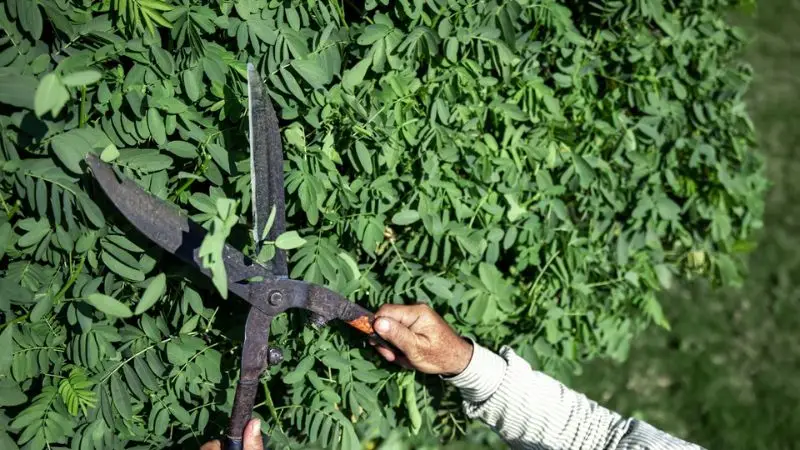
After the debris is clear and plants are pruned, it is now time to turn to reclaiming your lawn. Clearance of tall grass, weeds, and bushes in a systematic manner will give your lawn a clean and healthy look. You can bring back even the most tattered places just by trimming them and applying the proper tools. Take everything in stages, and you will be taught how to tidy up an overgrown yard.
Cut Tall Grass and Weeds
Start with tall grass and thick weeds using a string trimmer. This helps reduce height before mowing and prevents your mower from getting stuck. Move slowly and watch for hidden rocks or debris to avoid accidents. Small patches can be trimmed with hand clippers.
Take breaks if needed, as overgrown yard cleanup is time-consuming and should not be rushed. Wearing long pants and closed-toe shoes protects your legs from flying debris. Cutting the tallest plants first makes the next steps easier and gives a sense of accomplishment, keeping you motivated to continue.
Prune Bushes and Trees
Next, turn your attention to bushes and trees. Use sharp shears or loppers to trim overgrown shrubs and remove dead branches. Clearing crowded areas allows more sunlight to reach your lawn, which encourages healthy grass growth.
Make paths and walkways accessible by cutting low-hanging branches. Always check above before pruning to ensure nothing will fall on you. Trim plants that block windows, doors, or open spaces in the yard. Carefully pruning helps tame an overgrown garden and makes your outdoor space safer and more inviting. This step is an essential part of any step-by-step yard cleanup guide.
Use Mowers and Trimmers
Once cut, mow your lawn with a high-cut head in order to safeguard your lawn. Do the blade slowly with each stroke to have a smooth cut. Trim the edges and hard-to-reach areas with the use of a string trimmer. Also, maintain all the tools in their best condition possible. It is so rewarding to reclaim your unmanageable lawn when the green grass grows and the wild plants are taken under control.
Weeds also do not overtake due to regular mowing and trimming. Keep the lawn mowers and trimmers off before regulating them or cleaning them. The proper lawn makes the rest of the yard look great, and you have a place you can be proud of.
How to Restore and Maintain Your Yard
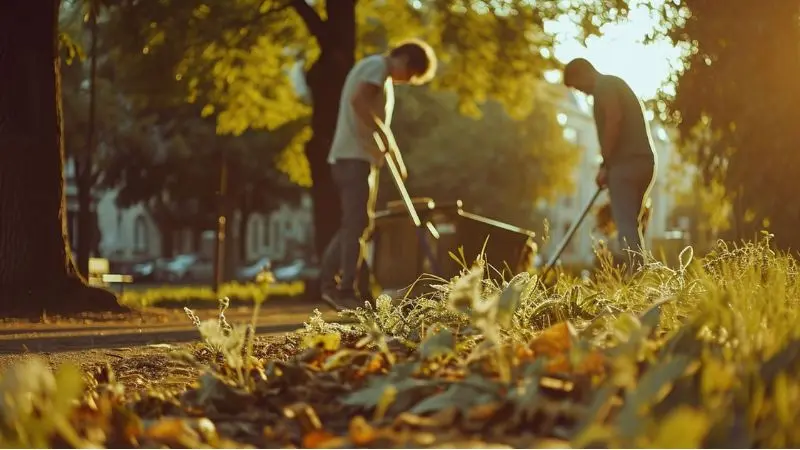
After all your hard work, it’s time to help your lawn recover and stay healthy. Restoring your yard ensures the cleanup lasts, making your outdoor space vibrant and enjoyable. By adding nutrients, reseeding bare spots, and keeping a maintenance routine, you prevent weeds and overgrowth from returning. Following these steps is the final part of a step-by-step yard cleanup guide that helps you achieve a lush, well-kept lawn.
Add Compost and Mulch
The compost will provide nutritional value to your soil and will result in healthy green grass. Tease the soil to a thin layer with a rake in order to improve soil health. Surround trees and planting beds with a mulch in order to retain moisture and block the sunlight that prevents the growth of weed seeds. Wood chips or shredded leaves are known as its natural mulch; they decompose and feed the soil.
Key points:
- Sprinkle compost on your lawn.
- Plant mulch to check the weeds and the moisture.
- Use natural resources that enhance the quality of soil in the long run.
Reseed Bare Spots
Bare spots can make your lawn look patchy. Loosen the soil with a rake, sprinkle grass seed evenly, press it gently into the soil, and water daily. This helps reclaim overgrown areas and gives your lawn a full, healthy appearance.
Steps for reseeding:
- Rake and loosen the soil.
- Spread grass seed evenly.
- Press the seed into the soil.
- Water daily until new grass grows.
Set Up a Maintenance Routine
Regular care keeps your lawn looking good and prevents overgrowth from returning. Set a simple routine to mow, prune, water, and remove weeds consistently.
Maintenance schedule:
- Mow: Every 1–2 weeks (never cut more than one-third of grass height).
- Prune bushes/trees: Every 1–2 months.
- Water: 2–3 times per week.
- Pull weeds: As needed.
By sticking to this routine, you reduce the need for major cleanups in the future and keep your yard manageable and attractive. Taking these steps ensures your lawn stays healthy, vibrant, and enjoyable year-round.
Wrap Up
Overgrown yard cleanup may seem overwhelming at first, but by taking it step by step, you can transform your outdoor space. Start by assessing the yard, removing debris, and clearing dead plants. Trim tall grass, prune bushes, and mow carefully to reclaim your lawn.
Add compost, mulch, and reseed bare spots to help grass grow strong and healthy. Finally, set up a simple maintenance routine to keep weeds away and prevent overgrowth. With patience, the right tools, and consistent care, your yard will stay beautiful, manageable, and ready for enjoyment all year long.
FAQ
What cleaning implements will I require to clean up an overgrown yard?
You also require gloves, a rake, trash bags, a string trimmer, and a mower. And do you have bushes or trees? Take a couple of pruning shears. Pre-Check: You should always ensure you check your tools before you begin.
Can we permanently eliminate weeds?
Pull weeds either manually or with a weed puller. Apply using a depression around plants so the new weeds do not form. Mow your lawn often. Reseeding bare areas can be tried in case weeds continue their invasion.
Can I compost yard waste?
Yes, you can place leaves, grass clippings, and shrubs. Weeds that contain seeds and plants that are diseased should not be composted. Compost promotes soil enrichment, and less waste gets to the landfills.
What is the frequency of mowing my lawn once it has been spruced?
Mow the grass once or twice a month. At the beginning, keep the grass a little higher. Lawns should be mowed regularly in order to keep your yard tidy.