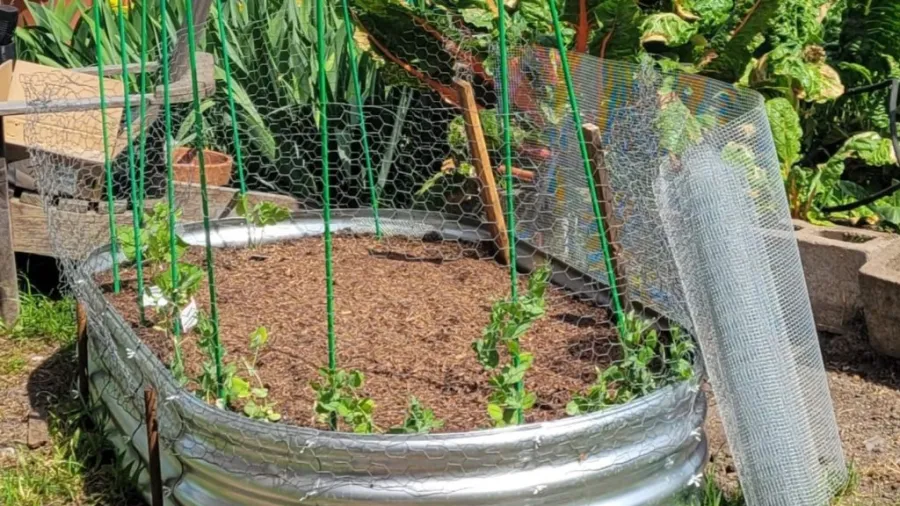
Finally, you build an elevated bed, fill it with soil, and plant. You want more space the following season, but that fixed frame won’t move, so you have to tear it out and start over. A modular raised garden bed eliminates that headache. Instead of confining you, the bed adapts to your garden with expandable, movable, and rearrangeable panels. It is easier to decide when you see how the best galvanized raised beds are built. This guide covers how modular garden bed kits work and how to match one to your yard.
Recommended For Your Project
What Is a Modular Raised Garden Bed?
A modular raised garden bed is a planting box built from individual panels and connectors, not a single, fixed, welded frame. You attach the parts with bolts or clips, then disassemble or expand as needed. These beds are unique because of that one concept.
How the Panel-and-Kit System Works
Most modular garden bed kits come in a flat box. Inside are metal or composite side panels, corner connectors, and the screws or clips that hold everything together. It typically takes 20 to 40 minutes to arrange the panels in the desired shape, join the corners, and tighten by hand or with a small tool.
You can later unbolt a panel, replace it, or change the entire layout because nothing is permanent. The true appeal of a modular raised garden bed is its rebuild-friendly design, so it helps to see how a galvanized bed planter box is assembled before you start.
Your modular raised garden beds won’t require a trip to the hardware store because the best modular garden bed kits come with all the necessary screws and connectors.
Why Gardeners Choose a Modular Raised Garden Bed Over a Fixed Bed
A fixed bed is always the same size. Modular raised garden beds let you start small and expand as your garden grows, without discarding what you already have. When you redo the yard, you can move the entire bed, divide a large bed into two, or reshape a bed around a tree.
Most bottomless raised garden beds drain water directly through, and roots reach the ground. Because flat panels fit in a car more easily than a built frame, customizable raised garden beds travel well. Expandable and sectional raised garden beds let you add on for years because the panels are standard.
Types of Modular Raised Garden Beds
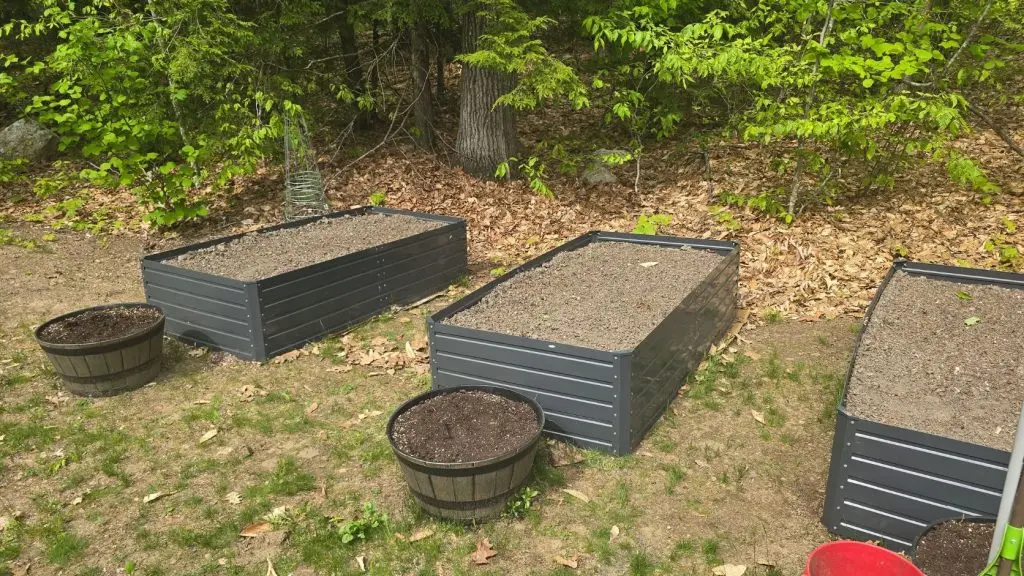
Modular beds differ mainly in material, expansion method, and layout. Modular raised garden beds are primarily classified by their composition, how they expand, and how their layout varies. Choosing a modular garden bed kit is easier when you understand the main varieties.
Modular Metal Raised Garden Beds
Metal is the most popular choice. Modular metal raised garden beds use galvanized steel panels coated in zinc or an Alu-Zinc blend, which prevents rust for at least 20 years. The panels are frequently corrugated because the thin steel is strong enough to support heavy, wet soil without bowing out thanks to those wavy ridges.
To prevent scraping your arms, edges are typically lined with rubber or folded over. For these reasons, most metal raised garden beds are galvanized and designed for outdoor growing in a variety of weather conditions. A wooden box in the same yard will not last as long as a modular metal raised garden bed.
Customizable and Configurable Layout Kits
Certain kits are designed to change their shape. Raised garden beds that can be customized, also known as configurable raised garden beds, use standard panels that connect in multiple ways, allowing one box to become a square, rectangle, or corner-wrapping L.
What are the best raised planter box kits for beginners who want everything included? A rectangular 8-by-4-foot metal planter box kit is an all-in-one option that includes the panels, corner pieces, hardware, and gloves in one box.
With everything included, you don’t need guesswork or a second trip to the store. When you want to reorganize your plot from season to season, these movable raised garden beds are ideal.
Expandable and Sectional Garden Beds
Some beds are designed to develop gradually. A single raised garden bed can double in size the following season without a complete rebuild, thanks to expandable raised garden beds that let you add panels or entire sections later.
Sectional raised garden beds expand on this concept, consisting of multiple independent units arranged in tiers, rows, or blocks. Because of this, expandable raised garden beds are ideal for people who wish to grow slowly, while sectional raised garden beds are preferred for larger plots.
Starting sectional with a two-pack of 6-by-3-foot garden beds is simple, and you can add more as you go. If you are not a homeowner, this flexibility matters most. Renters often ask: Which raised planter boxes are most portable for renters who move frequently?
A set of small wood-grain beds that you can unbolt, stack, and reassemble at the next location in less than an hour is an example of lightweight sectional or legged beds that disassemble flat. Legged beds have a bottom panel, so they suit patios and decks, but they need good drainage holes and hold less soil than ground-level beds
| Factor | Beginner — everything included | Portable for renters |
| Recommended kit | All-in-one rectangular metal kit | Lightweight sectional or legged bed |
| Key feature | Panels, corners, hardware & gloves in one box | Unbolts flat, reassembles in under an hour |
| Why | No guesswork, no second store trip | Packs in a car, moves to the next place |
| Example to consider | VEVOR 8×4 ft metal planter box kit | VEVOR wood-grain sectional / legged bed |
Modular Garden Planters for Small Spaces
Not every person has a large yard. Modular garden planters are smaller, round, square, or oval pieces you can place along a path, patio, or balcony. Because they can hold less soil, these modular garden planters are lightweight and portable. You can add or relocate these modular garden planters at any time, and a three-piece round planter set adds a cluster of greenery to a patio with nearly no planning.
Quick comparison of the main types of modular raised garden bed
| Type | What makes it stand out | Best for |
| Modular metal raised garden beds | Rust-proof steel panels, strong and long-lasting | Long-term veggie and flower beds |
| Customizable raised garden beds | One panel set, many shapes | Gardeners who reshape often |
| Expandable / sectional beds | Add panels or whole units over time | Growing gardens and big spaces |
| Modular garden planters | Small, light, easy to move | Patios, balconies, renters |
How to Choose the Right Modular Raised Garden Bed
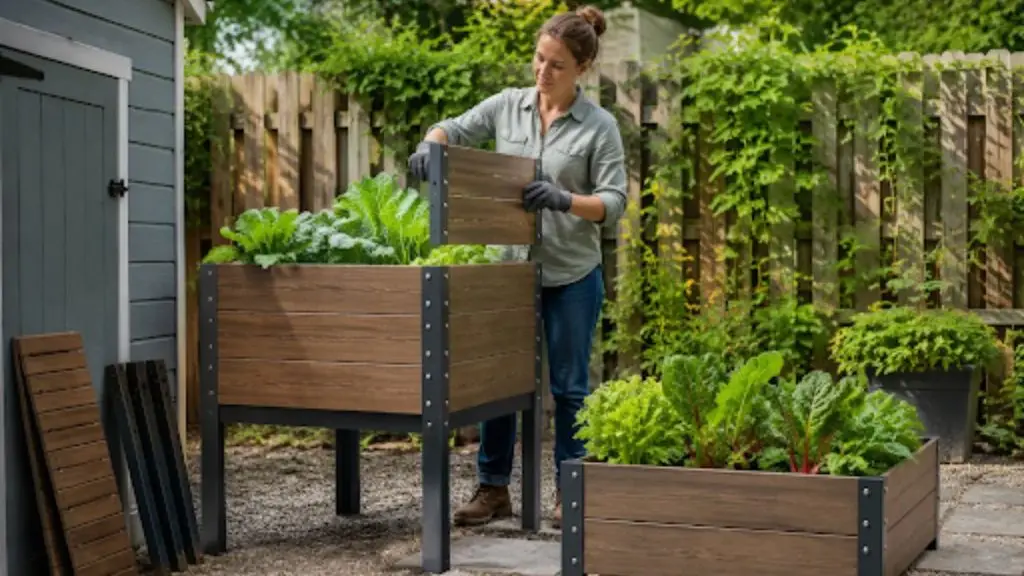
The ideal modular raised garden bed suits your crops, your work style, and your available space. Whether you prefer simple modular garden bed kits or customizable raised garden beds, follow these guidelines before you buy to avoid common novice mistakes.
Match the Size and Height to Your Space
After measuring your area, make sure the path is wide enough for you to walk or kneel. When sizing your modular raised garden bed, fill at least 12 inches of soil for mixed vegetables and closer to 18 inches for root crops like carrots. How much soil a garden bed needs depends on what you are growing.
Height also affects your back; planter boxes with legs raise the soil to waist level so you can hardly bend. Tight patios, decks, and people with knee or back issues can all benefit from an elevated planter with legs that still has space for a full season of fresh vegetables. Roots have the space they require in deeper modular raised garden beds.
What are the top-rated raised planter box kits that are easiest to assemble?
A cheap kit’s true colors are revealed during assembly. Well-rated modular garden bed kits include labeled panels, pre-drilled holes, clear step-by-step instructions, and tools in the box, ensuring the parts line up the first time instead of fighting you. The easiest raised garden beds to assemble are customizable and have labeled panels.
| Factor | Easy-to-assemble kit | Frustrating cheap kit |
| Panels | Labeled, pre-drilled holes | Unlabeled, drill-your-own |
| Connectors | Tool-free or hand-tighten | Loose screws, fiddly brackets |
| Instructions | Clear step-by-step | Vague or missing |
| Result | Lines up first time, ~40 min solo | Fights you, parts misalign |
| Example to consider | VEVOR configurable kit with labeled panels | A bare budget kit without labeling |
What are the most common complaints about popular raised planter box models?
By selecting thicker panels, folded or rubber-lined edges, and truthful size listings, you can avoid common complaints about modular raised garden beds, such as sharp panel edges, misaligned screws, thin steel that dents, and shallow beds sold as deep ones.
Properly constructed modular raised garden beds are the first step toward expanding a small plot into a productive backyard garden.
| Common complaint | How to avoid it |
| Sharp panel edges | Choose folded or rubber-lined edges |
| Misaligned screw holes | Look for pre-drilled, labeled panels |
| Thin steel that dents | Pick thicker galvanized panels |
| Shallow beds sold as deep | Check truthful, listed internal dimensions |
Conclusion
Modular raised garden beds solve the fixed-frame problem by adapting to your space instead of forcing you to start over. Choose sectional or expandable raised garden beds if you plan to grow, metal panels for a bed that will last for decades, and a movable raised garden bed if you enjoy reshaping. For patios and confined spaces, consider modular garden planters; if your back or a balcony requires it, choose a planter box with legs.
FAQs
Which raised planter boxes have the best user ratings for assembly clarity?
The simplest kits use pre-drilled panels, hand-tightened or tool-free connections, and unambiguous instructions. Top options for assembly clarity include the Tool-Free Interlocking Cedar Board Kit, the Snap-Together Resin Planter Bed, and the Modular Aluzinc U-Shape Panel System which all set up in under 40 minutes.
Which raised planter boxes are most overrated compared to their price?
The most disappointing beds use thin steel or have shallow depth but charge a premium for appearance. A sturdy galvanized kit is far more cost-effective than an expensive bed whose primary selling point is a fashionable color.
Can one modular raised garden bed grow with me over time?
Indeed. The idea behind a modular garden bed design is that you can add panels or entire sections as your garden grows, saving you from replacing what you’ve already built. Customizable raised garden beds are designed for exactly that kind of change.
Do modular raised garden beds need a bottom?
Generally speaking, no. Most crops prefer an open bottom because it lets water drain freely, and roots reach the soil below. Use bottomed or legged garden beds only for balconies, decks, or to keep weeds out from underneath.
How long do modular metal raised garden beds last?
Galvanized steel beds last 20 years or more with minimal maintenance. The zinc coating only needs occasional rinsing to keep rust at bay.