Choosing the right welding method is key to successful projects. Understanding MIG vs. TIG welding helps you pick the best approach for your skill level and goals.
What welding method is best for you? MIG welding is the best choice for you if you are looking for speed and ease of learning. TIG welding offers more control, cleaner welds, and is ideal for professional or detailed results. Consider your level of expertise, the material you are using, and the desired finish when comparing mig vs. tig welding. Each method has its own benefits.
What is MIG Welding?
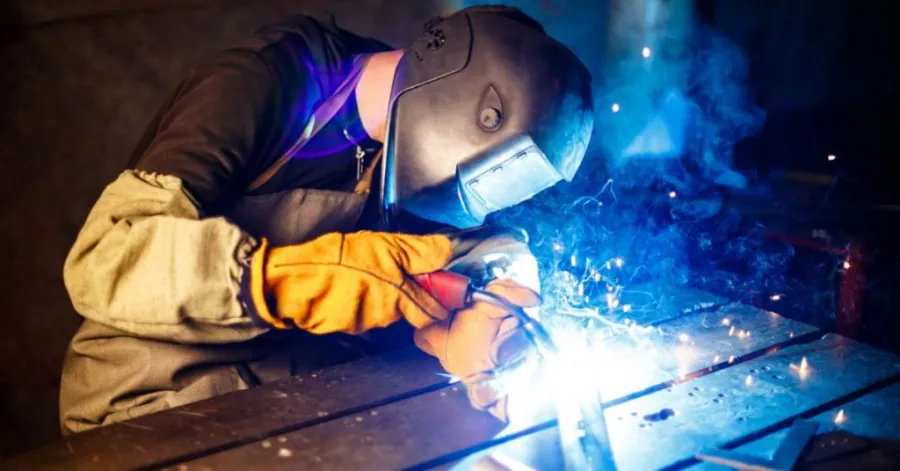
When you first start learning about welding, you will often hear the term mig welding. Metal inert-gas welding is what Mig stands for. The process involves a wire electrode, a shielding agent, and metal. The mig welder is controlled by a trigger. The automatic feed of the wire makes mig welding simple to use. Many people consider mig welding to be a beginner’s method, as you don’t need advanced skills in order to start.
How MIG Welding Works
The wire is fed through the gun. The wire is released when you press the trigger. The metal melts as the wire joins together. The weld is protected from the air by the metal inert gases. The weld is kept clean and strong. The mig machine allows you to adjust the voltage and speed. Mig welding is a fast and simple process, especially for those wondering which is better MIG or TIG welding, for general projects.
Tip: Check your settings for mig weld before you begin. You will get better results.
Advantages of MIG Welding
Mig welding gives you many benefits. The wire feeds itself, so you can finish your projects quickly. The rods do not have to be changed often. Mig welding is suitable for both thin and thick metals. You can weld long distances with mig welding without stopping. It produces fewer sparks and mess. After mig welding, you spend less time cleaning. Many people prefer mig welding because of its speed and simplicity.
The advantages of mig weld:
- Fast welding process
- Simple to use and learn
- Work on a variety of metals
- Welds that are cleaner and have less spatter
- Beginners will enjoy this book
Common Applications of MIG Welding
Mig welding is suitable for many applications. In auto repair shops, you will see mig welds. Mig welding is used to repair frames and panels. Mig welding is used to build metal furniture. Sculptures are often made by artists using mig welding. Mig welding is a great way to make metal products in factories. You can use mig welding for home projects.
| Application Area | Example Uses |
| Automotive | Car frames, body panels |
| Manufacturing | Metal parts, equipment |
| Art | Sculptures, metal crafts |
| Home Improvement | Gates, fences, repairs |
| Construction | Structural steel supports |
Mig welding is flexible and can be used for a variety of applications. You can use mig for both small and large projects. Mig welding allows you to complete tasks efficiently and effectively.
What is TIG Welding?
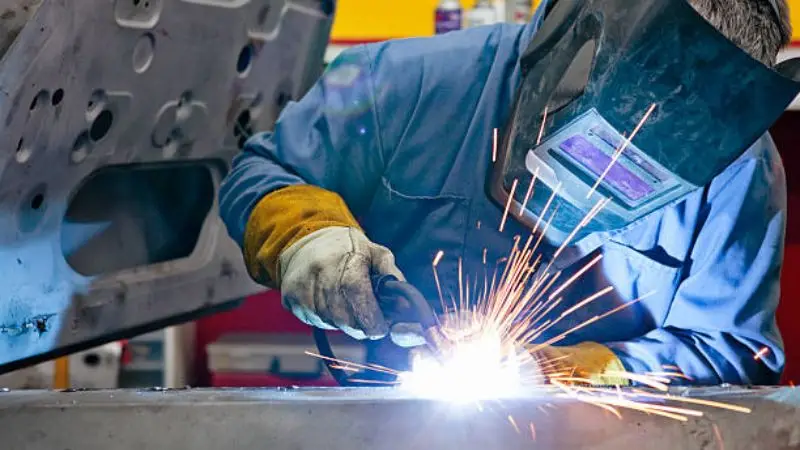
When you need precision, you may hear someone mention tig weld. Tig welding stands for tungsten inert gas welding. The weld is created using a tungsten-based electrode. With your hands, you can control the temperature and the filler material. Tig welding allows you to have more control over the process than any other method. Tig welding is great for thin metals or detailed work. Professionals choose Tig for its strong and clean welds.
How TIG Welding Works
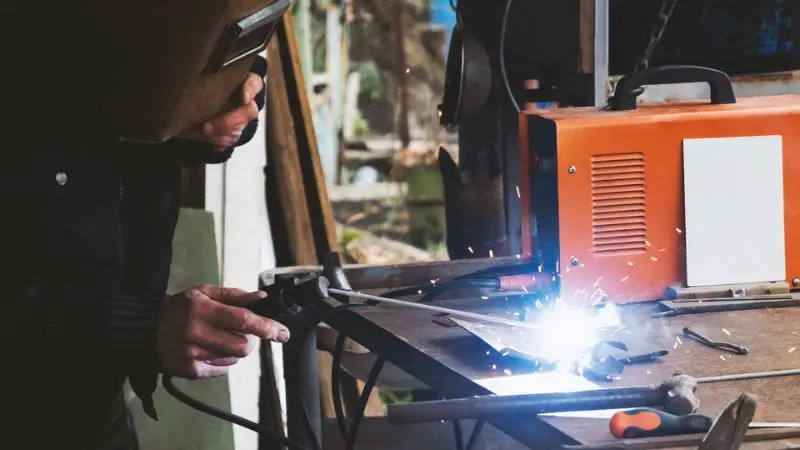
A torch is used to tig weld. The electrode is tungsten. The torch is held in one hand. With your other hand, you feed the filler rod. The weld is protected from air by the tungsten-inert gas. You can adjust the heat according to the metal that you are working with. You can create neat and smooth welds with tig welding. For best results, you need to keep your hand steady. Tig welding is great for stainless steel, aluminum, and other metals.
Tip: To improve your precision and tig welding abilities, practice steady hand movements.
Advantages of TIG Welding
Tig welding has many benefits. Precision and control are assured. You can weld thin material without burning it through. Tig welding produces beautiful and clean welds. There is less mess and spatter. Tig welding is suitable for many metals. You can use it for new projects and repairs. Tig welding produces strong, long-lasting bonds.
The advantages of tig welding:
- High Precision
- Clean welds
- Work on thin and thick metals
- Spatter less
- Welds that are strong
Common Applications of TIG Welding
Tig welding is used in a wide range of applications. Tig welding is used in the aerospace and automotive industries. MIG vs TIG welding for automotive work plays an important role, especially for race cars and bike frames, where precision is required. You can see tig welding used in sculpture and art. Tig welding is also effective for race cars and bike frames. Many people use the tig welder for medical and food equipment. Tig welding is ideal for jobs that require precision and neat welds.
| Application Area | Example Applications |
| Aerospace | Aircraft parts, repairs |
| Automotive | Race cars, bike frames |
| Art | Sculptures, metal art |
| Food Industry | Kitchen equipment, containers |
| Medical | Surgical tools, devices |
You can achieve the accuracy you need with tig welding for specific applications. You can use it for both small and large projects. You can get clean and strong results with tig welding.
MIG vs TIG Welding – Side-by-Side Comparison
Choosing between MIG and TIG welding can be tricky. This comparison explains their key differences, helping welders make informed decisions for every project.
Welding Speed and Efficiency
You need to complete your welding project quickly. Mig welds are high-efficiency, because the wire feeds itself. The mig machine will do most of the work for you. Tig welding is more time-consuming because you have to control the filler rods and the torch manually. Mig welding is good for large jobs or long welds. Tig welding is best for small and detailed jobs. In a comparison of mig vs. tig welding, mig is faster and more efficient. With mig welding, you can save time, especially when welding repetitive applications.
Note: If you want to get results quickly, mig welding can help you.
Skill Level and Learning Curve
It is natural to wonder which method of welding is the easiest. Beginners can easily learn Mig welding. Start welding after setting up the machine and adjusting the settings. Tig welding needs more skill. Understanding what is the difference between MIG and TIG welding helps you choose the right starting point.It is important to use both hands at the same time and maintain a steady pace. The comparison of mig vs. tig shows that mig is better for new welders. Tig welding is for people who are looking to improve their skills and master high-quality welds. As you gain more experience, you can move from mig to tig welding.
Cost Comparison
You are interested in knowing which welding method is less expensive. Mig machines are usually cheaper to buy than tig machines. Mig welding is done with less expensive gas and wire. Tig welding requires special equipment and rods of high quality. The comparison of mig vs. tig shows that mig is more affordable. Tig welding is more expensive because it requires extra tools to produce high-quality welds. For basic applications, mig welding is cheaper.
| Welding Method | Machine Cost | Consumables Cost | Maintenance | Overall Cost |
| Mig | Lower | Lower | Low | Affordable |
| Tig | Higher | Higher | Medium | Expensive |
Weld Quality and Appearance
Your welds should look good and last. Mig welding produces strong welds that are less spattered. Tig welding produces high-quality, clean welds. The comparison of tig vs mig welding shows tig to be superior in terms of quality and appearance. With tig welding, you get neat and smooth welds. Mig welding is good for strong joints, but it may leave more marks. Tig welding is best for projects that require high-quality, polished welds.
Suitable Materials for Each Process
The right welding technique for your material is important. Mig welding is suitable for steel, stainless steel, and aluminum. Tig welding is best for thin metals, exotic alloys, and delicate parts. The comparison of tig vs. mig shows that tig welding is better for thick materials and large applications. Tig welding is best for small and detailed welding jobs. Choose mig welding to do general repairs, and tig welding to perform high-quality welding on specific projects.
Tip: Match your welding technique to the application and material you are using.
Pros and Cons of MIG and TIG Welding
Every welding method has its strengths and weaknesses. Understanding the pros and cons of MIG and TIG welding helps you choose the right process for your materials and skill level.
MIG Welding Pros and Cons
When you use mig weld , you can enjoy many advantages. The mig welding process allows you to finish your jobs faster. The mig machine is controlled by a simple trigger. Wire feeds automatically, so there is no need to stop frequently. You can weld thick or thin metals with mig welding. Beginners choose mig because it’s easy to learn. This welding process is used in factories and car repair shops.
The benefits of mig weld:
- Fast welding process
- Easy setup and operation
- Work on a variety of metals
- Beginners will enjoy this book
- Welding requires less cleanup
Mig-welding also has its drawbacks. There may be more spatter than with other welding methods. You may notice that the welds are not as clean as those made with tig welding. Shielding gas is required, and this adds to the cost. The mig welding process may not be suitable for thin metals and detailed projects.
Cons of mig weld:
- More Spatter
- Low-quality welding for detailed work
- Needs shielding gas
- Limited control for fine techniques
Tip: By adjusting settings and using different techniques, you can improve the results of your mig welds.
TIG Welding Pros and Cons
You can control the process of welding with tig welding. Both hands are used to guide the filler rod and torch. You can create strong and clean welds using this technique. There is less spatter, and the quality of welding is better. Tig welding is good for thin metals and alloys. tig welding is used by many professionals for aerospace, medical equipment, and art.
The benefits of tig weld:
- High Precision
- Welds that are clean and have a smooth finish
- Work on thin metals, alloys
- Spatter less
- Welds that are strong and durable
There are some challenges with tig welding. This welding process requires more skills. Equipment costs more than for mig welding machines. Tig welding is slower to complete projects. It may be difficult to use tig weld for large projects.
Cons of tig weld:
- The welding process slows down
- Higher equipment cost
- Steeper learning curve
- It is not suitable for beginners
| Welding Process | Pros | Cons |
| Mig | Fast, easy, versatile | More spatter, less precision |
| Tig | Precise, clean, strong | Slow, expensive, harder to learn |
Note: Your choice of welding process should be based on the project requirements, your skill level, and the desired welding quality.
How to Choose Between MIG and TIG Welding
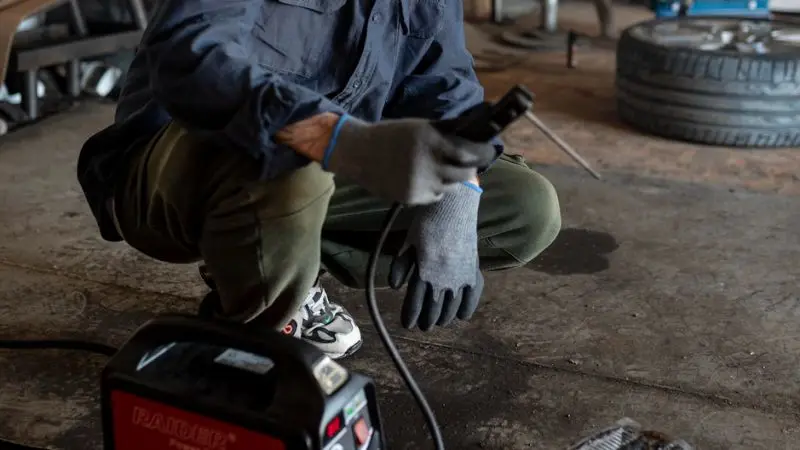
Choose the best welding method for your project. Begin by defining your goals. What do you want to achieve with your welding? Are you looking for fast results, or are you looking for perfect welds?
You can use these questions to guide your decision:
- What type of metal are you planning to weld and why?
- What is the thickness of the material?
- Want to complete the task quickly?
- Do you have any experience with welding?
- Are you concerned about the appearance of the weld?
Write down all your answers before choosing a welding technique.
Look at the differences between MIG and tig welding. Compare the following table:
| Factor | MIG Welding | TIG Welding |
| Speed | Fast | Slow |
| Skill Needed | Beginner-friendly | Needs practice |
| Weld Quality | Good | Excellent |
| Cost | Lower | Higher |
| Best For | Big projects | Detailed work |
MIG welding is a great way to save time if you need to complete a large welding project quickly. MIG welding is great for metal frames, fences, and car repairs. If you want clean and strong welds, TIG welding gives you better results. TIG welding is great for thin metals, art, or bikes.
Budget is also important. MIG welding is cheaper to begin with. TIG welding requires more money to start.
If you can, try both methods of welding. You’ll learn which method suits your style.
When you choose the right welding process for your needs, you will make the right choice. Test each method. You will discover the best welding technique for you.
Tips for Beginners in Welding
It can be exciting to begin your welding journey. You want to create strong joints and useful items. Before you start, it is important to learn some basics. These tips will help you to stay safe while improving your welding skills.
Safety is always first. Wear a helmet, gloves, and long sleeves. During welding, you should protect your eyes and skin from sparks.
Set up your workspace. Keep the area neat and clutter-free. You can avoid welding fumes by using good ventilation. A sturdy table is essential for any project.
For Beginners, here are some tips to help you get started:
- Learn about your welding machine. Understand each component by reading the manual. You can control the settings to get better results.
- Practice on scrap metal. It is possible to improve your welding skills without wasting valuable material.
- Check all connections. Before you begin welding, make sure that cables and hoses have a tight fit.
- Maintain a steady grip. Your welds will be smoother if your hand is steady.
- Be careful of your speed. Slowly and steadily move. Fast movements may cause weak welding.
- Remove rust, paint, and dirt. Remove dirt, rust, and paint. Cleaning surfaces will help you to weld strongly.
- Choose the correct wire or rod. Use the right welding rod or wire for your metal.
- Check your welds. Check for cracks and holes. Look for smooth, even welds.
- Ask for help. Speak to welders who have experience. Advice from others can help you learn more quickly.
- Stay patient. It takes time to become proficient at welding. With practice, you will improve.
| Tip | Why It Matters |
| Safety gear | Protects you from harm |
| Clean workspace | Prevents accidents |
| Practice | Builds your confidence |
| Steady hand | Improves weld quality |
These tips can be used every time you begin welding. By forming good habits, you can avoid making mistakes. You can learn to weld over time. Keep learning and being curious.
Conclusion
Now you know the main differences between MIG welding vs TIG welding. MIG welding is the best choice if you are looking for quick results and an easy setup. Choose TIG for clean, detailed welds. Consider your skill level, materials used, and budget
MIG is ideal for speed, beginners, and large projects. TIG is best for precision, thin metals, and professional results.
If you can, try both methods. You’ll discover which method best suits your needs.
FAQ
What is the main difference between MIG and TIG welding?
MIG welding uses a wire that feeds automatically. TIG welding uses a hand-held rod. You get faster results with MIG. TIG gives you more control and cleaner welds.
Can you weld aluminum with both MIG and TIG?
Yes, you can weld aluminum with both methods. You get better results with TIG for thin aluminum. MIG works well for thicker pieces.
Which welding method is safer for beginners?
MIG welding is safer for beginners. You control the machine with one hand. The process is easier to learn. Always wear safety gear.
Do you need special training for TIG welding?
You need more practice and skill for TIG welding. The process uses both hands and requires steady movements. Many people take classes or watch tutorials to learn.