Keeping your metal shed chicken coop in top shape doesn’t have to be hard. With a few easy habits, you can create a safe, healthy home for your backyard flock. Regular cleaning keeps the coop fresh and free from pests, while smart design choices make life easier for both you and your chickens. A well-maintained coop means happier birds, better egg production, and fewer problems down the road. When you care for your coop, you’re really caring for your chickens—and they’ll reward you with fresh eggs and lively clucks all year long.
- Routine Cleaning for a Healthy Chicken Coop
- Ventilation for a Comfortable and Healthy Chicken Coop
- Insulation and Weatherproofing for a Year-Round Chicken Coop
- Predator Proofing for a Secure Chicken Coop
- Structural Checks for a Long-Lasting Metal Shed Chicken Coop
- Interior Upkeep for a Clean and Comfortable Coop
- Upgrades and Comfort Features for a Better Chicken Coop
Routine Cleaning for a Healthy Chicken Coop
A clean coop is the key to keeping chickens happy, healthy, and safe. Regular maintenance prevents odors, disease, and pest problems while creating a better living environment for your flock. Whether you’re learning how to turn a metal shed into a chicken coop or caring for an existing setup, a consistent cleaning routine will make a big difference in the long-term health of your birds.
Creating a Cleaning Schedule
It will help keep your chicken house in its best shape by having a regular cleaning schedule. Deep clean once per week, though cleanings should be more frequent in the case of many chickens or small runs. Odors are controlled through daily spot cleaning, such as clearing materials in the mornings; they prevent the accumulation of waste. The best way to avoid all problems from the very beginning and to make your chickens active, healthy, and comfortable in their coop is to be consistent.
Effective Cleaning Methods
When cleaning, start by moving the chickens to a safe space away from the coop and run. Wear gloves and a mask to protect yourself from dust and germs. Use a shovel or scoop to remove droppings and old bedding, then sweep the floor and corners to clear away loose dirt. Wash all surfaces with warm water and mild soap, avoiding harsh chemicals that could harm your flock.
Scrub the floor, walls, and nesting boxes thoroughly, rinse with clean water, and allow them to dry before adding fresh bedding. A mix of white vinegar and water works well to remove stubborn stains and odors, especially in the best metal shed for a chicken coop setup.
Bedding and Mats for Comfort and Cleanliness
Good bedding not only makes the coop more comfortable but also helps control moisture and odor. Pine shavings, straw, or hemp bedding are popular choices that keep the space fresh. Spread a thick layer across the floor and inside nesting boxes, replacing it weekly or sooner if it becomes damp or dirty.
Rubber mats can also be placed inside the run or coop to make cleaning faster and protect the floor from damage. Wash mats monthly and let them dry before putting them back. A clean run is equally important—remove waste and wet spots quickly to avoid health issues and keep your chickens happy, even in warmer weather, when people often ask, Do chickens get too hot in a metal coop?
Ventilation for a Comfortable and Healthy Chicken Coop
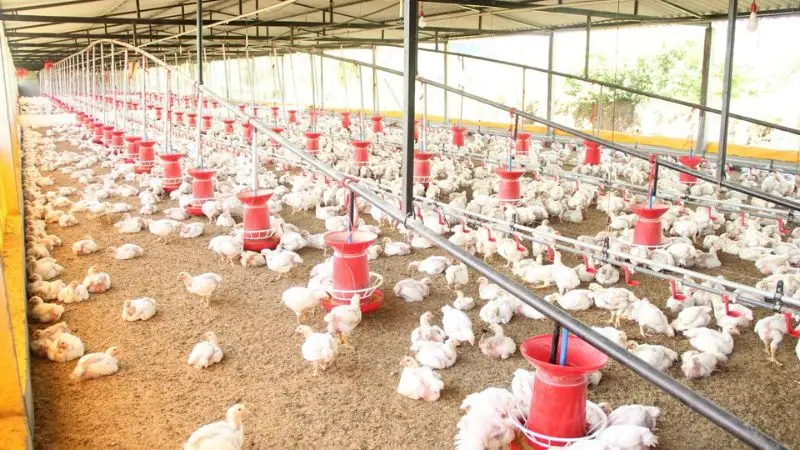
Proper ventilation is one of the most important factors in maintaining a safe and healthy coop. In a metal shed, heat and moisture can build up quickly, leading to discomfort and even health problems for your flock. Whether you are setting up the best metal shed for a chicken coop or improving your current setup, ensuring fresh airflow will keep the space cooler, reduce odors, and prevent respiratory issues.
Airflow in a Metal Shed Coop
Good airflow removes excess heat, moisture, and ammonia fumes from your coop. Without it, your chickens may suffer from breathing problems and overheating. Metal sheds, in particular, can trap warm air, so it’s important to check airflow regularly. You can improve air circulation by:
- Opening doors and windows during the day to let fresh air in.
- Placing the coop and run where natural wind can pass through.
- Adding portable fans during hot months to push out stale air.
Keeping air moving not only keeps your chickens cool but also reduces the chances of them feeling stressed in warm weather, answering the common question: Is a metal shed good for chickens?
Windows and Vents for Better Circulation
To get a smooth circulation of air in your coop, windows and vents are necessary. When it comes to metal shed construction, get vents high up on the walls to allow warm, moist air to escape. Position windows on opposing sides, use cross-breeze, and cover holes using hardware cloth so as to allow air to enter but keep predators out. To get the best of:
- Small coops should have at least two vents, and/or larger places should have more.
- Ventilation/window screens should get cleaned out monthly of dust and feathers.
- During the day, it is good to have the windows open, and at night, when the weather is cold, close them.
Even these minor additions can go a long way toward increasing your flock’s comfort and air quality.
Odor and Ammonia Control
Poor ventilation can lead to strong smells and harmful ammonia buildup from droppings. A well-ventilated metal shed chicken coop keeps air fresh and safe for your flock. To reduce odors:
- Remove wet bedding promptly to prevent ammonia from intensifying.
- Use deep bedding that absorbs moisture effectively.
- Add a light sprinkle of lime on the floor to neutralize smells.
- Inspect the coop for leaks that let water in and cause dampness.
A clean, dry, and well-aired coop not only smells better but also ensures healthier chickens, helping to answer Do chickens get too hot in a metal coop?“ by preventing overheating through proper airflow.
Insulation and Weatherproofing for a Year-Round Chicken Coop
To ensure that your chickens are comfortable in any weather, shelter their residence from severe temperatures. Sheds made of metal may get hot during the summer and cold during the winter months and thus must be insulated and weatherproofed effectively. When you are learning the steps of transforming a metal shed into a chicken coop, the upgrade will make it more comfortable, safer, and suitable all year round.
Weatherproofing a Metal Shed Coop
Build a weatherproof coop, and so keep off rain, wind, and drafts on your flock. Seal with weatherproof caulk or foam strips all openings or cracks in the walls and roof. Seal doors and windows and put weatherstripping in where they are drafty. Where leaks are encountered, use a tarp or waterproof covering on the roof to keep the inside dry.
In addition, take a tour after heavy rain around your run and check and repair any puddles or wet areas that may allow water entry into the run. These minor solutions will ensure the safety of your coop and a dry coop.
All-season Temperature Control
The insulation can be used to maintain the temperature in your best metal chicken house shed. During the winter, it is advisable to apply foam boards or reflective panels of insulation on the ceiling and walls to retain heat. During summer, provide shade using cloth coverings, tall plants, or bushes around the run. Do not cover vents with any other product to make sure that moisture does not collect there. You can as well:
- Place straw bales along walls for extra warmth in cold months.
- Hang light-colored curtains to reflect sunlight during summer.
These adjustments help prevent overheating in warm months and keep your flock cozy in cold weather.
Seasonal Preparation and Maintenance
Preparing your coop before each season ensures your chickens stay comfortable. In the fall, inspect insulation and repair any damage. Clean out old bedding and replace it with fresh, dry materials. In spring, remove extra insulation to prevent overheating, and wash vents and windows for better airflow.
Before winter, recheck weatherproofing and add insulation where needed. In summer, open windows and doors during the day to cool the room. A well-insulated metal shed chicken coop offers a comfortable home year-round while addressing concerns like “Do chickens get too hot in a metal coop?” by balancing protection and airflow.
Predator Proofing for a Secure Chicken Coop
Keeping the predators out of your flock is also as important as feeding and shelter. When you are installing the best metal shed as a chicken coop or managing an established one, ensuring that unwanted animals have no access to the chickens will keep them secure during the day and night. From raccoons to foxes, there are a lot of predators that are going to check your coop and see what it is worth, and the best way to ensure that is to have a good offense.
Using Hardware Cloth Instead of Chicken Wire
Hardware cloth is stronger and safer than chicken wire, making it the best choice for predator protection. The small, sturdy squares prevent raccoons, rats, and snakes from squeezing through. To secure your coop:
- Cover all windows, vents, and gaps with hardware cloth.
- Attach it tightly to the frame using screws and washers for strength.
- Inspect it weekly for holes or loose spots and repair immediately.
A metal shed chicken coop fitted with hardware cloth creates a reliable barrier that keeps predators out while still allowing airflow.
Securing All Entry Points
Doors, windows, and hatches are places that predators can peck. In order to avoid break-ins:
- Get sturdy, lockable latches, such as spring-loaded or carabiner clips.
- Ensure that there is a fitting of doors that have no gap that is larger than a quarter.
- Check the latches and hinges once a week and pack down any worn or loose hinges.
Excellent entry point security and maintenance confirm that not even unrelenting predators are able to gain entrance to your chicken coop or hurt your flock. One of the best tricks to keep your chickens secure is to ensure that these areas are fortified, whether in the day or at night.
Adding Dig Guards and Wire Skirts
Most animals burrow under the fencing in order to reach the coop and run. They can be stopped by installing dig guards or wire skirts. Place the hardware cloth on the ground around the perimeter of your run, running it out at least 12 inches.
Dig the sides up with soil or rocks to get a physical wall. Inspect your coop after a storm or heavy rain, and observe any signs of digging or holes and repair immediately. A strong barrier prevents predators from burrowing underneath and keeps your flock safe throughout the seasons.
Structural Checks for a Long-Lasting Metal Shed Chicken Coop
A strong, well-maintained structure is the foundation of a safe and comfortable chicken coop. Over time, weather, moisture, and wear can damage even the best metal shed for a chicken coop, so regular inspections are essential. By identifying and fixing small issues early, you can extend the life of your coop and protect your flock year-round.
Checking for Rust and Leaks
Rust can weaken your coop’s structure and create sharp edges that may injure your chickens. Inspect the shed monthly, looking for orange or brown spots on walls, doors, or the roof. Scrub away rust with a wire brush and apply rust-resistant paint to prevent it from returning.
Leaks can lead to damp bedding, mold, and illness, so check the roof and walls after heavy rain. Patch holes promptly with waterproof sealant or metal patches. A rust-free and leak-free metal chicken coop will stay strong and dry for years to come.
Maintaining Doors and Hardware
High-quality doors and hardware will keep your chickens out of harm’s way from predators and bad weather. Examine every door by opening and closing it to make sure that it works freely. Attach the lost and broken hinges and remove the rusty screws, as well as inspect locks to ensure they are snug.
See where there is an openness around doors, seal it with weather stripping or foam tape to avoid drafts and pests. Routine hardware maintenance can also enhance security, making the coop more energy-efficient during summer and winter.
Checking the Roof and Guttering
Your roof will keep the coop dry during rainy days, give shelter against the wind, and protect against the heat, so you must ensure that there are no dents, holes, or loose panels. Repair any damage as soon as possible to avoid leaks. To ensure that water flows away and does not overflow the coop, keep gutters free of leaves and debris.
Properly cleared gutters can even allow you to catch rainwater to use in the garden, so your chicken house will become greener. Consistent roof and gutter inspections keep your flock dry, safe, and cozy all year round.
Interior Upkeep for a Clean and Comfortable Coop
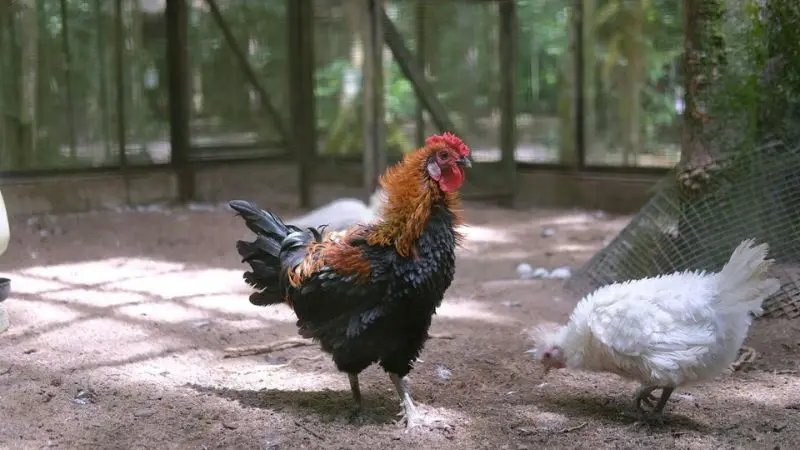
What happens inside your coop is critical to the health, comfort, and productivity of your chickens. Even well-constructed metal chicken coop sheds require periodic maintenance to keep eggs sanitary, annoyances at bay, and the structure free of stench. With nesting boxes, roosts, and flooring, you can design and provide a comfortable and secure environment for your flock throughout the year.
Keeping Nesting Boxes Clean and Inviting
Hens need clean, comfortable nesting boxes to lay healthy eggs. Check boxes daily and remove any broken eggs or dirty bedding. Use pine shavings or straw for soft, absorbent bedding that keeps eggs clean and dry. Replace bedding weekly, or sooner if it becomes wet.
If pests such as mites appear, sprinkle food-grade diatomaceous earth under the bedding to keep them away. For consistency, you can place a golf ball or ceramic egg in each box to encourage hens to lay in the right spot.
Maintaining Roosts and Flooring
Chickens sleep on roosts at night, so these areas must stay clean and safe. Scrape off droppings from roost bars weekly and wipe them down with a damp cloth. Wooden or metal roosts work well if they are smooth and free of sharp edges. For flooring, rubber mats make cleaning easier and protect the base of the coop, while hardware cloth beneath bedding stops rodents from digging inside.
- Sweep or rake the floor regularly to remove waste and spilled feed.
- Wash mats with soap and water monthly for freshness.
Odor Control and Fresh Air
Keeping the air fresh in a metal shed chicken coop helps prevent health problems and keeps chickens comfortable. Remove wet bedding and droppings daily to prevent odors and fly infestations. Deep bedding absorbs moisture effectively, while a light sprinkle of garden lime on the floor can further control smells.
Ensure the coop has good airflow by opening windows and vents during the day. Cleaning feeders and waterers weekly also helps stop mold and bacteria growth, creating a cleaner, healthier space for your flock.
Upgrades and Comfort Features for a Better Chicken Coop
After you create a secure and operational coop, the next step is leveling up a bit and incorporating the features of comfort, which won’t only serve you but also your flock. The additions also contribute to solving questions like whether a metal shed is suitable for chickens by demonstrating how to initiate care and setup for a long-term home.
Adding Proper Lighting
Lighting is essential for keeping chickens active and laying eggs, especially during short winter days. Installing LED lights in the best metal shed for a chicken coop ensures your flock gets enough daylight hours year-round.
Mount lights high so chickens can’t reach them, and use a timer to maintain a consistent routine. Proper lighting also makes it easier for you to clean and check the coop at night. Choosing outdoor-safe lights helps prevent overheating or safety issues, which is important when people ask, Do chickens get too hot in a metal coop during summer?.
Creating a Dust Bath Area
Chicken dust baths are a natural means of chickens cleaning themselves and keeping off pests such as mites. Inside your metal shed chicken coop or run, you may put in a shallow container in a dry location, fill it with a mix of sand, soil, and wood ash, and you can simply create one. Clean the bath and replace it often. The strategic location of a dust bath will allow your flock to be comfortable year-round and develop good preening habits.
Enrichment Ideas for Happy Chickens
Keeping chickens busy helps prevent boredom and bad behaviors. Some fun enrichment ideas include:
- Adding perches, swings, or sturdy logs for climbing.
- Hang cabbage heads or treat balls from the ceiling.
- Rotating toys and items weekly to create variety.
These activities encourage natural behaviors, improve mental health, and make the coop environment more stimulating for your flock.
Designing the Perfect Chicken Coop
Designing the perfect chicken coop means combining safety, comfort, and easy maintenance. A strong, weatherproof metal shed with good ventilation offers excellent protection year-round. Place nesting boxes in quiet corners, add soft bedding on the floor, and install a roof over the run for shade and rain protection.
Features like dust baths, lighting, and enrichment items create a healthier and happier environment. With thoughtful planning, you can turn a basic shed into a secure, comfortable space that keeps your flock thriving for years.
Wrap Up
Keeping your metal shed chicken coop and run well-maintained is the key to a healthy, happy flock. From predator proofing with hardware cloth to structural checks for rust, leaks, and roof damage, every step helps protect your birds. Regular interior upkeep, like cleaning nesting boxes, roosts, and floors, keeps the space fresh and pest-free.
Adding upgrades and comfort, such as lighting, dust baths, and enrichment activities, improves your chickens’ quality of life. A well-designed coop ensures safety, comfort, and easy maintenance. With consistent care and smart planning, your flock will thrive, lay more eggs, and enjoy a safe, happy home for years.
FAQ
How frequently do you have to deep-clean your metal chicken coop shed?
You must give your coop a thorough cleaning once a month. Strip beds of all bedding and wash each surface. To dry everything out and then replace bedding. This practice makes your chickens healthy and disease-free.
What is the recommendation on bedding for a metal coop shed chicken coop?
The best is pine shaving. They are also absorbent and odor-regulating. Bedding of straw and hemp is also beneficial. Shun cedar shavings since this can be detrimental to your chickens.
What do you do to cool your summer coop?
During the day, keep windows and vents open. Utilise shade clothes or plant bushes around the coop. Put a small fan in there if you must. Give your chickens fresh water at all times.
What do you do when you discover rust on your coop?
With a wire brush, scrub the rust. Use anti-rusting paint on the area. Look out for rough cuts and repair. Checking on a regular basis will prevent rusting.
What do you do when predators dig underneath the coop?
Put hardware cloth on top of the soil under the coop. Bury it at least 12 inches away. Sow the edge in soil or stones. Most animals are prevented by this barrier from digging in.