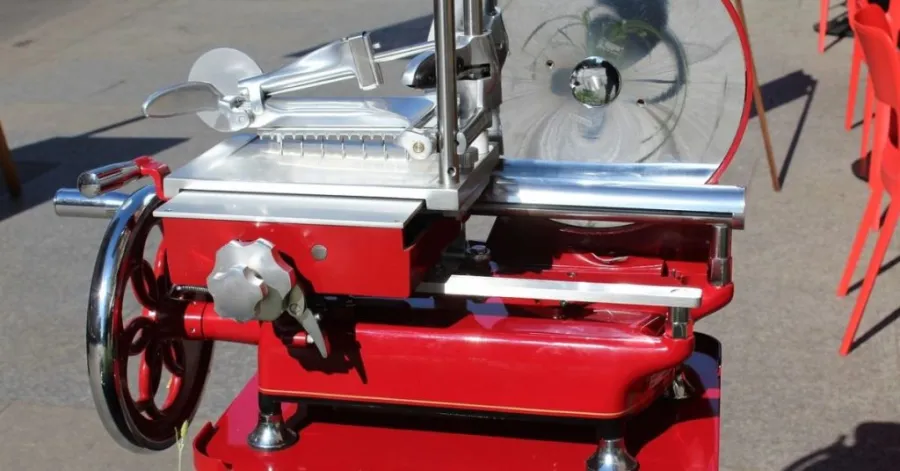
Keeping your meat cutter equipment clean and well-maintained is the key to safe and efficient work. A clean cutter not only prevents accidents but also helps your machine last longer and perform better. When the equipment is ignored, blades can dull, parts can jam, and you risk injuries or slower work. Whether you’re new to using a meat cutter or have years of experience, building good cleaning and maintenance habits makes a big difference. With proper care and attention, your meat cutter will stay sharp, safe, and ready to deliver smooth, precise cuts every time.
- Why Regular Maintenance of Meat Cutter Equipment Matters
- How to Keep Your Meat Cutter Clean and Safe
- How to Inspect Meat Cutter Equipment for Safe Performance
- How to Care for and Lubricate Meat Cutter Blades
- Essential Safety Tips for Using Meat Cutter Equipment
- Common Maintenance Mistakes to Avoid When Using a Meat Cutter
Why Regular Maintenance of Meat Cutter Equipment Matters
Taking care of your meat cutter equipment is essential for safety, efficiency, and long-term use. Regular maintenance keeps blades sharp, motors strong, and your workspace safe. Whether you’re learning what the best meat cutter equipment is for home use or managing industrial meat cutting solutions, maintenance helps everything run smoothly. Let’s explore how regular upkeep makes a big difference in your cutting experience.
How Regular Maintenance Improves Safety When Using Meat Cutters
Maintaining your meat-cutting machines regularly is one of the best ways to ensure safety. Sharp, clean blades reduce the chance of accidents and contamination. Checking for loose parts, broken guards, or dull blades before each use helps prevent injuries. Following safety tips for using meat-cutting machines also ensures that both the operator and the meat remain safe. When you make safety part of your routine, you build confidence and protect everyone who works around the equipment.
Why Maintenance Keeps Meat Cutter Machines Performing at Their Best
Consistent care helps your electric meat cutters deliver top performance every time. Cleaning the blades and moving parts prevents clogging, while oiling reduces friction and noise. A well-maintained motor works faster and lasts longer. For anyone researching how to choose the right meat cutter machine, consider how easy it is to clean and service. Machines that are simple to maintain often perform better and require fewer repairs. Regular maintenance gives you smoother cuts, faster operation, and reliable results with every use.
How Maintenance Extends the Life of Meat Processing Equipment
Regular maintenance will enable your electric meat cutters to give their best performance all the time. Washing down the blades and moving parts will eliminate clogging, whereas oiling will decrease friction and noise. The better the maintenance of a motor, the faster and longer it is bound to last. To anyone who is doing research on the proper way to select the appropriate meat cutter machine, consider how easy it is to wash and maintain. Easy-to-maintain machines are more likely to perform better and require fewer repairs. Frequent care must provide you with easy cuts, quick work, and consistent performance with each use.
How to Keep Your Meat Cutter Clean and Safe
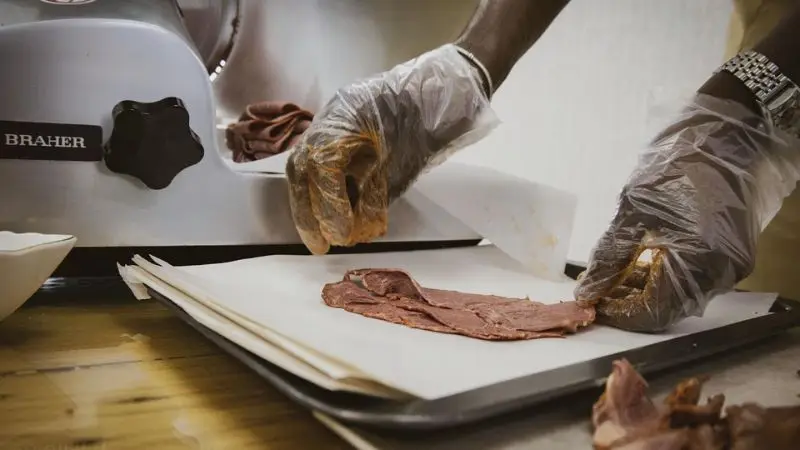
Keeping your meat-cutting machines clean is one of the best ways to protect yourself and your food. Regular cleaning stops germs from spreading, keeps the blades sharp, and helps the motor work better. Whether you’re learning what is the best meat cutter equipment for home use or using large industrial meat cutting solutions, cleaning and sanitation are key to smooth and safe operation. Let’s walk through each step of the process.
Step 1: Get Everything Ready Before You Start
It is always advisable to turn off and unplug the machine before you start cleaning. It should be placed on a hard surface that does not move or slip. Wear gloves to keep your hands off the blades as well as cleaning chemicals. Prepare your materials in advance: warm water, sanitizer, brushes, and clean cloths. It will assist you in cleaning in a safe and timely manner. One of the key safety points about the use of meat-cutting machines is preparation, because it can help reduce accidents and keep your working space organized.
Step 2: Take the Machine Apart Carefully
Carefully take apart your meat cutter machine so you can clean every piece properly. Remove the blades, guards, trays, and any part that touches food. Keep them in order to make reassembly easier later. Always unplug the machine before disassembling it and handle sharp parts gently to avoid cuts. When learning how to choose the right meat cutter machine, pick one that’s easy to take apart and clean — it saves time and ensures better sanitation after every use.
Step 3: Wash Each Part Thoroughly
After disassembling, rinse all the parts right away to stop the meat from drying or sticking. Use warm, soapy water and a soft brush to clean each surface, especially the corners. Avoid using sponges since they can trap bacteria. This step is vital for maintaining good meat-cutting sanitation and keeping your electric meat cutters in great condition. Cleaning right after use keeps your equipment performing well and makes the next cutting session easier and safer.
Step 4: Sanitize for Complete Germ Removal
After cleaning, submerge all ingredients in a food-safe sanitizer. This action performs the elimination of any germs or bacteria that can be contaminating. Always ensure that you read the directions on the label of the sanitizer in terms of dilution and time of soaking. Cleaning is important in the maintenance of equipment used in meat processing plants because it promotes the highest standards of hygiene. Rinse with clean water all parts after soaking to remove any solution remaining and dry.
Step 5: Dry and Put Everything Back Together
Let all cleaned and sanitized parts air dry completely before putting the machine back together. Moisture can cause rust or affect performance, so take your time with this step. Wipe the outer surfaces with a clean, damp cloth and check that everything fits correctly. Regular cleaning and drying not only protect your meat cutter equipment but also help it last longer. Making cleaning a daily habit keeps your workspace fresh, safe, and always ready for the next use.
How to Inspect Meat Cutter Equipment for Safe Performance
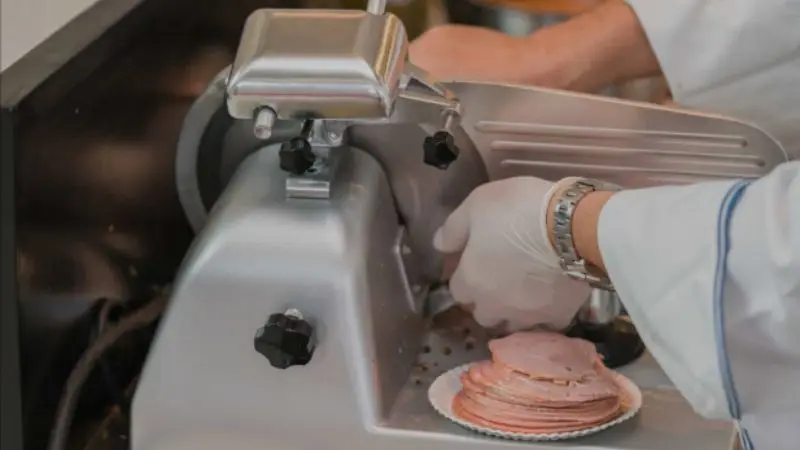
Regular inspection keeps your meat-cutter equipment safe, efficient, and long-lasting. Whether you’re using industrial meat cutting solutions or exploring what is the best meat cutter equipment for home use, checking your machine daily helps you catch small issues before they turn into big problems. Proper inspection supports both safety and performance, making it a key part of every maintenance routine.
Step 1: Do a Quick Daily Inspection Before Use
Always turn on your meat cutter machine by first checking it before turning it on. Check and find out the presence of dirt, food accumulation, or loose attachments. Ensure that guards and safety switches are in proper condition and that the power cord is not damaged. These seem like small steps that will guide you to recognise the possible dangers at hand and ensure that your machine will be available when required.
Daily inspection checklist:
- Check blades of chips or sharp edges.
- Ensure that everything is running smoothly.
- Inspect loose laces or worn laces.
Such a fast routine will help avoid breakdowns and assist with the key safety instructions when using meat-cutting machines.
Step 2: Watch for Signs of Wear and Tear
Every machine experiences wear and tear, but catching it early prevents costly damage. During your inspection, focus on the parts that work the hardest — blades, gears, and belts. If you notice cracks, rust, or loosened screws, take action right away. Keeping up with food machinery maintenance ensures long-term reliability and safer operation.
What to look for during checks:
- Blades: dull edges or small chips
- Belts: signs of fraying or slipping
- Gears: grinding noises or rust
Spotting these problems early keeps your electric meat cutters running smoothly and avoids unexpected downtime.
Step 3: Replace Worn or Damaged Parts Immediately
Do not use your meat processing plant equipment when any of the parts are broken or damaged. Changing worn components immediately helps to avoid accidents and ensure that your machine continues to act as a new one. It is best to always use authentic replacement parts to ensure good results.
Replacement best practices:
- Replace dull or scoured blades.
- Replacement of broken guards, broken screws, or damaged screws.
- Prepare spares so that they can be repaired rapidly.
Learning how to select the proper meat cutter machine also implies selecting one that will readily find available replacement parts. Early replacement enhances safety, performance, and the life of the equipment.
How to Care for and Lubricate Meat Cutter Blades
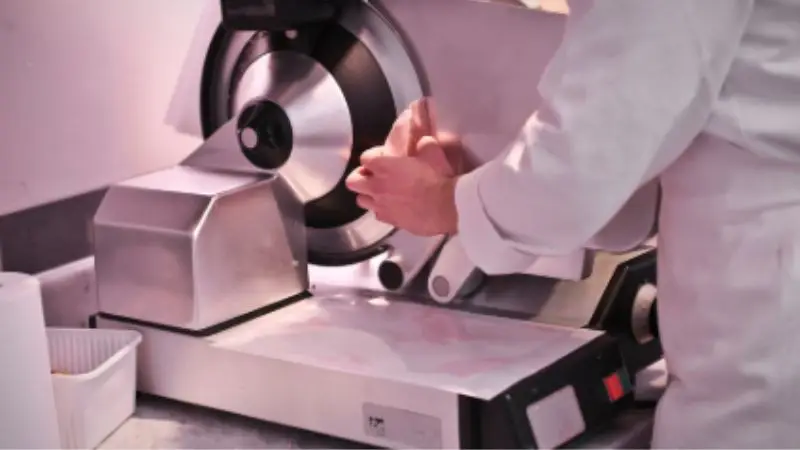
Proper blade care keeps your meat cutter equipment safe, sharp, and efficient. Clean and well-lubricated blades reduce strain on the motor and ensure smooth, precise cuts. Whether you’re managing industrial meat cutting solutions or figuring out what is the best meat cutter equipment for home use, knowing how to handle and maintain the blades is essential. Let’s go through each part of the process step by step.
Step 1: Remove the Blade Safely Before Servicing
Never forget to turn off and unplug your machine and then remove the blade. When dealing with sharp tools, safety has to be put in the first position. Wear cut-resistant gloves so you do not expose your hands, and follow the steps for removal in your user manual. Put the blade onto a clean and flat surface and check whether there are cracks or chips. In case of any damage, note it to be fixed or replaced.
Before removing the blade:
- Switch off and disconnect the machine.
- Wear protective gloves
- Look at the directions by the manufacturer.
- Store screws and minor objects on a tray.
Among the best safety tips that can be identified for using meat-cutting machines is safe removal.
Step 2: Sharpen the Blade for Clean and Accurate Cuts
Sharp blades ensure clean cuts and faster results. Use a sharpening stone or a dedicated sharpening tool that matches your machine. Move the blade slowly and evenly for a smooth edge. Check for rough or dull spots and repeat the process if needed. Always clean the blade before sharpening and test the edge afterward.
Sharpening routine:
- Clean the blade first
- Sharpen both sides evenly
- Check smoothness after sharpening
Keeping your electric meat cutters sharp improves performance and prevents damage. Regular sharpening is key when learning how to choose the right meat cutter machine that stays effective with simple upkeep.
Step 3: Lubricate Moving Parts for Smooth Operation
To maintain the running of your meat processing plant equipment, lubrication is a must. Coat moving components(gears, bearings, sliders, etc.) with a small portion of the food-safe oil. Varnish the surface with a towel to prevent oil accumulation, which will draw debris. When you can hear a squeak or resistance, then you need to lubricate it.
Lubrication schedule:
- Apply food-safe oil every month or as required.
- Concentrate on gears, bearings, and moving components.
- Apply and wipe off excess oil.
Adequate lubrication lowers friction and abrasion, and offers the co-benefits of electric meat cutters in enhancing efficiency. Another way to keep your machine in good condition so that it can be used over a long period is through regular practice of blade care and lubrication.
Essential Safety Tips for Using Meat Cutter Equipment
Safety should always come first when working with your meat-cutter equipment. A few careful steps can prevent accidents and keep your workspace secure. Whether you’re using industrial meat cutting solutions or exploring what is the best meat cutter equipment for home use, setting up and operating safely helps protect both you and your machine. Follow these key safety practices to make every cutting session worry-free.
Step 1: Set Up the Machine Correctly Before Use
Any time you want to use your meat cutter machine, you should always use a level, flat table that is sturdy. Inspect the power cord for cracks; it should be undamaged, and maintain a clean work area. Ensure that all the guards and covers are fitting and then turn on the machine. These minor steps establish a safer working environment as well as minimize the risk of injuries.
Safe setup checklist:
- Position the machine on a firm surface.
- Check the power cord and examine it.
- Decontaminate the space around the machine.
- Close guards and covers appropriately.
One of the safest tips for using meat-cutting machines is proper installation, which can prevent such accidents when using the device.
Step 2: Wear Proper Protective Gear Before Operating
Wearing the right protective gear makes a big difference in preventing injuries. Always put on cut-resistant gloves before handling blades or sharp parts. Wear a clean apron to protect your clothing, and safety glasses to shield your eyes from small meat pieces. Taking a few moments to gear up adds an extra layer of protection and keeps you safe while you work.
Recommended protective gear:
- Cut-resistant gloves – protect your hands
- Apron – keep clothes clean
- Safety glasses – protect your eyes
Proper gear is essential for anyone learning how to choose the right meat cutter machine and operate it safely.
Step 3: Test and Understand Your Safety Features
Test out all safety features before activating your equipment. Ensure that the emergency stop and safety switches are in good operation. Serious accidents can be avoided by knowing how to make your machine turn off quickly in case of an emergency.
Quick safety checks:
- Test safety switches are operating.
- Train to switch off the machine quickly.
These minor measures will assist you in using your electric meat cutters safely and with confidence. Learning how to use the controls and safety features is one of the most efficient means of maintaining safety when handling the meat processing plant equipment.
Common Maintenance Mistakes to Avoid When Using a Meat Cutter
Even the best meat-cutter equipment can wear down quickly if not handled properly. Small mistakes during cleaning or maintenance can lead to damage, safety risks, or poor performance. Whether you’re using industrial meat cutting solutions or exploring what is the best meat cutter equipment for home use, avoiding these common errors will help your machine last longer and work more efficiently.
Mistake 1: Ignoring Early Warning Signs
Hearing, feeling, or smelling strange things are obvious indications that something has gone wrong. Such indications are usually an indication of loose components or mechanical failure concealed. In case of any strange noise or odor, get out of the machine as quickly as possible and look around. Early actions will avoid unnecessarily expensive failures and ensure your safety.
Watch out for:
- Abnormal rattling or vibration.
- Burning or metallic smells
- Speed or noise level change.
One of the best safety tips for using meat-cutting machines is to pay attention to these alerts.
Mistake 2: Using Abrasive Cleaning Materials
It might seem like rough pads clean faster, but they can harm your machine. Using steel wool or abrasive cleaners scratches surfaces and dulls the blades. Dull blades slow down your work and increase the risk of contamination. Always use soft brushes or microfiber cloths for cleaning, as recommended in maintenance guidelines.
Best cleaning materials:
- Soft brush or microfiber cloth
- Steel wool or harsh pads
- Sponges that hold bacteria
Choosing gentle cleaning tools protects your electric meat cutters and keeps your workspace sanitary.
Mistake 3: Skipping Lubrication or Using the Wrong Oil
Lubrication will ensure your meat processing plant equipment operates effectively due to less friction and wear. Failure to do this or use non-approved lubricants may break down the internal parts or spoil food surfaces. It is always best to use the type and amount of lubricant as instructed by the manufacturer.
Lubrication reminders:
- Water-only food-safe lubricants should be used.
- Apply a little oil to moving parts.
- Do not over-lube or use the wrong type.
Electric meat cutters have several advantages that are enhanced with proper lubrication, which ensures that they remain powerful and efficient over a long period of time.
Mistake 4: Rushing Through the Sanitization Process
Washing your equipment may leave germs and residue on it and make it contaminated. Sanitize all parts thoroughly. Proper cleaning not only provides hygiene but also destroys the remaining debris.
For complete sanitization:
- Cleanse the removables thoroughly.
- Add to the approved sanitizer to cover.
- Allow everything to dry, and then put it back.
A machine that is thoroughly cleaned and sanitized works better for a long time. Sanitization takes time, which is essential in keeping the best meat-cutter equipment safe and in top quality.
Wrap Up
Regular care and attention keep your meat cutter equipment safe, clean, and long-lasting. From daily inspections to proper blade care, each step helps your machine work better and stay reliable. Whether you’re using industrial meat cutting solutions or looking for the best meat cutter equipment for home use, never skip cleaning, lubrication, or safety checks. These small habits prevent breakdowns, protect your food, and make your work smoother every day. When you maintain your machine properly, you enjoy the full benefits of electric meat cutters and keep your workspace efficient, safe, and ready for perfect cutting results.
FAQ
How frequently do you wash meat-cutter equipment?
Wipe the meat cutter equipment after each use. This ensures the safekeeping of the meat for all. It also assists in food safety. Always use the appropriate sanitation measures. Wash the interior and exterior parts every time.
What are the most effective preventative maintenance procedures for meat-cutter equipment?
Never use the machinery without checking it before use. Replace worn-out parts immediately. Preventive maintenance preventive measures such as applying oil to blades and frequent checking, should be done. These measures prevent machine diversity. They even enable your meat cutter to live longer.
Why should sanitation matter to meat-cutter equipment and machinery?
Washing prevents the propagation of germs on meat and machines. Sanitization and Good sanitation contribute to food safety. Always take the correct actions in cleaning and sanitizing all machinery.