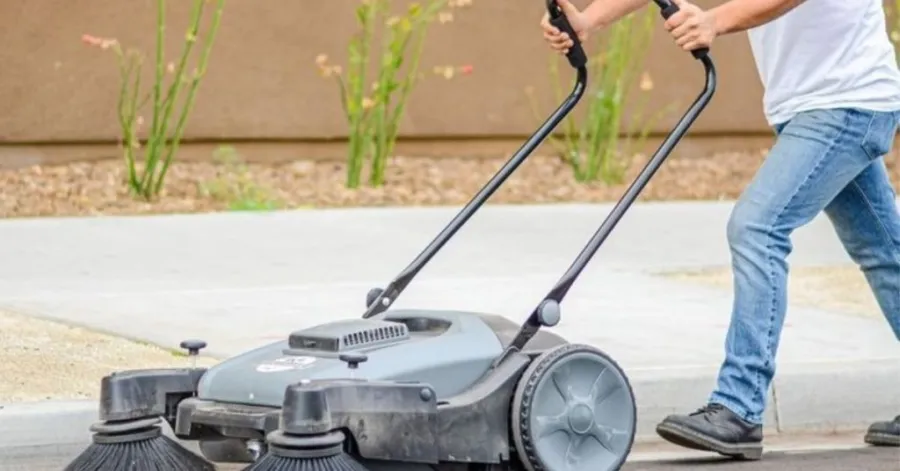
To ensure your manual floor sweeper works well, start by reading the operator manual. You will learn about safety rules and how to use them. Using it correctly and taking care of it often helps your sweeper last longer. Don’t worry—keeping it working well is easy once you know what to do.
Manual Floor Sweeper Basics
What Is a Manual Floor Sweeper
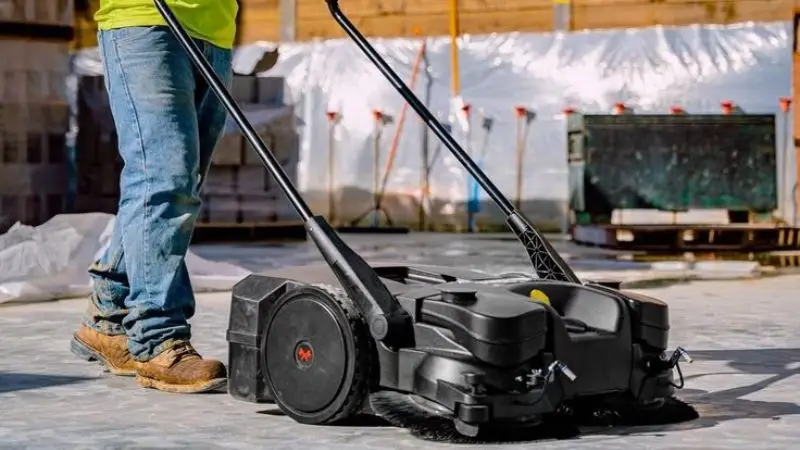
You might wonder what a manual floor sweeper does. This tool helps you clean floors without electricity or batteries. You push the manual floor sweeper across the surface, and the brushes inside pick up dust, crumbs, and small debris. The floor sweeper collects everything in a dirt bin so that you can empty it later. You don’t need cords or charging stations. You just grab your manual floor sweeper and start cleaning.
Key Benefits
A manual floor sweeper gives you many advantages. You will find it easy to use because you only need to push it. You don’t have to worry about noise or power. The works quietly, so you can clean at any time. You also help the environment by avoiding electricity and batteries. Here are some reasons why people like using a floor sweeper:
- Simple to operate
- No cords or batteries
- Quiet cleaning
- Works on many floor types
- Saves energy and money
You can use your manual floor sweeper on tile, wood, or even low-pile carpet. The floor sweeper is light and easy to carry. You can store it in a closet or a corner. If you want a tool that makes cleaning fast and easy, a manual floor sweeper is a wise choice.
Using a Manual Push Sweeper
Floor Sweeper Preparation
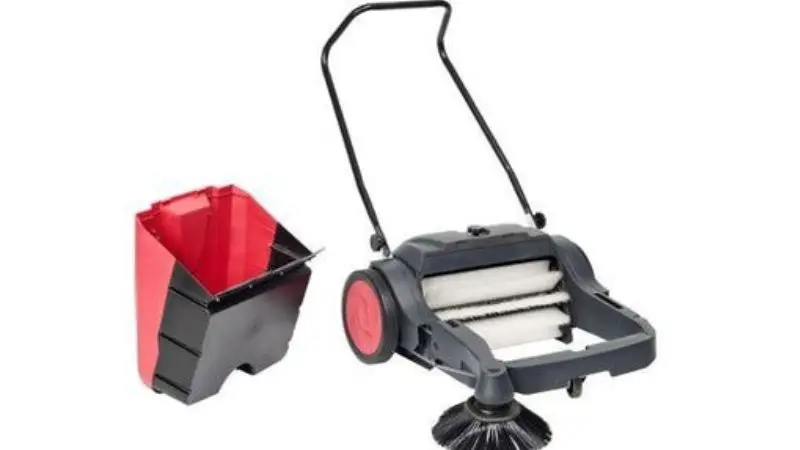
How to use a manual floor sweeper? Getting ready to use your manual push sweeper is easy. First, grab your floor sweeper and check the operator manual. You will find essential details about safe operation and how to set up your manual push sweeper. Look at the brushes and make sure they move freely. If you see any dirt or tangled hair, remove it before you start.
Next, check the dirt bin tabs. Make sure they are secure. If the bin is full, empty it so your manual push sweeper can pick up more debris. Adjust the handle to a comfortable height. You want to stand straight while you clean. If your manual push sweeper has side brushes, lower them so they touch the floor. This helps with practical use.
Sweeping Techniques
You want your floor sweeper to pick up as much dirt as possible. Push your manual push sweeper in straight lines across the room. Overlap each pass a little so you don’t miss any spots. If you see crumbs or dust in corners, use the side brushes to reach them.
Don’t rush. Move your manual push sweeper at a steady pace. If you go too fast, the brushes might skip debris. For practical use, empty the dirt bin often. A full bin can block the brushes and reduce cleaning power. Avoid using your manual push sweeper on wet or sticky floors. Moisture can clog the brushes, making maintenance harder. Here’s a quick checklist for better operation:
- Lower side brushes before you start.
- Sweep in straight, overlapping lines.
- Empty the dirt bin when it gets full.
- Avoid moist or sticky areas.
Adapting to Floor Types
Suppose you want a manual floor sweeper for hardwood floors. You can use it on tile, wood, laminate, or low-pile carpet. For hard floors, keep the brushes lowered. This helps your floor sweeper grab fine dust and crumbs. On the rug, push your manual push sweeper slowly. The brushes need time to lift dirt from the fibers.
If you switch between floor types, check the brushes often. Some debris can get stuck, affecting the operation. For tile and wood, make sure the floor is dry. Wet floors can cause the manual push sweeper to leave streaks or miss debris. Here’s a table to help you choose the best settings for each floor:
| Floor Type | Brush Position | Sweeping Speed | Special Tips |
| Tile | Lowered | Medium | Keep the floor dry |
| Wood | Lowered | Medium | Watch for splinters |
| Laminate | Lowered | Medium | Avoid wet spots |
| Low-pile Carpet | Lowered | Slow | Go over each area twice |
Manual Sweeper Maintenance
Cleaning Brushes
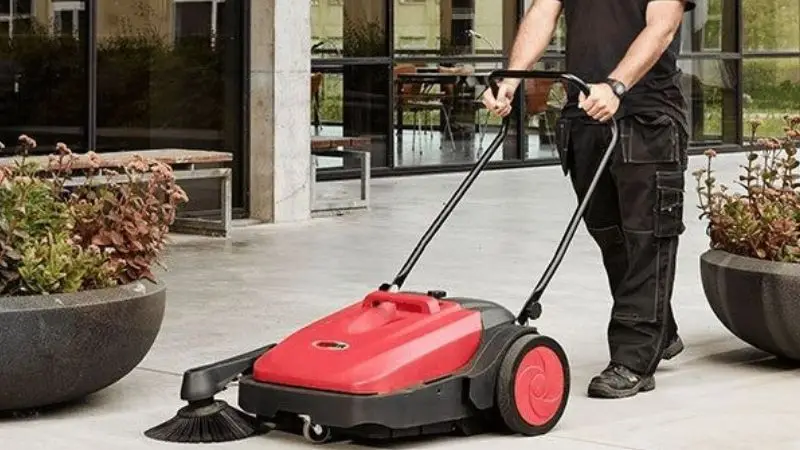
You want your floor sweeper machine to work well every time you use it. Regular maintenance starts with cleaning the brushes. Dirt, hair, and dust can get stuck in the bristles. If you leave debris in the brushes, your floor sweeper loses effectiveness. You should clean the brushes after every use. Here’s how you can clean the brushes:
- Turn off your floor sweeper machine and check for safety.
- Remove the brushes from the floor sweeper.
- Use your hands or a small comb to remove tangles and dust.
- Wipe the brushes with a damp cloth if needed.
- Let the brushes dry before you put them back.
If you clean the brushes regularly, you help your floor sweeper pick up more dirt. You also make sure the floor sweeper machine lasts longer.
Checking Parts
You need to check the parts of your floor sweeper machine regularly. Regular maintenance helps you spot problems early. Look at the wheels, handle, and dirt bin tabs. If you see cracks or loose screws, fix them right away. This keeps your floor sweeper safe to use. Here’s a checklist for checking parts:
- Inspect the wheels for smooth movement.
- Check the handle for tightness.
- Make sure the dirt bin tabs are secure.
- Look at the brushes for wear or damage.
- Test the side brushes for proper rotation.
If you find any broken parts, replace them before using the floor sweeper machine again. This keeps you safe and helps your floor sweeper work better.
Storage Tips
Properly storing your floor sweeper helps it last longer. You should keep it in a dry place. Moisture can damage the brushes and other parts. Stand the floor sweeper upright so the brushes do not bend. If you have a closet or storage room, that works well. Here are some storage tips:
- Store your floor sweeper machine indoors.
- Keep it away from wet areas.
- Stand it upright to protect the brushes.
- Make sure the dirt bin is empty before storing.
- Clean the debris hopper before you put it away.
If you follow these tips, you will help your floor sweeper stay in good shape. You also make regular maintenance easier.
Troubleshooting
Sometimes your floor sweeper machine does not pick up dirt well. You might notice poor effectiveness or jammed brushes. You can fix most problems with the best manual floor sweeper for home with a few simple steps. Here’s a troubleshooting guide:
| Problem | Possible Cause | Solution |
| Poor debris pickup | Full dirt bin | Clean the debris hopper |
| Jammed brushes | Hair or string tangled | Clean the brushes |
| Hard to push | Wheels blocked | Remove debris from wheels |
| Brushes not spinning | Worn or broken brushes | Replace brushes |
| The handle feels loose | Loose screws | Tighten screws |
You can solve most problems with regular maintenance. Clean the debris hopper, clean the brushes, and check all parts. This keeps your floor sweeper machine working well and safely.
To Sum Up
You can keep your manual floor sweeper working great by following these steps:
- Read the operator manual
- Check and clean brushes
- Store it in a dry place
- Fix problems quickly
Remember, regular care makes cleaning easier. You’ll enjoy cleaner floors and a sweeper that lasts longer. Give it a try!
FAQ
How do you use a manual floor sweeper for patio cleaning?
You just push your sweeper across the patio. The brushes pick up dirt and leaves. Patio cleaning feels easy when you sweep in straight lines and empty the bin often.
Can you clean patio tiles with a manual sweeper?
Yes, you can clean patio tiles with your manual sweeper. Make sure the patio is dry. Push slowly so the brushes grab all the dust and crumbs from your clean patio.
What should you do if your patio sweeper misses debris?
Check the brushes for stuck dirt or hair. Clean the brushes, then try again. For a clean patio, sweep twice and empty the bin after each pass.