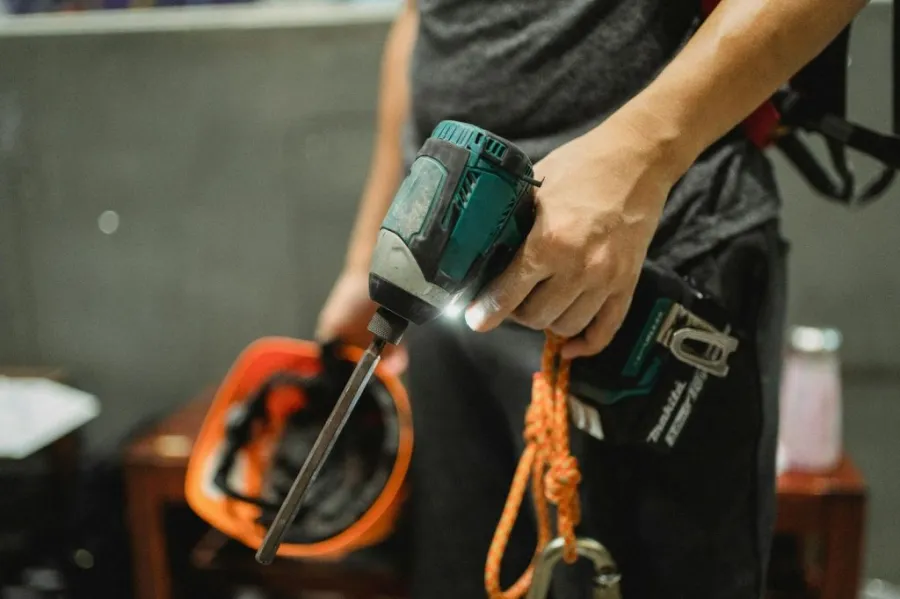
Magnetic drills are essential tools for metalworkers, construction professionals, and workshop professionals. Due to their adhesive magnetic power, they offer precise drilling over ferrous materials. Like any other heavy-duty tool, mag drills also need proper maintenance for proper functioning.
Proper magnetic drill maintenance increases the lifespan of the machine and also reduces downtime. In this guide, you will learn essential care tips, a magnetic drill maintenance checklist, and the right methods to keep your drill in optimal condition.
What Is a Magnetic Drill
A magnetic drill is a portable drill machine with an electromagnet or permanent magnetic base. The base sticks to ferrous surfaces firmly and allows the drill to stay stable and cut accurately in even challenging orientations.
They are commonly used for:
- Structural steel work
- Metal fabrication
- Outdoor construction
- Bridge construction
- Heavy industrial construction
- Precise core drilling
They can be fitted with annular cutters, step bits, twist bits, and countersink tools, depending on the type of work.
Why Magnetic Drill Maintenance Matters
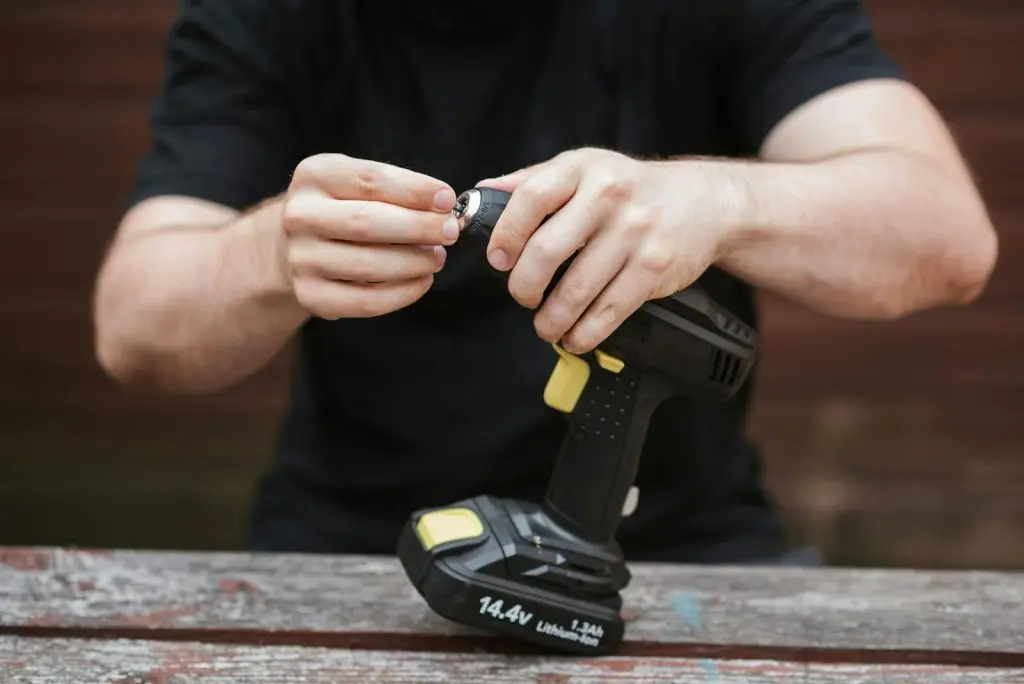
Routine maintenance is not only about keeping the tool clean, but it is also a key part of safe and reliable operation. A well-maintained magnetic drill is one that:
- Provides smoother drilling with minimal effort
- Prevents overheating and premature wear
- Reduces breakdowns
- Keeps the magnet strong and reliable
- Ensures a safe work environment and magnetic drill safe work procedure guidelines
Neglecting magnetic drill maintenance can lead to poor magnetic adhesion, expensive repairs, electrical hazards, or tool failure while working.
Lubrication and Moving-Part Care
One of the crucial steps in a mag drill maintenance is lubrication. Its moving components, gear, and spindle require constant lubrication for smooth running. You have to lubricate these things:
- Gear housing: Apply a good-quality lubricant recommended by the manufacturer to minimize friction and protect the gearing.
- Arbor and spindle: Lubricate them lightly to reduce wear when the drill rotates at speed.
- Feed handles and slide: Grease the rail and sliding mechanism for smooth feed control.
- Annular cutter: Apply cutting oil when drilling to prevent overheating. It also extends the life of your drill.
What happens if you don’t do proper lubrication? Your machine’s components may grind, jam, or overheat. This increases your magnetic drill maintenance cost as worn gears and bearings are too costly to replace. A well-lubricated drill saves cost and time in the long run.
After-Use Cleaning and Debris Removal
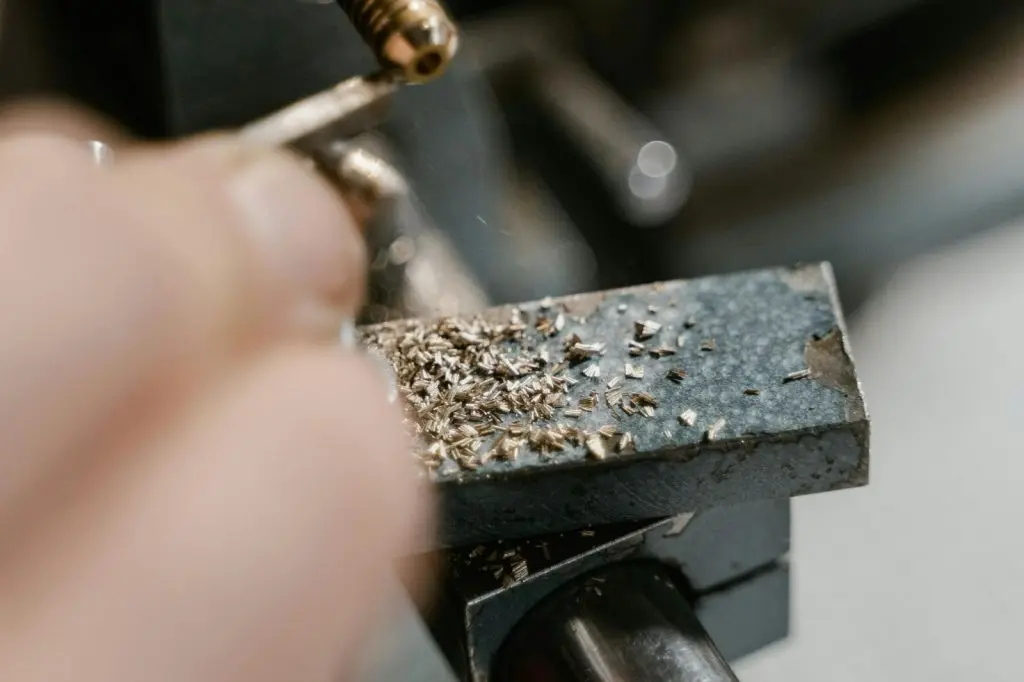
After every use, it is necessary to clean your magnetic drill to keep it for the long run. Metalworking produces dirt, dust, and chips that can clog ventilation parts, damage gears, and interfere with the magnet.
Removing Metal Shavings and Dust
Metal filings can stick to the magnet in vents and moving parts. Follow these steps:
- With the help of a brush or compressed air, remove the metal chips from the magnet.
- Don’t blow air directly into the motor. Blow across the vent
- Clean the annular cutter and chuck thoroughly after using.
- Wipe the drill with a clean cloth after every use.
Metal chips, if left inside the drill, can cause long-term damage to it or pose safety hazards.
Cleaning the Drill Base
For proper magnetic drill maintenance, it is necessary to keep the magnetic base clean before every use because a magnetic base with dust and debris can’t hold the ferrous materials firmly. Steps to follow:
- Wipe the base surface with a damp and clean cloth.
- Remove rust with the help of mild abrasive pads.
- Make sure no metal shavings stick to the magnetic surface.
- Dry the surface completely before storing.
Remember, a clean surface will give you a firm magnetic grip which is important for magnetic drilling.
Checking Electricals, Cords & Safety Features
Electrical coherence plays a vital role in safe drill operations. Check the following parts for regularity:
- Power cords: Check for cuts or exposed parts.
- Plug and terminals: Make sure the contact is secure and doesn’t overheat.
- Switches and controls: Check the on/off switches, magnetic switch, and speed controls.
- Magnet indicator light: Verify it shows off accurate power status.
- Safety clutch: Make sure it engages properly.
If you find any irregularities, you need magnetic drill machine repair from a qualified mechanic to avoid failure or electrical shock.
Inspecting Key Components for Wear and Damage
Wear and tear are normal if you regularly use your drill machine. Routine magnetic dill maintenance helps you save pennies for the future and also protects the drill from small problems.
Checking Drill Bits and Chuck
- Check for the edges if they are dull, cracked, or have broken teeth.
- Replace dull cutters as they strain the motor.
- Check if the chuck is misaligned or wobbly.
- Clean the inside of the arbor to prevent slippage.
A damaged or worn cutter produces poor quality holes and increases workpiece damage risks.
Inspecting the Magnet
The magnet must perform firm adhesion. Check for the following things:
- Cracks on the surface
- Rust build-up
- Less holding power
- Unusual wobbling during drilling.
If the magnet seems weak, check if the surface you are working on is clean and the power supply is continuous. Also, check if the base is not damaged. If the problem persists, professional magnetic drill repair is required to regain the magnetic strength.
How Often to Perform Maintenance
The frequency of maintenance depends on the use of the drill, how often you use it.
We recommend the following schedule:
- Before each use: Do a visual inspection, check the magnet and cord.
- After each use: Clean the drill, lubricate, and remove metal debris.
- Weekly: check carbon brushes, magnet conditions, and moving parts.
- Monthly: A detailed inspection using your magnetic drill machine checklist, like gears, bearings, and wiring.
Making a checklist in your routine ensures every part of the drill is well-maintained and stays in top condition.
Proper Storage When Drill Is Not in Use
Poor storage can cause rust, electrical corrosion, and magnetic deterioration.
Here are some handy tips for storing your drill machine safely:
- Store in a clean, dry, and less humid area.
- Keep the drill inside its storage box to avoid dust particles.
- Apply rust-prevention spray to avoid rusting in exposed areas.
- Make sure the wire is coiled loosely so it doesn’t break or bend.
- Ensure the magnet is turned off before storing.
Proper storage saves a lot of money for future repair work and also increases the lifespan of your magnetic drill.
FAQs
How often should I clean and lubricate my magnetic drill?
Clean the drill after every use if you want to keep it safe for a longer time. If you use the drill machine frequently, lubricate the moving parts such as the spindle, feed rails, and gear housing weekly. Lubricate the annular cutters after every time you use the drill.
This habit keeps the drill performance optimal and saves a huge amount of expenses.
When should I replace carbon brushes or worn parts?
Carbon brushes should be checked every 2-3 months or after 100-200 hours of usage. They need replacement when:
- The brush length is shortened
- There is excessive sparking
- The drill power or speed is not efficient
Worn annular cutters should be immediately removed to avoid damaging the motor.
Why is my magnetic base losing holding power?
Magnetic adhesion can be decreased due to these causes:
- Rust, dirt, or metal chips stuck in between the magnet base
- Drilling on an uneven, thin, or dirty metal surface.
- Inadequate power supply
- A partially worn magnetic coil
You should clean the metal surface thoroughly, and the surface should be flat.
Can I perform maintenance myself or need a professional?
Yes, you can do the basic maintenance, like cleaning, lubrication, and basic inspections. However, electrical repair, motor repairing, and complex magnetic issues can be resolved by an expert technician. Follow the proper magnetic drill maintenance procedure and refer to the manufacturer’s manual.
Conclusion
Magnetic drills are sturdy magnetic tools for routine metalworking if you are a professional or a DIY enthusiast, but their longevity depends on the maintenance and care of the user. By following a regular magnetic drill maintenance routine, you can reduce breakdowns.
Using a detailed maintenance plan, including cleaning, lubricating, inspection, and proper storage, you can extend the lifespan of the drill machine for decades. Whether working in construction, fabrication, or DIY, proper maintenance gives your tool extraordinary performance.
Let your mag drill work hard as you do by giving it the maintenance it deserves!