One of the most effective methods for preserving food and minimizing waste in your kitchen is vacuum sealing. After finding the need to shop in large quantities, cook ahead, or simply preserve fresh produce, knowing how to use a machine to vacuum pack food can make it easier and more efficient to store food. Modern vacuum sealers eliminate air from storage bags to help preserve food against freezer burn and spoilage. Whether it’s choosing the most appropriate vacuum sealer for packing food at home or the correct way to seal food, this guide has it all, and you can use it to ensure that various types of food are stored safely and in the most optimal way to preserve freshness.
Things You Need Before You Start
It is necessary to assemble all the items before using a vacuum sealer. The sealing process is quicker when everything is prepared and will help you achieve superior storage results.
Be it your first time using a machine to vacuum pack food or you are using a machine to seal food on a regular basis, proper preparation prolongs the storage of food. Problems can also be prevented with the aid of the right tools, and food wastage can be minimized.
Vacuum Sealer Machine
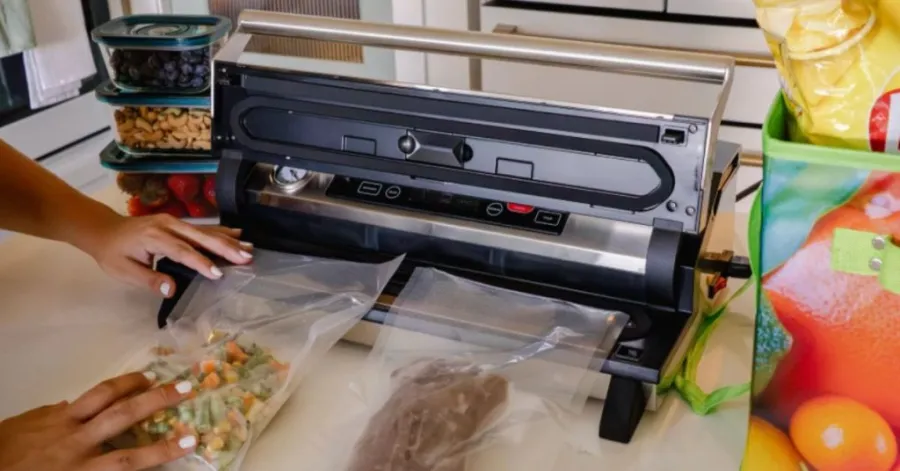
The most essential thing to have is a vacuum sealer machine. These models are numerous and can range from simple sealers to an automatic machine for vacuum sealing food at home. Select a machine according to your everyday requirements and kitchen size. In case you have limited counter space, a small vacuum packing gadget in the kitchen may be a viable choice. The most preferred machine by many homeowners for vacuum packing food at home is the one that is easy to operate and seals the food well. A good machine may also be invested in to enhance food preservation and convenience in making meals. An effective sealer can also be used to preserve food for weeks or even months.
@tada.greenhouse VEVOR Vacuum sealer 95 Kia powerful dual pump dual sealer moist or dry food storage #tiktokshoprestock #falldecor #vaccumsealer #foodstorage #savemoney
♬ original sound - TaDa Greenhouse
Vacuum Sealer Bags or Rolls
Bags or rolls of vacuum sealer are designed to be used with sealing machines. Ordinary plastic bags are not able to produce the airtight seal that is required in long-term storage. Bags are available in various sizes, enabling you to store small snacks and large pieces of meat. Rolls are also convenient since you can cut them to the length that you require. High-quality bags, combined with the most appropriate vacuum sealer, will help preserve food freshness and prevent freezer burn. Ensure that the bags fit your model of vacuum sealer to achieve optimal sealing.
Clean and Dry Food Items
Always clean and dry food before sealing. Unnecessary moisture may cause problems with the sealing process and decrease storage life. Always clean fruits and vegetables well and dry them thoroughly using a clean towel, and put them in the bag. Seafood and meat should also be dried with a towel to eliminate excess liquid. Knowing how to operate a machine to vacuum pack food involves preparing food properly and afterward sealing it. Dry food products form tight closures, limit chances of leakages, and preserve flavor, texture, and quality throughout storage.
Scissors and Labels for Storage
Scissors and labels are simple yet useful items in the process of vacuum sealing. Scissors can be used to cut vacuum rolls to the required size to reduce waste and to ensure a perfect fit for every food item. Labels are also significant since you can write the name and date on which you store the food on the label on every package. Labeling assists you in organizing your freezer or pantry and will make sure that the older products are consumed first. This is a very basic routine that will simplify food management, avoid unnecessary waste, and ensure that your stored foods are well organized.
Step-by-Step Guide: How to Use a Machine to Vacuum Pack Food
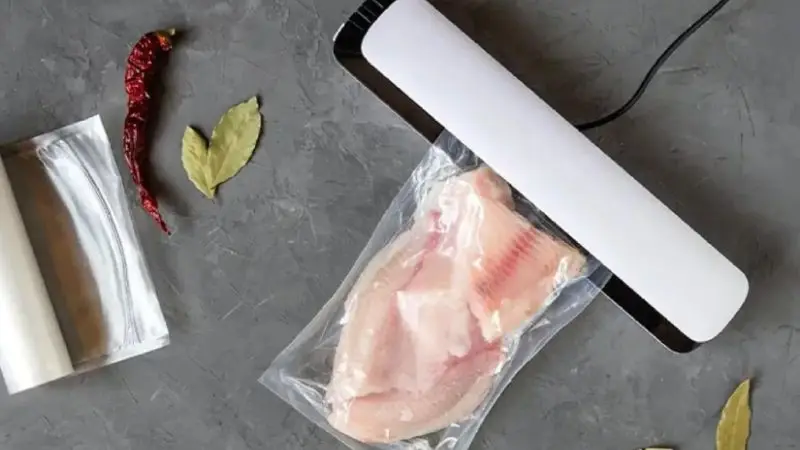
When you know how to use a machine to vacuum-pack food, it is not very difficult. Proper sealing will ensure better preservation, minimize food waste, and increase the shelf life of most foodstuffs.
Regardless of whether you have a simple sealer or a home-use automatic food vacuum sealing machine, these tips will assist you in getting good and consistent seals each time.
Step 1 – Prepare the Food Properly
The initial one is to cook the food and then cover it. Wash fruits and vegetables to get rid of dirt and impurities. Wash and dry thoroughly with a clean towel or paper towel. The moisture may compromise the seal and compromise food quality over time. In the case of meat, poultry, or seafood, it is best to pat the surface dry to remove any excess liquid. It is important to properly prepare, as it provides better sealing performance and preservation of the taste and texture of food. Spending some minutes at this point is likely to enhance the overall storage performance and ensure your food is preserved longer.
Step 2 – Choose the Correct Vacuum Bag Size
The vacuum sealing of the bags mainly depends on the choice of the bag size. It must be a large bag that will accommodate the food without causing it to be squeezed and break. Never fill the bag to the brim, but leave at least three or four inches of unoccupied space at the top of the bag to form a safe seal. In case the bag is too small, the machine might not take the air out effectively. A large number of home users of the best machine to vacuum pack food at home use adjustable rolls, as they can use different-sized bags to fit various food portions. The right size of bag reduces wastage and enhances storage.
Step 3 – Place the Food Inside the Bag
Once you have selected the bag, carefully place the food inside. Evenly distribute the items to lie flat and enable the vacuum process to remove air effectively. One should avoid piling food in an uneven manner because it can form weak areas in the seal. The bag should also not be overfilled since the extra food may tamper with the proper closing. Allow adequate space around the opening to allow the sealing strip to function. A good arrangement will not only enhance the quality of the sealings, but it will also help you save space in your refrigerator or freezer.
Step 4 – Position the Bag in the Vacuum Sealer
Once it is filled, insert the open end of the bag into the vacuum sealer as per the instructions of the manufacturer. It must be flat and be placed properly within the sealing channel. Folds, wrinkles, and inappropriate placement of bag edges may result in air leakages and poor sealing outcomes. When you are applying a small-sized vacuum packing machine to the kitchen areas, ensure that the bag is in the right position before closing the lid. When properly placed, the machine is able to eliminate air effectively and form a strong and airtight seal that shelters food during storage.
Step 5 – Start the Vacuum and Sealing Process
Lock and close the machine lid, then begin the vacuum process. Depending on the food you are sealing, choose the correct setting. A number of contemporary sealers provide options of dry food, moist food,d or fragile items. Upon activation, this machine will automatically de-air and close the bag. This process is particularly convenient with the help of an automatic vacuum sealing machine used in the home, since most of the functions may be performed by pressing a button. To achieve optimal sealing, be sure to leave the machine running throughout the cycle.
Step 6 – Check the Seal Quality
After the process of sealing is over, examine the sealed part. The seal must be straight, smooth,, and wholly covered without any slits or folds. Squeeze the bag to ensure there is no leakage of air in the bag. In case of loose spots or air traps, reseal the bag and put it back. Although a good vacuum sealer machine is used for storing food, it is worth checking whether the seals are good. An airtight seal is beneficial as it keeps food fresh, freezes it without freezer burns, and keeps food quality longer.
Step 7 – Label and Store the Food
The last thing that you should do is to label and store your vacuum-sealed food. Label the food name and date of packaging on the individual bags and then store the bags. Labeling can enable you to recognize the items easily, and the old food can be consumed first. Refrigerate refrigerated food and freeze long-term foods. A planned storage can simplify meal planning and decrease food waste. With these few tips, your vacuum-packing food machine can be your key to maintaining order in your kitchen and preserving your food.
How to Maximize Freshness When Vacuum Packing Food
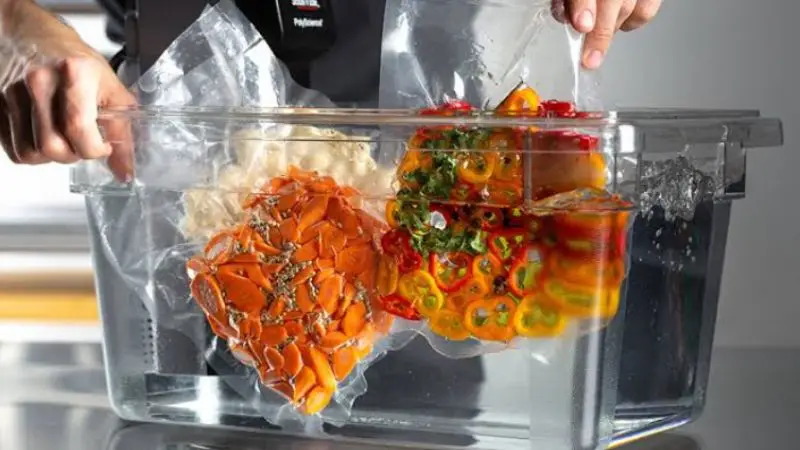
Vacuum sealing may greatly enhance the shelf life of food, but it is also important to use the appropriate techniques. Minor errors in the sealing process may decrease the freshness and influence the quality of food over time.
Knowing how to use a machine to vacuum pack food in the occasional or daily routine, proper practices in storing your food will contribute to the best outcomes and allow your food to last longer.
Freeze Soft Foods Before Sealing
Delicate foods like berries, peaches, and baked goods may lose their shape due to high vacuum pressure. In order to avoid crushing, these foods should be placed in the freezer for a few hours and then sealed. When they start to get a little hard, put them in vacuum bags and close them in a normal manner. This technique is used to maintain the look and feel of fragile foods. This method of storing fruits and desserts is a success for many people who use the best machine available to them to vacuum-pack food at home. Pre-freezing also enables the vacuum sealer to remove air in a more effective way without destroying the food.
Avoid Sealing Hot Foods
Vacuum sealing should only be done after the hot food has cooled. Directly putting warm or hot food in a vacuum bag may form steam within the bag. The abundance of moisture can loosen the seal and promote the growth of bacteria during storage. Cooked meals, soups, and leftovers should be cooled to room temperature and then packaged. This is mainly necessary in the process of learning how to use a machine to pack food properly. Refining food not only enhances the quality of seals but also the preservation of flavor, texture, and general food safety during the storage process.
Use the Correct Settings for Dry and Moist Foods
The majority of vacuum sealers nowadays contain options for dry and moist foods. A properly selected setting will make sure that the machine works effectively to remove air and provides a safe seal. Dry foods like nuts, grains, and crackers are typically standard setting food,s whereas meats, marinated foods, and fresh produce would be moisture settings. In case you have a home vacuum sealing machine of an automatic type, make use of these built-in features to achieve better outcomes. The right setting will avoid liquid going into the sealing area and will provide stronger, longer-lasting airtight seals.
Double Seal Liquids and Juicy Foods
Foods, including liquids or natural juice,s might need extra preservation during storage. The additional security measure of a double seal will help prevent leakages. Once the first seal is done, seal it again a little higher on top of the first seal. This can be applied to soups, marinated meat, and juicy fruits. Although the optimal vacuum sealer machine can be used when storing food, it may be more reassuring to use a second seal. More powerful seals are used to ensure freshness, eliminate spills, and keep your freezer or refrigerator tidy.
Store Vacuum-Sealed Food at the Proper Temperature
Equally important with proper sealing are proper storage conditions. It is advisable that the vacuum-sealed foods are kept at the appropriate temperature for the type of food. Keep perishable goods in refrigeration until they are to be used, and preserve foods that are to be stored in the refrigerator. Pantry goods must be stored in a cool, dry environment, not in direct sunlight. A small vacuum packing machine that can be used in the kitchen should be used to enable the preparation of food easily, and proper storage should be done to ensure that the food is fresh. The correct temperature of food preserves its taste, texture, and nutritional value over a longer period.
Which Foods Can Be Vacuum Packed?
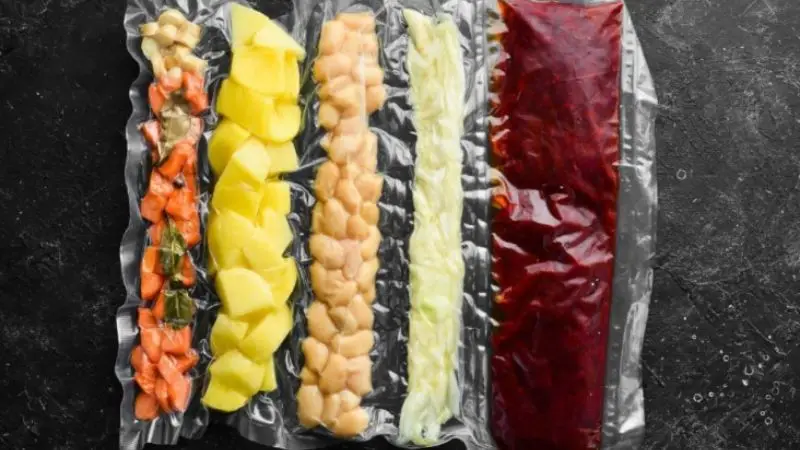
Vacuum sealing is an easy method of preserving most forms of food and minimizing food waste in the kitchen. It removes air from storage bags and keeps food fresh longer than traditional storage practices.
Whether you are using a vacuum sealer to vacuum-pack food to prepare a meal or to store it for a long period, understanding which foods you can safely vacuum-pack should help you maximize its use.
Meat and Poultry
Meat and poultry are other foods that are widely vacuum-sealed. Vacuum packing can be applied to fresh beef, chicken, turkey, lamb, and seafood to increase their shelf life and prevent freezer burn. It should be sealed before it becomes too wet, so it is essential to dry the meat with paper towels. Well-packed meat will keep its flavor, texture, and quality longer. Most families select the most appropriate machine to vacuum-pack food in the house with the sole purpose of storing meat in large quantities. Meat can also be vacuum sealed to allow it to be cut into meal sizes to cook at a later time.
Fruits and Vegetables
Vacuum packing can be successfully done with many fruits and vegetables, but some of them need additional preparation. Hardy vegetables like carrots, broccoli, peas, and apples will keep well when covered. Fragile fruits such as berries and peaches are to be frozen and then closed quickly to avoid being crushed. Blanching of vegetables is usually beneficial, particularly for those to be frozen for long durations. Knowledge of its proper use in a machine to vacuum-pack food can help maintain the freshness and nutritional value of the produce. Fruits and vegetables are well prepared so that storage does not affect their taste, color, and texture.
Cheese and Dairy Products
Another food that can be vacuum sealed is cheese. Hard and semi-hard cheeses, like cheddar and mozzarella, may take a long time to expire when they are placed in airtight vacuum bags. Vacuum sealing also minimizes air exposure, which slows down spoilage and also avoids the spread of unwanted odors in the refrigerator. However, there are dairy products that might not be safe to store under vacuum for long. Home users of an automatic food vacuum sealing machine typically vacuum-pack cheese in smaller portions so that they can use it on a daily basis. This will also reduce wastage since it will only open what is required.
Dry Goods and Snacks
Vacuum sealing is a good choice for dry foods since they have minimal amounts of moisture. Food like rice, pasta, beans, nuts, cereals, coffee, and snacks will have a long shelf life when packaged appropriately. Sealing air out prevents staleness and keeps food dry and free of pests. A mini vacuum sealing appliance to be used in the kitchen is particularly handy in tidying the pantry and conserving space. Dry goods that are vacuum-packed can also be stacked and neatly stored in the same space, making kitchen organization much easier and ensuring the shelf life of everyday items.
Cooked Meals and Leftovers
Vacuum packing can also be used to store cooked meals and leftovers. Soups, casseroles, pasta dishes,s and prepared meals can be divided and placed in containers to be warmed in the microwave later. When using cooked foods, it is always important to ensure they are fully cooled before sealing to prevent moisture buildup in the bag. Vacuum sealing can be used with the optimal vacuum sealer to preserve food flavor and meal quality during refrigeration or freezing. Leaving the leftovers in the vacuum-sealed bags not only helps to cut down the amount of food waste but also makes it far easier to plan and prepare meals.
Wrap Up
Vacuum-packing food with a machine is a feasible way to prolong freshness, save money, and better organize your kitchen. With the proper sealing process, proper selection of foods, and proper storage at proper temperatures, you can have improved food preservation outcomes. Knowing that you have either a small vacuum packing machine to pack your kitchen spaces or an automatic vacuum sealing food machine to use in the home, the correct usage will guarantee you reliable use. Knowing which foods can and cannot be vacuum sealed can also help preserve food safety. Vacuum sealing can be a daily part of food storage with the right approach.
FAQs
Vacuum-sealed food lasts how long?
Food stored under vacuum tends to have a longer shelf life than food stored using conventional methods. Storage time varies with the type of food that is being stored, the temperature of storage, and the quality of the seal, particularly when refrigerated or frozen.
Am I able to vacuum-pack cooked food?
Yes, it is possible to vacuum-seal cooked food that has been allowed to cool down. Letting the food cool down will stop moisture accumulation and will assist in making a stronger and more secure seal.
Is it possible to vacuum-seal fruits and vegetables?
Vacuum sealing of many fruits and vegetables can be done successfully. There are vegetables that need to be blanched, and those fruits that are delicate must be partially frozen,n then sealed.
Should I purchase a vacuum sealer to use at home?
Yeah, the ideal machine to vacuum pack food at home will help save on food waste, save freezer space, and preserve groceries for a much longer time.
Does refrigeration have any alternatives to vacuum sealing?
No, refrigeration or freezing is not substituted by vacuum sealing. Even perishable foodstuffs need to be kept cold to be safe and preserve their quality.