You use lifting tools and equipment to move heavy objects. These tools make it easier and safer for you to do this. Cranes, hoists, jacks, winches, forklifts, and lift trucks are all types of lifting equipment. You can use each type to lift things at construction sites, factories, or warehouses. To keep yourself and others safe, it is essential to select the right equipment for lifting. Every time you lift something, you need to be safe. Always wear safety gear, such as gloves, helmets, and boots. Personal protective equipment (PPE) keeps you safe at work.
Types of Lifting Tools & Their Uses
Cranes
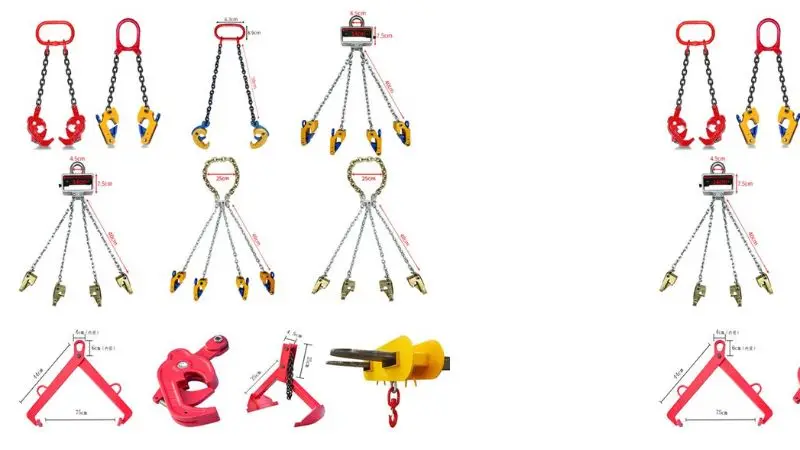
There are cranes at construction sites and in factories. Cranes make it easier to lift heavy things and move them long distances. You use cranes to lift big machines, concrete blocks, and steel beams. Some cranes have a long arm that can reach high places. You use the boom to move things up, down, or to the side. There are various types of cranes, including tower cranes, mobile cranes, and overhead cranes. Each type is good for a different kind of lifting. When you use cranes, you have to follow safety rules. Wearing safety gear, such as gloves and helmets, keeps you safe from objects that may fall.
Hoists
Hoists help you lift objects straight up. You use hoists in workshops, warehouses, and garages. Hoists work well for lifting engines, tools, and supplies. You can choose manual and electric hoists based on your needs. Manual hoists use chains or ropes, while electric hoists use motors. Hoists attach to beams or frames for support. You must use PPE to protect your hands and feet. Hoists make lifting safer and easier. You find hoists in many types of lifting equipment we offer.
| Type of Hoist | How You Use It |
| Manual Hoist | Lift small loads by hand |
| Electric Hoist | Lift heavy loads quickly |
Jacks
Jacks help you raise cars, trucks, and machines. You use jacks to change tires or repair equipment. Hydraulic and mechanical jacks work in different ways. Hydraulic jacks use fluid pressure to lift objects. Mechanical jacks use screws or levers. Jacks fit under the load and push it up. You must place jacks on solid ground for safety. Always wear PPE when you use jacks. Jacks are standard lifting tools in garages and workshops.
Winches
Winches help you pull or lift loads. You use winches to move boats, vehicles, or heavy equipment. Winches use cables or ropes wound around a drum. You turn the drum with a handle or motor. Winches work well for lifting and pulling tasks. You find winches in construction, shipping, and rescue operations. Winches are part of many types of lifting equipment. You must inspect the cable and drum before starting to lift. Use PPE to protect your hands and eyes.
Forklifts and Lift Trucks
Forklifts and lift trucks help you carry and stack materials. You use various lifting tools for warehouses, such as forklifts and lifts. Forklifts have forks that slide under pallets and boxes. You lift and move loads with ease. Some forklifts have a boom that allows them to reach high shelves. Lift trucks are designed to work in tight spaces and handle small loads. You must follow safety rules when you drive forklifts. Always wear PPE like safety boots and vests.
Lifting Tools in Industrial Work
Overhead Cranes
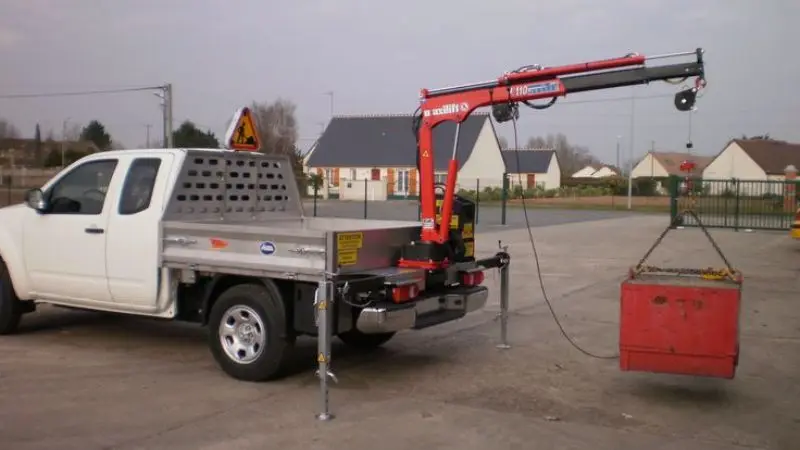
Large factories and warehouses often feature overhead cranes. These cranes can move heavy things over long distances. You can control the crane from inside or from a distance. Overhead cranes can lift large items, such as steel beams, engines, and more. You can move things up, down, or to the side. This makes it easier and safer for you to lift. You don’t have to lift by hand with overhead cranes. This equipment helps you stay safe at work.
Cranes with Gantries
Gantry cranes are well-suited for applications where you need to move heavy objects, but do not have a fixed building. You see these cranes in shipyards, factories, and storage yards. Gantry cranes have a bridge held up by legs on wheels or tracks. You use gantry cranes to lift big machines or containers. These cranes are flexible because they can be moved to new locations. Gantry cranes facilitate lifting tasks that require both strength and mobility.
Pallet Jacks
Pallet jacks assist in moving pallets and boxes within warehouses. You use a pallet jack to lift and roll loads on the floor. Pallet jacks are available in both manual and electric styles. Manual pallet jacks use a handle and pump. Electric pallet jacks use a motor to lift and lower. You save time and energy by using pallet jacks for small jobs. Pallet jacks make your work easier and safer.
Conveyor Systems
Conveyor systems transport items from one location to another in factories and warehouses. You use conveyors to carry boxes, parts, or packages. Conveyor systems mean you do not have to lift by hand. You can set up conveyors to move items a long distance or between levels. This tool helps you work faster and reduces the risk of injury. Conveyor systems work well with hoists and other lifting equipment. You use these lifting tools every day in industrial places. They help you finish lifting jobs quickly and safely. You work more efficiently and keep people safe by selecting the right lifting equipment for your job.
Types of Construction Lifts
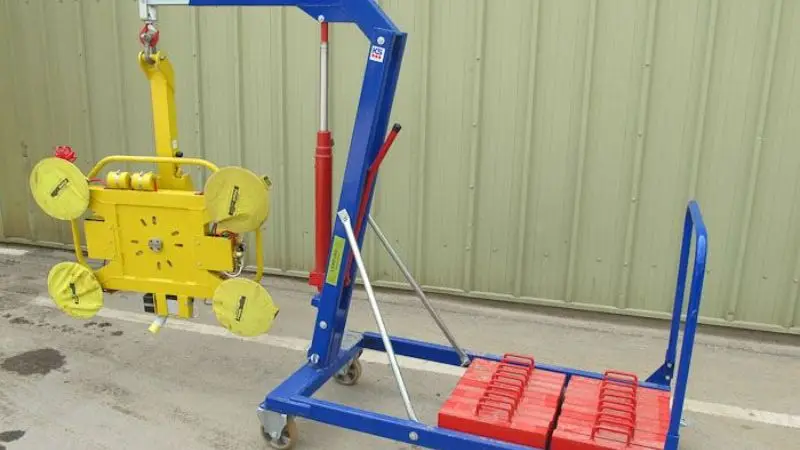
You use different types of construction lifts to help with lifting jobs on building sites. These machines help you move people and materials to high places. You find this lifting equipment outdoors and on many construction projects. Each lift has a special job. You need to determine which is the best lifting tool for construction work.
Scissor Lifts
Scissor lifts help you reach high spots in a straight line. You stand on a platform that rises and falls. The scissor arms open and close to lift you. You use scissor lifts for painting, fixing lights, or installing windows. These lifts keep you safe because they have guardrails. You can move scissor lifts around the site. Many construction workers use scissor lifts for indoor and outdoor jobs. You should check the ground before using a scissor lift. Uneven ground can make the scissor lift tip over.
Boom Lifts
Boom lifts help you reach places that are difficult to access. You see a long arm, called a boom, that moves up, down, and sideways. Some boom lifts have a straight boom, while others have an articulated boom that bends at a 90-degree angle. You use boom lifts for tasks such as tree trimming, building repairs, or installing signs. Boom lifts are well-suited for lifting people and tools to high or difficult-to-reach spots. You control the boom from the basket. Boom lifts are a type of aerial lift. You must inspect the boom for damage before lifting.
Telescopic Handlers
Telescopic handlers, or telehandlers, look like forklifts with a long boom. You use the boom to lift heavy loads to high places. Construction workers use telehandlers to move bricks, steel, or wood. The boom can extend far out, so you can reach over obstacles. You can add buckets or hooks to the boom for different lifting jobs. Telescopic handlers enable you to work more efficiently on large construction sites. Always check the boom and tires before lifting anything.
Engine Cranes
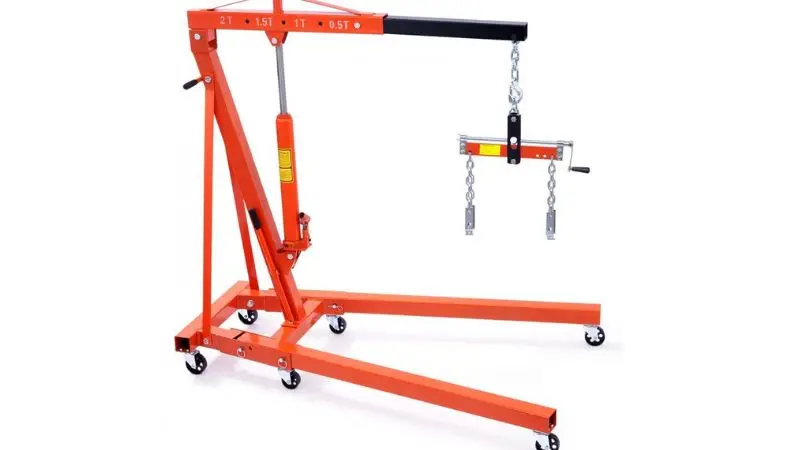
Engine cranes help you lift heavy engines or parts on construction sites. You see engine cranes in workshops and outdoor areas. These cranes have a boom that can be moved up and down. You use engine cranes to lift engines out of vehicles or place them into machines. The boom gives you control over the lifting height.
Engine cranes keep you safe by doing the heavy lifting. You should always use the right lifting points on the engine. You use these types of construction lifts to make lifting safer and easier. Each lift helps you finish your construction job on time. Selecting the right lift ensures your safety and that of your team on every project.
Choosing Lifting Tools and Equipment
Assessing Load and Environment
You need to consider the weight and size of the load before selecting the lifting equipment. Heavy loads require strong lifting equipment, such as cranes or a boom with high capacity. Check if the load is stable and easy to grip. The environment matters too. If you work on a construction site, you may need lifting tools that can handle rough terrain or outdoor weather conditions. Indoors, you might use a boom or hoist for lifting operations. Always think about space and obstacles. Tight spaces need compact lifting equipment. Wet or dusty areas require gear that resists damage.
Safety and Compliance
Safety comes first in every lifting job. You must wear PPE like gloves, helmets, and boots. PPE protects you from falling objects and sharp edges. You need to follow the rules for lifting operations. Check local laws and standards for lifting equipment. Inspect your lifting gear before each use. Look for cracks, worn cables, or loose bolts. Never use damaged lifting tools. You should train your team to use cranes, boom lifts, and other equipment safely and effectively. Always keep people away from the boom and load during lifting.
| Safety Checklist | Why It Matters |
| Wear ppe | Prevent injuries |
| Inspect the lifting gear | Avoid accidents |
| Follow rules | Meet legal standards |
Efficiency and Practicality
You want to finish lifting jobs quickly and safely. The proper selection and use of lifting gear helps you save time. Select lifting equipment that suits your specific task. For example, use a boom lift for high places or a forklift for moving pallets. Improving productivity with reliable lifting tools means you can accomplish more work with less effort. You should match the lifting gear to the job size and location. This makes lifting easier and safer for you and your team. Always plan your lifting operations to avoid delays.
Conclusion
You have many lifting tools and lifting equipment to choose from. Each tool helps you handle different lifting jobs safely and quickly. Always match the tool to your task for better results and fewer risks. Before selecting any equipment, consider your needs and the work area. If you feel unsure, consider seeking expert advice. Remember, safety comes first every time you lift.
FAQ
What is the difference between a hoist and a crane?
A hoist lifts loads straight up and down. You use a crane to lift and move loads in different directions. Cranes often cover larger areas. Hoists are most effective for vertical lifting in confined spaces.
How do you know which lifting tool to use?
You check the weight, size, and shape of your load. You look at your work area. You pick a tool that matches your job. Always read the equipment manual for safe use.
Why is PPE essential when using lifting equipment?
PPE protects you from injuries. Gloves keep your hands safe. Helmets guard your head. Boots protect your feet. You lower your risk of accidents when you wear the right gear.
Can you use lifting equipment outdoors?
Yes, you can use many lifting tools outdoors. You must check if the equipment can handle weather and rough ground. Always follow safety rules when working outdoors.
What should you check before using any lifting tool?
- Inspect for damage or wear.
- Make sure all parts work.
- Check the load limit.
- Clear the work area.