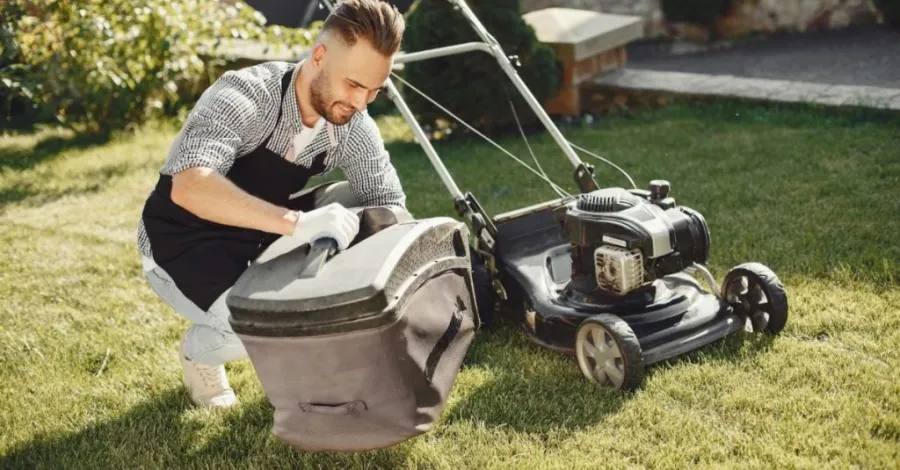
If you have pine trees in your yard, you know how fast pine needles can take over. Raking them is tiring and time-consuming—but there’s a better way. A push leaf sweeper or lawn sweeper for pine needles makes cleanup fast and easy. Simply push it across your lawn, and the spinning brushes will work hard on your behalf. It scoops up the pine needles at a fast rate and takes them up into the hopper, so it is possible to dump them all at one time. In case you are wondering how to use a push lawn sweeper on pine needles, relax; it is easy, time-saving, and it saves your back.
Choosing the Best Lawn Sweeper for Pine Needles
Pine needles can appear to be lightweight, yet you will need to remove them from your yard with effort, and you probably need a specialized tool to do it. An effective pine needle lawn sweeper will save you time, and you will not have to take hours to rake your lawn. These are the primary options and features that will be discussed further to help you get well with the choice of a fitting one based on the needs and the space it occupies.
Push vs. Tow-Behind Lawn Sweepers
The most common options you will have are a push-type sweeper and a tow-behind type. Push sweeper is most suitable where there is a small to medium-sized yard, and maneuverability is also a factor. These are lightweight, easy to use, and take up less storage space.
On the other hand, a tow-behind sweeper connects to a riding mower or lawn tractor. It’s ideal for large yards with many pine trees. If you’re wondering, does a lawn sweeper work on pine needles?—yes, especially when matched properly to your yard size and conditions.
Brush Height and Sweeping Features
Pine needles often sink deep into the grass, making them harder to collect than leaves or clippings. This is the reason why your sweeper should be performance-oriented. Your model should be equipped with an adjustable brush height to allow it to clean almost at the ground level, but not so close to the ground that it cannot dig into the ground.
Having a high brush-to-wheel ratio enables more brush rotations per wheel turn, resulting in higher pickup power. A large hopper will also result in fewer frequent stops to dump it. A properly constructed yard sweeper for pine needles is the first resort when dealing with troublesome material, allowing you to keep your lawn clean with ease.
Handles More Than Just Pine Needles
The finest lawn sweepers are not limited to cleaning up pine needles only. The landscape offers numerous models suitable for handling most yard waste, including leaves, twigs, pine cones, and grass clippings. This makes them useful throughout the year, not just during fall or pine shedding seasons.
Which is the question that may be running through the minds of homeowners? Can lawn sweepers pick up pine needles effectively? The answer is yes, particularly in a model that is constructed to serve a variety of yard care uses.
Preparing Your Yard for Fallen Pine Needles
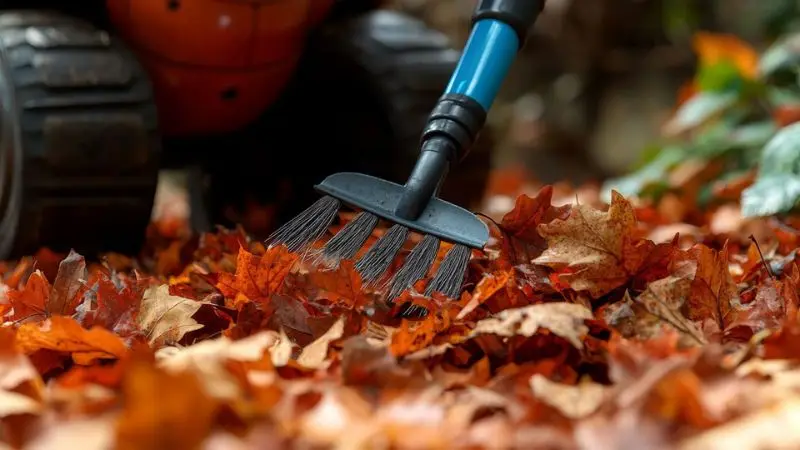
There are some steps you should follow to prepare your yard before applying a lawn sweeper. It is a step that makes the sweeper deliver its best and cost you less time during cleanup. It helps considerably to plan out thinly when it comes to thick layers of pine needles.
These basic steps will make your pine needle lawn sweeper know how to work optimally with no trouble on each go; setting the correct brush height, clearing the obstacles, and so on.
Yard Cleanup
Begin by taking a walk around your yard and eliminating bulky items, which may include rocks, sticks, and or toys strung out in odd places. They may clog or break the sweeper when in action. Besides, you can rake large piles of debris or pine cones. This assists in making a free-flowing access to your sweeper to skate upon.
Early cleanup also lets you spot the areas with the most pine needle buildup. Whether you’re using a push or tow-behind yard sweeper for pine needles, a clean surface will always improve performance and protect your equipment.
Dethatching Before Sweeping
When your lawn has a heavy buildup of old grass or compacted pine needles, sweeping alone might not be enough. In these cases, dethatching your lawn helps break up the layer and lift the needles from the grass surface. A dethatcher stirs up the debris so your sweeper can grab it more easily.
You don’t need to do this every time, but it’s especially helpful after storms or long pine-dropping seasons. Dethatching improves airflow, too—giving your lawn a health boost while supporting better pine needle lawn sweeper performance.
Adjusting Sweeper Height
Getting the brush height right makes a big difference in results. Begin with a higher setting, then test a small patch. If some needs are still left, reduce the height slightly and repeat the process. The challenge lies in ensuring the brushes do not touch the soil while still being close enough to collect the pine needles.
Every yard is different, with varying conditions, but once you find the sweet spot where you’re aiming, a yard sweeper for pine needles can help you achieve a better result without damaging your grass or leaving spots.
How to Use a Lawn Sweeper Effectively
Correctly operating a lawn sweeper can be very time-saving, less frustrating, and make your yard look fresh and nice. No matter what you are cleaning up-leaves or pine needles that have fallen- a couple of easy methods can make a huge difference.
Follow these easy steps to get the most out of your sweeper and keep your lawn in top shape through every season.
Dry vs. Wet Conditions
Always aim to sweep on dry days. When pine needles get wet, they clump together and stick to the grass, making them harder to lift. Dry conditions allow the brushes to work more efficiently, pulling debris into the hopper without clogging or resistance.
A dry lawn improves both the pickup rate and the lifespan of your equipment. If you’re wondering, does a lawn sweeper work on pine needles after rain? Yes—but waiting for dry weather gives far better results. For the best performance, let the dew or rain dry completely before you begin sweeping.
Sweeping Technique
Technique matters just as much as equipment. Start at one side of your yard and work in straight, overlapping rows. Overlapping each pass by a few inches ensures no debris gets left behind. If your yard has heavily covered areas, go over those sections again from another angle.
Keep these sweeping basics in mind:
- Move at a steady, moderate pace—don’t rush.
- Use overlapping passes to avoid missed needles.
- Clear tight spots with a rake if needed.
- Pause to check your brushes for tangled debris.
Using the right rhythm and overlap will ensure your pine needle lawn sweeper does a thorough job.
Emptying the Hopper
A full hopper reduces performance and causes clogs, especially when dealing with dense debris like pine needles. To keep things running smoothly, check the hopper every few passes. If it looks half full or more, go ahead and empty it.
Don’t wait for the hopper to overflow. Regular emptying makes your job easier and prevents unnecessary strain on the machine. If you’re working with a larger yard, plan for several dump stops. It’s worth it—because a well-maintained pine needle lawn sweeper works faster and lasts longer.
Maintenance and Safety

By taking good care of it, you can keep your lawn sweeper in the best running condition ever, with safety first being the ultimate concern when utilizing any yard machine. By simply cleaning your equipment a bit following every use, you will double the useful life of the given appliances and remain safe in the course of any cleanup.
This is how to take care of your sweeper and how to be safe, particularly when there is a clump of stubborn pine needles.
Cleaning After Use
It should also be cleaned up regularly, after sweeping the pine needles. Rusting as well as impaired performance may be the result of debris left in the brushes or hopper. Clean out all the material and give the unit a wipe-down with a few minutes of every kind of use.
In order to make your yard sweeper of pine needles work well:
- Clean out the hopper all the way
- Blow off brush debris using a brush or a leaf blower
- Clean the frame and the wheels by using a wet cloth
This saves the cleaning work as one cleans directly after use with no chance of build-up.
Lubrication
Lubricating the moving parts will ensure that your sweeper does not break down and will work properly. Oiling of the wheels, axles, and brush shafts should also be done after some use. This reduces friction and keeps everything running quietly and efficiently.
Use a spray lubricant or standard household oil. Wipe away any excess oil to prevent dust or debris from sticking. When asking, can lawn sweepers pick up pine needles efficiently? Proper maintenance like this plays a key role in the answer being yes.
Routine lubrication supports smooth movement and long-term performance.
Safe Operation
When operating a lawn sweeper, your safety is just as important as performance. Take simple steps before and during use to prevent accidents and injuries. Whether you’re working with leaves or using a pine needle lawn sweeper, being careful helps avoid damage to your yard or machine.
Follow these basic safety practices:
- Wear gloves to protect your hands
- Clear the yard of stones, toys, and large debris
- Never reach into moving parts
- Keep children and pets at a safe distance
Staying alert and following simple rules ensures a safe, stress-free lawn care session.
Final Thoughts
Keeping your yard clean doesn’t have to be hard. With the right lawn sweeper and a few smart steps, you can quickly clear away pine needles, leaves, and other yard debris. Whether you’re using a push or tow-behind model, a well-maintained sweeper saves time and effort in every season.
So, what is the best lawn sweeper for pine needles? It’s the one that fits your yard size, offers good brush height, and handles debris with ease. A reliable pine needle lawn sweeper helps you enjoy a tidy, healthy yard without the backache of raking. Happy sweeping!
FAQ
How often should you use a lawn sweeper for pine needles?
You should sweep your yard once a week during heavy needle drop. If you see a lot of needles, you can sweep more often. Regular use keeps your lawn healthy and tidy.
Can a lawn sweeper pick up wet pine needles?
Sweeping works best when the needles are dry. Wet pine needles stick to the ground and clog the brushes. Wait for a sunny day or let the grass dry before you start.
Will a lawn sweeper damage your grass?
No, a lawn sweeper will not hurt your grass if you set the brush height correctly. Make sure the brushes touch the grass lightly. Avoid digging into the soil.
What should you do with collected pine needles?
- Add them to your compost pile.
- Use them as mulch around trees and shrubs.
- Bag them for yard waste pickup.
Pine needles break down slowly and help your garden.