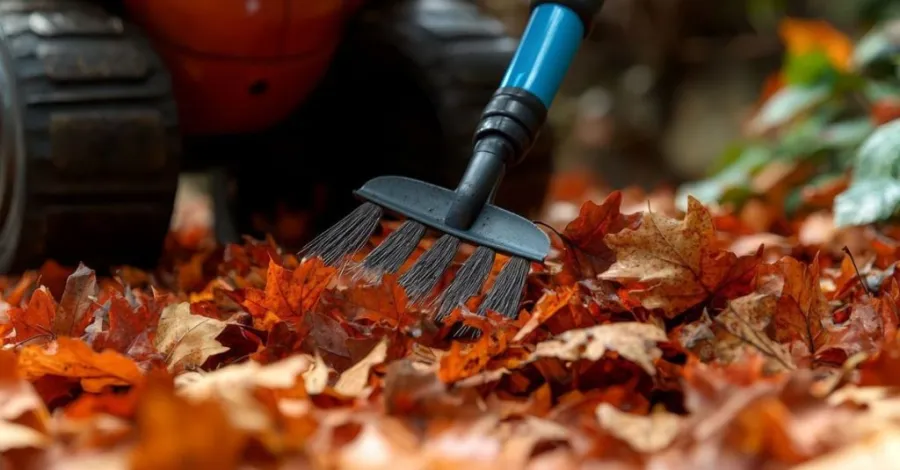
Tired of leaves covering your yard? A lawn sweeper for leaves is your secret weapon for quick, easy cleanup! Whether you have a small lawn or a large yard, this tool makes clearing leaves feel like a breeze. Just choose the right sweeper, wait for a dry day, and get going. Push or pull it slowly, and watch it gather leaves, twigs, and more into the hopper.
When it’s full, simply empty it and keep sweeping. No more back-breaking raking—just smooth, effortless cleaning. It’s fast, fun, and keeps your yard looking fresh with half the work. You’ll wonder why you didn’t use one sooner.
Choosing the Right Lawn Sweeper for Fall Cleanup
Autumn has beautiful leaves-until they fill up your yard. This is the time when a lawn sweeper becomes your best mate. However, the best results are achieved when you have the right type and size of it that you require. Let us discuss what you can do and what to consider.
This guide will help you decide how to pick a lawn sweeper to use on fall leaves or at least narrow the options down.
Push vs. Tow-Behind Lawn Sweepers
You’ll find two main types when shopping for a lawn sweeper:
- Push sweepers: Great for small yards and tight spaces. You walk behind and push, like using a manual broom. These are simple to use, and you control the pace.
- Tow-behind sweepers: Designed for larger areas. They attach to a lawn tractor or riding mower and sweep as you drive. Ideal for heavy leaf coverage and big properties.
If you enjoy walking and have a small yard, a push sweeper is a good choice. But if you’re working with a wide lawn, a tow-behind model saves time and effort.
Features That Matter Most
Not all sweepers are built the same. Keep an eye out for:
- Stiff, strong brushes – pick up more leaves and debris.
- Large hopper capacity – reduces how often you have to empty it.
- Adjustable brush height – helpful when switching between pavement and grass.
- Foldable frame – easy to store when not in use.
- Quick-empty hoppers – make cleanup even faster.
Wondering about lawn sweeper vs. leaf blower options? A sweeper can often be quieter, tidier, and more effective—especially when working over large areas.
What Size Lawn Sweeper Do You Need?
The size of your lawn helps determine the best fit. Here’s a quick guide:
- Small yards (20–26 inches wide) – Best for basic cleanup and tight spaces.
- Medium yards (26–38 inches) – A good all-around size for most homes.
- Large yards (38 inches or more) – Ideal for covering big areas in fewer passes.
Using a tow-behind model? Match its width to your mower. A larger sweeper means fewer trips up and down the lawn.
Looking for the cheapest lawn sweeper for small yard use? A compact push sweeper is affordable and gets the job done well.
Step-by-Step Guide to Using a Lawn Sweeper
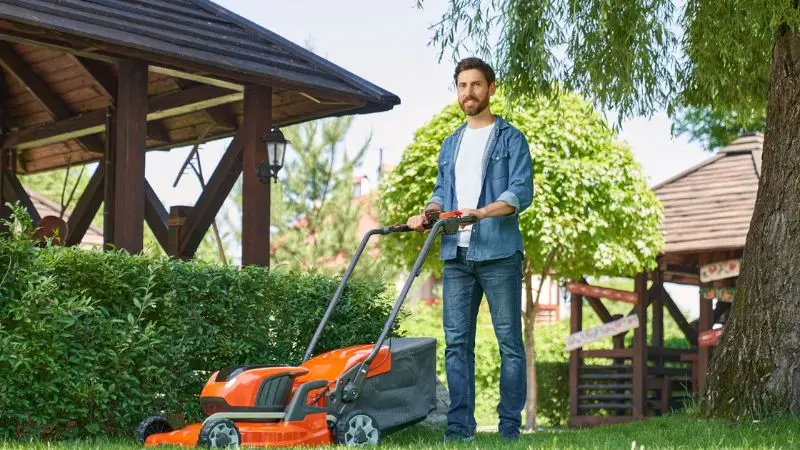
Following the proper use of a lawn sweeper will assist you in achieving your goals using less energy. The proper preparation leads to a simple process to sweep efficiently and dump conveniently. It does not matter whether you are working with a push model or a tow-behind; this portion will explain it all.
So, to make your leaf-cleaning experience as efficient and painless as possible, here is the step-by-step guide to your cleanup success.
Preparation: Make sure the Yard is Clean and Dry
First, examine the state of your lawn. Leaves should be dry; otherwise, they can block the brushes from being effective or not clear effectively. Wait until your yard dries out, in case it has rained. In addition, you walk and clear heavy objects that may block or harm the sweeper.
Here’s a quick prep list:
- Wait for dry conditions — damp leaves stick to brushes.
- Remove sticks, rocks, and toys — these can jam the machine.
- Rake thick piles — this helps the sweeper collect more in one pass.
- Mow grass slightly shorter — improves brush contact with the leaves.
These steps improve performance and prevent problems before you start sweeping.
Sweeping Technique: Steady and Strategic
Once your yard is ready, it’s time to get rolling. Whether you’re using a push model or a tow-behind, sweeping in a straight pattern gives the best results. Begin at the edge of your lawn and work in overlapping rows—similar to how you mow.
Follow this technique for effective sweeping:
- Start at the edge and move in straight, overlapping rows.
- Keep a moderate, steady pace—not too fast or too slow.
- Check the hopper regularly and empty it when full.
- Adjust the brush height if needed for better pickup.
If you’re deciding between a lawn sweeper vs. a leaf blower, this method gives you consistent results without blowing debris into unwanted areas.
Emptying the Hopper: Keep It Clean and Moving
When your hopper is full, it’s time to empty it. Most models have a simple release handle or lever. Move the sweeper to your compost bin, leaf pile, or waste area. Then tip or lift the hopper to dump the contents.
Tips for smoother emptying:
- Use a corner of the yard for composting.
- Bag the leaves for curbside collection.
- Check for stuck twigs or clumps and clear them before restarting.
- If you garden, consider using dry leaves as mulch—they add nutrients and retain moisture.
If you’re working with the cheapest lawn sweeper for small yard jobs, even a basic hopper system should handle fall cleanup without hassle.
Best Practices for Effective Lawn Sweeping
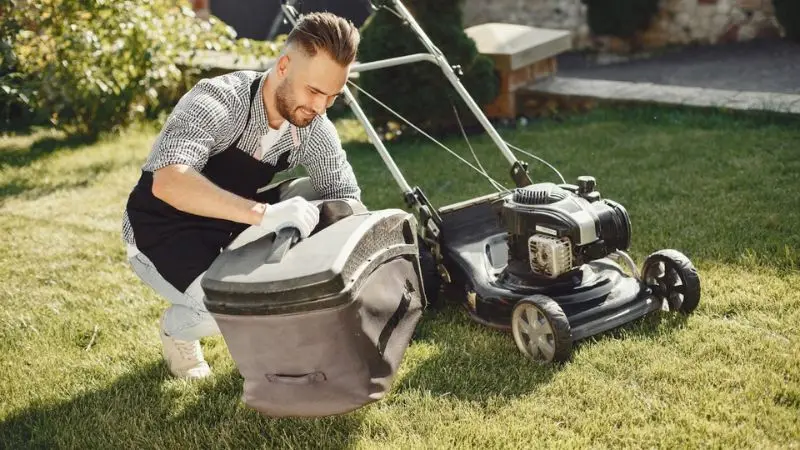
Operating a lawn sweeper is uncomplicated, although there are some best practices that can be followed to simplify the overall process. Whether it is selecting the proper day to use the sweeper or making minor fixes, proper habits will make your sweeper last longer and work more efficiently.
One common question you may ask is, Does a lawn sweeper work on wet leaves? The secret is in good timing and care. Now we can examine how to get what you want out of your sweeper.
Timing: Dry Days Make a Big Difference
Time is money. Dry weather is the best time to use your lawn sweeper. Wet leaves tend to clog together and obstruct the brushes, and this lowers efficiency. It will be best in mornings of dry air, and in sunny afternoons. Dried leaves are lighter, can be picked up more simply, and are less harmful to your machine.
To achieve better results:
- Sweep when the dew is dry or when the afternoons are dry.
- Do not use your sweeper immediately after rain.
- Sweep once a week during a busy season of leaves to be one step ahead.
These practices make leaf cleaning a faster operation and also prolong the life of your machine.
Adjustments: Fine-Tune for Your Yard
Each lawn is different; there is no problem with changing your settings on the sweeper. In most of them, you can adjust brush height, which is also critical for good pickup. Short grass or flat lawns often require lower settings, whereas long, lumpy, and uneven lawns might require higher brush settings.
Maintain your sweeper in tip-top shape by
- Before every brush, check the height of the brush.
- Plucking up the remnants of the patchwork at your round.
- Regulating the transfer between paved and grassy grounds.
- Slowing down or overlapping more when required.
Learning how to make the best choice of a lawn sweeper for fall leaves requires understanding how to adjust it to the situation of your lawn.
Maintenance: Keep It Clean and Ready
Taking care of your sweeper helps it last longer and perform better each season. After each use, clear the hopper, remove stuck leaves, and wipe down the frame and wheels. Monthly maintenance keeps everything running smoothly, especially if you’re relying on the cheapest lawn sweeper for small yard needs.
Stick to these maintenance habits:
- Empty and clean the hopper after use.
- Brush off dirt from the wheels and frame.
- Store in a dry area to avoid rust.
- Check brushes and tighten bolts once a month.
A little effort after each session means fewer problems—and a much easier time next fall.
Troubleshooting Common Lawn Sweeper Issues
Even with the best lawn sweeper, you might run into a few issues from time to time. Wet leaves, clogs, and missed debris are common problems—but they’re easy to fix with a little know-how.
If you’re still wondering if a lawn sweeper works on wet leaves or why your machine isn’t picking up properly, this section will guide you through quick solutions to keep your yard cleanup stress-free.
Wet Leaves: Handle with Care
Wet leaves are tricky. They tend to clump together and stick to the brushes, which reduces how much your sweeper can pick up. If you try using your sweeper right after it rains, you may find that it misses patches or clogs more often. Ideally, wait for dry weather so the leaves are easier to collect.
If you must sweep damp leaves:
- Go slowly to avoid buildup on the brushes.
- Stop regularly to check and clear stuck debris.
- Consider raking the area first to loosen heavy clumps.
- Use dry weather whenever possible for best results.
Understanding how to choose a lawn sweeper for fall leaves includes knowing when not to use it.
Clogs: Clear Them Quickly
Clogs can slow down your progress. They usually happen when too many leaves or twigs jam the hopper or brushes. You may hear the machine struggle or notice it’s no longer picking up debris.
To handle clogs effectively:
- Stop immediately when you suspect a jam.
- Pull out leaves, sticks, or grass from the brushes and hopper.
- Look at the wheels to ensure nothing is blocking them.
- Resume sweeping at a steady, even pace once it’s clear.
Whether you’re using a premium model or the cheapest lawn sweeper for a small yard, regular clearing prevents long-term issues.
Missed Debris: Improve Your Sweep
If you notice leftover leaves, it’s likely due to settings or technique. Moving too fast or having the brush height too high can cause the sweeper to miss patches of debris. Sometimes, uneven terrain or long grass makes it harder for the brushes to make good contact.
Fix missed debris by:
- Lowering the brush height for better ground contact.
- Slowing your pace to give the sweeper time to collect.
- Overlapping rows more during each pass.
- Following up with a rake or yard vacuum in stubborn areas.
If you’re comparing a lawn sweeper vs. a leaf blower, keep in mind that no method is perfect—but a sweeper gets most of the job done with less manual labor.
Wrap Up
A lawn sweeper for leaves is one of the easiest ways to keep your yard clean during the fall season. Whether you’re working with a small space or a large property, the right model can save you time and effort. With proper setup, regular maintenance, and a few adjustments, your sweeper will handle dry leaves with ease.
While wet conditions may slow you down, smart timing and technique make a big difference. If you’re still weighing lawn sweeper vs leaf blower, remember that sweepers offer a quieter, cleaner experience—especially when you choose one that fits your lawn and needs.
FAQ
When should I use my lawn sweeper in the fall?
You must also rake your lawn at least once every week during the period when leaves fall rapidly. This helps to keep your yard neat and makes every job easier. The longer you leave, the more leaves accumulate, and hence, more time is required to collect them.
Does a lawn sweeper work on pine needles or grass clippings?
Yes, it is possible! Pine needles and grass clippings are picked up by lawn sweepers. Vary the height of the brush to get optimal results. You might have to go around the area twice to clean up certain persistent debris.
What will happen if security measures are taken in case my sweeper misses some leaves?
See where it can be lowered to move the brush down. Travel at a lower speed and run over your lines. In case there are visible leaves, you can rake or blow the remaining ones.
Is it necessary to clean the lawn sweeper after each use?
After using your sweeper, you must clean it thoroughly after every use. Remove the leaves and twigs from the brushes and hopper. Blot the dirt away. This makes your sweeper work and last longer.