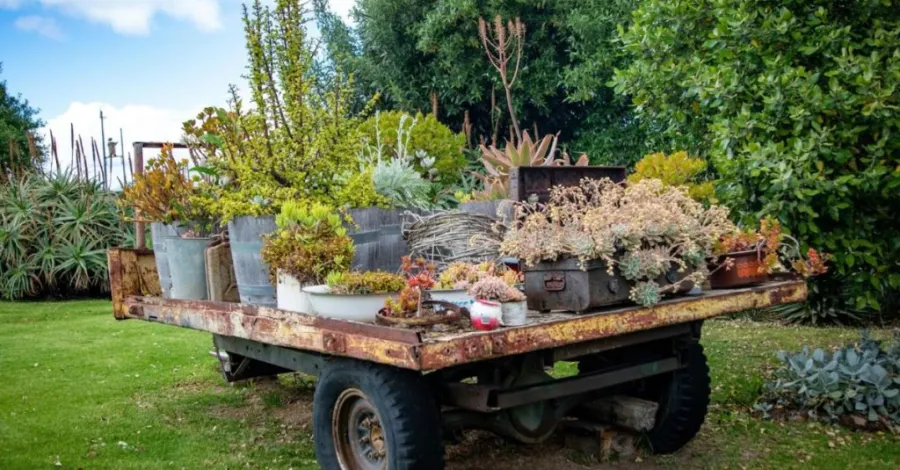
Picking the right large garden cart can transform your yard work from a chore into a breeze. Whether you’re hauling heavy soil, bulky mulch, or just a few tools, the cart you choose should match your landscaping needs and make every task easier. Think about your terrain—do you need sturdy wheels for bumpy paths or something that glides smoothly across patios? Comfort is key, too. The best garden cart feels good in your hands, supports your back, and saves your energy. Choose wisely, and your yard cart will become your favorite gardening companion.
- Key Considerations When Choosing a Large Garden Cart
- Handle and Maneuverability: Comfort and Control Matter
- Types of Garden Carts to Consider
- Essential Features of the Best Garden Carts
- How to Choose the Right Dump Cart for Your Yard
- Comparing the Best Garden Carts for Every Need
- Final Tips for Buying a Garden Cart
Key Considerations When Choosing a Large Garden Cart
Picking the right garden cart can make your outdoor work much easier and faster. But not all carts are the same, and your choice depends on how and where you plan to use them. Before buying, it’s important to understand the key features that affect performance and comfort.
Below are the main things to keep in mind when deciding on the best cart for your needs.
Intended Use: Match the Cart to Your Gardening Tasks
Consider how you are going to use the cart. Will it take very heavy-duty jobs, such as the transportation of large rocks or soil around your yard? Or do you just want it to be to carry those lighter works like tools or plant pots? A big garden cart works best when you need to do major landscaping work– particularly when you are dealing with soil, compost, or mulch on a regular basis.
In case your gardening is less frequent and light, however, the most durable one may be unnecessary. Think about how frequently you will need to use the cart, as regular gardeners can afford to use durable and robust carts, which can be used infrequently.
Weight Capacity: Balance Strength and Safety
One of the most vital features of a cart is its weight capacity. When a cart is overloaded, it may be damaged; it may be more dangerous as well. The large garden carts used to transport the soil and mulch will accommodate 600 to 1200 pounds of materials and are mostly used on larger projects.
Nonetheless, select the capacity that suits your ability and demands. In case you are not able to lift heavy weights, we recommend one that has a lower weight capacity so that your job is safe and smooth. Before buying, always check the product details on how much load the cart is supposed to carry. This makes it able to serve your gardening functions.
Terrain and Tires: Choose Wheels That Match Your Yard
The terrain in your yard will also affect how the cart moves. The majority of tires would work on smooth, flat land. In case you need to work with wavy paths, gravel, or mud, though, a large cart with pneumatic wheels is worth purchasing. These pneumatic tires offer superior grip and also ride quality as compared to rough terrain.
Solid tires or flat-free tires are possible alternatives to consider when you perceive a low-maintenance option as an asset, but with worse rough-surface performance. Consider your terrain and the quality of the tire before picking a cart, as this matters a great deal in how easy it is to move heavy loads.
Handle and Maneuverability: Comfort and Control Matter
An ergonomic handle can go a long way in cart transfer when it is full. Find designs with a soft grip or greater reach to alleviate strain. Pivoting or springing handles can allow easier movements in confined turns.
It would come in especially handy when using a large garden cart, which would be more difficult to maneuver in small areas. Just draw on a cart laden with produce, and you will see how easily it can move. A cart with a well-designed handle eases your gardening chores regardless of what you want to transport: soil, tools, or mulch.
Types of Garden Carts to Consider
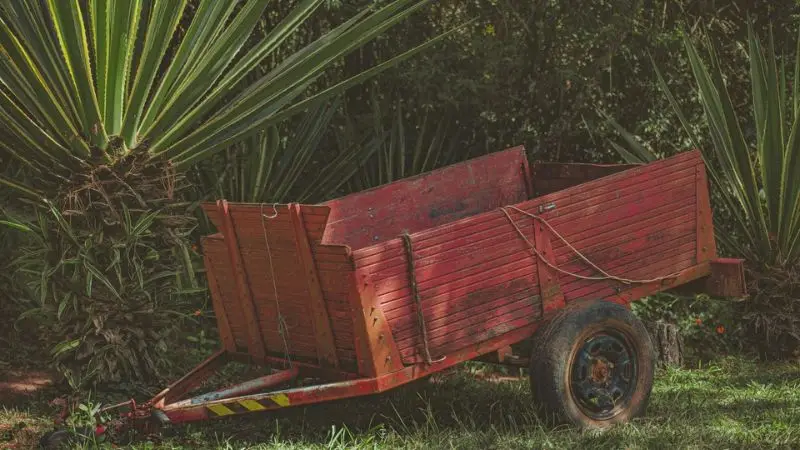
Not all garden carts are built the same. Each type is designed to suit specific outdoor tasks, from hauling mulch to transporting bulky items. Whether you’re maintaining a small backyard or managing a large landscape, knowing the different styles will help you make the right choice.
Below are the most common types of garden carts and what they’re best used for.
Utility Garden Cart: A Versatile Backyard Helper
One of the most frequently used utility farming carts is the utility garden cart. It is normally made of four wheels and a deep tray, which provides it with balance and sufficient space to hold tools, soil, and plants. Most utility carts have steel frames, which makes them even more durable for long-term use.
This is an ideal type when you want a cart that you can use to do many things. This kind of large garden cart can help with easing the transportation of heavier material. It is effective with those seeking stability and easy pulling over multiple surfaces.
Dump Cart: Simple Unloading of heavy loads
When you do a lot of unloading in your gardening chores, a dump cart could become your new best friend. It has a tilting tray, which enables you to dump soil, compost, or rocks with little effort. This is the feature that is particularly useful when working with wet or messy materials.
The structure of many dump carts is similar to that of a steel garden cart, making it sturdy enough to perform challenging tasks. A heavy-duty garden cart to carry soil and mulch may be included in this category, as it is designed to unload very efficiently. This choice is a good option in case you need to save time and save your back.
Flatbed Cart: For Bulky or Oversized Items
Use a flatbed cart when you need to move big or misshapen items that cannot fit into the regular cart. It can load an easy load of lumber, large bags of mulch, or potted trees, without sides getting in the way. Its flat surface is flexible, whereas its solid steel frame is strong enough to handle heavier work.
Although objects must not be fixed tightly, this cart offers unequaled convenience for awkward loads. When it comes to comparing a large garden cart vs. a wheelbarrow, flatbed carts provide more flexibility in handling bulkier loads without sacrificing the balance or ease of maneuverability.
Wagon-Style Cart: Roomy and Reliable
A wagon-style cart has the feel of a utility wagon but typically has slightly taller walls to provide additional support. When you need to transport several garden tools or even a lot of plants or event materials in the backyard, it is a wonderful decision.
These carts are constructed with most of them having a steel garden cart frame to add strength and durability. A big cart of this kind has pneumatic wheels, and this makes moving easy even on less smooth terrain. They can occupy more space in storage, but the spacious shape and durable structure make them one of the best options among regular gardeners.
Essential Features of the Best Garden Carts
Choosing the right garden cart involves more than just size. The best carts combine strength, functionality, and ease of use. Whether you’re planning to haul mulch, soil, or large plants, the right features make every job easier and faster.
Here’s what to look for when deciding how to choose the best large garden cart for your yard.
Material and Durability: What Your Cart is Made Of Matters
The material of your cart affects how long it lasts and how well it performs. Here are the most common options:
- Steel garden cart: Extremely durable and perfect for hauling rocks, bricks, or heavy debris. Resists bending and stands up to rough use.
- Poly cart: Made from tough plastic, lightweight, rust-resistant, and easy to clean. Ideal for mulch, soil, or gardening tools.
- Wood cart: Offers a classic look and sturdy build, but needs more maintenance and doesn’t handle weather as well.
If you want a cart that will handle years of hard work, a steel garden cart is the strongest choice.
Size and Volume: Pick the Right Capacity for Your Yard
The cart’s size should suit your space and tasks. A large garden cart lets you carry more at once, but it may be harder to store or maneuver.
- 4–6 cubic feet: Great for small gardens or light yard tools.
- 7–10 cubic feet: Ideal for transporting mulch, compost, or soil.
- 11+ cubic feet: Best for large yards and heavy-duty tasks.
Always consider where you’ll store the cart. If you’re working on large landscaping projects, more volume means fewer trips and faster work.
Dump Feature: Quick Unloading When You Need It
A dumping mechanism saves time and effort—especially with heavy or loose loads. Instead of scooping materials by hand, you simply lift or tilt the cart to unload.
- Perfect for wet soil, compost, or gravel
- Found in many steel garden carts
- Options include lever- or foot-pedal-operated dump trays
For those frequently working with messy materials, this feature can be a real back-saver and boost your efficiency outdoors.
Removable Sides: Haul More with Flexibility
Removable or fold-down sides make it easier to carry awkward or oversized items like tree branches or mulch bags. They also let you switch between a standard cart and a flatbed.
- Ideal for bulky or tall items
- Common in high-quality large garden carts
- Increases loading and unloading convenience
If you’re comparing a large garden cart vs. a wheelbarrow, carts with removable sides offer greater flexibility and space to haul different types of loads.
Storage and Portability: Move and Store With Ease
Don’t overlook how easily your cart can be stored or moved. Portability is key, especially with heavier carts.
- Foldable designs save space in smaller sheds
- Tuck-away handles add convenience
- A large garden cart with pneumatic wheels handles gravel and uneven terrain with ease
- Choose carts with wide, sturdy tires for better movement
Even a heavy-duty large garden cart should feel smooth to pull. Make sure the handle design, wheel type, and weight all suit your storage space and strength level.
How to Choose the Right Dump Cart for Your Yard

Dump carts are a powerful tool for garden maintenance and landscaping. Whether you’re working in a small yard or managing a large property, the right style and features can save you time, effort, and back pain. Understanding your needs helps narrow down the best cart for the job.
Let’s explore what to consider before investing in a dump cart.
Manual vs. Tow-Behind: Pick the Best Movement Option
The initial question when it comes to the dump cart is, how are you going to move the item? Manual dump carts are very efficient in small to medium gardens, and they are easily pulled by hand. It is effective for carrying mulch, tools, or light loads of soil.
But when you need an area of work or to transport a substantial amount of outdoor materials, a tow-behind dump cart is more appropriate. The carts are fitted on lawn tractors or ATVs, and they have the ability to pull heavy loads without difficulty. A large tow-behind garden cart is ideal to use in a large property with many heavy-duty chores.
Heavy-Duty Needs: What to Look for in a Tough Cart
If your gardening projects include lifting rocks, bricks, or wet soil, your cart needs to be strong enough for the job. A large garden cart with pneumatic wheels and a reinforced steel frame offers maximum durability and support. Look for these key features:
- Steel or reinforced frame for lasting strength
- Removable or mesh sides to carry bulky or uneven items
- Large pneumatic tires for smooth movement on rough terrain
- High weight capacity to handle demanding loads
This combination ensures you have a cart that performs well, even under the toughest conditions.
Maintenance Tips: Keep Your Cart in Top Shape
Maintaining your cart will ensure it can serve you longer and better. Wash away dirt and debris after every use to avoid accumulation. When using a steel garden cart, look frequently and repaint exposed metal to avoid corrosion. In pneumatic-tire carts, keep tires properly inflated and check flat-free tires periodically to note wear or cracking.
Apply oil to the axles of the wheels now and then to facilitate movement. A heavy-duty garden cart designed to carry heavy loads requires some maintenance, especially when used frequently or stored outside. Your cart can last several seasons with a small amount of maintenance.
Comparing the Best Garden Carts for Every Need
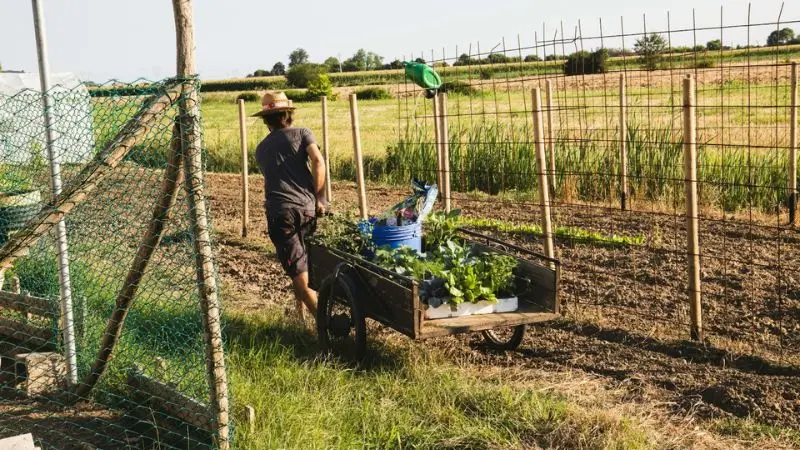
Every gardener has different needs. Some focus on heavy-duty tasks, while others want all-in-one convenience or stability on tough terrain. The best garden cart for you depends on how and where you plan to use it.
Here’s how different types of carts stack up based on common gardening tasks.
For Heavy Loads: Strength and Stability First
When it comes to moving soil, rocks, or bricks, you need a cart that’s built for strength. A large garden cart with a steel frame and a high weight capacity is your best bet. Look for these features:
- Large pneumatic tires for easier movement under heavy weight
- Removable sides to handle bulky items
- Dump feature for quick unloading
- Spacious tray to reduce trips
If you’re doing serious landscaping, these carts offer durability and efficiency for your toughest outdoor jobs.
For Versatility: One Cart, Many Uses
A versatile garden cart is perfect if you like switching between different yard projects. Whether you’re hauling mulch, tools, plants, or even firewood, you’ll want flexibility in features and size.
- Removable sides to adjust for larger loads
- Medium-to-large tray for multiple uses
- A dump mechanism for convenience
- Swivel handle for better control
- Rust-resistant poly tray for low maintenance
This type of large garden cart adapts to nearly any task, making it a favorite among home gardeners with varying needs.
For Rough Terrain: Built to Handle the Bumps
Uneven ground requires a cart that can stay balanced and roll easily. If your yard includes gravel, mud, or hills, invest in a large garden cart with pneumatic wheels and a solid build.
Look for:
- Big, rugged tires for smooth rolling
- Steel frame for strength on bumpy surfaces
- Low-profile design to avoid tipping
When comparing a large garden cart vs. a wheelbarrow, carts with four pneumatic wheels offer greater stability and easier movement, especially on tricky terrain.
Budget Options: Value Without Sacrificing Function
You don’t have to spend a lot to get a reliable cart. Budget-friendly garden carts offer essential features for light to moderate gardening tasks. Most of these options include:
- Poly trays that are rustproof and easy to clean
- Compact frames for simple storage
- Sturdy wheels and ergonomic handles for comfort
If you garden only now and then, a lower-cost cart can still give you the performance you need without overpaying. Even among budget picks, you can find some of the best garden carts that deliver excellent value.
Final Tips for Buying a Garden Cart
You have learned the types, features, and comparisons; now come to the confident choice. There is a little bit more to check before you click buy or go out to a store. The following steps will provide you with the most stable and helpful garden carting out of your money.
Now we can take the buying considerations apart.
Reading Reviews: Learn from Real-Life Experiences
One of the most effective ways to know how a large garden cart works in real life is through reviews. Not just the 5-star ratings, but read the negative comments as well. Consider any recurring problems, such as wheel stability, or materials that wear faster with more care.
Useful reviews can be accompanied by real pictures, and you can get a better view of the size, structure, and use of the cart. User reviews can provide an idea of what to avoid when learning to select the best large garden cart. They can also inform your purchasing decision when comparing two models.
Warranty and Support: Protect Your Purchase
A reliable warranty gives you extra peace of mind. Many top carts, especially heavy-duty or steel garden carts, come with at least a one-year warranty. Before you buy, confirm the warranty length and how to get service if needed. You’ll want a company that’s responsive and offers easy access to spare parts. Strong support often means the brand trusts its product quality. When comparing carts, don’t overlook this detail—it could make a big difference if something breaks or wears out faster than expected.
Here’s what to check:
- Minimum one-year warranty
- Responsive customer support
- Availability of replacement parts
Where to Buy: Pick the Right Place for Your Needs
You can get a garden cart in a lot of places, each with advantages and disadvantages. Local garden centers have the advantage of letting you see the cart in person and ask questions, but the selection can be limited. Big-box shops do have popular models at prices that are affordable, and online stores offer you maximum choice and customer reviews.
When you are purchasing a large cart with pneumatic wheels and find that you have many models to compare, an online listing can facilitate that. Pick a reputable source to make returning and purchasing easier.
Wrap Up
Choosing the right garden cart makes every outdoor task easier, from hauling soil and mulch to moving tools across rough terrain. Whether you need a large garden cart with pneumatic wheels for heavy-duty use or a versatile option for daily chores, knowing your yard’s needs helps you decide. Comparing materials, cart styles, and real user reviews ensures a smart investment.
Always consider warranty, support, and where you buy. In the end, understanding how to choose the best large garden cart saves time, energy, and frustration—helping you work smarter, not harder, in your garden. Happy hauling and happy gardening!
FAQ
What are the garden cart sizes I need for my yard?
Choose a cart that’s big enough to do your largest job but still small enough to fit in your storage. Measure out your shed or your garage first. If you have a big yard, a bigger cart means you go less often.
Can I put my garden cart in the weather?
You can, but store your carts where it’s dry. This makes it difficult for rust and devastation to occur. If you need to leave it outside, drape a tarp over it.
I have a garden cart and don’t know how to clean it.
Use a hose to rinse out dirt & debris. For tough areas, scrub with a brush. Dry the cart when you store it. That keeps it in good spirits.
Is there a difference between pneumatic and flat-free tires?
Pneumatic tires make use of air and provide smooth running on jagged terrain. Flat-free tires do not go flat and need lower maintenance. Choose the kind that corresponds to your yard.
Can an 8-year-old use big garden carts?
Kids can wheel a garden cart around with you, as long as you supervise. See to it that the load is not too heavy and the cart is simple to carry. Always watch for safety too.