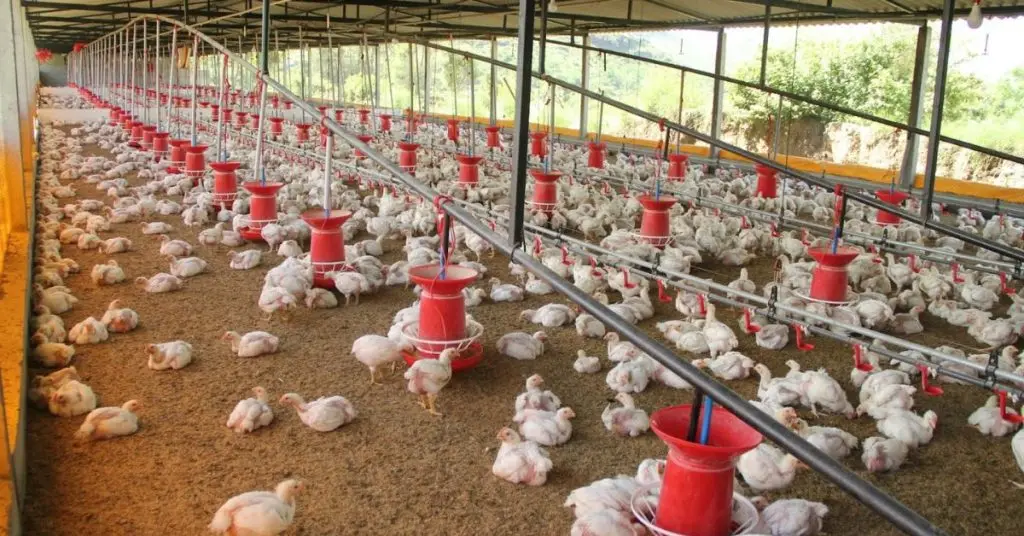
If you want happier and healthier hens, start with the right chicken coop. Space matters more than you think. A large chicken coop gives your hens the chance to walk, stretch, and rest without stress. Cramped spaces can lead to fights, poor egg production, and health problems. Always choose a coop based on the number of birds you have. Each hen should feel free to move around. A backyard chicken health guide always begins with comfort and space. Watch how your hens act inside the coop. Their behavior will show you if the space truly works.
Chicken Coop Size and Hen Happiness
Your hens need more than food and water to stay healthy. They also need enough space to move, relax, and interact. The right large chicken coop gives them room for comfort, exercise, and safety. When hens live in a coop with plenty of space and a clean run, they stay active, stress-free, and happy.
Space and Well-Being of Hens
When you picture hens, you see them scratching the ground, flapping their wings, and dust bathing. To do all this, they need space. A large chicken coop for 10 chickens or a large chicken coop for 20 chickens gives them freedom to move and explore.
Experts suggest at least 4 square feet per chicken inside the coop. Adding a run gives them even more space. In a run, hens love to forage, play, and enjoy the fresh air. More space means less stress, better health, and happier hens. If you see crowding or fighting, expand the coop or run.
Social Behavior in Large Chicken Coops
Hens are social animals, and when given space, they live well in groups. A big walk-in chicken house with a run encourages good social conduct. Hens automatically develop a pecking order. When confined in small places, it may result in a stressful environment, bullying, and fights. However, when they are given more space, they can move, seek secluded areas, or sit down calmly.
It is also useful to add nesting boxes and perches in various corners. A large chicken coop, such as the best chicken coop in the backyard, keeps your flock calm, friendly, and in balance. The large space produced a joyful atmosphere that allowed hens to socialize.
Cleanliness and Comfort Inside the Coop
A clean coop is a healthy coop. A large chicken coop with a run makes cleaning much easier. Since droppings spread out, the coop stays fresher for longer. Better ventilation is another big benefit of larger coops. Fresh air prevents bad smells and lowers the risk of breathing problems.
You can keep the coop clean by sweeping weekly, changing bedding, and checking airflow. When hens spend time in the run, bedding stays dry, and the coop stays comfortable. An affordable large chicken coop with a run not only gives space but also improves hygiene, keeping hens safe and happy.
Large Chicken Coop Pros and Cons

Choosing a large chicken coop has many benefits for your hens, but there are also a few drawbacks to think about. Knowing both sides helps you decide what works best for your flock and budget.
Benefits of Large Chicken Coops
A larger coop creates more room for hens to live comfortably and happily. It also makes flock management easier for you. Here are some key benefits:
- More space for hens – A large chicken coop for 10 chickens or a large chicken coop for 20 chickens gives each hen enough room to walk, stretch, and flap wings.
- Room to expand – You can add more hens over time without building a new coop.
- Flexible setup – Extra room allows more nesting boxes, perches, and feeders in different spots.
- Long-term flock health – Hens stay active, relaxed, and stress-free.
The best large chicken coop for backyard use is ideal if you plan to grow your flock or want your hens to enjoy a safe, spacious home.
Drawbacks of Large Chicken Coops
While larger coops are useful, they do require more effort and cost. Some common challenges include:
- Harder to heat in winter – A large walk-in chicken coop takes more bedding, insulation, and sometimes extra heating.
- More cleaning work – Bigger floor areas mean more sweeping and bedding replacement.
- Higher costs – A large chicken coop with a run requires more materials, feeders, and supplies.
- Initial investment – Building or buying a bigger coop costs more upfront.
Still, with good planning and routine care, even an affordable large chicken coop with a run can stay clean, warm, and safe for your flock all year round.
Small Chicken Coop Pros and Cons
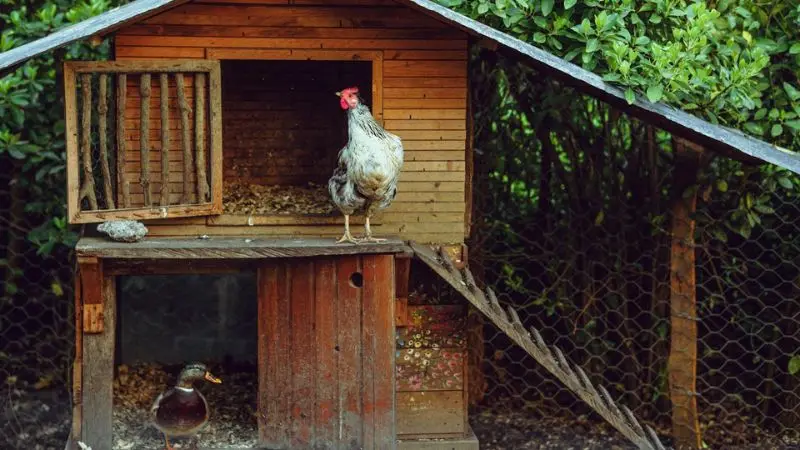
A small chicken coop can be a good option for beginners or for people with limited space. It has clear benefits but also a few downsides to consider. Understanding both will help you decide if a small coop or a large chicken coop with a run is a better fit for your flock.
Benefits of Small Chicken Coops
Small coops can be cozy, affordable, and simple to manage. They are especially useful for new chicken keepers or for small backyards. Here are some key benefits:
- Warmer in cold weather – A smaller space holds heat better, so hens stay more comfortable in winter.
- Lower cost – Building or buying a small coop costs less, and you’ll need fewer materials, bedding, and feed.
- Easy to clean – Sweeping and changing bedding takes just a few minutes.
- Space-saving design – A small coop can fit into backyards where a larger chicken coop might not.
If you are starting with just a few hens, a small coop is a budget-friendly way to learn about chicken care before moving on to a large walk-in chicken coop.
Drawbacks of Small Chicken Coops
Small coops also have limits. Hens may not get enough room to live stress-free, especially if you want to grow your flock. Here are the common drawbacks:
- Limited space – Less room for walking, stretching, or wing flapping.
- More aggression – Crowded hens may fight, peck, or show stress.
- Not good for large flocks – Expanding is hard, and you may quickly outgrow the coop.
- Risk of dirty conditions – With too many hens inside, bedding gets soiled faster, which may lead to health problems.
Always check your hens for stress or fighting. If problems show up, consider upgrading to an affordable large chicken coop with a run or letting your hens spend more time outdoors.
Coop Size Recommendations

Choosing the right coop size is one of the most important steps in raising happy and healthy hens. The number of chickens, their breed, and even your local climate all affect how much space you need. A well-sized coop keeps your flock stress-free and makes your work easier.
Flock Size and Chicken Coop Size
The first step is to match the number of hens to the right coop size. A coop that is too small leads to stress and aggression, while the right space encourages healthy living.
- 1–4 hens – About four sq ft per hen. A small coop works fine if hens are free-range often.
- 5–15 hens – Around 4–5 sq ft per hen. A medium coop gives space for comfort and flexibility.
- 16 or more hens – At least five sq ft per hen. A large chicken coop for 20 chickens is perfect for bigger flocks.
Always plan for future growth. If you plan to expand your flock, choose a large walk-in chicken coop with more room. This way, you won’t need to upgrade too soon.
Breed and Climate Factors
Not all hens need the same amount of space. Both breed and climate affect the best coop size for your flock.
- Breed size – Larger breeds such as Orpingtons or Brahmas need more space, while smaller Bantams can live comfortably in tighter areas. Add at least one extra square foot per hen for large breeds.
- Hot climates – Bigger coops with strong ventilation work best. An affordable large chicken coop with a run allows airflow and keeps hens cool.
- Cold climates – Smaller, well-insulated coops hold warmth better. The best large chicken coop for a backyard in colder areas should have tight construction to reduce drafts.
Always adjust your coop dimensions based on both the breed and the weather. Giving your hens the right space means better health, less stress, and happier egg-laying.
Wrap Up
Choosing the right chicken coop comes down to flock size, breed, and your space at home. A large chicken coop with a run is the best choice if you have many hens or plan to grow your flock. It gives comfort, better health, and long-term value. A small coop works well for beginners or tiny flocks, especially if hens get daily free-range time. Always think about future needs before buying or building. Whether you pick a small, medium, or large chicken coop for your backyard, the goal is the same—happy, safe, and healthy hens.
FAQ
What is the required size of each hen in a coop?
The inside of the coop should have no less than 4 square feet apiece of hen plate. With a hen run, you will give your hens more space to roam and remain active. Greater spacing implies happier, healthier chickens.
Is it possible to maintain a huge flock in a small coop?
No, you must not have a large flock in a small coop. Squeezing results in stress and fighting. Your hens should have space to get laid on, perch, and stretch. Be sure you drive the correct size in the coop.
What are the indications of the need for hens to have more space?
Be alert about pecking, fighting, or missing feathers. Hens seem to flock and to fidget. When you observe these symptoms, then increase the space or release your hens to the outside in a more frequent way.
Do hens like a warm coop in wintertime?
Why, yes, hens, as in a warm, cozy coop in cold weather. A pint-sized coop is more thermostatically efficient. Below are things that you can do to keep your flock comfortable by adding additional bedding and closing vents.
What is the necessary cleaning schedule for your chicken coop?
Clean your chicken coop once a week. Wipe droppings and bedding and look for fresh air. Clean coops enable your hens to stay healthy and to lay more eggs.