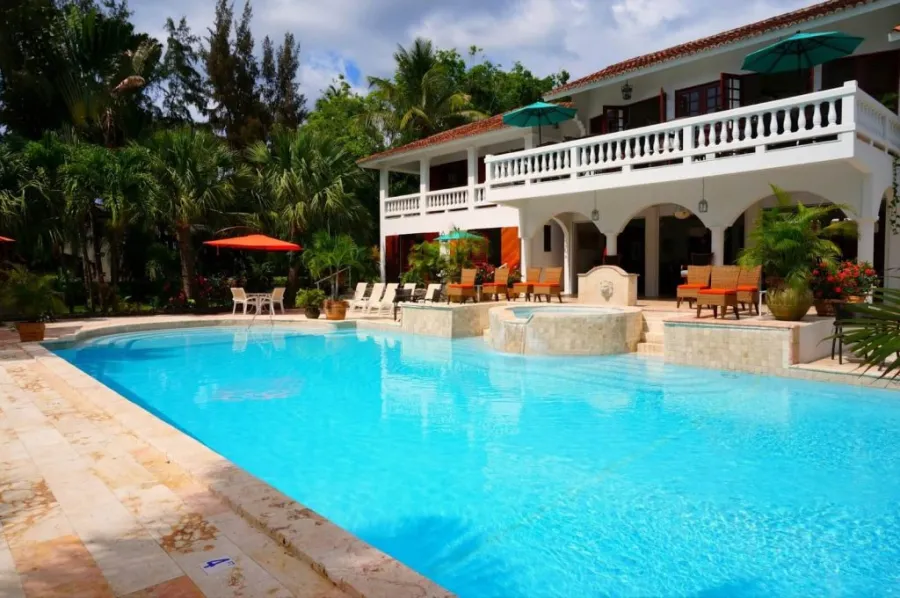
Adding a pool to your house takes everything up a notch. You go from being the average house on the block to the “house with the pool” all because of a single home improvement project. But when it comes to picking out the type of pool you want for your home, there are two options: in ground vs above ground pools.
Not sure which one is best for you? That’s what this guide is for! We’ll do a detailed pool comparison, discuss the pros and cons of each pool, and by the end, you’ll know what fits your needs best. Let’s get started with…
Comparing In Ground and Above Ground Pools
Thinking about adding a pool to your backyard? Choosing between an in ground vs above ground pool can feel overwhelming. Factors like cost and installation, durability, and aesthetics play a big role.
Here are the key differences between in ground and above ground pools:
Cost Comparison
The cost difference between an in ground vs above ground pool is huge. An above-ground pool is much cheaper. If you’re good with tools, you can set one up for just $900. Hiring a pro increases the cost to $4,000–$8,000.
An in-ground pool, however, costs much more. Installing one can range from $30,000 to $50,000, depending on its size and type.
Here’s a simple price chart:
| Pool Type | Price Range (DIY) | Price Range (Installed) |
| Above-Ground | $900 – $3,000 | $4,000 – $8,000 |
| In-Ground | $5,000 – $8,000 | $30,000 – $50,000 |
An above-ground pool saves money, but an in-ground pool lasts longer and adds value. Choose based on your budget and backyard goals.
Aesthetic Appeal
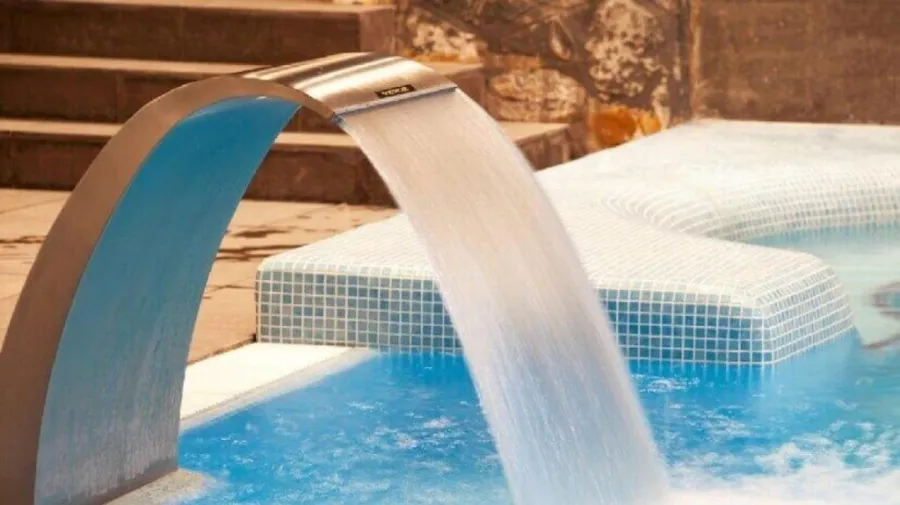
Want a fancy backyard? Go for an in-ground pool. These pools look amazing and can match your landscaping. You can add cool features like waterfalls, lights, or even a spa.
An above-ground pool works well but doesn’t look as stylish. Newer designs and decks can make it look better. If looks and design matter most, an in-ground pool is the winner.
Durability and Longevity
Durability is important when picking a pool. An in-ground pool is built to last. Concrete pools can last for decades if cared for properly. Fiberglass and vinyl pools also last a long time.
An above-ground pool doesn’t last as long, but can still work for 7–15 years with good care. For a long-term option, the advantages of an inground pool are clear.
Customization Options
An in-ground pool gives you lots of choices. You can pick the shape, size, and depth. You can even add special features like tanning ledges or infinity edges. This makes it easy to create a pool that fits your style and adds value to your home.
An above ground pool has fewer choices. Most come in basic shapes and sizes. But you can add decks or landscaping to make it unique. If you love creativity and want to transform your backyard, an in-ground pool is a better pick.
Maintenance Requirements
Taking care of a pool is important. An above-ground pool is easier and cheaper to maintain. Its smaller size means less cleaning and fewer chemicals.
An in-ground pool costs more to maintain but has advanced cleaning systems and automation. Over 10 years, maintenance costs can vary:
| Pool Type | 10-Year Maintenance Cost |
| Concrete | $27,000 to $40,000 |
| Fiberglass | $5,000 to $15,000 |
| Vinyl | $11,000 to $17,000 |
If you want less work, an above-ground pool might be better for you.
Impact on Home Value
An in-ground pool can raise your home’s value a lot. Homes with pools often sell for more money. For example:
- A house with an in-ground pool in Los Angeles can increase in value by $95,000.
- The Remodeling Impact Report says in-ground pools have a 56% return on investment.
An above-ground pool usually doesn’t add value to your property but it can certainly let you have all the fun of an inground pool, minus the big price tag!
If you’re thinking about the future, the advantages of an inground pool include better returns.
In Ground Vs Above Ground Comparison Table
| Features | In ground pool | Above ground pool |
| Cost | Expensive, $30,000 to $50,000. | Affordable, $900 to $8,000. |
| Installation Time | Takes weeks or months. | Ready in days. |
| Aesthetic Appeal | Highly customizable and stylish. | Less stylish, basic designs. |
| Durability | Lasts decades with proper care. | Lasts 7–15 years. |
| Customization Options | Many shapes and features available. | Limited shapes and features. |
| Maintenance Requirements | Higher maintenance costs. | Easier and cheaper to maintain. |
| Impact on Home Value | Increases home value significantly. | Usually does not add value. |
| Relocatable | Cannot be moved once installed. | Can be relocated easily. |
What is an In Ground Pool?
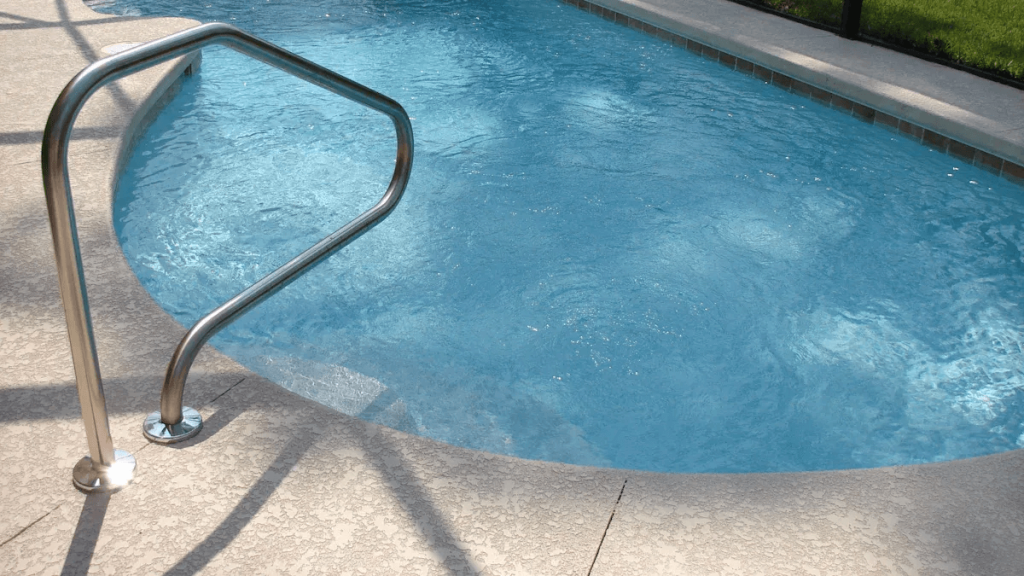
Also known as a semi in ground pool, an in-ground pool is a pool built into the ground. It’s a top pick for homeowners wanting a fancy backyard. These pools can be designed to match your space and style.
Here’s a simple look at how they’re made:
| Feature | Description |
| Design Phase | Plans include yard size, slope, and pool features. |
| Excavation Phase | The pool area is dug out, sometimes hitting hard rocks. |
| Steel and Plumbing Phase | Steel bars strengthen the pool, and pipes manage water flow. |
| Gunite Phase | Gunite, a strong concrete mix, shapes the pool and adds durability. |
This process creates a strong and beautiful pool that lasts for years.
Pros of Inground Pool
An in-ground pool has many benefits that make it worth the cost:
- Aesthetic Appeal: These pools look great and improve your backyard.
- Space Transformation: Change your yard into a fun or relaxing spot.
- Customization Options: Pick the size, shape, and add cool features.
- Durability: Made to last, especially with concrete or fiberglass.
If you want a pool that adds value and lasts long, an in-ground pool is a smart choice.
Cons of Inground Pool
Even though an in-ground pool has great perks, there are downsides:
- High Cost: It costs $30,000 to $50,000 to install.
- Long Installation Time: Building it can take weeks or months.
- Maintenance: It costs more to care for than an over ground pool.
Even with these issues, many people think the benefits are worth it. Comparing in ground vs above ground pool, the choice depends on your needs.

What is an Above Ground Pool?
An above ground pool is a pool that sits on top of your yard instead of being dug into the ground. These pools are popular because they are cheaper and easier to set up.
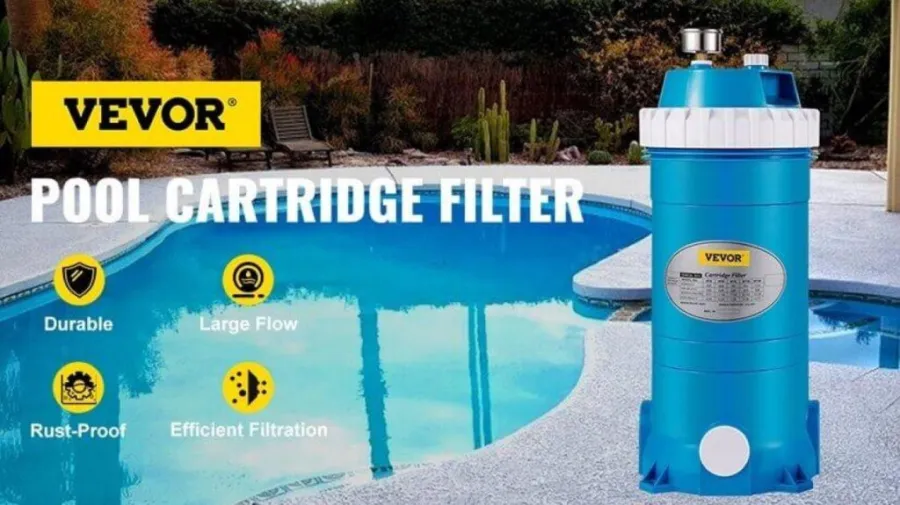
You also might need a sand filter pump to keep your above ground pool clear of any flying debris. You can pick between regular models or ones that are partly buried, depending on what you need.
Here’s a simple look at the types and their features:
| Type of Pool | Characteristics | Pros | Cons |
| Traditional Above Ground Pool | Metal or aluminum walls, plastic posts, vinyl liner, pump and filter system | Easy to set up, can be moved, DIY-friendly, warranty | Needs ground prep, electrical setup, liner care, no deep end |
| Semi-Buried or Fully Buried Pool | Strong insulated walls, handles ground pressure well | Looks like in-ground, quick to install, long-lasting | Can’t be moved, costs more, not DIY-friendly |
These pools are flexible and can fit in most backyards. Whether you want something simple or closer to an in-ground pool, there’s a choice for you.
Pros of Above Ground Pools
An above ground pool has many good points that make it a smart pick for homeowners:
- Affordable: The over ground pool cost is much lower than an in-ground pool, making it great for people on a budget.
- Quick Installation: It can be ready in just a few days. Some types even let you set it up yourself.
- Relocatable: If you move, you can take the pool with you.
- Growing Popularity: These pools are becoming more common, with the market expected to grow from $2.97 billion to $3.14 billion by 2025 due to their low cost and suburban appeal.
- Smart Pool Systems: Newer pools with smart features make cleaning easier, saving 30% of your time.
If you want a pool that’s simple to install and care for, an above-ground pool could be the right choice.
Cons of Above Ground Pools
Even though an over ground pool has many benefits, it also has some downsides:
- Ongoing Maintenance: Taking care of the pool can get expensive over time.
- Insurance Costs: Some homeowners pay more for insurance because of safety concerns.
- Safety Risks: Without proper safety measures, these pools can be dangerous for kids.
- Takes Up Space: They can use up a lot of your yard, leaving less room for other activities.
Even with these issues, many people think the benefits are worth it. When deciding between an in ground vs above ground pool, it all depends on what matters most to you.
FAQ
What is the main difference between an in ground vs above ground pool?
An in ground pool is built into the ground, offering durability and customization. An above ground pool sits on the surface, making it more affordable and easier to install.
How long does an above ground pool last compared to an in ground pool?
An above ground pool lasts 7–15 years with proper care. An in ground pool, especially concrete ones, can last decades, making it a better long-term investment.
Does an above ground pool cost less to maintain?
Yes, maintaining an above ground pool is cheaper. Its smaller size requires fewer chemicals and less cleaning, saving you time and money over the years. You can also protect your above ground pool from punctures by lining it with a sturdy pool liner pad!
Conclusion
Deciding on an in ground vs above ground pool depends on your money, design, and future plans. An above ground pool costs less and is easy to set up. An in-ground pool lasts longer and can be customized.
If you’re sold on getting yourself an above-ground pool experience, let VEVOR help you set it up with our best above-ground pool tools! Whether you’re looking for a pool cover, sand filter pump, or a hearty pool pump that fills it up within minutes, we’ve got you covered.