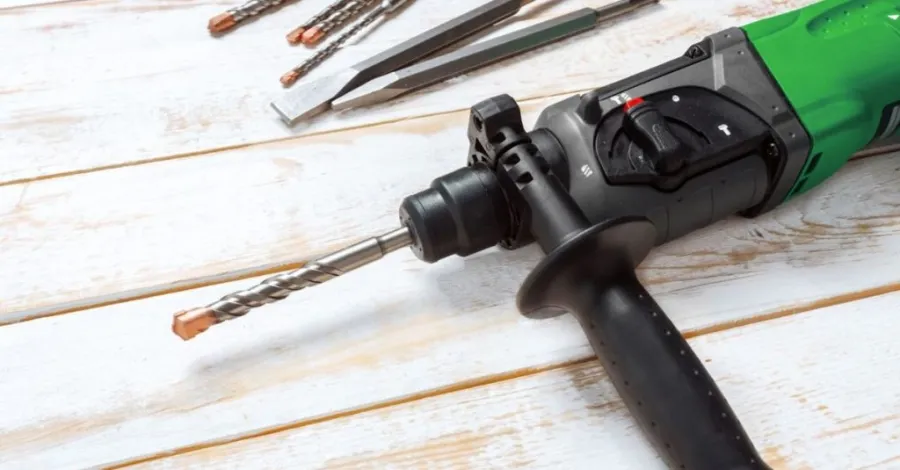
Choosing the right impact tool makes every project easier and safer. Start by matching the tool to your main tasks. Use an impact wrench with a quality socket set for heavy-duty nuts and bolts, an impact drill for drilling into hard materials, and an impact driver for driving screws quickly. Think about what matters most—power, speed, portability, or budget—before you decide. Compare how an impact wrench vs. an impact drill fits your work style and daily needs. A clear plan helps you avoid mistakes and save money. Make a quick list of your most common projects, then pick the tool that delivers the best results.
Impact Wrench
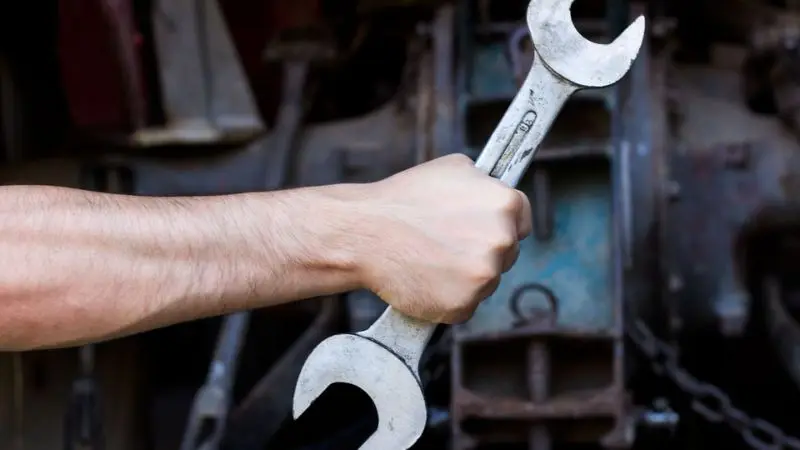
An impact wrench is a must-have for jobs that require raw power and speed. Whether you work in an auto shop or handle heavy construction, this tool delivers the force needed to tackle stubborn bolts and large fasteners. Pair it with a durable socket set for the best results. Understanding how it works will help you decide when to use an impact wrench vs. an impact drill for your projects.
What Is an Impact Wrench
An impact wrench is a heavy-duty power tool designed to loosen or tighten bolts and nuts that regular wrenches cannot handle. It uses a motor to create high torque, delivering strong, rapid bursts of power with each rotation. This makes it perfect for tasks like removing rusted fasteners, tightening lug nuts, or assembling large structures. You’ll often find impact wrenches in automotive repair shops, construction sites, and factories where heavy-duty fastening is required.
Common Impact Wrench Uses
Impact wrenches are built for jobs that demand extreme torque. The most common use is removing lug nuts on cars, trucks, and other vehicles, which makes them a top choice in the debate of impact wrench vs drill for automotive work. Mechanics also use them for assembling steel frames, working on large machinery, and loosening corroded bolts. In addition to professional tasks, an impact wrench can help with big home projects where a standard drill or wrench simply isn’t strong enough. Whenever you need more force than a manual or light-duty tool can give, an impact wrench saves time and effort.
Pros and Cons of an Impact Wrench
Like any tool, an impact wrench has advantages and drawbacks. Knowing them will help you decide if it fits your needs.
Pros
- Delivers high torque for demanding jobs
- Saves time when removing or tightening bolts
- Essential for automotive repairs and heavy machinery
- Handles stubborn, rusted fasteners with ease
Cons
- Heavier and bulkier than other tools
- Can be too powerful for light tasks
- Requires the correct sockets to avoid damage
- Louder than hand tools and basic drills
If you often work with cars, trucks, or heavy equipment, the impact wrench is a reliable powerhouse. It outperforms a drill in raw strength and is the best choice for tasks like impact wrench vs. impact drill for lug nuts, where maximum torque is essential.
Impact Driver
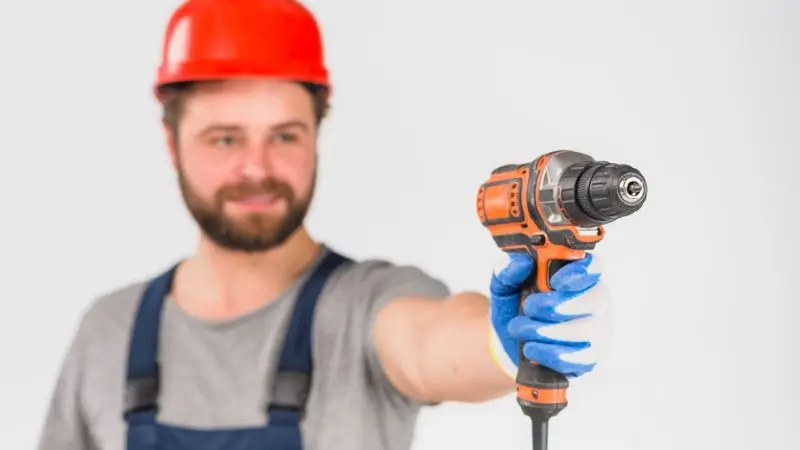
An impact driver is a compact, high-speed tool designed for driving screws and small bolts into tough materials. While it looks like a drill, it works differently by delivering rapid bursts of force to push fasteners deep without stripping them. Pair it with a reliable socket set for added versatility. Knowing how it compares to other tools, such as an impact wrench vs. an impact drill, helps you decide when an impact driver is the best fit for your project.
What Is an Impact Driver
An impact driver is a lightweight power tool that provides quick, repeated bursts of torque. This design makes it ideal for driving long screws, lag bolts, and fasteners into wood, metal, or other dense materials. Compared to an impact wrench, it offers more control and precision for smaller fasteners. You can use it for jobs where an impact wrench would be too strong or where a regular drill might struggle. Because it is lighter and easier to handle, it works well for both professionals and DIY users.
Common Impact Driver Uses
Impact drivers shine in woodworking, construction, and light automotive work. They are perfect for building decks, assembling furniture, or installing drywall where consistent torque is key. Professionals often use them for framing and cabinetry, while homeowners rely on them for quick repairs. In the debate of impact wrench vs. impact drill for woodworking, an impact driver is a great middle ground for driving screws efficiently. Some mechanics also use them for small automotive tasks, but for heavy bolts—like impact wrench vs. drill for automotive work—you’ll need a more powerful impact wrench.
Pros and Cons of an Impact Driver
Before you choose between an impact driver, an impact wrench, or a drill, it’s helpful to weigh the strengths and limits of this tool.
Pros
- Strong driving force for screws and small bolts
- Lighter and easier to handle than an impact wrench
- Reduces fatigue during long projects
- Excellent for woodworking and home repairs
- Provides more control than heavy-duty tools
Cons
- Less powerful than an impact wrench
- Cannot handle large, stubborn bolts
- Requires special bits for best results
- Not ideal for heavy automotive repair
An impact driver is best for users who need speed and control without excessive torque. It bridges the gap between a drill and a wrench, making it a versatile choice for many household and professional tasks.
Impact Drill
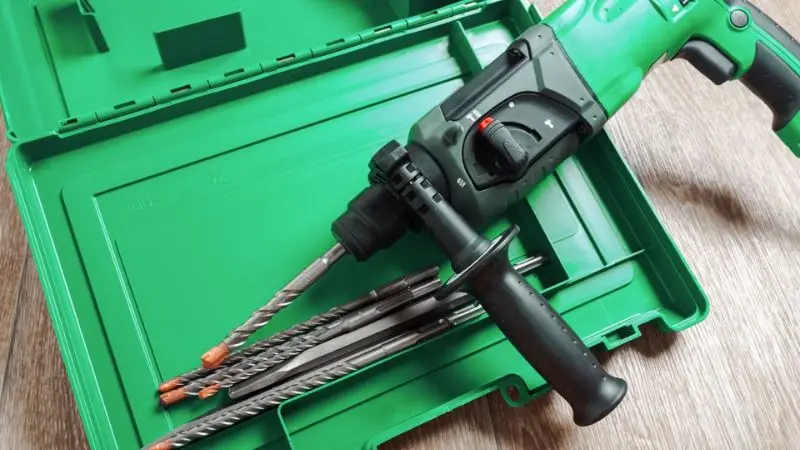
An impact drill is a powerful tool for drilling holes in tough surfaces where a regular drill would struggle. It looks similar to a standard drill but delivers stronger force and a hammering action that helps the bit cut through dense materials. Understanding how it differs from other tools—such as impact wrench vs. impact drill or impact driver—will help you choose the right tool for every project.
What Is an Impact Drill
An impact drill combines rotational force with a rapid hammering motion to pierce hard surfaces like brick, concrete, or metal. You simply hold the tool steady while the internal mechanism drives the bit forward, making the work easier and faster. This extra power is what sets it apart from a basic drill. It’s the tool of choice when you need more force than a standard drill can deliver but don’t require the extreme torque of an impact wrench.
Common Impact Drill Uses
Impact drills excel in projects that involve dense or rigid materials. They are ideal for drilling holes in concrete walls, steel beams, or thick wood. Homeowners often rely on them for mounting TVs, installing heavy shelves, or pre-drilling holes for large screws. In some cases, they can assist with light automotive tasks, but for bolts and lug nuts, the debate of impact wrench vs. drill for automotive work always favors the wrench. Similarly, for driving screws in furniture or decks, a driver performs better. The impact drill shines when the job calls for drilling power rather than fastening.
Pros and Cons of an Impact Drill
Before you buy an impact drill, consider its advantages and limitations to see how it fits your needs.
Pros
- Handles tough drilling jobs with ease
- Works on concrete, masonry, metal, and hardwood
- Saves time on demanding projects
- Simple to use for most homeowners
- Useful for both home improvement and some automotive tasks
Cons
- Not as powerful as an impact wrench for bolts
- Heavier and louder than a basic drill
- Requires special bits for certain materials
- Less effective at driving screws than an impact driver
For anyone comparing impact wrenches vs. impact drills for woodworking or heavy repairs, remember that the drill specializes in drilling holes, while wrenches and drivers handle bolts and screws. Matching the tool to the task ensures cleaner results and faster work.
Key Differences Between Impact Wrench, Impact Driver, and Impact Drill
Before buying a new tool, it helps to compare the key features of these three powerhouses. Understanding when to use an impact wrench vs. an impact drill, or how a driver fits into the mix, will guide you toward the right choice for every project.
Torque and Power
Torque is the biggest factor when comparing these tools.
- Impact wrench – Delivers extremely high torque, perfect for stubborn bolts, heavy machinery, and jobs like impact wrench vs. impact drill for lug nuts where maximum force is required.
- Impact driver – Provides medium torque, strong enough to drive screws and small bolts without stripping them.
- Impact drill – Offers the least torque, focusing on drilling clean holes rather than fastening.
Match the torque to the job: more torque for heavy automotive tasks, less for precision drilling.
Speed and Control
Speed and precision matter in projects that need accuracy.
- Impact driver – Fast and easy to control, ideal for driving screws into wood or metal with minimal effort.
- Impact drill – Lets you adjust speed to drill smooth, precise holes in tough materials.
- Impact wrench – Prioritizes raw power, offering less fine control but unbeatable force.
For woodworking or delicate assembly, the driver or drill gives a better balance between speed and accuracy.
Size and Weight
Comfort is key when using a tool for long periods.
- Impact wrench – Heavy and bulky, built for large bolts and heavy construction work.
- Impact driver – Compact and lightweight, making it easy to use overhead or in tight spaces.
- Impact drill – Falls in between, giving balanced size and power for drilling tasks.
Choose a size that fits your grip and the length of your typical projects.
Drive Type
Each tool connects to bits or sockets differently.
- Impact wrench – Uses a square drive to secure sockets for bolts and nuts.
- Impact driver – Uses a 1/4″ hex drive for screwdriver bits and small fasteners.
- Impact drill – Uses a chuck to hold drill bits of various sizes.
Always match the drive type to your accessories for safe and accurate results.
Applications
The best tool depends on your main tasks.
- Impact wrench – Ideal for automotive repair and heavy construction, especially impact wrench vs drill for automotive work where maximum torque is needed.
- Impact driver – Great for woodworking, furniture building, and driving long screws quickly.
- Impact drill – Designed for drilling holes in wood, metal, masonry, and concrete.
Knowing these applications will help you pick the right tool, whether it’s an impact wrench vs. an impact drill for woodworking or heavy-duty automotive repairs.
How to Choose Between an Impact Wrench and Impact Driver
Choosing the right tool starts with understanding your main projects. Comparing an impact wrench vs. impact drill is helpful, but many people also wonder when to pick a driver instead of a wrench. Both tools deliver power, yet their performance and purpose differ. By looking at your tasks, torque needs, and budget, you can decide which option will serve you best.
Match the Tool to Your Project
Always match the tool to the type of work you do most. If your projects involve automotive repairs or heavy machinery, you need a tool that delivers maximum torque. An impact wrench is built for stubborn bolts and large fasteners, making it ideal for mechanics and construction crews.
On the other hand, if you focus on woodworking, building decks, or assembling furniture, an impact driver is the smarter choice. It gives you better control for driving screws and small bolts without stripping them, which is why many professionals prefer it for precision tasks.
Consider Power and Torque
Torque measures the turning force of a tool, and it plays a key role in performance. An impact wrench provides far more torque than a driver, which is why it dominates in heavy-duty applications like impact wrench vs drill for automotive work or loosening rusted lug nuts.
An impact driver delivers medium torque but offers higher speed and accuracy, making it perfect for projects that require quick fastening rather than raw strength. Think about whether you need sheer power or precise control before making a decision.
Portability and Budget
Weight, size, and cost can also influence your choice. Impact wrenches are heavier and bulkier, which can be tiring if you need to carry them around a job site or use them overhead. Impact drivers are lighter, easier to handle, and generally more portable, making them convenient for long sessions or tight workspaces.
Price is another factor—impact drivers usually cost less than wrenches, which makes them a good starting point if you have a limited budget. For woodworking and home repairs, a driver saves both money and effort, while professionals who need high torque may find the investment in an impact wrench worthwhile.
Real-World Uses
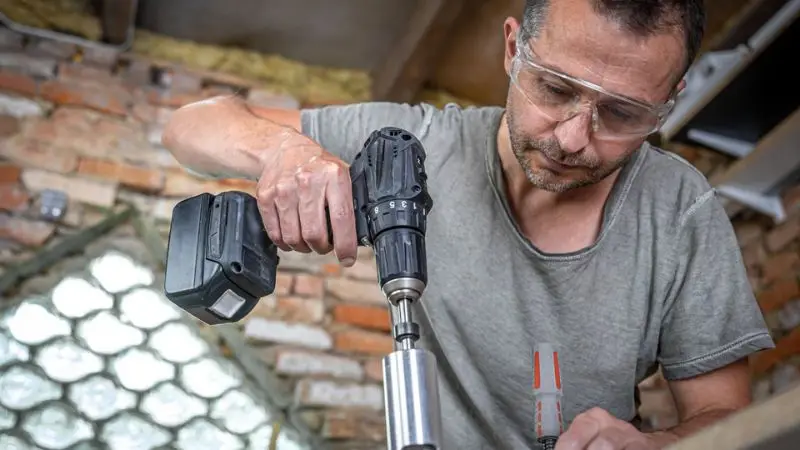
Different projects call for different tools, and understanding when to choose each one can save time and effort. An impact wrench, impact driver, and impact drill all serve unique purposes. The best results come when you match the tool to the job and think about torque, speed, and material needs. Below are the key real-world situations where each tool works best.
When to Use an Impact Wrench
An impact wrench is the first choice when a project demands very high torque. It loosens or tightens large bolts and nuts with ease, making it essential for mechanics and builders. You see it most often in automotive repair, especially for impact wrench vs. impact drill for lug nuts, where removing wheels requires strong bursts of power.
Construction workers also use it to assemble steel beams or tighten heavy fasteners. Farmers and equipment technicians rely on it for machinery repairs. Unlike drills, the wrench delivers quick torque without tiring the user, but it is not suited for delicate screws or light materials.
When to Use an Impact Driver
An impact driver is perfect for fast, controlled screw driving in wood or light construction. It offers enough torque for most home projects while staying easy to handle. Builders often compare when to use an impact wrench vs. an impact drill before starting work, but the driver shines when assembling furniture, installing cabinets, or framing walls.
It provides steady power without stripping screws, making it ideal for tasks like decking or drywall installation. The lighter design allows long use without fatigue, but it is not meant for drilling into concrete or handling heavy automotive bolts.
When to Use an Impact Drill
An impact drill is the tool you need when drilling holes into hard surfaces like concrete, brick, or steel. It combines hammering action with rotation, allowing you to create anchor points for shelves, TVs, or heavy fixtures. In many projects, people debate impact wrench vs. impact drill for woodworking, but drilling tasks require the drill’s unique force.
It excels in construction jobs where anchors or bolts must be set deep into masonry. While it can handle tough materials, it lacks the raw torque of a wrench and is not suitable for loosening large fasteners or removing lug nuts.
Wrap Up
Choosing between an impact wrench, impact driver, or impact drill depends on the job you need to finish. An impact wrench delivers the high torque needed for heavy tasks like removing lug nuts or working on large machinery. An impact driver gives speed and control for driving screws in woodworking or light construction.
An impact drill makes clean holes in concrete, brick, or metal. Understanding when to use an impact wrench vs. an impact drill helps you work faster and safer. Match the right tool to your project, and you’ll save time, protect materials, and get professional results every time.
FAQ
Can you use an impact wrench to drive screws?
No, you should not use an impact wrench for screws. This tool gives too much torque. You risk damaging the screw or the material. Use an impact driver for driving screws.
What is the main difference between an impact drill and a regular drill?
An impact drill uses a hammering action. You can drill into hard materials like concrete or brick. A regular drill works best for wood or soft metal. You get more power with an impact drill.
Do you need special bits for an impact driver?
Yes, you need bits with a 1/4″ hex shank for an impact driver. These bits fit securely and handle the force. Regular drill bits may break or slip.
Which tool is best for home repairs?
You get the most use from an impact drill for home repairs. This tool helps you drill holes in wood, metal, and masonry. You can also use an impact driver for screws and small bolts.