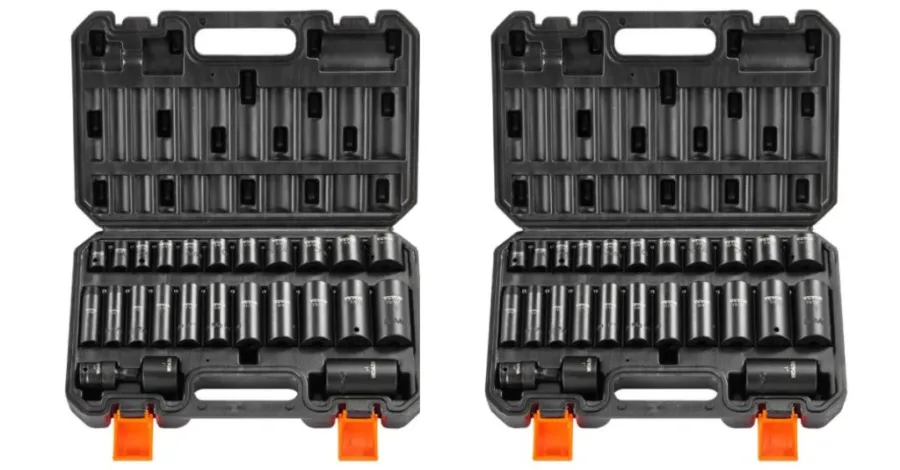
The right tool can turn a tough job into a smooth success, which is why impact socket vs regular socket is more than just a choice; it’s the key to safe and efficient work. Using the wrong socket might cause a lot of damage or make a project fail. Impact sockets work well with power tools on jobs that require a lot of torque. In contrast, ordinary sockets work best with hand tools on chores that require precision. In this blog, we’ll break down their differences, strengths, and best usage so you can choose the right socket for your job and keep both your tools and yourself safe.
What Are Impact Sockets?
Features
Impact sockets are made of different materials and are not as durable as regular sockets. They can handle heavy-duty impact work because they are made of chrome molybdenum steel. Because of their black oxide finish, they won’t rust and will last a long time. They are stronger than regular sockets because their walls are thicker, which lets them handle more pressure without breaking. When it comes to DIY projects, the impact socket is better than the standard socket because it has a better grip that keeps you from slipping and rounding nuts. They come in many sizes, so you can always find the right fit. So, if you’ve been wondering, “Are impact sockets worth it?”, the answer is clear: they’re the dependable workhorses every toolbox deserves.
Uses
Impact sockets are built for high-torque tasks, making them a top choice for mechanics, DIY users, and heavy equipment work.
- Perfect for changing tires, suspension repairs, and machinery maintenance.
- Strong enough to handle impact wrenches without breaking.
- Provide safety, durability, and reliable performance.
- Are impact sockets worth it? Yes—they ensure long-lasting tools, safer work, and efficient results in demanding applications.
| Impact Socket Benefits | Why It Matters |
| Handles high torque | Prevents breakage |
| Thick walls | Withstands heavy-duty use |
| Rust-resistant finish | Lasts longer, stays reliable |
| Tight fit | Protects fasteners and sockets |
What Are Regular Sockets?
Features
Regular sockets are lighter than impact sockets, usually made from chrome vanadium steel with a polished, rust-resistant finish. Their thinner walls make them ideal for tight spaces, and they are available in both deep and shallow types to suit different bolt lengths.
Various drive sizes, such as 1/4-inch, 3/8-inch, and 1/2-inch, allow easy pairing with hand tools. However, regular sockets are not designed for high-torque impact wrenches. Understanding how to identify impact sockets vs regular sockets is essential to avoid damage or injury. Choosing the correct socket ensures safety, protects your tools, and delivers reliable performance in mechanical or DIY applications.
Uses
Regular sockets are ideal for everyday hand-tool work. Knowing how to identify impact sockets vs regular sockets helps ensure you choose the right one for the job.
- Perfect for hand tool projects with ratchets or torque wrenches.
- Great for light automotive repairs and minor engine work.
- Useful for home improvement and furniture assembly.
- Best for light to medium-duty tasks, offering safety and efficiency.
Impact Socket vs Regular Socket: Key Differences
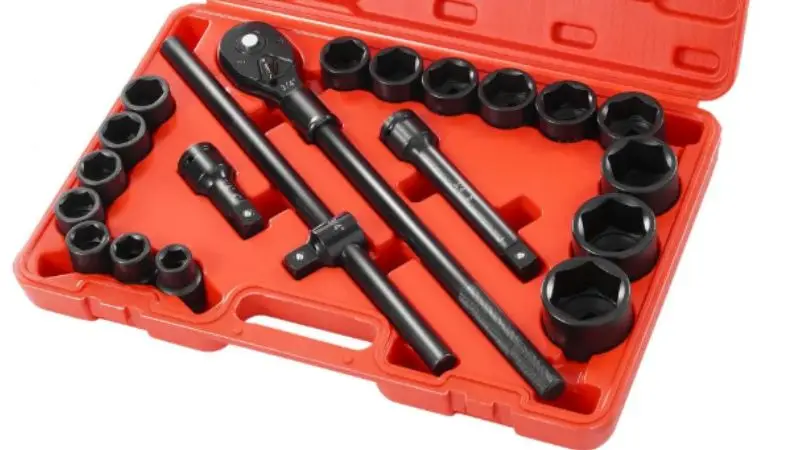
Impact socket vs regular socket for DIY is about matching the tool to the task. Impact sockets endure high torque, while regular sockets handle lighter jobs, ensuring safe, efficient, and lasting results.
Material & Build
Impact sockets are made from chrome molybdenum steel, offering greater strength for high torque. Regular sockets use lighter chrome vanadium steel, which works well for hand tools but cannot handle the same force.
Impact sockets have thicker walls for durability, while regular sockets fit tight spaces but may crack under pressure. Are impact sockets worth it? Yes, they deliver long-lasting performance and safety for demanding work, especially when paired with power tools or heavy-duty applications.
Here’s a quick table to help you see the differences:
| Feature | Impact Socket | Regular Socket |
| Material | Chrome Molybdenum | Chrome Vanadium |
| Wall Thickness | Thick | Thin |
| Finish | Black (rust-resistant) | Shiny Chrome |
| Strength | High (heavy-duty) | Medium |
Tip: If you need a socket for a heavy-duty job, always check the material and wall thickness first.
Tool Compatibility
Before starting any project, think of it like a quick check at the workbench. Spotting the difference in weight, finish, and design is often how to identify impact sockets vs regular sockets without needing a guide.
- Impact sockets are designed for power tools and high-torque applications.
- Regular sockets work best with hand tools for light to medium tasks.
- Using the wrong socket type can cause breakage or safety hazards.
- Always check tool compatibility before starting any project.
Safety
Safety is a big reason to know the key differences between these sockets. Impact sockets protect you when you use high-torque tools. Their thick walls and challenging build keep them from shattering under pressure. If a socket breaks while you use it, sharp pieces can fly off and cause injury.
Regular sockets are safe for hand tools, but not for impact tools. If you use a regular socket with too much torque, it can crack or explode. That’s why you should never mix up your sockets and tools.
Warning: Never use a regular socket on an impact wrench. It’s not worth the risk.
Cost
Impact socket vs regular socket for DIY helps you to prevent costly mistakes. When DIYers choose between an impact socket and a standard socket, price and use are essential. Impact sockets are more expensive because they are made of stronger materials and are built to last longer. They are great for jobs that require a lot of torque. Regular sockets are less expensive and work great for minor fixes and hand tools.
It saves money in the long run to pick the right type because it keeps tools from breaking and makes mistakes that cost a lot of money. Think about the cost, material, safety, suitability, and how well it works with other things before making a choice. Using the right socket for your next DIY job will make it safer, more efficient, and give you better results.
Performance Comparison
Durability
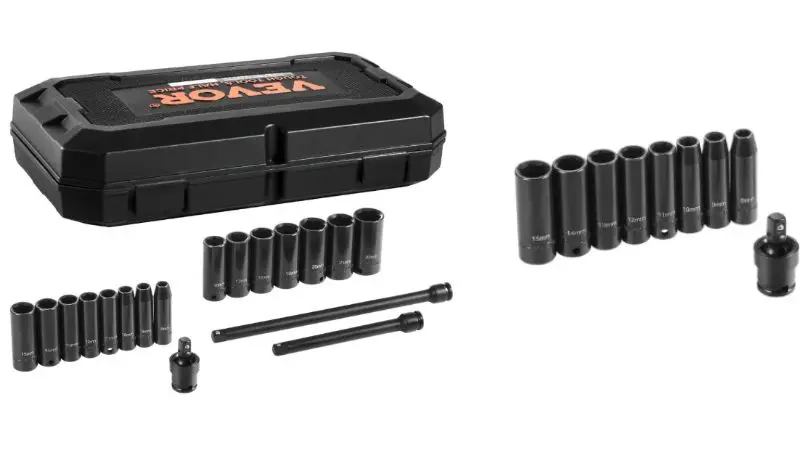
When comparing sockets, a quick look and feel can reveal their purpose. Impact sockets are heavier with a black finish, built to withstand high torque and resist rust. Regular sockets are lighter, shinier, and perfect for hand tool work, but less durable under stress.
This difference in weight, finish, and durability is a practical example of how to identify impact sockets vs regular sockets. Choosing the right type ensures safety, protects your tools, and helps you complete projects efficiently, whether they are light or heavy-duty tasks.
Fit & Effectiveness
Impact sockets provide a secure grip, handling high torque without slipping or damaging bolts. Regular sockets also fit well but work best with hand tools and lighter tasks. Choosing correctly avoids tool and fastener damage. Impact socket vs regular socket for DIY ensures you match the correct socket to the job, delivering safety, efficiency, and the best performance for any project, whether light household repairs or more demanding mechanical work.
Here’s a quick table to help you see the difference:
| Socket Type | Best For | Risk of Damage | Rust Resistance |
| Impact Sockets | High torque, power tools | Low | High |
| Regular Sockets | Hand tools, light torque | Medium | Medium |
Note: Using the right socket gives you better performance and keeps your project on track.
Pros and Cons
Impact Sockets
- Stronger and more durable, ideal for high torque
- Thick walls reduce cracks and increase safety
- Black finish resists rust for longer tool life
- Downsides: higher cost, heavier weight, and bulkier design for tight spaces
Here’s a quick table to help you see the advantages and disadvantages:
| Advantages | Disadvantages |
| Strong and durable | Higher price |
| Rust-resistant finish | Heavier and bulkier |
| Safer for high-torque use | Not ideal for tight spaces |
Regular sockets
Regular sockets are affordable and practical for light-duty hand tool work. They fit tight spaces and are comfortable for extended use.
- Lower cost, ideal for budget-friendly projects.
- Thin walls reach bolts in tight spots.
- Lightweight design reduces fatigue.
- Not suitable for high-torque or power tools.
- Less safe and durable than impact sockets for heavy jobs.
Choosing the Right Socket
Project Needs
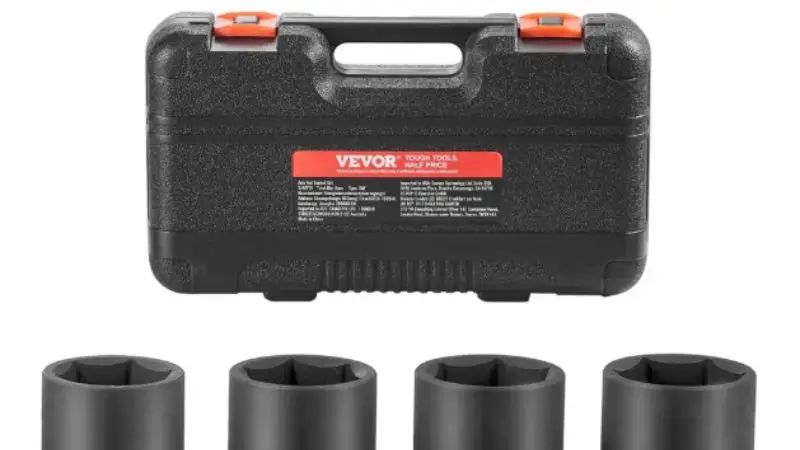
Choosing the right socket depends on your tools and project needs. Impact socket vs regular socket for DIY helps you work efficiently and safely.
- Use impact sockets with power tools for high-torque jobs like tire changes.
- Choose regular sockets for light tasks such as furniture assembly or minor repairs.
- Match socket type to torque requirements and tool compatibility.
- Consider the budget and usage frequency to select the most practical option.
Here’s a quick table to help you decide:
| Project Type | Tool Used | Best Socket Type |
| Heavy machinery | Impact wrench | Impact socket |
| Tire changes | Impact wrench | Impact socket |
| Home repairs | Hand ratchet | Regular socket |
| Furniture assembly | Hand ratchet | Regular socket |
Tip: Always match your socket to your tool and the job. This keeps your tools working longer and helps you stay safe.
Safety Tips
Safety matters when using sockets. Choosing the right one prevents injuries and protects tools. Are impact sockets worth it? Yes—using them with power tools ensures safety and durability.
- Never use regular sockets with impact wrenches.
- Inspect sockets for cracks or damage before using.
- Wear safety glasses to protect against flying debris.
- Store sockets in a dry place to prevent rust
- Use the correct size to avoid slipping or rounding fasteners.
Conclusion
Choosing wisely when it comes to impact socket vs regular socket can completely change the way you work, improving both efficiency and safety. Impact sockets are the go‑to choice for high torque applications with power tools. In contrast, regular sockets are perfect for lighter, hand‑tool tasks.
Using the correct socket not only protects your tools but also ensures your safety and delivers better results. Before starting your next project, take a moment to match the socket type to your job requirements. This simple step will help you work more efficiently, avoid costly mistakes, and keep your tools performing at their best for years to come.
FAQ
Can you use impact sockets with hand tools?
Yes, you can use impact sockets with hand tools. They work just fine for regular jobs. You might notice they feel heavier, but they fit and turn bolts just like regular sockets.
What happens if you use a regular socket on an impact wrench?
Using a regular socket on an impact wrench can break the socket. Pieces might fly off and hurt you. Always use impact sockets with power tools for safety.
Why are impact sockets black?
Manufacturers coat impact sockets with a black oxide finish. This finish helps prevent rust and makes the socket last longer. It also enables you to tell them apart from shiny regular sockets.
Do impact sockets wear out faster than regular sockets?
No, impact sockets usually last longer for heavy jobs. The tough steel and thick walls help them handle more stress. You get better durability when you use them with the right tools.
Are impact sockets worth the extra cost?
- If you use power tools or work on tough jobs, impact sockets are worth it.
- They keep you safe and last longer.
- For light, hand-tool work, regular sockets save you money.