You’ve got a DIY project lined up, maybe assembling a deck, installing shelves, or hanging that long overdue gallery wall. You pull out your toolbox, only to realize you’re not sure which tool to grab: the impact driver or the drill. One promises power, the other precision, but which one’s actually right for the job?
Choosing the wrong tool can mean stripped screws, cracked surfaces, or even starting over. In this guide, we’ll break down the key differences between an impact driver and a drill. Understanding the impact driver vs drill debate helps you choose the right tool for your needs.
5 Main Impact Driver vs Drill Differences
Let’s dive into the 5 main differences between an impact driver vs drill:
1. Power and Torque Comparison
When looking at the power of an impact driver vs drill bits, torque is important. Torque is the twisting strength a tool has. It shows how well it can drive screws or bolts.
Impact drivers are stronger here, giving much more torque than drills. This makes it great for tough jobs like driving big screws into hard materials. Drills, however, have less torque.
Impact drivers also have a special mechanism that gives bursts of power, which in turn helps them handle tough materials better. Drills don’t have this feature and may struggle with harder tasks.
2. Speed and Control Features
Speed and control are key when picking between an impact driver vs drill. Drills usually spin faster, making them better for precise holes. For instance, the VEVOR drill spins up to 670 RPM. This lets you work quickly on wood or metal. Impact drivers, however, focus on torque over speed. They spin slower but give more power.
Drills often have adjustable clutch settings. These let you control torque to avoid damaging screws or materials. Impact drivers use their impact mechanism for control. This might take more practice to use well.
Tip: Use a drill for careful, small tasks. Use an impact driver for heavy-duty jobs.
3. Design and Ergonomics
The shape of a tool affects how easy it is to use. Impact drivers are smaller and lighter than drills. This makes them easier to use in tight spots. Many drills weigh over 3 lbs. A lighter tool means less tired hands during long jobs.
Drills, though, often have a balanced design with a pistol grip. This gives better control for precise work. They also may have extras like built-in levels or LED lights. These features make them useful for different tasks.
Both tools are made to be comfortable, but your choice depends on the job. If you’re working in small spaces or overhead, an impact driver is better. For steady, careful work, a drill’s grip is more helpful.
When picking between an impact driver and a drill, think about how loud and shaky each tool is. These things can affect how comfortable you feel and where you can use them.
4. Noise Levels
Impact drivers make a lot of noise. They use bursts of power that create sharp, repeating sounds. This can be annoying, especially in quiet places like homes. For example, using one in a calm neighborhood might bother people nearby. If you use it for a long time, you might need ear protection.
Drills are quieter than impact drivers. They make a steady sound instead of loud hammering noises. This makes them better for indoor jobs or places where keeping noise down is important. If you’re working late or sharing space with others, a drill is less likely to cause problems.
Tip: Look at the tool’s decibel rating before buying. Lower numbers mean less noise and a more peaceful experience.
5. Vibration Levels
Vibration is another thing to think about. Impact drivers shake more because they use high torque and bursts of power. This can make them harder to hold during long jobs. If you’re working with tough materials, the shaking might tire your hands or make you less accurate.
Drills don’t shake as much. They don’t use bursts of power, so they feel smoother. This makes them easier to control for careful jobs like drilling small holes or working with soft materials. A drill feels steadier in your hands, which helps you work more precisely.
What is a drill?
A drill is a versatile power tool designed primarily for creating holes in various materials like wood, metal, or plastic. It uses adjustable speeds and different drill bits to handle a range of tasks with precision.
Most drills also have a clutch setting that allows for controlled screw-driving without overdriving or damaging materials. Ideal for lighter-duty tasks and general use, a drill is a go-to tool for both DIYers and professionals.
Advantages of Using a Drill
A drill is a versatile tool suitable for various tasks. Here are some of the perks:
- Adjustable torque settings prevent damage or screw stripping
- Ideal for precise drilling in wood, metal, and other materials
- Smooth operation makes it perfect for detail-oriented work
- Often includes helpful features like LED lights and ergonomic grips
- Great all-purpose tool for DIY and home improvement projects
Disadvantages of a Drill
Drills are handy but have some downsides. Here’s a list of some of them:
- Less powerful for driving large screws or working with tough materials
- Can struggle with hardwood or metal, slowing down progress
- Bulkier and heavier than impact drivers, harder to use in tight spaces
- Lacks impact mechanism, making it ineffective for stuck or stubborn screws
- Not ideal for heavy-duty or high-torque applications
What is an impact driver?
An impact driver is a powerful tool designed for driving screws, bolts, and fasteners into tough materials like hardwood or metal. It uses quick bursts of rotational force (impacts) to deliver high torque, making it more effective than a drill for heavy-duty fastening.
Unlike a drill, it doesn’t have a clutch, but its compact size and strong performance make it ideal for construction and assembly tasks. Impact drivers are especially useful when working with long screws or dense materials that standard drills may struggle with.
Benefits of an Impact Driver
An impact driver is powerful and works fast. Here are some benefits:
- Delivers bursts of power, ideal for driving screws into tough materials
- Perfect for heavy-duty tasks like building decks or framing projects
- Compact and lightweight design fits tight spaces and reduces hand fatigue
- High torque makes quick work of stubborn screws and bolts
- Proven performance in tests—finishes demanding jobs efficiently
Whether you’re a pro or a DIY fan, this tool saves time and effort on hard jobs.
Downsides of an Impact Driver
An impact driver is strong, but it has some downsides:
- Lacks precision, making it unsuitable for delicate work or accurate drilling
- High torque can overdrive screws or damage soft materials
- Limited versatility—primarily designed for driving screws, not drilling
- Requires hex-shank bits for drilling, still less flexible than a standard drill
- Very loud due to hammering action; ear protection often needed
- Steeper learning curve for beginners; takes practice to control accurately
Use Cases for Drill vs Driver
Not sure when to use impact driver vs drill? Here are some cases to help you figure out what you need:
When to use a drill
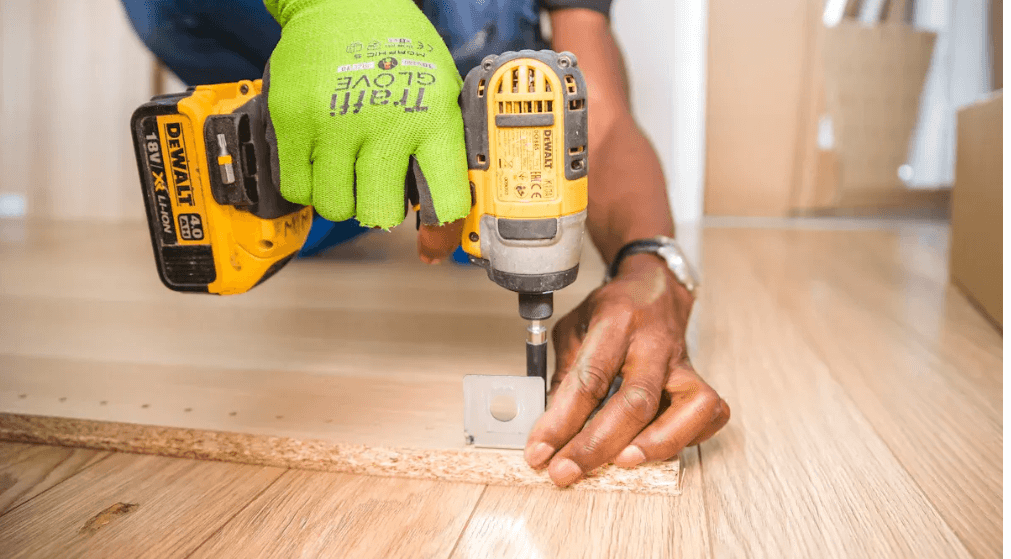
A drill is great for jobs needing accuracy and flexibility. It’s perfect for making neat holes in wood, metal, or other materials. Here are times when a drill works best:
- Furniture Assembly: Drills make pilot holes to stop wood from splitting.
- Home Repairs: Use drills for hanging shelves or curtain rods on walls.
- Metalworking: With the right bit, drills can handle metal for small projects.
- DIY Projects: Build birdhouses or garden planters with a drill’s flexibility.
Tip: Adjust the drill’s clutch to avoid damaging screws or materials.
When to use an impact driver
An impact driver is best for tough jobs needing high power. It’s great for driving screws into hard materials like hardwood or metal. Its bursts of power make fastening quick and prevent stripping screws. This tool is loved by both pros and DIY fans for heavy-duty tasks.
Use an impact driver for these jobs:
- Deck Building: Easily drive long screws into treated wood.
- Framing and Roofing: Handle big fasteners for construction work.
- Automotive Repairs: Tighten or loosen bolts in small spaces with ease.
- Cabinet Installation: Secure screws tightly without harming the material.
Note: Wear ear protection because impact drivers can be very loud.
When can you use either?
Some jobs need both tools for the best results. Here are tasks where both tools are helpful:
- Assembling Outdoor Furniture: Drill holes first, then secure screws with an impact driver.
- Installing Drywall: Drill holes for anchors, then use an impact driver for screws.
- Building a Shed: Drills handle precise work; impact drivers fasten heavy screws.
- Repairing Fences: Drill holes in posts, then drive screws with an impact driver.
Knowing what each tool does well helps you pick the right one—or use both—for your tasks. Whether drilling holes or driving screws, the right tool makes work easier and better.
For example, use a drill to make pilot holes, then switch to an impact driver to drive screws. This method avoids splitting wood or stripping screws. All while settling the debate between a cordless impact driver vs drill!
Pro Tip: Keep both tools ready for big projects. Switching saves time and improves results.
How to Choose Between a Drill and an Impact Driver
Picking the Right Tool for Your Job
Choosing between a drill and an impact driver depends on your project. For careful tasks like drilling holes or building furniture, a drill is better.
It has settings to control speed and torque, which protect delicate materials. Impact drivers are great for tough jobs like driving screws into hardwood or tightening bolts. Their strong torque and impact action make hard tasks easier.
Think about these things when choosing:
- Torque and Speed: High torque helps with tough screws and bolts.
- Hex Chuck: Quick-release chucks make changing bits fast and easy.
- Size and Weight: Lightweight tools are easier to use for long jobs.
Tip: Match the tool to your project. For example, use an impact driver for building decks. For smaller DIY tasks, a drill is more flexible.
Choosing Based on Your Skill Level
Your experience matters when picking a tool. If you’re new to tools, a drill is simpler to use. Its design and adjustable clutch make it easy to control. Start with small jobs like drilling pilot holes or putting shelves together.
Impact drivers are stronger but need practice to use well. Their bursts of power can be tricky for precise work. If you’re skilled and need a tool for tough jobs, they’re a great choice. Professionals like impact drivers for fast and heavy-duty tasks.
Note: Beginners should start with a drill. Once you’re confident, add an impact driver for harder projects.
Thinking About Cost and Future Needs
Your budget and plans matter when choosing a tool. Drills cost less and can do many jobs, like home repairs or small woodwork. They’re a good choice if you’re on a budget and need a versatile tool.
Impact drivers cost more but are worth it for tough jobs. They save time and effort, making them popular with pros. Compare features and reviews to find the best tool for your money.
Versatility vs. Task-Specific Tools
Choosing between a drill and an impact driver depends on your needs. One tool is versatile, while the other is better for specific tasks.
Drills are great for many jobs. They can drill holes and drive screws. You can adjust their torque to protect soft materials like drywall. Drills also work with different attachments, like sanding discs or hole saws.
Why are drills flexible?
- Wide Range of Bits: Use drill bits for screwdriver bits easily.
- Adjustable Settings: Control torque to avoid damaging screws.
- Multiple Uses: Drill, fasten, or even polish surfaces.
Impact drivers are made for tough jobs. They give strong bursts of power to drive screws into hard materials. Their design is best for fastening but needs special hex-shank bits for drilling.
Which Tool Should You Pick?
Now comes the main question: what should you pick when it comes down to an impact driver vs drill? For general tasks, choose a drill. It’s flexible and works for most projects.
If you often deal with hard materials or need to drive many screws, pick an impact driver. Owning both tools is smart. You’ll always have the right tool for any job.
FAQ
What’s the key difference between an impact driver and a drill?
An impact driver gives strong power for screws and bolts. A drill is better for making neat holes and for lighter jobs. Each tool works best for certain tasks, so pick based on your project.
Can you use drill bits with an impact driver?
Yes, but only special hex-shank drill bits will work. Regular drill bits don’t fit impact drivers. For drilling, a regular drill is still the best option.
Which tool is easier for beginners?
Drills are easier for beginners. They have adjustable settings and are good for many tasks. Impact drivers need practice because of their strong power. They’re better for tough jobs or experienced users.
Should you own both a drill and an impact driver?
Having both tools in your toolkit is smart. Use a drill for neat holes and small jobs. But use an impact driver for heavy-duty tasks. Combo kits often include both tools at a good price.
Are impact drivers noisier than drills?
Yes, impact drivers are louder because of their hammering action. This can be annoying in quiet places. Always wear ear protection when using them for a long time.
Conclusion
Choosing the right tool depends on your project and needs. So in the case of an impact driver vs drill, impact drivers are great for driving screws into hard materials since they have strong torque and reduce wrist strain. Drills, however, are more flexible as they work well for drilling holes and lighter tasks. Pick the tool that fits your job best. For heavy-duty work, use an impact driver.
No matter what tools you may need, VEVOR has got your back! With our wide variety of power tools like drills and drill bit sets, you can be ready for any DIY project you can think of!