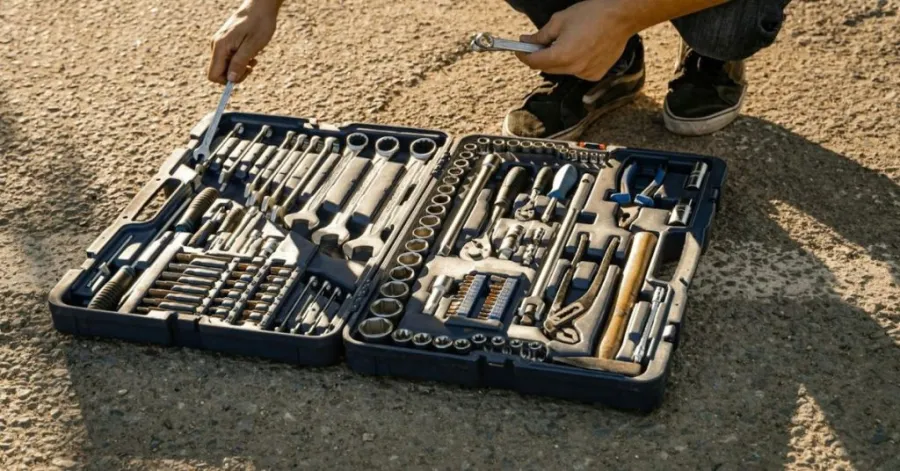
Using a socket wrench is simple once you know the basics. Simply attach the correct socket, set the direction, and turn the handle to tighten or loosen the bolts. It’s one of the most useful tools for car repairs, home projects, or assembling furniture.
When you learn how to use a socket wrench, you work faster and safer without straining your hands. With a bit of practice, you’ll easily handle nuts and bolts of any size and feel confident using this handy tool for everyday tasks. It’s all about control, comfort, and the perfect fit.
What Are Socket Wrench Basics?
Before diving into projects, it’s essential to understand the basics of a socket wrench. Whether you’re fixing furniture, maintaining your car, or handling minor household repairs, this tool makes the job faster and easier. Learning how to use a socket wrench for beginners helps you save time and avoid unnecessary strain.
What Is a Socket Wrench
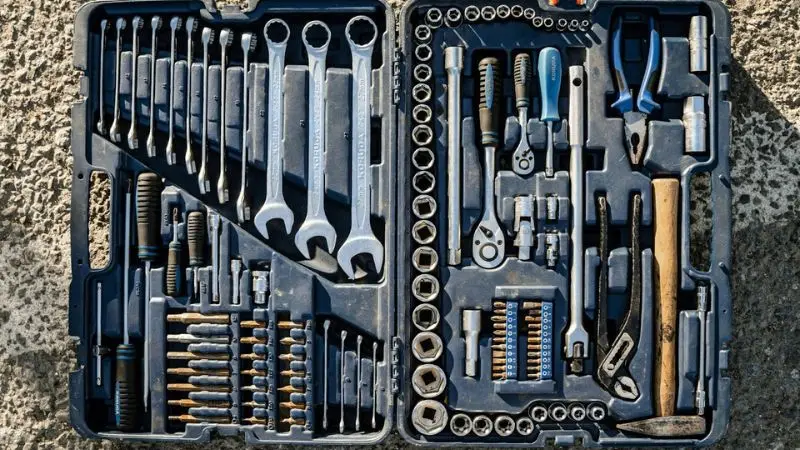
A socket wrench is a handy tool that helps you turn nuts and bolts with minimal effort. Instead of twisting endlessly with a regular wrench, a socket wrench lets you tighten or loosen fasteners smoothly and efficiently. It works by holding a socket that fits perfectly over the bolt head, allowing steady control and precision.
You can use it for:
- Car repairs and maintenance
- Bicycle adjustments
- Furniture assembly
- General household tasks
With a good socket wrench set, you can handle a wide range of sizes and projects using just one tool.
Main Parts of a Socket Wrench
Prior to going through the step-by-step procedure of using a socket wrench, it is useful to have an idea of its major components. Both elements are important to the performance of the tool:
- Handle: This is the part that you hold in order to turn and cause force.
- Ratchet: You can do it to spin the handle back and forth without taking the socket out of the bolt.
- Sockets: These are interchangeable metal attachments that are placed over small and large nuts and bolts.
These components combine to make tightening and loosening the bolts easier than ever before, more so than with an ordinary wrench. Knowing how to use a socket wrench and a ratchet will also enable you to select the right tool to do the job.
Types of Socket Wrenches
Now that you know the basics, let’s look at the different types of socket wrenches. The most common one is the ratchet socket wrench, perfect for everyday use. However, there are a few other types you might come across:
- Breaker bar: Ideal for loosening very tight bolts with extra leverage.
- Torque wrench: Ensures each bolt is tightened to a specific pressure level.
- Flex-head wrench: Has a bendable head that helps you reach tight or awkward spaces.
A standard socket wrench set typically includes a ratchet handle and several sockets—enough to cover most basic repair tasks, including how to use a socket wrench for car repair and home projects.
How to Use a Socket Wrench
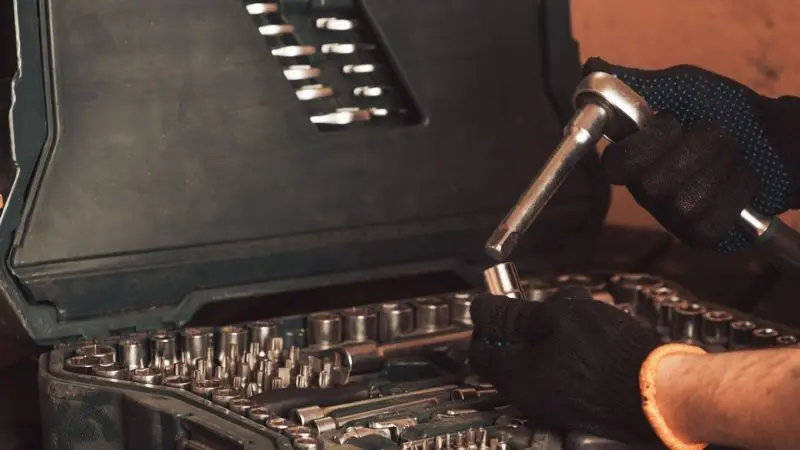
After learning the fundamentals, the other thing that you can get to know is how to use a socket wrench as a beginner. The given process may sound complicated at first, but as soon as you learn how the given tool works, it becomes one of the easiest ones that can be learned by heart. Be it on homework or learning to use a socket wrench to fix a car, taking one step at a time is going to make you achieve flawless results without breaking a bolt or tool.
Choose the Right Socket Set for Beginners
Before starting, choose a socket set designed for beginners. A good set usually includes a ratchet handle, a range of socket sizes, and sometimes even extensions for hard-to-reach areas. Look for both metric and standard sockets so you can handle different types of bolts and nuts.
A socket set for beginners often comes with a sturdy storage case to keep your tools organized. Take a moment to read the included instructions—it’s part of understanding the step-by-step guide to using a socket wrench safely and correctly. This small step sets the foundation for every repair you’ll make.
Attach the Socket
Now that you’ve chosen your set, it’s time to attach the right socket. Pick the socket that matches the nut or bolt you’re working on. Using the wrong size can round off the edges or damage your tool. Hold the ratchet handle in one hand and push the socket onto the square end of the ratchet until it clicks firmly into place.
Before you begin, always double-check that the socket is secure. This prevents slipping while tightening or loosening bolts. A firm connection ensures your step-by-step guide to using a socket wrench goes smoothly and safely.
Set the Ratchet Direction
Then you will have to establish the direction of the ratchet. Each ratchet has a tiny lever or switch on the head that determines the direction the ratchet rotation takes. Tighten it by flipping it upside down and then loosening it. Turn around and see which direction to go in before beginning your project.
It is important here to know the difference between a socket wrench and a ratchet—a ratchet is the device which enables the wrench to travel in a direction without returning, and thus your job becomes easier and quicker. Directions are to be checked before use; this saves time and effort.
Fit the Socket onto the Fastener
Place the socket over the nut or bolt head carefully. Make sure it fits snugly and doesn’t wobble. A secure fit keeps your bolt from stripping and ensures smooth turning. If it feels loose, pick another socket size that fits tightly.
This step might seem small, but it’s key when learning how to use a socket wrench for beginners. The right fit gives you control and prevents unnecessary damage. Once the socket is in place, you’re ready to start turning with confidence.
Turn to Tighten or Loosen
Hold the handle firmly and move it back and forth to tighten or loosen the bolt. The ratchet mechanism allows the socket to stay in place while you turn, saving time and effort. Use steady pressure—never force it. If it feels too tight, check the socket size again.
This is where you truly feel the power of the tool. Understanding this motion is crucial for using a socket wrench for car repair, where precise tightening is essential. Smooth, controlled movement keeps your work efficient and your equipment safe.
Remove the Socket and Store Your Tools
Once you have completed your work, remove the socket from the bolt. In case your ratchet has the release button, press it to loosen the socket. Wipe off each socket with dirt or grease before putting it into the case.
It is normal to make sure your socket wrench is well-maintained, lasts longer, and is always available when you need it next. This easy process can become your daily handy device, and practice will help you learn it and have it at the very beginning.
Socket Set Care and Tips
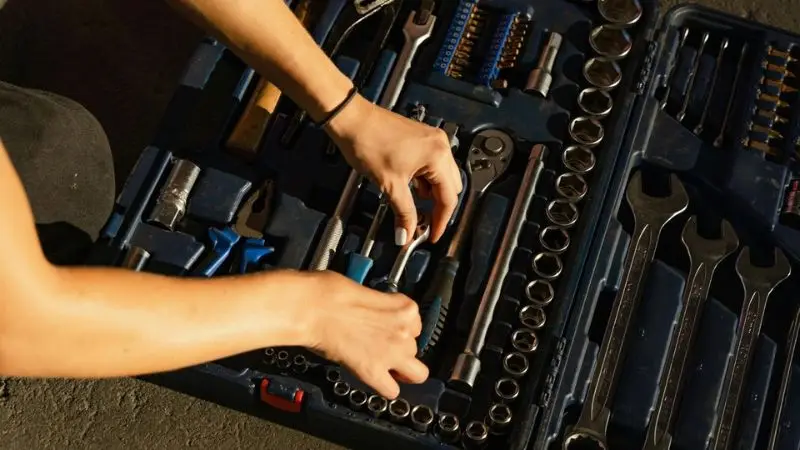
Once you’ve learned how to use a socket wrench for beginners, it’s just as important to know how to care for your tools. Regular cleaning and proper handling keep your socket wrench working smoothly for years. Whether you’re fixing a bike or working on your car, understanding how to maintain your tools helps you get better results every time. Let’s go through the essential steps to keep your socket set in top shape.
How to Use a Socket Set
A socket set is one of the most useful toolkits you can own. You can use it to assemble furniture, tighten loose bolts, or handle car maintenance. When learning to use a socket wrench, always choose a socket that fits tightly on the bolt or nut—loose fits can cause damage.
Before starting any project, lay out your sockets in order. This helps you find the right size quickly and work without interruptions. With a bit of practice, you’ll see how versatile your socket set can be for everyday home and car repair tasks.
How to Maintain a Socket Set
When your socket wrench is well-maintained, it is in perfect condition. Wipe clean and dry your sockets and wrench with a clean, warm cloth after each usage. To clean it further, apply fragrant soapy water and then make everything dry to ensure there is no rust.
You have to grease the gears of your ratchet every now and then to get it running. Frequent inspection serves to detect rust in advance. Keeping tools clean and in fair condition should also include how to use a socket wrench in case you are a beginner, since well-maintained tools in good condition work longer and better.
Common Mistakes to Avoid
Even with the best step-by-step guide to using a socket wrench, beginners sometimes make simple mistakes. Using the wrong socket size or forgetting to adjust the ratchet direction are common errors that can damage bolts or slow you down. Always take a moment to double-check before you start tightening or loosening.
If a bolt feels stuck, don’t force it—this can strip the metal or break the socket. Apply a small amount of oil or use a longer handle for more leverage instead. Patience and care make all the difference when learning how to use a socket wrench for car repair effectively.
Wrap-Up
Learning how to use a socket wrench for beginners is the first step toward tackling repairs with confidence. From understanding the difference between a socket wrench and a ratchet to following a clear step-by-step guide to using a socket wrench, you now have the basics covered.
With the right socket set, regular maintenance, and steady practice, you can handle anything—from simple home fixes to car repair tasks. Remember, care and patience are just as important as skill. Keep your tools clean, stay safe, and enjoy the satisfaction of doing it yourself.
FAQ
So what do you do when a socket is falling on a bolt?
Wiggle the socket about. In case it becomes stuck, grease it up a little. Tilts directly to prevent a ruined tool or bolt.
Is it possible to use a socket wrench on all bolts and nuts?
Most of the bolts and nuts can be used with a socket wrench. There should be shapes or tight holes that will require another tool, such as an open-end wrench.
How do you determine the size of sockets to use?
- On the bolt, test sockets are fitted.
- That the appropriate socket fits in precisely.
- It should not be a clear socket that fits very loosely or snugly.