Magnetic drills, also called mag drills, are a powerful tool for precise work in metalworking, fabrication, and construction. They combine high torque, a heavy electromagnetic base, and sharp cutters; therefore, understanding how to use a magnetic drill safely is necessary to avoid injuries.
This complete guide walks you through all you need to know, whether you are a beginner learning how to use a mag drill for the first time or an experienced user brushing up on safety.
What are magnetic drills used for?
Magnetic drills are used for a variety of jobs, including:
- Metalworking
- Construction
- Industrial maintenance and repair
- Reaming
- Tapping
- Countersinking
Why Safety Matters?
Mag drills are effective but dangerous if not used properly. They cut through metals, produce chips, depend on magnetic adhesion, and require force and speed. If the magnet isn’t working properly, the mag drill can fall, shift, or kick back.
Here are the reasons why safety is important:
- It protects from serious injuries by cutters, hot chips, or falling equipment.
- Protects the drill from permanent damage.
- Refuses machine downtime because of mechanical failure.
- Ensures accurate drilling.
- Prepares you for how to react in emergencies.
Understanding how to use a magnetic drill safely is not only a good practice, it is a basic requirement for everyone working with steel structures or in industrial environments.
Getting Your Workspace Ready
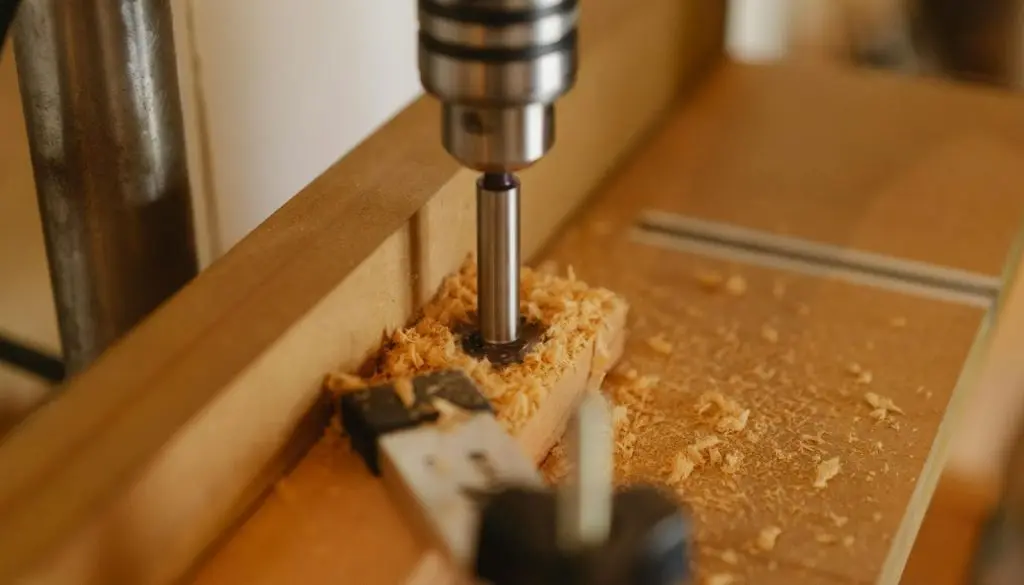
Before beginning drilling, your workspace should be well-organised, hazard-free, and stable. Make sure you prepare your workspace by keeping in mind these points:
- Clear the area of tools, clutter, and cables.
- There should be proper lighting.
- Remove oil, grease, or any slippery material from the floor.
- Set up the drill on a stable surface.
- The workpiece should be secured.
- Keep coolant or lubrication fluid in reach.
- Disconnect nearby electrical cables to avoid accidentally cutting down.
When the workspace is clean and hazard-free, it reduces accidents, especially with magnetic drills that require strong adhesion to metal surfaces.
Safety Gear You Need
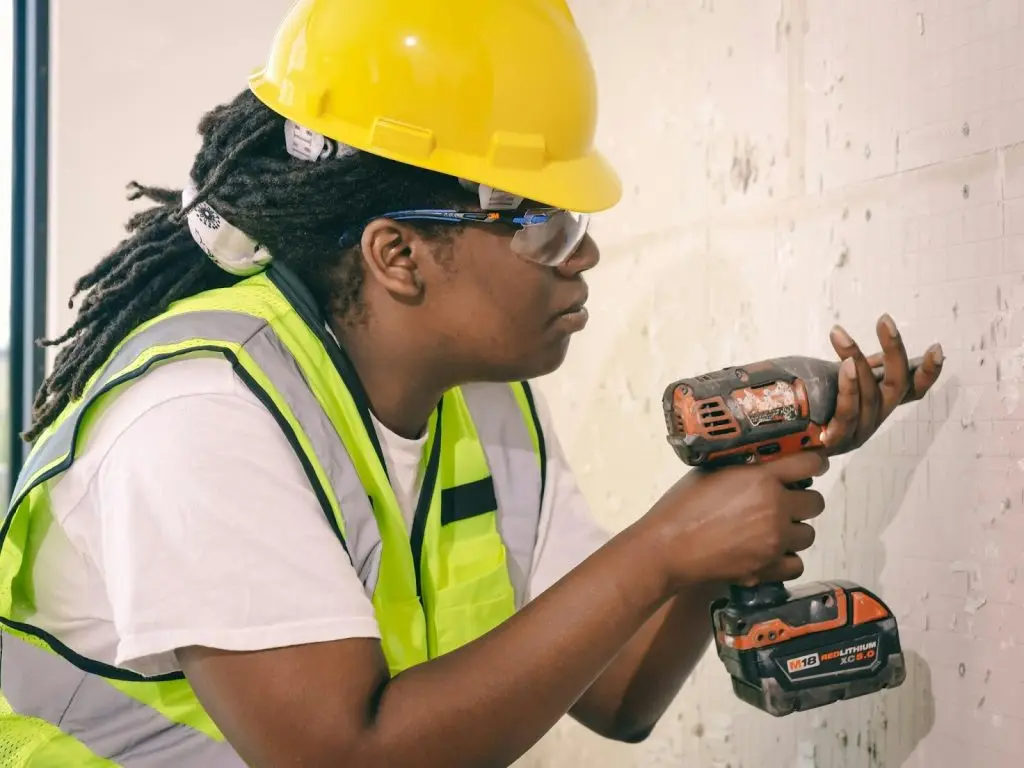
The right protective apparatus is essential when learning how to use a magnetic drill safely.
Eye and Face Protection
When the drill is working, metal chips can fly at high speed. For this, use:
- Safety glasses
- A full face shield when using large cutters
- Scratch-resistant or anti-fog lenses for clear visibility
This safety equipment protects from hot chips, debris, and sparks especially when you are working for long hours.
Hearing Protection
Mag drills produce noise when cutting thick metals with annular cutters. To protect your ears, use:
- Ear plugs
- Ear muffs
- Noise-cancelling hearing protection
When you are working on long-term drilling work without safety precautions, it can damage your hearing.
Clothing and Footwear
Loose clothing can get caught in the cutter, so avoid wearing it when working with a mag drill. Instead of that wear:
- Long-fit sleeves
- Steel-toe boots
- Cut-resistant gloves(for handling metals)
- Non-slip footwear
- Work trousers
Secure long hair, remove jewellery, and avoid scarves or anything that could get tangle in the machine cutter.
Checking Your Drill Before You Start

A careful pre-check is necessary before you start drilling. Check for:
- The magnetic base is clean, flat, and free from dust.
- The cutter is properly installed, sharp, and crack-free.
- The coolant reservoir has enough fluid.
- The power cable has no cuts and is not exposed.
- Run briefly to check the motor sound for smooth operations.
- The safety guard must be functioning well.
- Check the emergency stop button if it is working properly.
If anything feels loose or misaligned, don’t proceed. Understanding the condition of your drill is the core part of how to use a magnetic drill safely. It is better to stay aware of the pitfalls than to ignore them and face great loss in the future.
How to Use a Magnetic Drill Safely
Let’s walk through the correct and secure method to use a mag drill. These steps will be your companion while drilling safely for hours.
Setting Up the Drill and Magnet
A magnetic drill depends totally on its magnet to stay stable. Follow these steps carefully:
- Clean the metal surface of dust, paint, or debris.
- Position the drill where you want the hole.
- Make sure the magnet is on before the drill power is on.
- Check the magnet’s grip by slightly tugging the drill. It should not move.
Without proper adhesion, the mag drill won’t function so make sure to set up the drill and magnet properly.
Using Safety Chains and the Right Pressure

When you are working in vertical or overhead areas, use a safety chain so the drill doesn’t fall when the magnet stops working. Accidents can happen anytime, so its better to use precautions.
Applying the right drilling pressure is also necessary because too much pressure can break the cutter or stall the motor. Too little pressure can cause excessive heat and dull the cutter.
Use steady and firm pressure, as it is the most crucial tip in how to use a mag drill safely.
Controlling Speed and Using Lubrication
To extend the cutter’s life and smooth drilling, proper lubrication is necessary.
- Use appropriate cutting fluid or coolant.
- Use paste lubricants for overhead drilling.
- Ensure consistent speed.
- Slow down when the cutter breaks through the metal.
Inadequate lubrication or improper speed causes overheating, sparking, and damage to the cutter and also affects on th working of the motor for the long run.
Mistakes to Avoid When Drilling
Most of the skilled workers may make these common mistakes. You must avoid them to ensure safe drilling:
- Turning on the drill motor before the magnet.
- Drilling on uneven surfaces.
- Wearing gloves when the cutter is spinning.
- Using weak cutters.
- Applying excessive pressure.
- Not using a safety chain in vertical positions.
- Ignoring unusual noises.
- Not applying lubrication.
- Keeping hands near the cutter when it is moving.
If you are also learning how to use drill machine as polisher, this can only be done with proper polishing material. It can not be done with a magnetic drill which is specifically designed for cutting metals.
Taking Care of Your Drill After Use
Proper maintenance gives your drill machine long life and consistent performance.
After drilling, do these steps:
- Turn off the motor first before the magnet
- Allow the cutter to cool down before touching
- Clean metal chips from the drill body and base
- Wipe down the magnet area
- Check the cutter for worn-out
- Refill the coolant if required
- Lubricate moving parts
- Store the drill in a dust-free area
Proper care also protects from future malfunctions and ensures safe operations.
FAQs
What Are the Most Important Safety Steps?
The key steps are making sure the magnet is fully secured, wearing proper safety gear, lubricating properly, applying correct drill pressure, using a safety chain for overhead or vertical positions, and performing a pre-check before drilling.
These steps are the foundation for how to use a magnetic drill safely.
Can I Drill Thin or Non-Ferrous Metal?
Magnetic drills work on magnetic adhesion, and they cannot stick to aluminium, stainless steel, copper, and thin sheet metals. For drilling these materials, use a clamp-on base, vacuum plate, or fixture.
Why Isn’t the Magnet Sticking?
When the magnet is not sticking, this usually means either the surface is not clean, the metal is too thin, it may be a non-ferrous, paint or coating is applied to the metal, there is debris or rust on the metal, or the magnet may be damaged. Always fix the magnet before using the mag drill.
How Do I Stop the Drill Quickly in an Emergency?
Press the emergency stop button or turn off the power immediately. Do not stop the cutter with your hands. It can cause harm to you.
Conclusion
Knowing how to use a magnetic drill safely is necessary for anyone working on metal fabrication, industrial maintenance, or construction. Mag drills are exceptionally precise, but only when properly used. By preparing your workspace, wearing safety equipment, and maintaining your machine, you get safe, smooth, and efficient drilling.
Whether you are learning what is a magnetic drill used for, or discovering how to use magnetic drill tips, follow our steps for improving your drilling safety. Our guide will help you work confidently and professionally with every project.