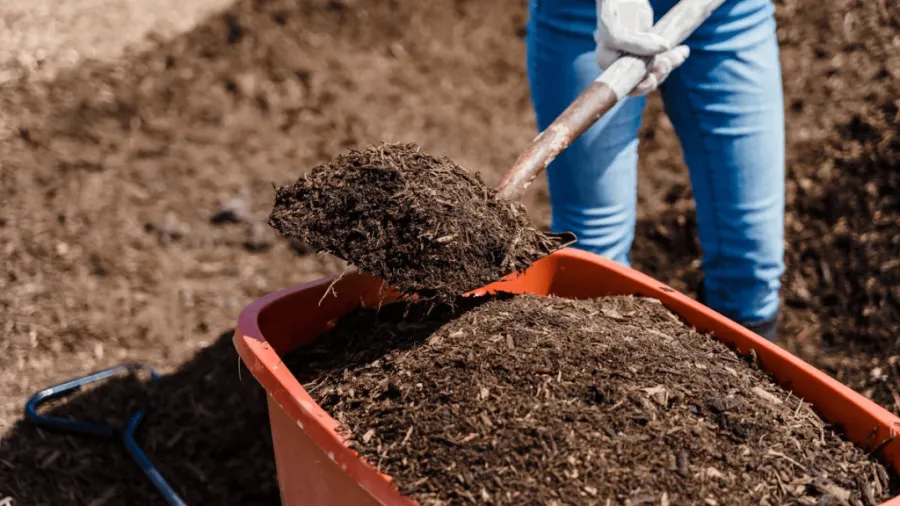
Confused why your garden flourishes in one part, but the other side is just… bare? Even if you’ve sprinkled the right compost and fertilizer, even distribution can be hard to ensure.
But that’s where compost spreaders come in. Compost spreaders can help your lawn bloom evenly throughout the year if you know how to use them correctly. So, in this blog, let’s learn how to use a compost spreader.
5 Steps on How to Use a Compost Spreader
Using a compost spreaders might seem tricky at first, but it’s actually pretty straightforward. Here are the 5 steps to follow when you’re learning how to use a compost spreader:
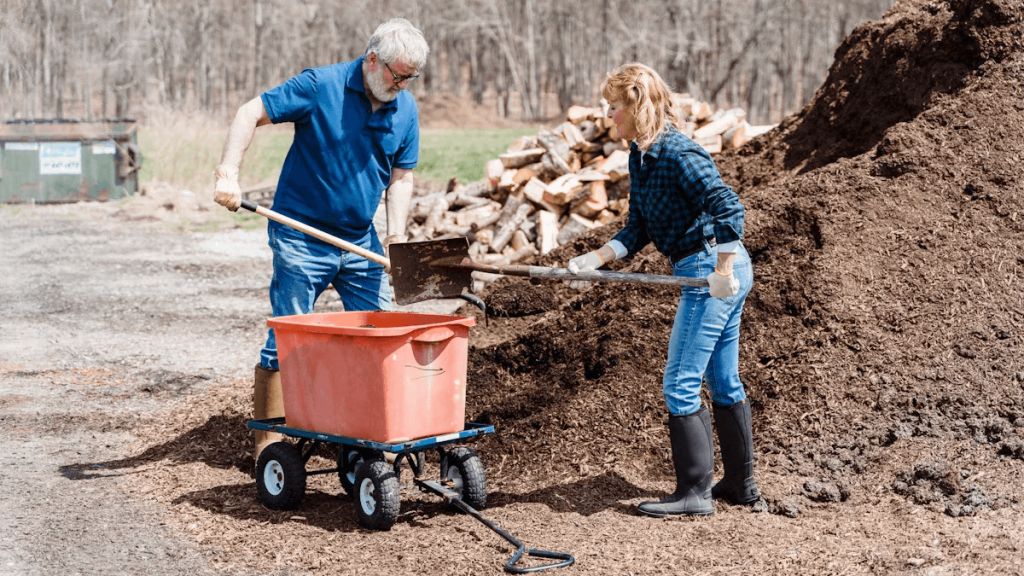
1. Preparing the Compost for Spreading
Before you even touch the spreader, it’s essential to make sure your compost is in top shape. First off, the compost should be dry, not damp or soggy, as moisture can cause clumping and may clog up your spreader.
Take a moment to sift or sieve the compost, especially if it has chunky pieces. This not only helps prevent blockages in the spreader but also ensures smoother, more even distribution across your lawn or garden.
2. Setting Up the Compost Spreaders
Once your compost is good to go, it’s time to prep your spreader. Start by checking the settings. Most compost spreaders come with adjustable dials or levers that let you control how much material is released as you move.
Keep in mind that different areas need different settings. For example:
- Lawns usually benefit from a lighter, more even application.
- Garden beds or veggie patches might need a heavier, more concentrated layer of compost for better soil enrichment.
Pro tip: Always test on a small section first to avoid overloading or underfeeding your soil.
3. Loading the Compost into the Spreader
Filling up your spreader sounds easy, but doing it right can make a big difference. Use a shovel or scoop to transfer compost into the hopper. Try not to just dump it in too fast—this can lead to spills or unbalanced loading.
Don’t overload the spreader. You should only fill about 3/4th of the way full to keep everything manageable in your spreader for compost. A compost spreader that’s too full becomes harder to push and may affect the flow of compost.
4. Operating the Spreader for Even Coverage
Time to get moving! Start walking your spreader in straight, slightly overlapping rows—just like mowing a lawn. This ensures you don’t miss patches or end up with overly thick spots.
The goal is to achieve a smooth, uniform layer of compost that nourishes the soil without smothering it.
5. Cleaning and Storing the Spreader
After you’re done spreading, give your spreader a little TLC. Start by emptying any leftover compost. Don’t leave it sitting in the hopper as it can attract pests or get crusty.
Use a stiff brush or a hose to clear out any stuck particles. Let the spreader dry completely before tucking it away in a garage or shed. Moisture left behind can lead to rust or mildew.
A clean spreader not only lasts longer but also works better every time.
Tips for Topdressing with Compost
1. Picking the Best Compost Texture
Think about spreading wet or lumpy compost—it’s really hard. The texture of your compost is very important. It affects how well it spreads and helps your soil.
Here’s a simple guide to compost features:
| Compost Feature | Why It Matters for Topdressing |
| Moisture Level | Keeps soil moist and plants healthy |
| Organic Material Amount | Adds nutrients to soil and supports helpful microbes |
| pH Level | Influences how plants get nutrients |
| Nutrient Levels | Needed for plants to grow strong and healthy |
Tip: If your compost is damp, put it out in the sun for a day or two. It will dry out and be easier to spread.
2. Adjusting the Spreader for Uniform Composting
Your compost spreader settings are remote control-like in that they dictate the process. Tinkering with these settings aids in evenly spreading compost.
You can apply a light setting to the lawn and a heavy one to garden beds. Trial the spreader on a little area first before working the entire space.
Pro Tip: If you’re renting a compost spreader, check its settings and make sure it’s working right. A quick check can prevent uneven spreading later.
3. Overlapping for Complete Coverage
Did you ever paint and leave areas exposed? The same can happen with compost. To avoid this, overlap your passes. Push or pull the spreader in straight lines, slightly overlapping each row. This way, every part of your lawn or garden gets compost.
Overlapping is great for lawns. It helps create a thick, green yard without missing spots.
4. Observing and Correcting Spreading Issues
Even with good preparation, issues may arise. It is better to observe your spreader while working. If you notice clumps or patches, stop and adjust the settings. You can also re-pass those areas to level them out.
Quick Solution: If your spreader clogs up, inspect the hopper for trash and clean it out. Staying on top of things keeps lawn work simple and less stressful.
What Is a Compost Spreader?
A compost spreader is a tool for spreading compost in your lawn or garden evenly to support healthier plant growth. It saves time and effort in comparison to the same task done manually.
There are different sizes of spreaders. Small push spreaders are great for gardens. Bigger tow-behind spreaders work well for large areas. Whether you garden for fun or manage big spaces, there’s a spreader for compost for you.
Benefits of Using a Compost Spreader
Using a compost spreader has many benefits for your soil. Some of those include:
- It is efficient and saves time.
- It evenly spreads compost.
- Spreaders don’t need much fertilizer, saving money.
- Helps the environment by less pollution with precise spreading.

How to Maintain Spreader For Compost
Now that you know how to use a compost spreader, it’s important to figure out how to maintain a spreader compost so that it lasts you a good while.
1. Fixing Clogs in the Spreader
Clogs are frustrating, but they’re easy to solve. If your spreader doesn’t work, look at the hopper. Wet compost or litter may be lodged in there. Use a brush or a stick to clean it out. To loosen stubborn clogs, rinse the hopper with water. Allow it to dry completely before reusing.
2. Using the Right Compost for Your Spreader
Not all compost works with every spreader. Some machines work best with dry, fine compost. Others can handle slightly moist material. Remember to check your spreader’s manual to see what type is recommended. If you’re renting a spreader, ask the rental company about compatibility.
3. Keeping Your Spreader in Good Shape
Taking care of your spreader helps it last longer. After using it, clean the hopper and wheels to remove leftover compost. Also, you need to regularly check moving parts for damage or wear. Add oil to joints and gears if needed. Always store your compost spreader in a dry spot to avoid rust.
Pro Tip: Inspect your spreader every season to find problems early and keep it working well.
FAQ
What type of compost works best in a spreader?
Dry, crumbly compost works best. Wet or clumpy compost can clog the spreader. Sift your compost to remove large debris for smoother operation.
Can I rent a compost spreader instead of buying one?
Yes, many garden centers offer compost spreader rental options. Renting is a great choice if you only need it occasionally or want to try it before buying.
How do I avoid uneven spreading?
Use overlapping patterns when operating the spreader for compost. Adjust the settings based on your lawn or garden’s needs and monitor for clogs or missed spots.
Conclusion
Learning how to use a compost spreader is a game-changer when it comes to feeding your lawn or garden the natural way. By preparing and adjusting the spreader settings and applying in even passes, you’ll make your lawn care routine faster and easier.
When it comes to lawn care equipment, VEVOR stands out as a trusted brand offering reliable, durable, and user-friendly tools for every job. From compost spreaders to aerators, seeders, and beyond, VEVOR has everything you need to transform your green spaces with professional-level precision and ease.
Choose VEVOR and take the guesswork out of lawn care.