Operating a chainsaw can be useful, but it is risky. Every year, about 36,000 chainsaw injuries happen, many of which are preventable. Around 40% of these injuries hurt the legs, while about 35% affect the left hand or wrist. That’s exactly why it’s important to learn how to use a chainsaw safely.
Whether you’re using a gasoline chainsaw or otherwise, proper chainsaw skills and safety precautions can be a lifesaver. So in this blog, let’s explore how to use a chainsaw while staying safe.
How to Use a Chainsaw Safely
Prepare the Chainsaw
Preparing your chainsaw well makes cutting safer and easier. This is how you can get your chainsaw ready before you start cutting:
- Check the fuel and oil levels: Use the right fuel mix, usually 50 parts gasoline to 1 part oil. Fill the oil tank to keep the chain moving smoothly.
- Inspect the chain tension: Make sure your chain isn’t too loose or too tight— make adjustments as necessary. A loose chain can fall off, while a tight chain might harm the bar.
- Check the chain sharpness: A sharp chain cuts better and avoids kickback. If the chain makes sawdust instead of wood chips, sharpen or replace it.
Start the Chainsaw Safely
Safety experts say proper starting is very important and reduces your chances of injuries if you start right (and safe). Here are 2 ways you can start the saw safely:
- Ground start: Put the chainsaw on flat ground. Hold the front handle with one hand and pull the cord with the other.
- Between-the-legs start: Hold the rear handle between your legs for balance. Grip the front handle tightly and pull the cord.
Whatever you do, don’t drop start. It’s dangerous and harder to control. Proper starting is key to staying safe from the get-go.

Cutting Techniques for Beginners
For beginners, a 16–18 inch bar is a solid starting size. It’s easier to manage than longer bars. Once you’re ready to cut, start small. Use the middle part of the blade—not the tip—to avoid kickback. Begin with small logs around 6–10 inches thick. These are great for practice. Cut from the top down and remove branches before tackling the trunk.
The VEVOR 52CC 18″ Gasoline Chainsaw Gas Powered Chain Saw is one of the top picks for beginners because of its built-in shock absorber and high-strength steel chain and bar.
Turn Off and Store the Chainsaw
The last safety step for your chainsaw is to turn it off and store it. When you’re done with your chainsaw, release its throttle and switch it off. You should also engage the chain brake, even if the saw is switched off.
Next, clean up sawdust and debris from the chain, bar and body of your chainsaw. Use a cloth to wipe it down and if you’re not going to use the chainsaw for a long while, it’s best to drain the fuel and oil too. Then, all you have left to do is store it in a cool and dry place, within a protective cover.
Tip: Use weatherproof covers with sealed seams. These stop rust and damage, especially in wet areas.
Chainsaw Safety Precautions
Before you jump into starting a saw, you should know some safety measures. Here are some safety guidelines to follow before you get to work:
Essential Protective Gear
Wearing the right gear is very important when learning how to use a chainsaw. It helps keep you safe and lowers the chance of getting hurt. Here are some types of protective clothing and equipment to wear:
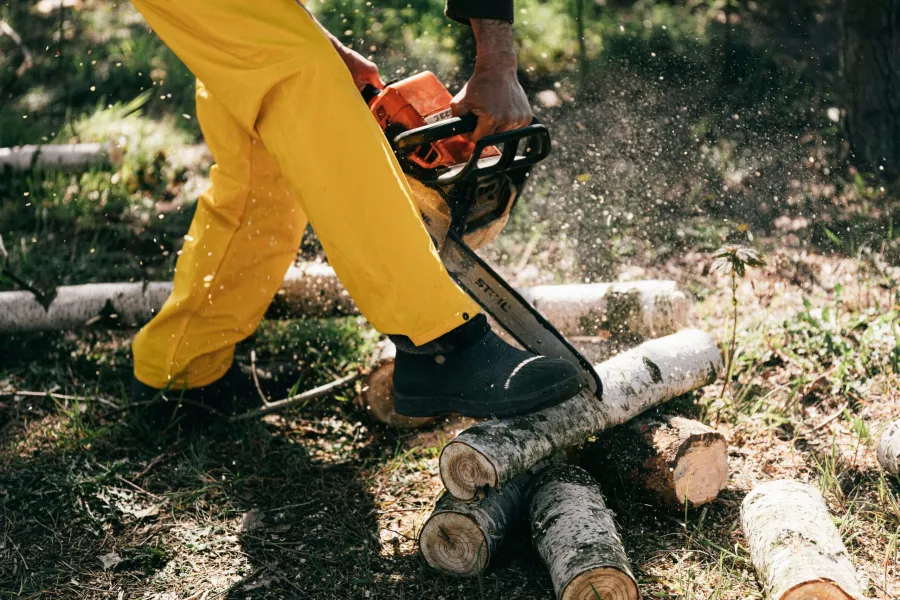
- Chainsaw trousers or chaps: These protect your legs from cuts and meet safety rules like F1897. Pick the one that feels best for you.
- Leather gloves: They help you hold the saw better and protect your hands from cuts and scrapes.
- Safety boots: Steel-toe boots protect your feet from falling things and the chainsaw.
- Face shield or goggles: These keep your eyes safe from flying wood pieces and splinters, especially as kickback protection.
Experts like Diack and Weber say wearing safety gear is a must. Even for small jobs, always wear your gear to stay safe.
Understanding and Preventing Kickback
Kickback happens when the tip of the chainsaw hits something, making the saw jerk back toward you with force. That’s how most of the injuries happen. But here’s how you can prevent kickback from happening:
- Use a chainsaw with a chain brake. This stops the chain quickly if kickback happens.
- Keep the chain sharp. A dull chain makes kickback more likely.
- Don’t cut with the tip of the bar. Use the middle part of the blade for better control.
- Hold the saw firmly. Use both hands and wrap your thumbs around the handles.
Pre-Use Chainsaw Inspection
Check your chainsaw before using it to make sure it’s safe. Follow this checklist:
| Pre-Use Check | Description |
| Check controls | Make sure all controls work correctly. |
| Chain tension | Adjust the chain so it doesn’t come off while cutting. |
| Chain sharpness | Check that the chain is sharp to cut well and avoid kickback. |
| Lubrication reservoir | Fill it up so the chain moves smoothly. |
| Fueling practices | Refuel at least 10 feet away from anything that can catch fire. Use the right fuel mix. |
| Protective devices | Check that the chain brake, throttle lock, and chain catcher are working. |
Checking your chainsaw often keeps it safe to use and lasts longer. Clean it, oil the chain, and check all parts before every use!
Assessing the Work Area for Safety
Before you fire up your chainsaw, take a good look around your work area. A clear, safe space can help you avoid accidents and get the job done more smoothly. Here’s how to check your surroundings:
- Clear the clutter: Get rid of anything that could trip you up; rocks, fallen branches, or other debris. You’ll have better footing and less to worry about while cutting.
- Watch for wires: Always scan for overhead power lines. If any are nearby, avoid trimming trees or branches that might come in contact with them.
- Look up for danger: Keep an eye out for loose or dead branches—often called “widow-makers.” These can fall unexpectedly and pose serious risks if overlooked.
Proper Handling and Positioning
Knowing how to hold and stand with a chainsaw isn’t just about comfort—it’s about staying safe and in control. Here are a few good habits to follow:
- Grip it right: Hold the saw with both hands, wrapping your thumbs around the handles. This gives you a firm grip and helps you manage the saw without wearing yourself out.
- Stay stable: Keep your feet at shoulder width and bend your knees slightly. Never start working on those floors that are uneven, or too slippery, because you may just lose your balance.
- Keep it close: Hold the saw near your body. You’ll reduce arm fatigue and have better control. Also, be sure to cut below shoulder level—it helps you stay steady and avoid overreaching.
- Plan your way out: If you’re felling a tree, think ahead. Know where you’ll step back to if the tree doesn’t fall as expected. Clear that path so nothing gets in your way.
Tip: Never use a chainsaw above your head. It’s harder to control and more dangerous.
How to Choose the Right Chainsaw
Now that you know how to use a chainsaw, it’s time to pick the right one. Picking the right chainsaw depends on what you need it for. Knowing the types of chainsaws helps you choose wisely.
Gas-Powered vs. Battery-Powered Chainsaws
Gas-powered chainsaws are best for tough jobs. They are strong and cut big trees or thick logs easily. In 2022, gas models were popular because they cut fast and are portable. If you often do heavy work, gas-powered chainsaws are powerful and worth the cost.
Battery-powered chainsaws are quieter and better for the environment. They don’t make pollution and need less upkeep. These are good for small jobs like trimming branches or cutting firewood. But their battery lasts only 30–60 minutes per charge. For light use, battery-powered chainsaws are clean and easy to use.
Tip: If you’re just getting started, check out VEVOR’s battery-powered chainsaws. They’re designed to be easy to use without sacrificing performance.
Corded vs. Cordless Chainsaws
Corded chainsaws offer consistent power but require an outlet nearby. That’s fine if you’re working close to home. Cordless saws are super portable and easy to start. They may not be as powerful, but they’re perfect for quick cuts and remote tasks.
Here’s a detailed breakdown on the difference between corded vs cordless chainsaws:
| Feature | Cordless Chainsaw | Corded Chainsaw |
| Power Source | Battery | Electric Cord |
| Mobility | Very portable | Limited by cord length |
| Power | Lower, for small jobs | Higher, for tough jobs |
| Maintenance | Easy | Needs some cleaning |
| Run Time | Battery-dependent | Works as long as plugged |
Key Factors to Consider
When you’re picking a chainsaw for yourself, a few factors come into play. Here are three things you should consider:
- Size: A 16–18 inch bar works for most jobs. For bigger trees, pick a longer bar.
- Power: Gas-powered chainsaws are the strongest. Corded ones give steady power. Battery-powered ones are good for small tasks.
- Purpose: Choose a chainsaw that fits your work. For professional jobs, try advanced models like the Husqvarna T540 XP Mark III with Auto-Tune 3.0 for top performance.
Tip: Look for safety features like chain brakes and safety buttons, especially if you’re new to using a chainsaw.
Chainsaw Maintenance Tips
Sharpening the Chain
A sharp chain is essential for safe and efficient cutting. A dull chain increases the risk of accidents and makes your work harder. You can tell it’s time to sharpen the chain if:
- The wood chips are small and dusty.
- You need to apply more pressure to cut.
- The chainsaw pulls to one side or leaves uneven cuts.
- Burn marks appear on the wood or chain.
To sharpen your saw, use a round file that matches your chain. Secure the saw and file each tooth evenly. Also, check the depth gauges as these help the teeth bite into the wood at the right angle.
Proper lubrication also plays a key role in maintaining cutting efficiency. It reduces friction, ensures smooth operation, and prevents early wear. Always inspect the bar and chain for potential issues during sharpening.
Checking and Refilling Fuel and Oil
Check your oil level before every use, and make sure it’s filled with bar and chain oil—never substitute with motor oil, because it doesn’t stick to the chain properly and can cause damage.
While you’re at it, inspect the oil pump and the oil lines. Look for signs of wear, leaks, or blockages that could stop the oil from reaching the bar.
If you’re using a gas-powered chainsaw, double-check the fuel mix ratio recommended by the manufacturer—usually 50:1 (gasoline to two-stroke oil). You should also never refuel a hot chainsaw. Let it cool for at least 10 minutes to prevent fire risks, and always tighten the fuel cap securely to avoid leaks.
Cleaning the Chainsaw After Use
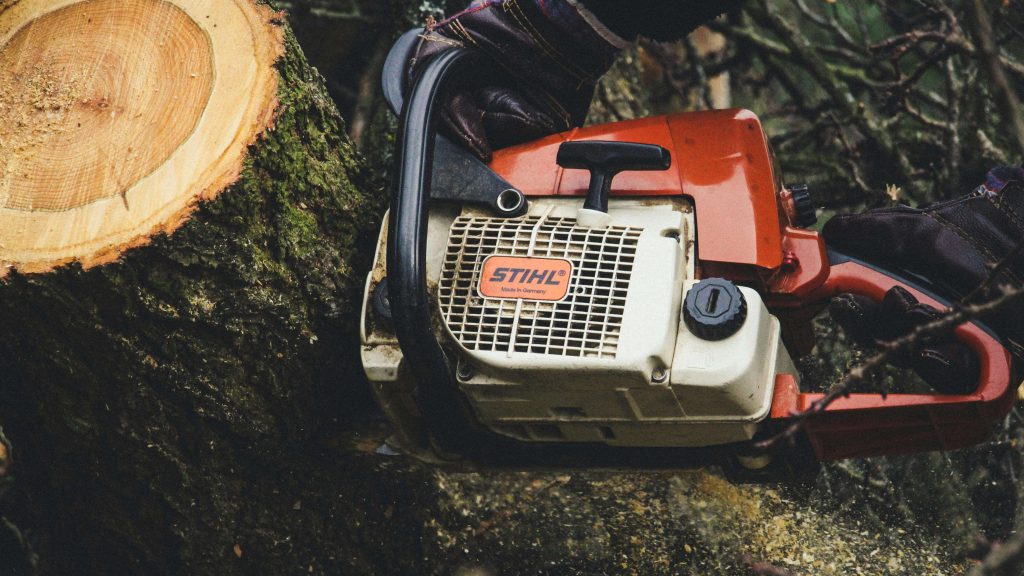
Cleaning your chainsaw after every use prolongs its lifespan and keeps it performing well. Start by clearing sawdust and debris from the chain, bar, and air filter. Pay special attention to the oil port and guide bar’s oil channels. Blockages in these areas can reduce lubrication and increase wear.
Steps to clean your chainsaw:
- Remove the chain and guide bar for thorough cleaning.
- Use a brush or compressed air to clear debris from the housing.
- Wipe the exterior with a dry cloth.
- Ensure the chain’s oil holes are unblocked to prevent overheating.
FAQ
What should I do if my chainsaw won’t start?
If your chainsaw won’t start, check the fuel tank. Ensure it has the correct fuel mix. Inspect the spark plug and clean or replace it if it’s dirty. Verify the chain brake is disengaged. Pull the starter cord firmly. If it still doesn’t start, consult a professional.
How often should I sharpen the chainsaw chain?
Sharpen the chain after every 2–3 hours of use. Dull chains make cutting harder and increase the risk of kickback. Look for signs like fine sawdust or uneven cuts. Remember that regular sharpening keeps your chainsaw efficient and safe.
Can I use regular motor oil for the chain?
No, always use bar and chain oil. It’s designed to stick to the chain and reduce friction. Motor oil doesn’t provide the same lubrication and can damage the chainsaw. You should also check the oil reservoir before every use.
What’s the best way to prevent chainsaw kickback?
The best way to prevent chainsaw kickback is to use one with a chain break. Ensure that the chain is sharp and that you’re not cutting with the tip of the bar. You should also keep a firm grip on your chainsaw and only practice proper cutting techniques to stay safe.
How do I know when to replace the chainsaw chain?
You should replace the chainsaw chain if the teeth are worn down or broken, the chain stretches and won’t stay tight, or sharpening the teeth no longer improves performance.
Summary
Every year, about 23,000 arborists get hurt by chainsaws. The reason? Not using your chainsaws safely. Using a chainsaw safely takes focus and stops you from getting injured in gnarly ways.
By keeping our tips on how to use a chainsaw safely in mind, you’ll feel safer and more prepared. Always put safety first when using a chainsaw!
And if you’re looking for a chainsaw that’s built for safety and reliability, VEVOR has you covered. From first-time users working on small home projects to experienced pros tackling large-scale jobs, VEVOR offers durable, easy-to-use chainsaws that help you work smarter and safer every time.