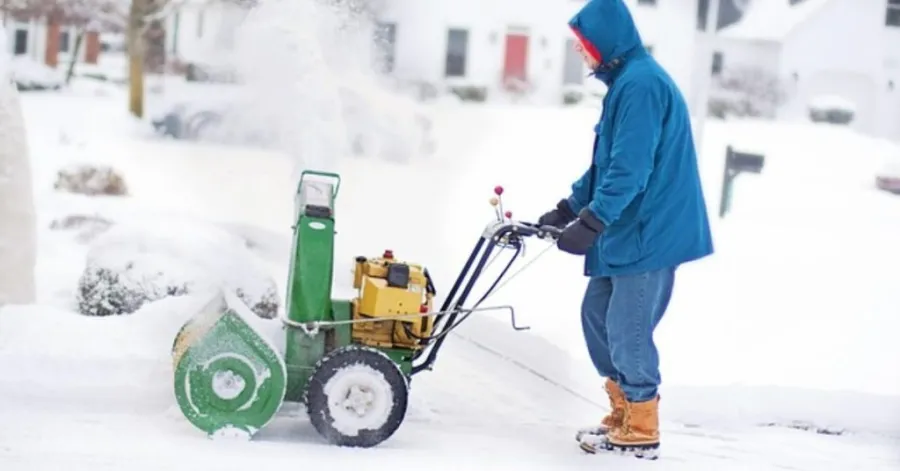
A snow blower is a machine that is used to remove the snow from driveways by throwing it away. Follow the step-by-step instructions to learn how to start a snow blower safely and efficiently. When you follow the right steps, it’s easy and safe. Don’t be worried if you are new to snow blowing. Consult your manual to get model-specific information before starting.
In this guide, you will get to know all the tips and tricks to start a snow blower.
- Understanding the Basics Before You Start a Snow Blower
- How to Start a Snow Blower: Preparation Checklist
- How to Start a Snow Blower With an Electric Start
- How to Start a Snow Blower Manually (Pull-Cord Start)
- How to Start a Snow Blower in Extremely Cold Weather
- Maintenance Tips to Make Your Snow Blower Start Easily Every Time
- Conclusion
Understanding the Basics Before You Start a Snow Blower
Before using a snow blower, these are the basic things you must know. Understanding them helps you operate confidently and more efficiently.
What You Need to Know About Snow Blower Types
You should first know the types of snow blowers. There are two types: electric and gas-powered. Gas snowblowers are powered by gasoline and can be used for large driveways or heavy snowfall. Electric Snowblowers plug into an outlet or use a Battery. They are best for small areas with lighter snow. Check your manual to see how each type starts a snowblower.
Here is a table that will help you compare.
| Type | Power Source | Best For | Starting Method |
| Gas | Gasoline | Large, deep snow | Pull-cord/Electric |
| Electric | Plug/Battery | Light, small areas | Button/Key |
Keep them close by if you have any other tools for snow removal, such as shovels and ice melt. You may need them to touch up or reach tight areas.
Safety Precautions Before Starting Your Snow Blower
When you turn on a snowblower, safety is the first thing to consider. Wear warm clothing, gloves, and boots that have a good grip. Remove any stones, sticks, or toys that may be in your way. They can cause damage to your snowblower or even injury.
Tip: Do not put your hands anywhere near the chutes or blades of the machine, even when it is turned off.
Be sure to read all the warning labels on your machine. You will feel safer and more confident if you follow these simple steps when starting a snowblower.
How to Start a Snow Blower: Preparation Checklist
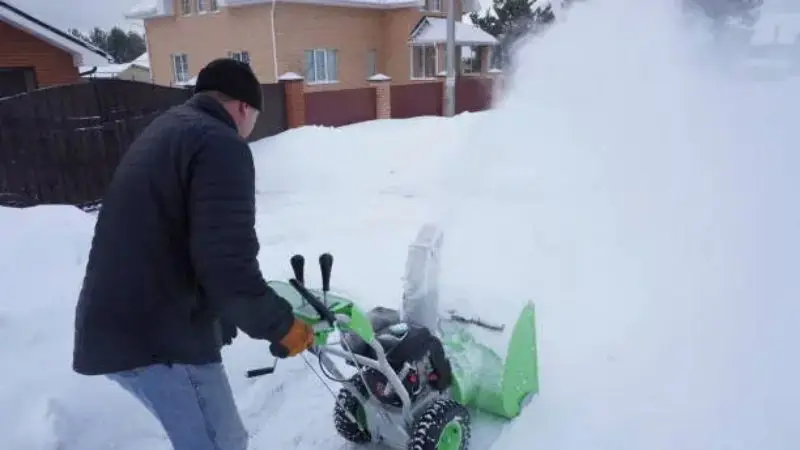
A simple checklist will help you get ready to start your snowblower. Make sure that your machine is ready for a smooth launch. Let’s go through each step.
Check the Fuel and Oil Levels
Look at the fuel tank first. Fill up your gas-powered snowblower with new gasoline. The engine can be difficult to start if you use old fuel. Check the oil level next. Check the oil level with the dipstick. Skip this step if you own an electric Snowblower.
Tip: Use the recommended fuel and oil in your manual. It will keep your snowblower in top shape and make how to start a snowblower after winter storage much easier.
Inspect the Spark Plug and Ignition System
Look at the spark plug. Make sure the spark plug is clean and tightly seated. Your snowblower may not start if your spark plug is dirty or loose. Replace the damaged spark plug. Check for corrosion or loose wires in the ignition system. This will help you prepare for ignition.
Prime the Engine (If Required)
Prime the engine on some gas models. Press the primer bulb 3 to 5 times. This will push fuel into the carburetor and help with starting instructions. This part can be skipped if your snowblower does not have a starter bulb.
Verify the Choke and Throttle Settings
The engine will get more fuel if you set the choke to “full”, “start”, or “start”. Set the throttle to “fast”. These settings will make it easier to start your snowblower. Once the engine has started, set the choke to “run.”
Here is a handy checklist you can keep at hand:
| Step | What to Do |
| Fuel & Oil | Fill and check levels |
| Spark Plug & Ignition | Inspect and clean |
| Prime Engine | Press the bulb if needed |
| Choke & Throttle | Set to start positions |
You’ll be able to start your snow blower confidently if you follow these instructions. Every time you start a snowblower, it becomes easier.
How to Start a Snow Blower With an Electric Start
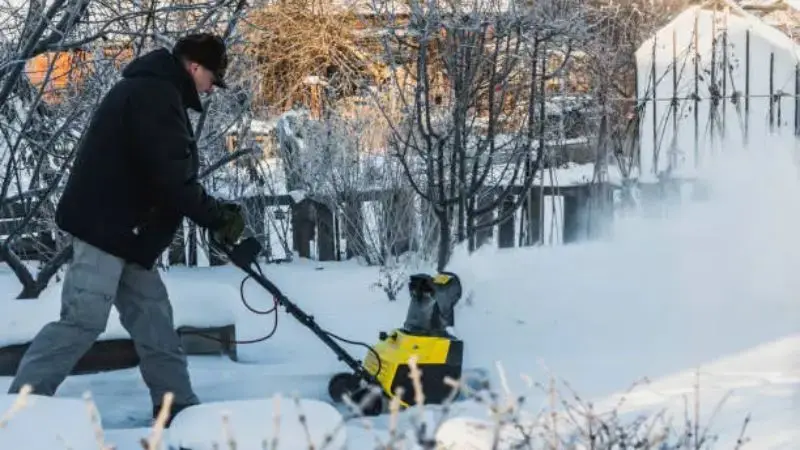
Starting your snow blower with an electric start is simple and easier. This step-by-step guide helps you understand how to start a snow blower with an electric start smoothly.
Plugging In and Positioning the Machine
Before you start your snowblower, make sure it is prepared. Your snowblower should be placed on a level surface. It will stay steady. Connect the power cord to the electric starter port on your snowblower. If you need more length, use a heavy-duty outdoor extension cord. Make sure the cord isn’t tangled or close to moving parts. This is an important step to prepare for ignition.
Tip: When positioning your snowblower, keep your hands and your feet away from the auger or chute.
Using the Electric Start Button Safely
You can now follow the instructions for starting. If your snowblower is equipped with a key, turn it to “on”. As you have learned, set the throttle and choke. If your model requires it, press the primer bulb. Now you are ready to turn on the ignition. Hold the button for a few seconds and then push it. The engine should start. Once the engine starts, release the button. This is the simplest way to start an electric snow blower.
| Step | Action |
| Plug In | Connect the power cord |
| Set Controls | Choke, throttle, key |
| Prime (if needed) | Press primer bulb |
| Start | Push the electric start button |
Troubleshooting Electric Start Issues
Your snowblower may not always start. First, check the outlet and power cord. Check that the cord is tightly plugged. Try again in a minute if the engine doesn’t start. Check the fuse or circuit breakers. You can also consult your manual if you are still unable to start the snowblower. As a backup, you may need to pull the cord manually. An electric start makes it easy to start the engine, but certain models require extra steps.
How to Start a Snow Blower Manually (Pull-Cord Start)
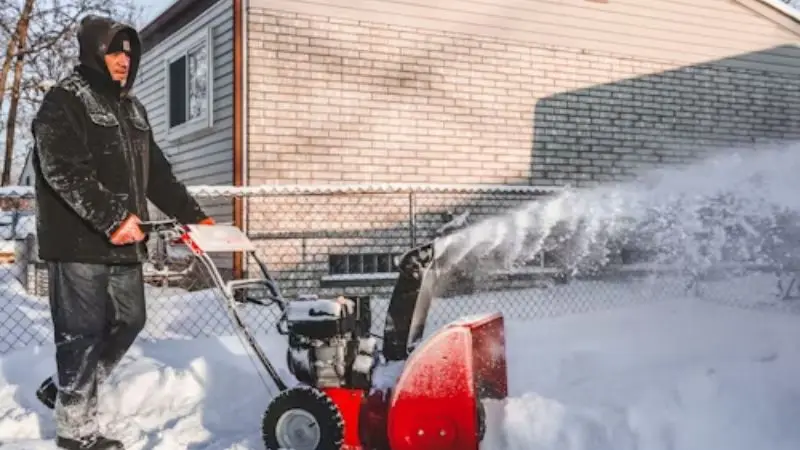
Using the snow blower manually can be easy when you learn the basic technique. Follow these steps to learn how to start a snow blower with a pull cord without frustration.
Correct Grip and Pull Technique
Do you want to start your Snowblower with the pull cord? We’ll make it simple. Standing behind your snowblower is the easiest way to do it. Balance yourself by placing one hand on the handlebars. Grab the cord handle with your other hand. Maintain your feet at shoulder width apart. With a strong, quick motion, pull the cord straight up. Do not pull it too hard, or it will snap back. This protects both the engine and you. Wait a few moments and then try again if the engine won’t start.
Tip: Don’t push if you feel resistance. Before you pull the lever again, check that the controls are in the correct positions.
Adjusting the Choke After the Engine Fires Up
You will need to adjust your choke once the snowblower engine has started. Slowly move the choke from full or start to run. It takes a few moments for the engine to warm up. The engine may stall if you move the throttle too quickly. You should hear a smooth, squealing sound. This means that your snowblower will be ready to use. Now you can start clearing the snow.
Common Problems With Manual Starts and Fixes
Sometimes the pull cord doesn’t start your snowblower right away. This quick table will help you troubleshoot.
| Problem | Quick Fix |
| The engine won’t start | Check fuel and oil levels |
| Cord feels stuck | Inspect for ice buildup |
| Engine sputters | Adjust choke slowly |
| No spark | Clean or replace the spark plug |
You’ll be able to start your snow blower by hand if you follow these instructions. It gets easier with practice. If you run into trouble, check your manual for more tips.
How to Start a Snow Blower in Extremely Cold Weather
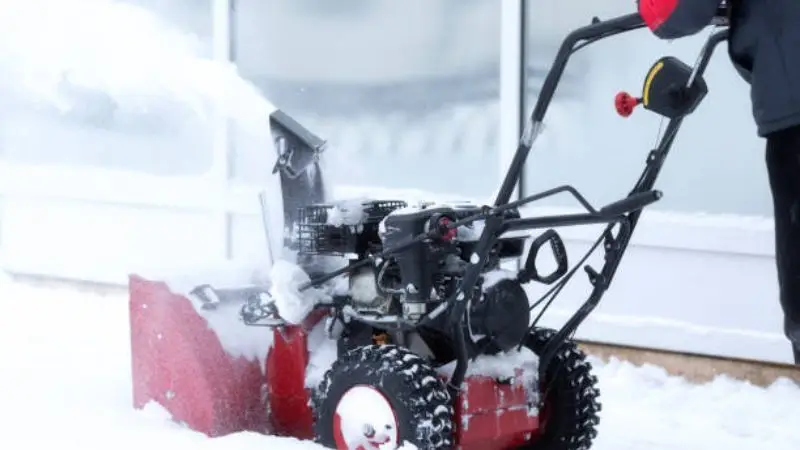
In harsh winter conditions, starting a snow blower can be challenging. Follow these tips for how to start a snow blower in cold weather and avoid common cold-start problems.
Using Fuel Stabilizers or Carb Cleaners
Starting your Snowblower can be a challenge in cold weather. Add a fuel stabiliser to your gas tank to ensure that your fuel stays fresh. It will prevent your gas from becoming thick or gummy. Try a carb cleaner spray if your snowblower is still having problems. Spray the spray into your carburetor, and it will help remove any old residue. These products will help your engine start faster.
Note: Please follow all instructions on the bottle of carb cleaner or fuel stabilizer. Safety is always first!
Pre-Heating Tips for Easier Startup
Warming up your snowblower will make the job easier. You can move your machine to a shed or garage for a couple of hours. If you do not have an indoor space available, place a portable heater near (but not too close). Warming up oil and fuel will make it easier to start your engine. Some people place a heated pad or blanket under their engine to give it a boost.
Here is a quick checklist for preheating.
- Place the snowblower on a warmer surface
- Use a safe portable heater
- Consider installing a heated pad underneath the engine.
What to Do If the Engine Still Won’t Start
Don’t panic if your snowblower won’t start. Do the basics first. Fuel in the tank: Is it fresh? Are the spark plugs clean and tightened? You may need to prime your engine several times. Let the engine rest for ten minutes before trying again. If the problem persists, you may need to contact a professional.
| Problem | Quick Solution |
| Old fuel | Add fresh gas |
| Dirty spark plug | Clean or replace |
| Cold engine | Warm up, then retry |
These tips will help you start your snowblower even in freezing temperatures.
Maintenance Tips to Make Your Snow Blower Start Easily Every Time
Routine inspections are able to preclude severe starts and sudden malfunctions. Such maintenance measures will avoid issues and enhance performance in the long run.
Seasonal Storage Best Practices
You had better make sure your snowblower is in the best condition possible to use next winter. You should empty your tank before you start. Old gas can clog the engine. Remove any dirt or salt. Keep your snowblower dry. Fitted cover, tarp or tarp can be used to keep dust at bay.
Before placing your car away in the long run, remove the spark plug. This will prevent accidents.
Routine Maintenance Schedule
Regular maintenance keeps your snowblower in top shape. You can easily follow this simple schedule:
| Task | How Often |
| Check oil level | Every use |
| Inspect the spark plug | Once a season |
| Tighten bolts | Monthly |
| Clean chute | After use |
The cables and belts should also be inspected. In case you detect cracks or wear, change them. Oil moving machinery to avoid rust.
When You Need Professional Service
At other times, you require additional assistance. When your snowblower produces uncharacteristic sounds or fails to start after you have completed all the procedures, enlist the services of a professional. Professionals are able to resolve electrical and engine issues. Do not hesitate to act in case you smell or see gas. Safety comes first.
Keep in mind: frequent servicing will result in a minimum of troubles and make sure that your snowblower is ready at the required moment..
Conclusion
Now you are sure about how to start a snow blower. All you have to do is to remember the most important ones: inspect the fuel, oil and spark plug, arrange the controls in the most appropriate way and either use the electric start button or pull-cord. Never forget to consult the manual of your snow blower on instructions that are specific to your model and always keep in mind that the more you practice, the easier and smoother the operation works.
FAQ
How often should I check the oil in my snow blower?
Screen the oil each time you use your engine. You will get a smooth-running engine and a long life in case you use clean oil.
What should I do if my snow blower won’t start?
Test the spark plug and turn the choke. See the manual or call a technician in case your Snow Blower will not start.
Can I use regular gasoline in my snow blower?
One should use regular unleaded gas in a snowblower. High ethanol content fuel is to be avoided. See your manual to know what the best fuel.