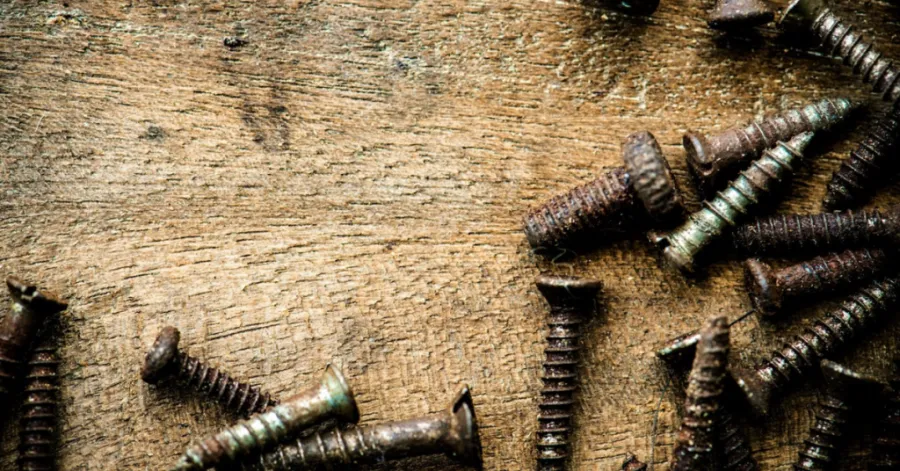
Dealing with a rusted screw doesn’t have to be frustrating. You can remove it using common household items like a screwdriver, pliers, a socket set, vinegar, or baking soda. The key is to work slowly and carefully, giving the rust time to loosen.
Always prioritize safety—wear gloves to protect your hands and goggles to shield your eyes from debris. Steady hands and patience make all the difference. You don’t need expensive tools or complicated tricks; a thoughtful approach and a few simple items are often enough to learn how to remove rusted screws efficiently and safely.
Household Tools for Rusted Screws
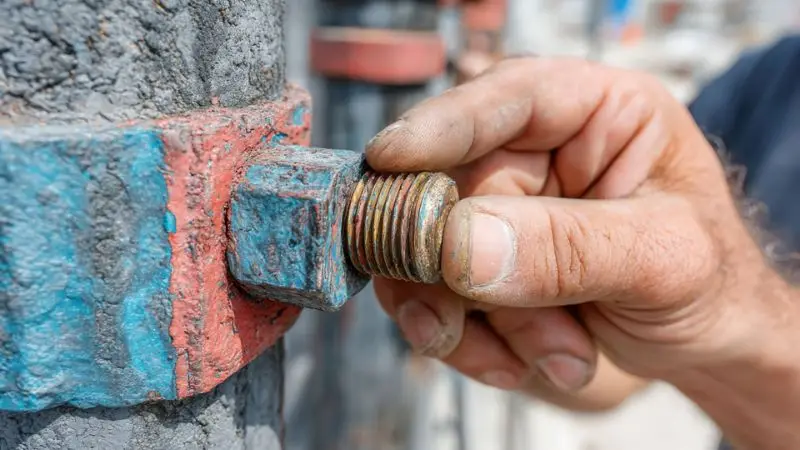
Dealing with rusted screws at home can be frustrating, but most of the tools you need are probably already in your kitchen or garage. Knowing which tools to use and how to combine them can make the process much easier and safer. Before reaching for specialty items, start with what you have at hand.
Basic Tools for Rusted Screws
Start with a screwdriver that fits the screw head snugly. Flathead or Phillips screwdrivers work best for most screws. Pliers or a socket set are handy for gripping and turning stubborn screws, especially if the head is partially stripped. A rubber band can also give extra grip in these cases.
Household ingredients like vinegar or baking soda can help break down rust naturally, while a spray oil like WD-40 can loosen the screw. You can also gently tap the screw with a hammer to help the screwdriver grip better. Using these simple tools, you can learn how to remove a rusted screw without a screwdriver in some cases.
Optional Tools for Tough Rusted Screws
Sometimes you do not get basic tools, and you might have to resort to other means. The rust requires heat to loosen its bonds; therefore, a hair dryer or heat gun may be used to warm up the metal, giving the screw looseness. When a screw is too rigid to be loosened, a drill will be serviceable.
Some stubborn screws may also be removed with a screw extractor, which is not available in most households. With ordinary household tools and these basic methods, you can frequently find the simplest way to remove rusted screws in the house without using professional tools and making additional purchases.
How to Remove Rusted Screws: Easy Methods
Rusted screws can be frustrating, especially when they refuse to turn no matter how much force you use. The good news is that you have several methods at home to loosen or remove them safely. By combining simple tools like a screwdriver, pliers, or a socket set, household ingredients, and a little patience, you can tackle rusted screws on metal or wood surfaces without needing specialized equipment. Let’s explore practical ways to remove rusted screws and learn some clever tricks to make the process easier.
Penetrating Oil Method
One of the easiest ways to deal with rusted screws is to use penetrating oil. Spray WD-40 or any rust remover directly on the screw and let it sit for at least 10 minutes. The oil seeps into the threads and loosens the rust. Then, place your screwdriver and turn slowly.
If it does not move, gently tap the handle with a hammer. This technique is a simple way to learn how to remove a rusted screw without a screwdriver in case the head is damaged or stripped. Always wear gloves and wipe away excess oil.
Vinegar Soak
Vinegar, which is white in color, is a natural remover of rust and can be applied to both metal and wooden screws. Where feasible, take out the item containing the screw and leave it in vinegar for a couple of hours. In the case of screws that are not removable, take a cloth dipped in vinegar and cover the screw head for at least an hour.
Vinegar removes the rust in the acid and allows the screw to be turned with ease. Attempt to turn the screw using a screwdriver after it has been moistened. This technique is non-toxic to the majority of surfaces and assists in determining how to strip away rusted screws of metal screws.
Baking Soda Paste
Baking soda is another household item that can help remove rusted screws effectively. Mix it with water to create a thick paste and spread it over the rusted screw. Let it sit for about an hour so the paste can break down rust deposits.
Use an old toothbrush or a small brush to scrub the area gently. Wipe away the paste and try turning the screw with a screwdriver. This method works well for light rust and is safe for wood and metal. Baking soda is a gentle way to figure out how to take out rusted screws from wood.
Rubber Band Trick
If a screw head is stripped, a wide rubber band can give your screwdriver extra grip. Place the rubber band over the screw head and press your screwdriver into it while turning slowly. The rubber fills in the gaps, letting the screwdriver catch better.
This trick works best for screws that are not too deep or severely rusted. Even if the screw does not budge at first, combining this with oil or vinegar often helps. The rubber band method is a clever technique for understanding the easiest way to remove rusted screws at home.
Pliers or Wrench
Pliers or a wrench can do very well when the screw head sticks out. Hold the screw and spin it but at a slow rate, and keep up a constant pressure. Should it be sticking or loose, stick it lightly sideways and break the rust bond. Stubborn screws are provided with an additional option by locking pliers.
Such an approach comes in quite handy, especially when you are unable to work with a screwdriver. To gain a screw extractor, you may be required for harder jobs, whilst most screws can be undone with patience and with the help of plain tools. There is also an indication of how to extract rusted screws out of metal without stripping them.
Hammer Tap
Tapping the screwdriver handle with a hammer can help loosen rusted screws. Position your screwdriver in the screw head and tap lightly; the shock can break the rust bond. Avoid hitting too hard, as the goal is to loosen the screw without damaging the surrounding material.
After tapping, try turning the screw slowly. If it moves, continue until fully removed. This method often works in combination with oil, vinegar, or baking soda. Hammer tapping is a practical technique to help anyone learn how to remove a rusted screw without a screwdriver.
Applying Heat
Heat will cause the metal to expand, and this may break the rust bond. Warm the area around the rust first with a hair dryer or any other heat gun for several minutes. Take caution not to burn yourself or destroy other materials. When hot, attempt to move the screw using a screwdriver.
The heat comes in handy with stubborn screws, which are not easy to get. Always put on gloves and safety glasses. This trick is useful in determining how to remove rust from screws in wood or metal without causing any damage.
Drilling Out Screws
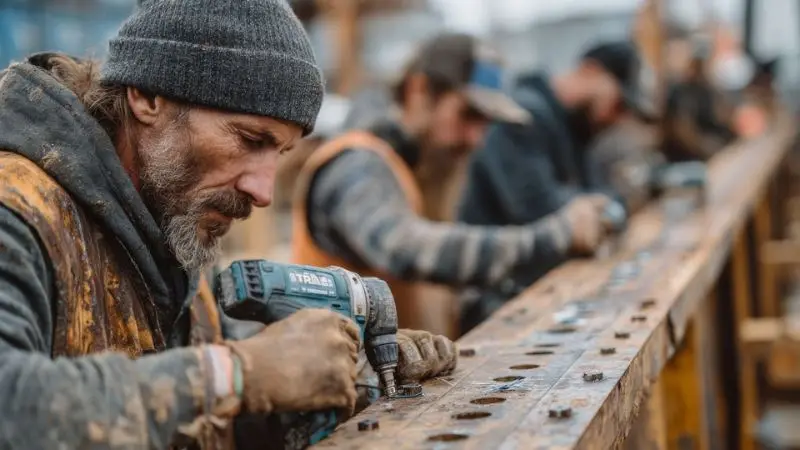
If nothing else works, drilling may be necessary. Use a drill bit slightly smaller than the screw and drill straight into the screw head. This will break the screw apart, allowing removal. Be cautious, as drilling can damage surrounding surfaces.
A screw removal kit or extractor can help remove broken pieces afterward. Drilling should only be a last resort, but it works for the toughest cases. Combining drills with other household techniques can help you understand the easiest way to remove rusted screws at home without buying specialty tools.
How to Stay Safe and Solve Problems When Removing Rusted Screws
Working with rusted screws can be tricky, so it’s important to take safety precautions and know how to handle common issues. Following the right steps keeps you safe and prevents damage to your materials. Here’s a clear guide to staying protected and troubleshooting stubborn screws.
Essential Safety Measures for Removing Rusted Screws
Secure your workspace, as well as yourself, beforehand. Even a minor precaution would go a long way in dealing with tools and chemicals.
- Put on a pair of gloves and safety glasses to prevent injuries to the hands and eyes.
- Do it in a bright place in order to have a good view of what one is doing.
- Always keep your hands dry so that you do not fall over when using tools.
- Do not press screws too hard, as the screw might be stripped or it may break.
- Importantly, flammable objects should be kept away when using a hair dryer or flame gun.
Common Problems and How to Fix Them
Even with the best methods, some screws may not come out easily. Here are the most common problems and practical solutions:
- Stripped screw head: Use a stripped screw removal tool or a screw removal kit.
- Broken screw: Try a screw extractor tool or removal kit to remove the broken piece.
- Headless screw: Grip the shaft with pliers or carefully drill it out.
- Screw is still stuck after all methods: Combine white vinegar and heat, then use a screw removal kit for better results.
By following these safety steps and troubleshooting tips, you can confidently tackle even the most stubborn rusted screws. Staying careful and patient ensures the process goes smoothly and protects both you and your materials.
Wrap Up
Learning how to remove rusted screws at home doesn’t have to be frustrating. With common household tools, a little patience, and some clever techniques, you can tackle most stubborn screws safely. Whether you use penetrating oil, vinegar, baking soda, or heat, the key is to go slowly and protect yourself with gloves and safety glasses.
Simple tricks like a rubber band or pliers can make a big difference. Remember to troubleshoot carefully if screws are stripped, broken, or stuck. By following these steps, you’ll gain confidence and learn the easiest way to remove rusted screws at home safely.
FAQ
Suppose the screw will not turn at all?
Again, soak it in vinegar or oil. You may also beat it with a hammer. Sometimes, time and a second chance are the best.
Will cola get the screws rusted off?
Yes, you can! The acid present in cola helps in the breakdown of rust. Wet the screw a little by immersing it for several hours, and attempt to remove it.
Can a hair dryer be used in heat?
A hair dryer is usable in the form of heat. If you just keep your hands safe, that is all, and be careful with plastic parts. Always do not leave the dryer unattended. Constantly wears gloves and protective glasses when using heat or a tool!