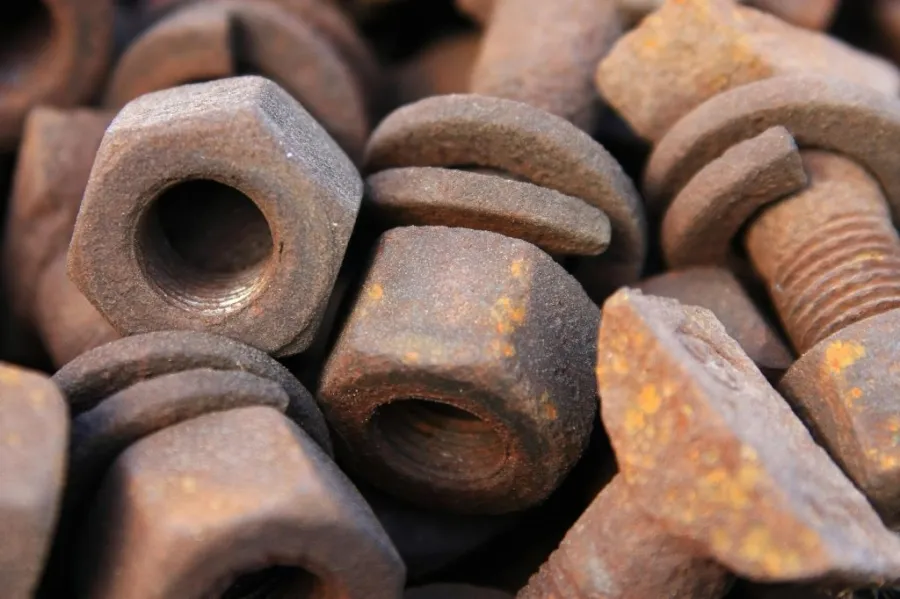
When screw, nuts, and bolts face rust and corrosion, it is due to exposure to humidity and moisture. You will find these mostly working on automobiles and in any household work because these environments are more prone to moisture.
Rust degrades your precious scews, nuts, and bolts. It makes it impossible to remove these fasteners and causes a lot of frustration. That is why it is important to keep an eye on the nuts and bolts so that they don’t rust. This guide is all about how to remove rust nuts. Let’s start!
What causes nuts to rust?
Rust is the result of oxidation, which is a chemical reaction. When iron or steel is exposed to oxygen and humidity, it forms iron oxide. It is commonly called rust. Nuts and bolts are usually exposed to a high-moisture atmosphere, therefore, they face corrosion.
Usually, the causes of rusted nuts are:
- Exposure to moisture: Rain, humidity, washing, or condensation without drying
- Chemicals and road salts: These are particularly common in marine and automotive applications
- Dissimilar metals: Galvanic corrosion occurs when different metals combine together
- Lack of Lubrication: Dryness speeds up corrosion
- Heat: Heat causes expansion and contraction that tightens rust bonds with time
When rust forms inside the threads, it locks the nut. More force application will cause it to become stripped or rounded rather than removing it. Understanding these causes is crucial when learning how to remove rust nuts safely and efficiently.
Safety precautions before removing rusted nuts
Whenever reaching for power tools or a wrench, safety should be your first priority. It requires a lot of force, heat, or cutting to remove rusted nuts. Therefore, these steps carry risks.
Consider these necessary safety precautions when learning how to remove rust from nuts and bolts:
- Wear safety glasses to protect against metal shards, sparks, or flying rust particles
- Use gloves for a firm grip and protection from sharp edges
- Stable footing and positioning help you avoid slips when applying torque
- Disconnect power sources when you are working on vehicles or machinery
- Good ventilation is required in the working area when using heat or chemicals
A few minutes to prepare properly can prevent you from injuries and costly blunders.
Tools you’ll need
Tools are essential for your quick success and to avoid hours of frustration especially when you need to know how to remove rust from bike nuts. Using the wrong tools can give you rounded fasteners, worn studs, or damaged parts.
Let’s have a look at the fundamental tools you must have to remove rusted nuts and bolts when leaning how to remove rust from wheel nuts:
- Penetrating oil (WD-40, PB plaster)
- Combination or box-ended wrenches
- Six-point sockets for a firm grip
- Breaker bar for extended leverage
- Wire brush for cleaning surface rust
- Hammer for shock loosening
Some stubborn, speciality cases, and power provide additional force and precision. For this, you must have:
- Heat source(propane or MAP gas torch)
- Impact wrench
- Nut splitter
- Bolt extractor
- Rotary tool or angle grinder
Each tool is specific to a purpose and depends on how badly the nut is seized. These tools are the foundation when learning how to remove rust off nuts and bolts.
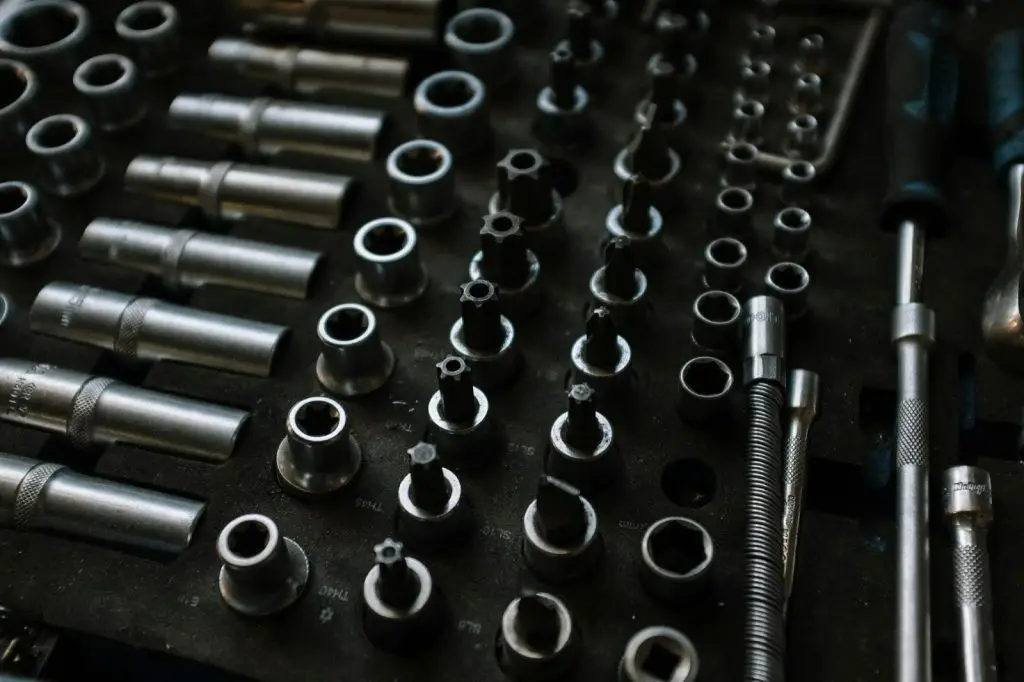
Why an impact socket set works best
Impact sockets are specially built to handle high torque without slipping or cracking. Unlike standard chrome sockets, these sockets are:
- Thicker and sturdier
- Grip fasteners more firmly
- Reduce rounding on loads
- Withstand repeated hammering by impact tools
If you are eager to learn how to remove rust nuts, investing in a quality impact socket set is one of the worthy decisions you can make.
How to remove rust nuts step by step
Now, let’s dive into the systematic approach that is helpful in most situations.
- Inspect and select the socket area
Take a moment to inspect the nut and look for heavy build up, rounded edges, or damage to the threads. Select a six-point socket form your socket set that fits the nut correctly. Avoid twelve-point sockets as they can slip likely.
A snug fitting or standard socket gives maximum contact and reduce risks of rounding.
- Clean the nut and exposed areas
With the help of a wire brush, remove loose rust from the nut and exposed threads. It will be helpful for penetrating oil to reach deeper into the threads.
For best results brush from multiple angles and clean the area with a rag for effectiveness of further steps.
- Apply penetrating oil
Soak the nut generously and let it soak for at least 15-30 minutes. If the fasteners are heavily rusted, you can soak them for several hours or overnight, too. In this time, the oil works it’s way into microscopic gaps and breaks down the rust bonds.
- Seat the socket and apply initial torque
Place the socket squarely onto the nut and tap it with the help of a hammer so that the socket grip properly. Use a breaker bar or long-handled ratchet and apply slow and consistent pressure.
Slightly tighten the nut first then loosen it for creating a back and forth motion to crack the rust inside. If the nut doesn’t move, stop and go to the next step.
- Add shock or controlled impact
Apply a steady force, but if doesn’t work, take a controlled shock. Strike the nut with hammer to break rust inside the thread.
Switch to an impact wrench with an impact socket set as it more effective. Create short bursts of impact torque as this method is far better and it also reduce the chances of rounding the nut.
- Apply heat if the nut is seized
If the nut refuses to move, apply heat using a propane or MAP gas torch. The heat expands the nut and breaks the rust bond between bolt and nut. Heat it for 20-40 seconds then allow it to cool.
Apply oil when it is warm and try loosening it again using your socket set.
- Remove the nut and clean the threads
Once the nut starts moving, loosen it slowly and apply more oil. After removal, clean the bolts with a wire brush and inspect them for damage. To protect it from future damage, apply an anti-seize compound before reinstalling.
When practicing how to remove rust nuts without damage, follow these steps carefully to get success.
Advanced techniques for stubborn rust nuts
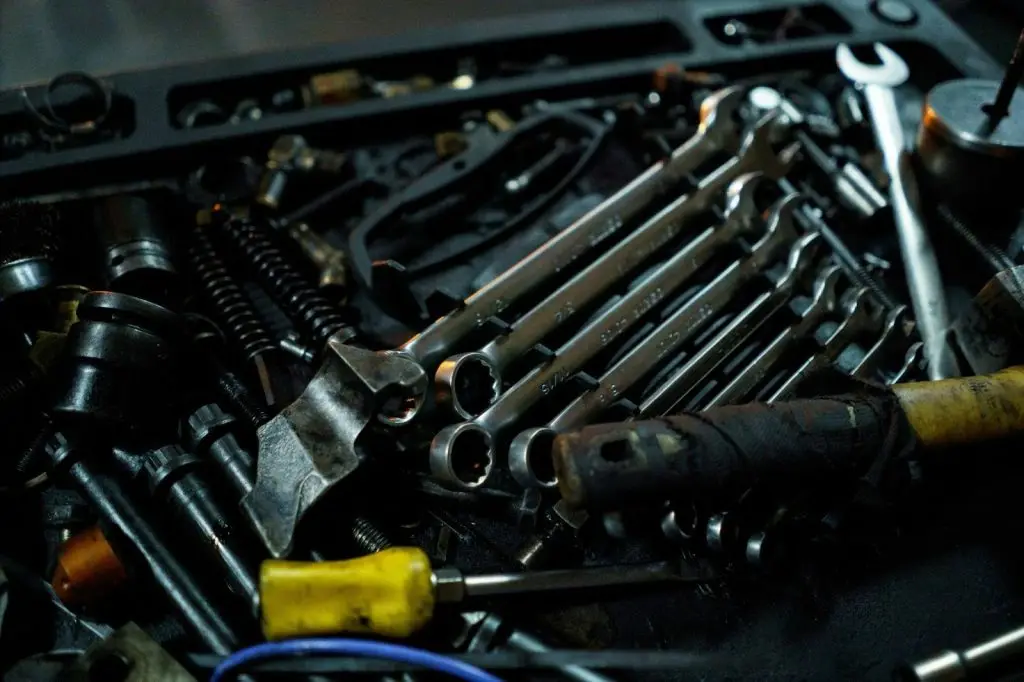
Sometimes there are some rusted nuts that refuse to cooperate. If it happens, it’s time to escalate and be more skilled.
Mechanical extraction methods
Mechanical methods depend on gripping or shocking the nut to loose:
- Bolt extractors munch rounded nuts
- Vice grips give hostile clamping forces
- Impact tools put in rotational hammering
- Double nutting can assist in removing exposed studs
These methods work when the nut still has some structure remaining.
Cutting and splitting methods
The most reliable solution when other method fails is cutting:
- Nut splitters: They crack the nut without damaging the bolt
- Angle grinders: They cut through the nut wall
- Cold chisels: They can split nuts with careful hammering
- Rotary tools: They offer precision in compact spaces
Cutting can save the bolt and surrounding components but sacrifice the nut. Here, you have to remove the rusted part and not preserve it.
These steps show the final stage of how to remove rust nuts in complex cases.
How to prevent rusted nuts in the future
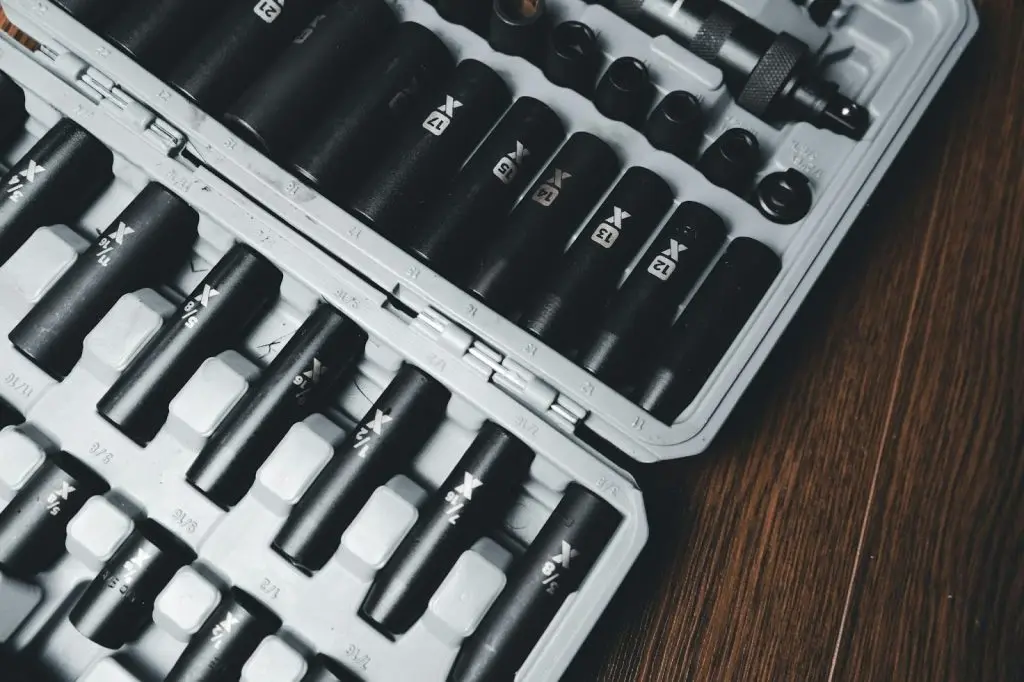
After removing rust, the next step is to avoid it in the future and make sure it never happens again.
Lubrication and protective coatings
These preventive measures can save hours of labour for the future:
- Grease the exposed fasteners
- Anti-seize compound on threads
- Use zinc-plated or stainless hardware
- Use protective sprays or coatings
Proper tool use and storage
Practise these food habits for the long run:
- Apply correct torque specifications
- Avoid overtightening of nuts and bolts
- Store tools in dry areas
- Replace broken or rusted fasteners immediately
Consistent maintenance is necessary to prevent seized hardware again.
FAQs
What is the easiest way to remove rusted nuts?
The easiest method is a combination of penetrating oil, adequate tools, and patience. Let the oil soak thoroughly in the components and use a six-point socket with a beaker bar often. This method is the basis of how to remove rust nuts effectively without wearing them.
Does heat help remove rusted nuts?
Yes, heat is very helpful in this case. Heating the nut causes it to expand and help break the rust bond. After cooling, the nut often loosens more easily. Heat should be used carefully in order to avoid damaging the surrounding components.
Are impact tools safe for rusted nuts?
İmpact tools are generally secure when used with impact-rated sockets. They apply torque in short intervals to reduce rounding of nuts. İf you know the correct way to use them, they prove to be one of the best solutions for rusted fasteners.
What if the nut strips or rounds off?
İn this case, take a bolt extractor or locking pliers. İf they don’t work, cutting the nut is the safest solution. İf you continue to apply force with the wrong tools, it will worsen the situation.
Conclusion
We hope that this guide helped you in removing the stubborn rusted parts hassle-free. After removing rust, it is good to paint the nuts and bolts with spray paint for future longevity. Keep them clean and away from dust and moisture.
In a nutshell, removing the toughest rusted nuts and bolts can be challenging. But with proper skills and information, this work becomes easier. Follow our guide and preventive measures to remove the frustration in your work quickly.