If you want a lawn that makes your neighbors jealous, you must begin with the dirt. Most people believe you can just throw seed on the ground and walk away, but this is a prescription for a patchy yard. Knowing how to prep yard for grass seed is the key to professional outcomes.
To complete the task correctly, you must have the appropriate equipment. Whether you’re carrying soil or levelling the ground, employing high-quality, professional-grade landscaping tools saves you a lot of labor. Investing in durable equipment guarantees that your project runs well from start to end. Let’s begin the process of creating a better lawn.
When to start prepping
When it comes to learning how to grow grass in lawn, timing is important. You wish to avoid the searing heat of summer and the harsh cold of winter. For most people, the ideal time is either early fall or mid-spring. Fall is typically the winner because the soil is warm, but the air is chilly.
Therefore, this permits roots to grow without being stressed by sunlight. If you start too late, frost will destroy the young sprouts before they have a chance. So, start your preparations about two weeks before you plan to plant the seed. This provides you time to remove weeds and improve soil quality without pushing the process.
Tools you’ll need
Now, let’s move on to the mechanical essentials for your garden. You don’t need a large tractor, but a few necessary pieces of equipment, which are required for a successful task. Having dependable, heavy-duty equipment guarantees that you won’t be fighting your tools while attempting to repair your yard.
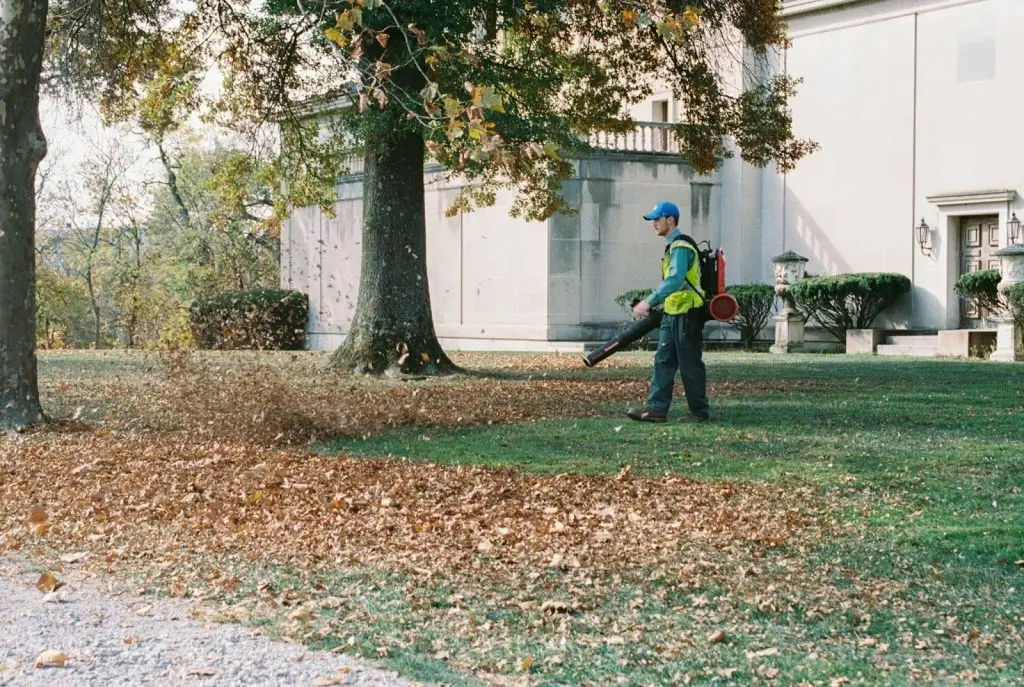
- Backpack Leaf Blower: Make sure the surface is clean before digging. Using a high-airflow gas blower allows you to quickly remove difficult, matted leaves and concealed dirt.
- Landscape Rake: A wide, robust rake is required to smooth out the hills and dips in your soil. Look for one with a long handle to help you maintain proper posture while smoothing the surface.
- Core Aerator or Tiller: You’ll need something to break up compacted earth so the roots may breathe. A good tiller transforms hard-packed soil into a soft, welcoming environment for your fresh seeds.
- Garden Cart: Look for a cart with a large capacity that can carry heavy bags of soil and fertilizer without tipping. A cart with oversized tyres makes transporting heavy objects across uneven terrain much easier.
- Seed Spreader: A broadcast spreader guarantees that every inch of the yard is evenly covered, preventing clumps. This eliminates the irritating “bald spots” that arise when the seed is flung by hand.
- Garden Hose and Sprinkler: You’ll need a dependable method to keep the area damp for at least three weeks. A high-quality hose that does not kink will save you a lot of time and irritation when watering daily.
How to prep yard for grass seed
Preparing your soil is a step-by-step process that takes patience. If you follow these steps, you’ll discover that how to prepare a yard for grass seed is a very reasonable and satisfying weekend endeavour.
Clear the Area
Begin your prepping yard journey by removing everything that is not soil. This includes rocks, sticks, and those pesky clumps of old, dead plants. You want a clean slate so that the new seeds can make direct contact with the ground.
Here comes a strong leaf blower who is your best buddy. It can remove pine needles and small stones that rakes may miss. The first step in how to grow grass quickly on dirt is to thoroughly clean the surface.
If there are a lot of existing weeds, you may need to use a selective herbicide first. Before that, just check the label to determine how long you have to wait before planting.
Loosen the Soil
When you start working on the soil, you may encounter that the grass roots are quite fragile when young. If your soil is as hard as a brick, the roots will be unable to dig deeply for water. This is why you need to break up the top three inches of dirt.
Here you can use a tiller for new areas or a core aerator for existing lawns. Loosening the ground generates air pockets, allowing nutrients and water to reach the seeds more quickly.
Compact soil is the enemy of a healthy lawn. By tilling, you create an inviting environment for those little seeds to take hold and grow their roots.
Improve Soil Quality
As you may know, the majority of backyard dirt lacks nutrients. Adding a layer of organic compost or high-quality topsoil can transform “dead” soil into a growth engine.
Spread about an inch of compost over the removed soil and mix it up lightly. This supplies the “food” your new grass requires to stay green and lush all season.
If your soil is extremely sandy or heavy clay, now is the time to address it. Adding organic matter helps sandy soil retain water and clay soil drain more easily.
Level the Surface
Nobody wants a bumpy lawn that is difficult to mow.
Use a landscape rake to smooth out the surface and fill in any low spots where water may accumulate.
You may walk gently over the yard, looking for any dips. A level surface prevents seeds from washing away into “valleys” when the first time it first rains.
A completely flat seedbed makes your grass safer to walk on. You won’t have to worry about tripping in hidden holes or dealing with swampy patches after a storm.
Apply Starter Fertiliser
You can consider starter fertiliser a “baby formula” for your lawn. It is abundant in phosphorus, a nutrient that promotes strong and rapid root growth.
So, apply the fertiliser using your spreader, following the instructions on the bag. Doing this before sowing allows the nutrients to settle into the top layer of the soil.
Regular fertiliser can be too harsh on fresh sprouts. Always search for a bag labelled “Starter” to avoid burning the delicate developing roots.
Spread Grass Seed Evenly
Now comes the fun part. Divide the seeds into two batches. The first batch will trek north to south, while the second batch will travel east to west.
This “crosshatch” pattern prevents thin spots and bare patches. It’s the pro’s secret to a carpet-like surface that resembles a golf course.
Make sure you choose a seed mix that corresponds to your sunlight levels. A “Sun and Shade” mix is usually a good bet for most residential yards with trees.
Lightly Compact the Soil
Once the seed is down, it must be pounded into the soil. This is where the rolling grass seed comes into play. You don’t want to bury the seed deeply; simply press it in.
For this, use a lawn roller filled with water. If you don’t have one, simply walking over the area in flat shoes can help guarantee the seed is tucked in and doesn’t fly away.
Proper contact between the seed and the soil is required for germination. If the seed is simply lying on top of the soil, it will dry out and die before sprouting.
Water Consistently
The biggest error people make is allowing the soil to dry out. For the first 21 days, the dirt must remain moist (but not muddy).
You can set a timer to water softly twice daily. If the seed dries out even after it has begun to sprout, it will most likely die, forcing you to start over.
Therefore, think of it as a sponge. The surface should feel damp to the touch, but not so wet that puddles develop or seeds float away.
FAQs
What is the correct order for seeding a lawn?
The best order is to clear debris first, then loosen the soil to break up compaction. After that, add your soil amendments like compost, level the ground, and apply starter fertiliser. Finally, spread your seed, roll it for contact, and start your watering schedule immediately.
What is the best month to put down grass seed?
For most regions, September is the absolute best month. The soil is warm from the summer, but the air is cooling down. This allows for rapid germination. April is the second-best choice, provided you can keep up with the watering as the summer heat begins to rise.
Do I need to remove all dead grass before seeding?
If you are overseeding a thin lawn, you don’t need to remove everything, but you should mow it as short as possible. If the dead grass is a thick “mat” or thatch, you must remove it. The seed must touch the actual dirt to grow, not just sit on top of old hay.
How long to wait to seed after killing weeds?
It depends entirely on the product you used. Most standard weed killers require a wait time of 3 to 4 weeks before it is safe to plant new grass. If you ignore this, the chemicals still in the soil will prevent your new grass seeds from ever sprouting.
Conclusion
Learning how to prep yard for grass seed is the most important part of landscaping. If you take the time to clear, loosen, and level your soil, the grass will almost grow itself. It takes a little elbow grease and some reliable, professional tools, but the results are worth every bit of effort. Don’t rush the process—give your seeds the home they deserve, and you’ll be enjoying a lush, green yard in no time!