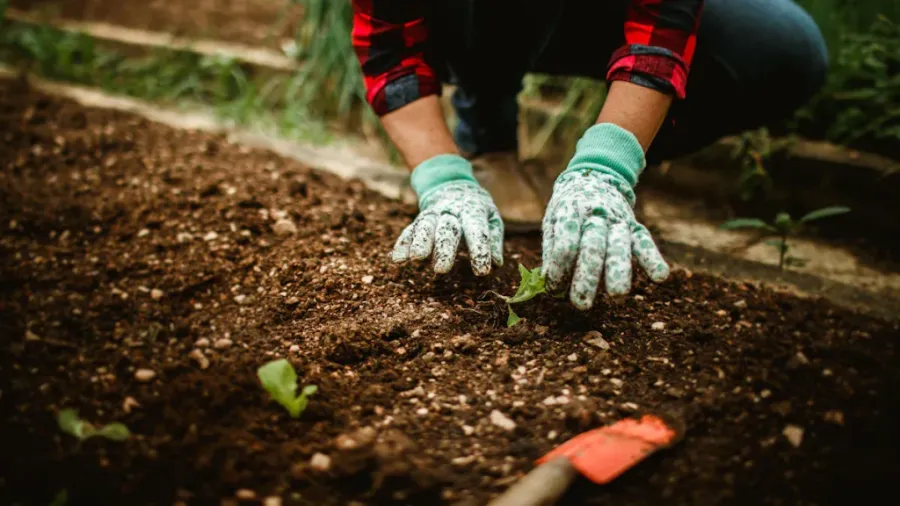
You step outside and see last year’s leaves, tangled weeds, and tired soil. It feels overwhelming, right? Learning how to prep garden beds for spring helps you clear away the mess, boost soil health, and get your garden ready for new plants. A little effort now pays off all season.
So in this article, let’s help you learn how to prep garden beds for spring so that you have the best harvest of the year! But first…
Is spring the best time to do garden prep?
Yes, spring is the ideal time to prep your garden. As the soil warms up and daylight increases, plants begin to grow, making it perfect for planting new seeds, clearing out weeds, and enriching the soil with compost.
Spring prep sets the foundation for a healthy, vibrant garden all season long. It’s also easier to spot winter damage and make timely fixes before the growing season hits full swing.
How to Prep Garden Beds for Spring
1. Assess Beds
Spring is here, and you want to know how to prep garden beds for spring. Start by taking a good look at your garden beds. Walk around and check for winter damage. Look for broken branches, dead plants, or soil that washed away. Notice if weeds have started to grow or if the soil looks compacted.
You should also check for signs of pests or disease. If you see any, plan to remove those plants or treat the area. This first step helps you decide what needs fixing before you move on.
2. Remove Debris
Next, you should clear away leaves, old stems, and any leftover mulch. This helps you see the soil and stops pests from hiding. Many gardeners mulch with leaves in the fall to keep weeds down. Pull back this mulch when you are ready to plant.
If you find healthy leaves or stems, move them to your compost pile. If you spot diseased plants, throw them away instead of composting. Removing debris now keeps your garden beds clean and ready for the next steps.
Stay comfortable while clearing debris or planting with the VEVOR Garden Kneeler and Seat. This foldable bench supports up to 330 lbs and includes a tool bag for easy access.
3. Test Soil
Testing your soil is a key part of how to prep garden beds for spring. You want to know if your soil has the right pH and enough nutrients. Most vegetables and flowers like a pH between 6.0 and 7.0. You can buy a simple soil test kit or send a sample to a lab.
If your soil is too acidic, you should add lime. If it is too alkaline, add sulfur. Testing helps you avoid over-fertilizing and keeps your plants healthy.
4. Add Compost
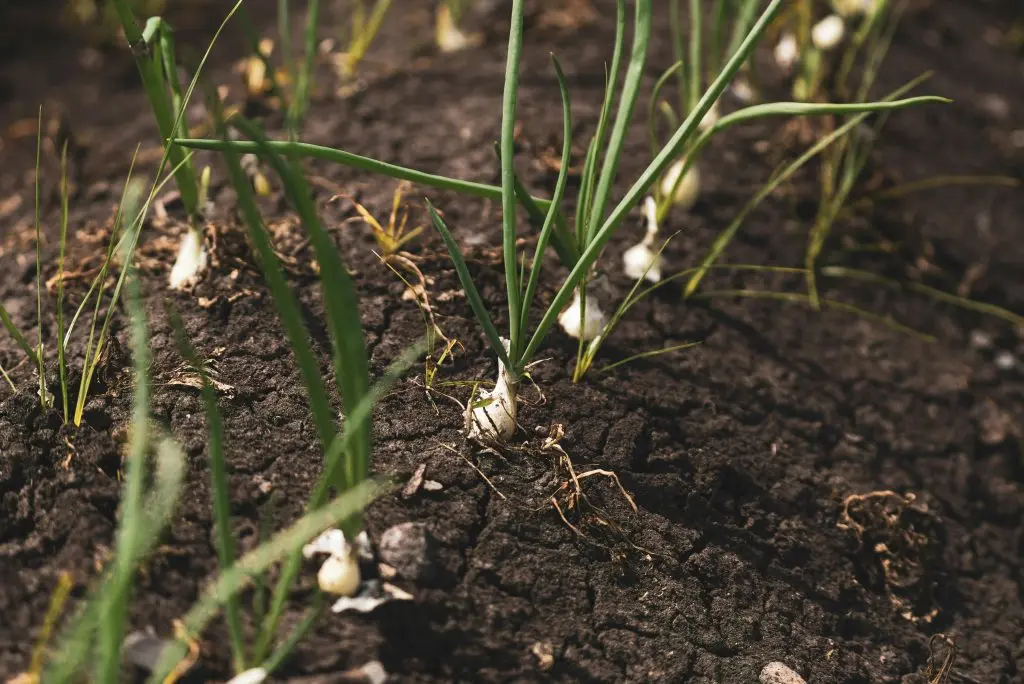
Adding compost is one of the best ways to boost soil health. Spread 1 to 2 inches of compost over your garden beds. Mix it into the top 6 to 8 inches of soil. Compost adds nutrients, improves texture, and helps soil hold water.
It is recommended to apply compost about two weeks before planting. This gives it time to settle and blend with your soil. Skip fresh manure, as it can burn plants. Use well-rotted compost or leaf mold for best results.
Tackle compost and garden work with ease using the VEVOR Horse Manure Fork. Its 18 angled tines make it perfect for turning compost or handling mulch with precision.
5. Loosen Soil
Roots need loose soil to grow deep and strong. Use a garden fork or shovel to loosen the soil to at least 8 to 12 inches. For extra-deep beds, double digging to 18 inches works well, especially if you want to try the French Intensive method.
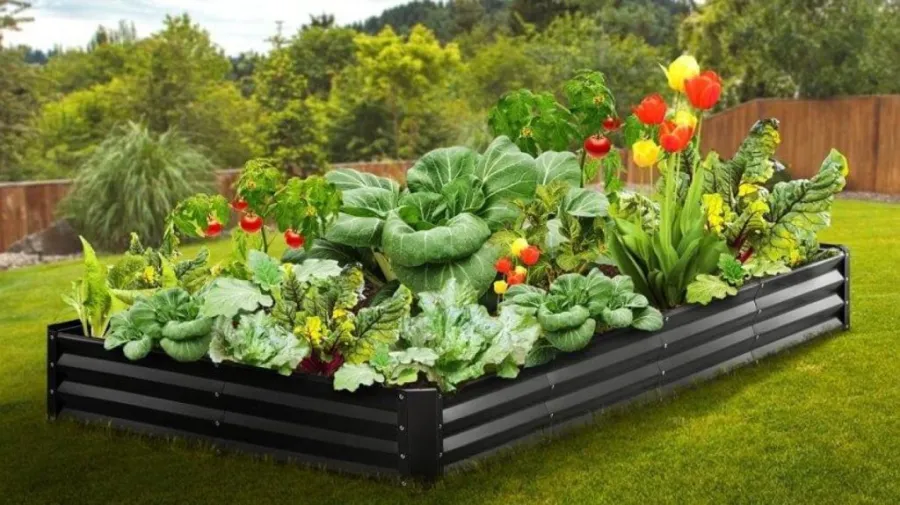
Adding compost or leaf mold as you loosen the soil helps even more. Avoid stepping on the beds to keep the soil fluffy. If you have raised beds, this is also how you prep raised beds for spring planting.
Make loosening soil easier with a Rolling Lawn Aerator. Its 21-inch heavy-duty design improves aeration for healthier root growth and better water absorption.
6. Mulch and Cover
Mulching helps your garden in many ways. It keeps moisture in, stops weeds, and keeps soil temperatures steady. Spread 2 to 4 inches of organic mulch, like straw or wood chips, over your beds. Keep mulch away from plant stems to prevent rot.
Research shows that mulching can cut water loss and weed growth. Black plastic mulch also helps control moisture and suppresses weeds. As to how to get the garden beds ready for spring or how to prepare for spring, I would say mulching is a no-brainer.
7. Design Layout
Now is the moment to consider the design of your garden. Decide what will be planted and the position of the plants. For crop rotation, if you had planted vegetables the previous year, it is advisable to do so to break the cycle.
This prevents the soil from becoming sick and is also good for it. For new beds, use cardboard and mulch to kill weeds before planting. Time is saved and space is utilized, so it is a winner.
8. Water Beds
Water beds as the last of the garden beds prep for spring, and the last or final step to take is, how do I prepare the beds for spring? After the completion of all the steps that have been outlined, the soil should be well watered. This brings the soil in the garden beds to planting position and helps settle it for seeds or seedlings.
With these steps, you know how to prep garden beds for spring. Nothing was left out. You have cleared, tested, improved, and planned the beds for spring. It is now time to see the results of the hard work.
Extra Tips for Spring Prep
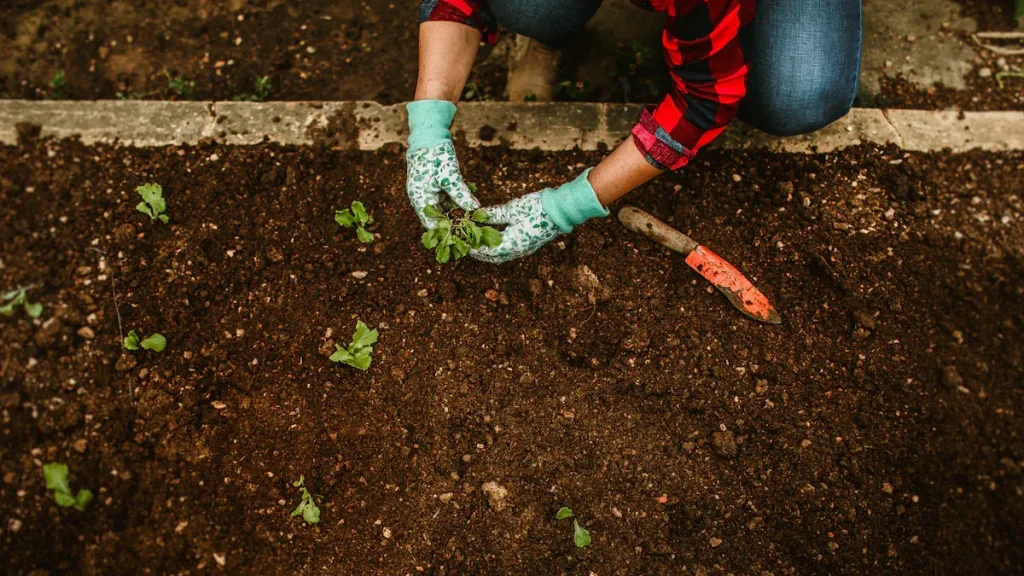
You finish the basics, but something still feels missing. Maybe you notice your plants didn’t grow as well last year, or your tools look rusty. These extra steps can make a big difference when you wonder how to prep garden beds for spring and want better results.
1. Fertilize Beds
You might think compost is enough, but adding a balanced fertilizer or even coffee grounds can boost your soil. Studies show that using the right fertilizer rate leads to much higher yields.
Skip fresh manure, as it can harm young plants. You should apply fertilizer about two weeks before planting for best results.
2. Repair Structures
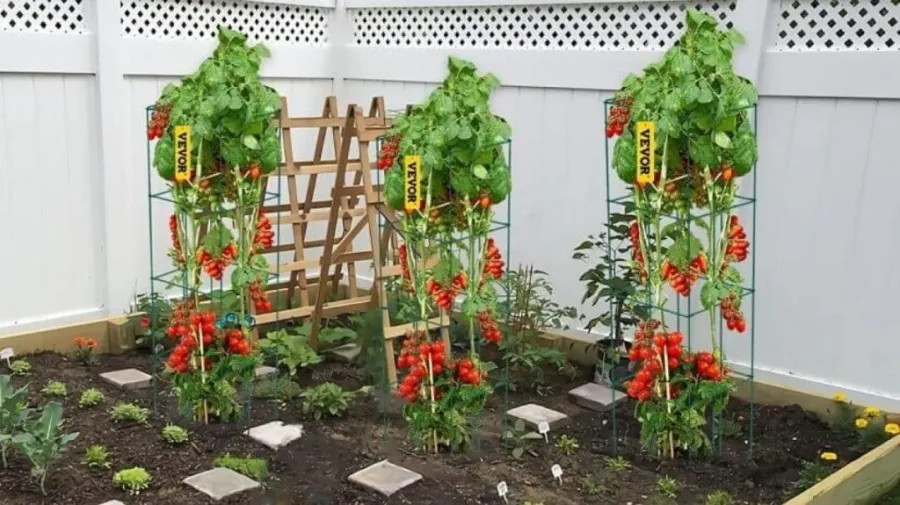
Check your beds, trellises, and fences for damage. Fixing these now saves you time later. Permanent beds and paths help keep soil healthy and make how to prep garden beds for spring easier each year. Lining raised beds can keep out rodents.
3. Prune and Divide
Pruning and dividing perennials gives your plants more space and better air flow. Pinching off tomato suckers or trimming pepper leaves helps plants focus on fruit, not just leaves. Dividing crowded plants supports healthy growth and reduces disease.
FAQ
How early can you start prepping garden beds for spring?
You can start how to prep garden beds for spring as soon as the soil thaws and dries. Early prep helps you get a jump on the season.
What if you have a new or abandoned bed?
For how to prep garden bed for planting, lay cardboard to smother weeds. Add compost and mulch. This method works for how to prep raised beds for spring planting too.
Can you skip soil testing every year?
Soil tests help you know what your soil needs. You should test every two or three years when learning how to prep garden for spring or how to prepare for spring.
Conclusion
Prepping your garden beds for spring sets the stage for a thriving, productive season. From clearing debris and testing soil to adding compost and planning your layout, each step builds a healthier foundation for plants.
Don’t forget to repair structures, prune perennials, and consider extra fertilizing. Starting early and prepping properly pays off with stronger, more vibrant growth all season long.
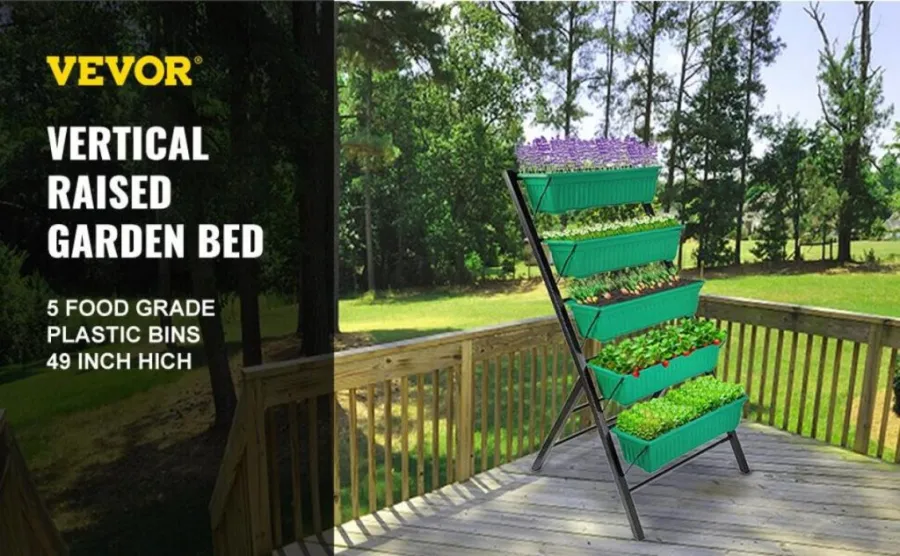
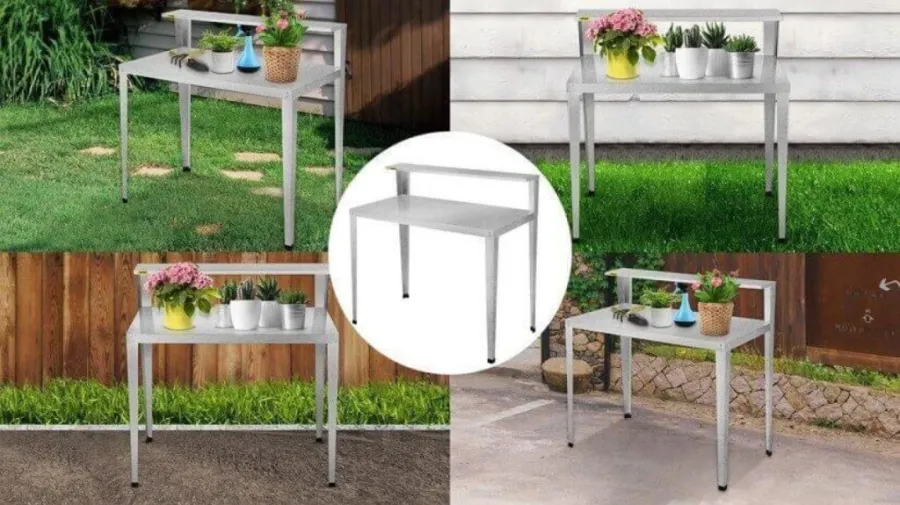
For durable garden tools, raised beds, and irrigation supplies, trust VEVOR. Built to last and designed for success, its tools help you grow better, every season.