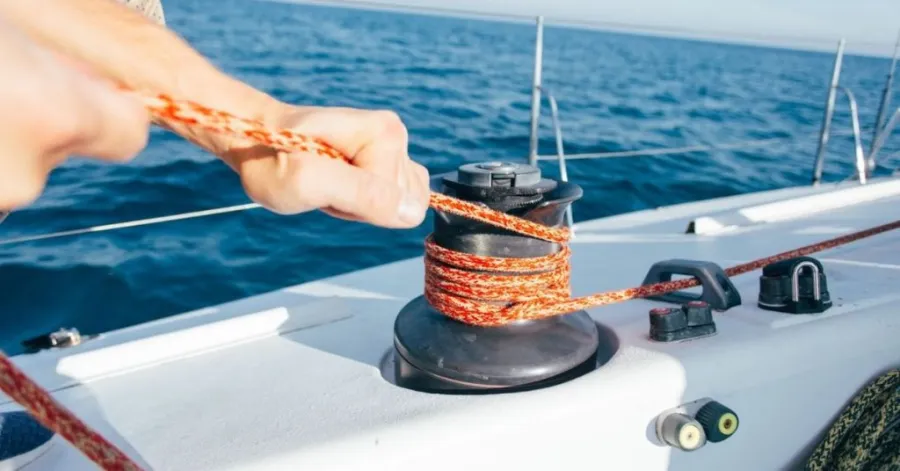
Knowing how to operate a winch safely is the key to avoiding accidents and keeping your gear in top shape. A winch or electric hoist is powerful, but using it carelessly can lead to injuries or equipment damage. Always take your time, double-check your setup, and use the right tools for the job. Rushing or skipping safety checks can cause cables to snap or anchors to slip unexpectedly. Stand clear of the winch line when it’s under tension and stay alert throughout the process. With smart habits and steady focus, you’ll ensure every winching task is safe, smooth, and completely stress-free.
What Is a Winch and Why Do You Need One
A winch or electric hoist is a mechanical device designed to pull or lift heavy objects with ease. You’ll often find winches on trucks, off-road vehicles, and boats, where they play a key role in recovery and lifting operations. The main parts of a winch include a drum, cable or rope, motor, and a control system. When activated, the motor spins the drum, winding the cable in or out to move objects that are too heavy to handle manually.
Knowing how to safely operate a winch can save time and effort while keeping you protected in demanding situations. Whether you’re off-roading, towing, or working on a job site, understanding winch basics is essential for smooth and secure operation.
Common Reasons to Use a Winch
The winch is not only needed in case of emergency, but it is a universal equipment that can be used in both business and leisure activities. You might use it to:
- Extract a vehicle that is trapped in dust, snow, or sand.
- Trails blocked by clear logs, rocks, or debris.
- Move heavy construction tools and materials in farms or construction sites.
- Help with boat launching or docking.
Training on how to use the winch as an apprentice will enable you to overcome uncertain problems with your strength.
Types of Winches and Their Uses
There are various winches that have various uses. Selecting the appropriate one will be based on the occupation and the source of power:
- Electric Winch: This is the best when it comes to vehicle recovery; it is operated by the vehicle battery.
- Hydraulic Winch: It is an industrial lifting power; it is driven by a hydraulic pump.
- Manual Winch: Appropriate for loads of small masses; functions by an electric hand wheel.
You also simplify difficult tasks by knowing how to use a winch on a truck or any other vehicle, in addition to making the process safer and faster. The trick is to ensure that the type of winch that is appropriate to your particular requirements is associated with the purpose and that you adhere to the winch safety precautions as much as possible to avoid damage and injury.
Safety First — What to Do Before You Start
Safety should always be considered first before you start using your winch. In a couple of minutes of preparation, it is possible to avoid severe injuries and damage to equipment. To know how to use a winch safely, you need to check the surroundings, examine what and how you use, and put on appropriate equipment. Having these steps, you will make sure that all recovery or lifting jobs are carried out with ease and in a safe way.
Check Your Gear and Equipment
Take your time to check the entire winch before use. Search for frayed cables, loose bolts, or rotting hooks that may break at any time. Ensure that your winch is fixed correctly to your car and adjust the controls to ensure that they are safe. Check the cable or rope for cuts or kinks, and check your anchor points to make sure that they are strong. Ensure that your battery, or other power source, is full. These steps are key to the winch operation of beginners who desire to remain safe and prevent equipment breakdown.
Wear the Right Safety Gear
Proper safety gear can make a big difference in protecting you while winching. Always wear gloves to prevent cuts from sharp wires, and use safety glasses to protect your eyes from flying debris. Choose sturdy boots that give you a strong grip on slippery or uneven ground. Avoid loose clothing, and tie back long hair to keep it away from moving parts. These winch safety tips are simple but crucial for preventing injuries during operation. The right gear keeps you comfortable and confident as you handle your winch safely.
Pick a Safe Spot
One of the most significant aspects of step-by-step winch operation is choosing a safe working area. Never stand in the cable way or even within the winning area, and ensure that people who are nearby do not get within 2 times the length of the cable. Eliminate any rocks, brush, or debris that might result in tripping or obstruction. Where off condition is possible, always place yourself on the uphill side so as to be visible and be in control. Keep children and pets away so as to avoid distraction and accidents. Having an easy out zone ahead of time will make you less risky and in complete control of the situation.
Step-by-Step: How to Operate a Winch

Learning how to safely operate a winch is an important skill that helps you handle tough recovery situations confidently. Whether you’re stuck in mud, snow, or need to lift a heavy object, following a step-by-step winch operation process ensures smooth and safe use. Let’s go through each stage so you can master winch operation for beginners and avoid common mistakes.
Step 1 – Prepare Your Vehicle and Winch
Before starting, park your vehicle on level, stable ground. Set the parking brake, shift to neutral, and ensure the winch is mounted securely. Inspect the cable, hook, and power connections for any signs of wear or damage. Keep your hands and feet clear of the drum and cable while setting up. This first step is crucial because preparation helps prevent accidents later. Understanding how to use a winch on a truck safely begins with proper setup and inspection, ensuring every part of your system is ready for controlled operation.
Step 2 – Spool Out the Cable

Next, unlock the clutch to allow the cable to be pulled out by hand. Always wear gloves to protect your hands from sharp strands or burrs. Pull the cable in a straight line toward your chosen anchor point without dragging it across rough surfaces. Lay it flat on the ground to prevent tangles or twists. Only unwind the length you need for the pull. Careful setup keeps the winch line strong and ready for tension. For anyone learning winch operation for beginners, maintaining a neat, untangled cable is key to safe and steady pulling.
Step 3 – Hook It Up Securely
Identify a firm and steady anchor point, such as a big tree, rock, or other automobile. Place a tree or recovery strap around it, and connect the winch hook, but not to the anchor. Whenever possible, try to use a soft shackle, since it is safer and causes less stress on your equipment. Do not carry the cable back over a section of itself–it may spoil or destroy the line. It is more beneficial to take time to make the connection right in order to have reliable pulling power. Each step-by-step winch operation has its base of stability and control so that recovery can be smooth and safe.
Step 4 – Start Winching Slowly
Once your setup is ready, lock the clutch and stand clear of the cable path. Use the remote control to begin winching slowly and steadily. Keep the vehicle’s engine running if your winch or electric hoist draws power from the battery. Watch the cable as it winds onto the drum to ensure it stays even and tight. Never rush the process—a controlled pace helps avoid strain or jerking. This stage shows exactly how to safely operate a winch, where patience and precision lead to better control and reduce the risks of mechanical failure.
Step 5 – Keep an Eye on the Line
Constantly monitor the winch line as it reels in. The cable should wind evenly across the drum without crossing or piling up on one side. If you notice tangling or uneven layers, stop immediately and fix it. Stay far from the direct line between the winch and the anchor point to avoid potential injury if the cable snaps. These winch safety tips are critical for both beginners and experienced users. Staying alert during the operation keeps the process controlled, efficient, and much safer for everyone around the area.
Step 6 – Secure and Finish Up
When you are ready to get back on the road, lock up the car by moving it to the park and engaging the brake. Unlike the cable to the anchor point, slowly and evenly reel it on the drum. Check on damage, then place the hook, remote, and straps back. It is important to wash and clean your winch after every use, so you have an excellent winch to use the next time. This step-by-step winch operation is a sure way of gaining confidence, lowering risks, and increasing the life of your equipment so that you are always ready when the need arises.
Pro Tips for Smooth Winching
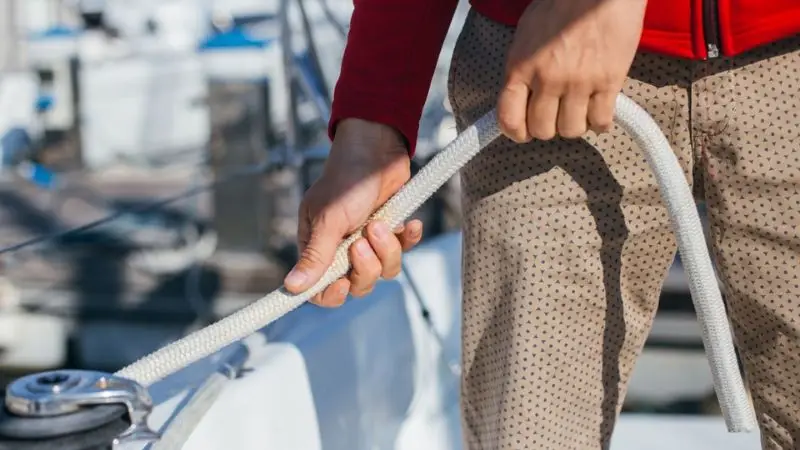
Even after you’ve learned how to safely operate a winch, a few extra habits can make every recovery easier and safer. These winch safety tips help prevent damage, reduce stress, and keep your gear in top condition. By following them regularly, you’ll feel more confident and in control during any recovery situation.
Keep the Cable Straight
A straight and evenly wound cable works more efficiently and lasts much longer. Always make sure the cable doesn’t bunch up or cross over itself while winching. If you notice it stacking unevenly, stop and fix it immediately. This small step prevents jamming and potential breakage. To keep your cable in great shape:
- Stand slightly to the side and watch the cable as it winds.
- Use the remote control to manage speed carefully.
- Pull the cable out and rewind it if tangles appear.
Proper line handling is one of the most effective winch safety tips for maintaining control and ensuring a smooth pull.
Use a Winch Dampener
Another good and easy decision is to add a winch dampener. It is to be put on the cable at the beginning of the pulling. In case the cable breaks free, it engages the dampener, which absorbs the energy and reduces the recoil speed so that all the people close to it are safe. It is a simple device that can save a lot of lives. Key benefits include:
- Lowers the recoil in case the cable snaps.
- Works on any kind of winch cables.
- This provides an additional level of security within seconds.
To put a dampener on your step-by-step winch operation is a good way to demonstrate your preparation and also demonstrate how to winch responsibly.
Practice Before You Need It
Frequent practice is one of the most effective methods of getting to learn the handling of winches as a beginner. It is best not to wait until you need to use your winch desperately, and then you will feel at ease with it. Practising means you come to know what the controls are like. You can:
- Install your winch in a secure, open place.
- Attempt to connect with alternate anchor points.
- Test the power response and remote.
Through the exercises, you will be able to know perfectly how to apply a winch on a truck when it really counts. Being ready is what makes all the operations safer, faster, and less stressful.
Common Winching Mistakes to Avoid
Even when you know how to safely operate a winch, mistakes can happen. Avoiding common errors prevents accidents, equipment damage, and injuries. Learning from these mistakes helps you perform every recovery safely and confidently.
Mistake 1 – Overloading the Winch
Never start out with your winch or electric hoist without carrying out a check on the weight rating. Attempting to lift more weight than your winch is capable of will probably break the cable or break your motor. When you are most in need of the winch, you might run out of power as well because of overloading. To prevent overloading:
- Check the winch label with the highest load.
- And never guess the weight that you are hauling.
- Apply a snatch block in case of need.
Professionals caution that overloading is among the leading causes of winch failure.
Mistake 2 – Forgetting to Wear Gloves
Always wear gloves when handling a winch cable. Bare hands can get cut by sharp wires or pinched by moving parts. Gloves protect your skin and provide a better grip for control. Remember:
- No gloves → risk cuts and blisters.
- Thin gloves → not enough safety.
- Proper gloves → best protection and confidence.
Hand injuries are commonly reported during winching, making gloves an essential part of winch safety tips.
Mistake 3 – Standing Near the Cable Under Tension
Always keep well out of the way of a tight winch cable. When the cable breaks, it may cause enormous power and injury. Follow these precautions:
- Move aside beside the cableway.
- Keep bystanders far away.
- Add more safety when using a winch dampener.
One of the greatest winch safety instructions to consider by amateurs and professionals is being aware of the cable tension.
Mistake 4 – Using Weak or Unstable Anchor Points
A strong and stable anchor is critical for safe winching. Small trees, loose rocks, or weak posts can fail, sending the cable flying or moving your vehicle unexpectedly. To ensure safety:
- Pick a large tree or solid object as an anchor.
- Use a tree strap to protect the anchor.
- Test the anchor’s strength before winching.
Choosing the right anchor helps prevent accidents and ensures your step-by-step winch operation goes smoothly every time.
By avoiding these mistakes, you make winching safer for yourself and others. Following proper procedures and winch safety tips ensures confident, effective, and secure operation.
Wrap Up
Mastering how to operate a winch makes difficult tasks easier and safer. By following the step-by-step winch operation guide, using the right gear, and practicing regularly, you reduce risks and protect both yourself and your equipment. Always check your winch, anchor points, and cable before starting, and follow winch safety tips like wearing gloves and standing clear of the line. Avoid common mistakes such as overloading or using weak anchors. With careful preparation and practice, you’ll feel confident handling any recovery or lifting task. Safety and control come first every time you winch.
FAQ
What frequency should be used to inspect your winch?
Always examine your winch before using it. Examine frayed cables, loose bolts, and worn hooks. Frequent checkups are used to find out the possible problems at an early stage of affairs to keep your winch safe and applicable to any recovery or lifting job.
What will you do when you get stuck with your winch cable?
In case the cable becomes entangled, there is a chance that you might stop winching. Wear gloves and unstrain the remote, and attempt to straighten the cable by hand. In case it is caught, consult a professional so as not to hurt it.
Can you use a winch in the rain?
Yes, you may work in the rain with the winch, but always use gloves and boots. You must make sure that the winch is designed to be used outside, be cautious where there is slippery ground, and dry the winch and cable all up after use to avoid rust.
What is the purpose of a winch dampener?
Winch dampener- reduces cable recoil in case the cable snaps, therefore minimizing chances of injury. It defends you and the people around you. It is possible to use a heavy jacket or blanket instead of a good dampener.