Wood is one of the most largely consumed natural resources in the world. Its utilization extends beyond building houses and furniture, as it is also used as a raw material for manufacturing paper and consumer products.
Due to its large productivity, its transportation with safety is vital for the timber industry. Therefore, in today’s article, we will shed light on how to move logs step-by-step. You will learn all the techniques and tools used for this purpose. Let’s start!
Can you move logs by yourself?
So the answer is “Yes!”. But how to move logs yourself? It can be done under some conditions. If you use proper tools and techniques, you can move smaller logs or lightwood pieces by yourself safely with the use of a peavey and some other tools.
Wondering how to move heavy logs by hand? Keep reading for what you need:
Log moving equipment you need
Having the perfect tools can make a big difference in keeping safety, speed, and overall efficiency. Some of the best equipment for moving logs is listed below:
- Safety First: First thing first, keep safety gloves, steel-toe boots, and glasses for eye protection. These prevent crushed shoes and debris injuries.
- Long Tongs or Chokers: Long tongs are used for gripping and pulling logs, especially when attached to machinery or transport.
- Cant Hook or Peavey: These are long-handled tools and help you in repositioning logs, like rolling or lifting without bending your back.
- Log Dolly or Arch: Log dolly is perfect for transporting logs over a shorter distance and makes the movement smoother.
- Chains and Ropes: Use these to drag and load logs. It works as a lever and reduces your efforts.
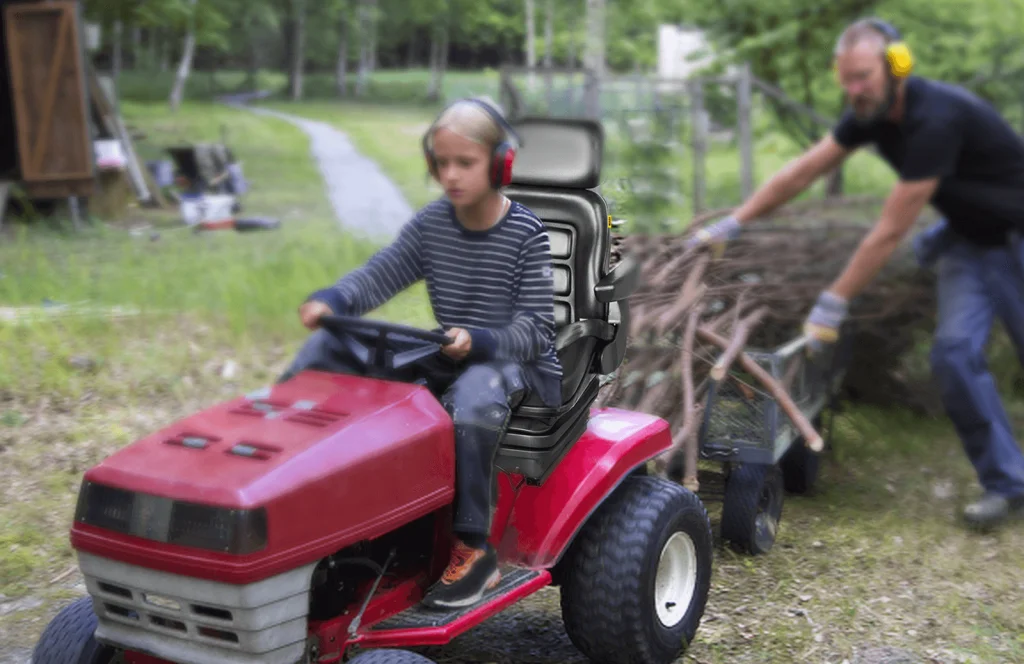
- Winch: For larger operations, mechanical winches that are attached to ATVs or tractors are used.
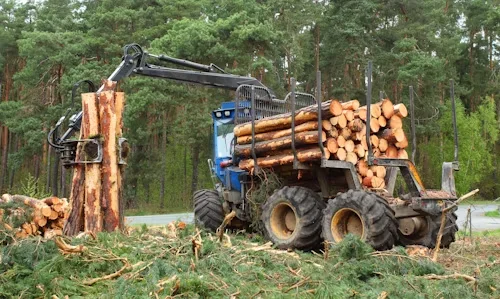
- Tractor or ATV: These vehicles make your work easier in transporting the heavy logs safely and efficiently.
When you use the correct tool, it not only prevents accidents but it can save your logs intact and tools in good condition for a long time.
Steps on how to move logs
Hold on! You don’t require strength for moving logs, you just need a proper strategy, planning, and precision. If you want to know how to move logs by hand, follow these six steps to do this accurately, safely, and soundly:
Step 1: Clear your path and plan your route
Before picking the log, you have to take a few minutes to prepare the working area. Remove branches, stones, or hurdles that come your way, as they can cause tripping or damage the equipment.
Find a clear route to head it to its destination. Planning the route can help you manage slopes, mud, or uneven terrains to avoid unbalancing. Just a few minutes of planning can save you from accidents and later frustrations.
Step 2: Assess the log’s size, shape, and balance
All logs are of different sizes; some are dense and heavy, others are light and hollow. Always check the diameter, length, and condition of the log before moving it.
If it is uneven and one side seems heavier, find the centre of gravity where the weight is most evenly distributed. This helps you avoid mishandling, tripping, or moving out of control.
Check the weight and size, and decide whether to move it manually or with the help of some log moving equipment. If the load is heavier, take the help of machinery.
Step 3: Use leverage or lifting tools to reduce strain
Your best friend when moving logs is leverage. Instead of draining your muscles by lifting with raw force, use a cant hook or peavey to roll the log gently. These tools allow you to lift heavy logs with minimal effort and strain. Note these points when you need to lift:
- Bend your knees and keep your back straight.
- Lift with your legs and not with your back.
- When carrying a smaller log by hand, hold it close to your body to maintain balance.
- Do not twist your torso to avoid muscle injuries.
Step 4: Secure the log with chains, tongs, or chokers
To drag the log over a distance, you will require machinery and proper security. Wrap the log with a chain, a choker cable, or long tongs around the log’s thickest section to make sure the grip is correct and tight.
Double-check if the equipment is correct for loading the weight and all connections are safe before moving. A loose or poorly attached chain can cause the load to slip suddenly and roll dangerously.
If you are using powered equipment, keep a safe distance. Never stand directly in the path of a moving or suspended log. If you are working with others, communication can save lives. Always signal them before starting a pull or lift.
Step 5: Move slowly and maintain balance (with or without machinery)
Patience is an essential thing in learning how to move logs, whether you are moving a log by hand or with the help of machinery. Note these points carefully:
- Move slowly and deliberately because jerky movements can cause imbalance.
- Avoid slippery areas and keep your footing steady.
- While using a vehicle, maintain a low speed and make sure the balance is centered.
- Always check that the bystanders are away from the path to avoid accidents.
Step 6: Load logs safely for transport or stacking
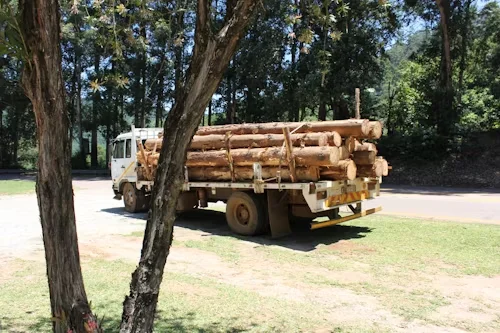
When your logs have reached the destination, you should now focus on loading or stacking them safely.
- Use ramps or mechanical aids to roll the log instead of lifting it by hand.
- While stacking, put the large logs at the bottom and ensure every layer is even. Never stack logs too high to avoid the chance of collapse.
- If you are transporting the logs over a distance, take the help of chains or straps to keep them from shifting while moving.
FAQs
What’s the easiest method to move logs by hand?
When learning how to move logs manually, tools like a cant hook, peavey, or log roller can leave a mark. These tools assist you in moving the logs with minimal effort and protect you from back strain.
You can also put branches or poles beneath the log to act as a roller to minimize the heavy load.
How do you move logs on steep or uneven ground safely?
When figuring out how to move logs on steep or uneven ground, work from the uphill side of the log to avoid rolling logs towards you. Control the movement with the help of ropes, log tongs, or winches at a safe distance. When using machinery, be confident that it has a firm grip on the ground.
What tools do I need to move logs if I don’t have heavy machinery?
If you don’t have heavy machinery, you can still learn how to move logs safely with the help of specific tools. For example, log tongs or chokers help you drag logs over a shorter distance.
A cant hook or peavy can help in rolling the log, and a log dolly or arch can also make the manual transport a piece of cake. These simple tools lend a helping hand while moving logs safely.
How do I load logs onto a trailer without equipment?
The safest method when learning how to move logs is to roll them rather than lift them. Lay two metal ramps or strong planks from the ground to the trailer bed and roll the logs slowly with the help of a cant hook or peavy. Check that the trailer is parked on level ground to avoid slips.
Conclusion
Moving logs safely and efficiently doesn’t require strength around the clock. By clearing your path, assessing the logs, securing with chains or tongs, and maintaining the right balance, you can prevent injuries and make the entire process a walk in the park.
Whether you are preparing firewood or are a worker in the forestry industry, now you know how to move logs perfectly. Have patience, use the right tools, and apply the correct strategies to minimize the efforts. You are all set to move the logs confidently now without any injuries!