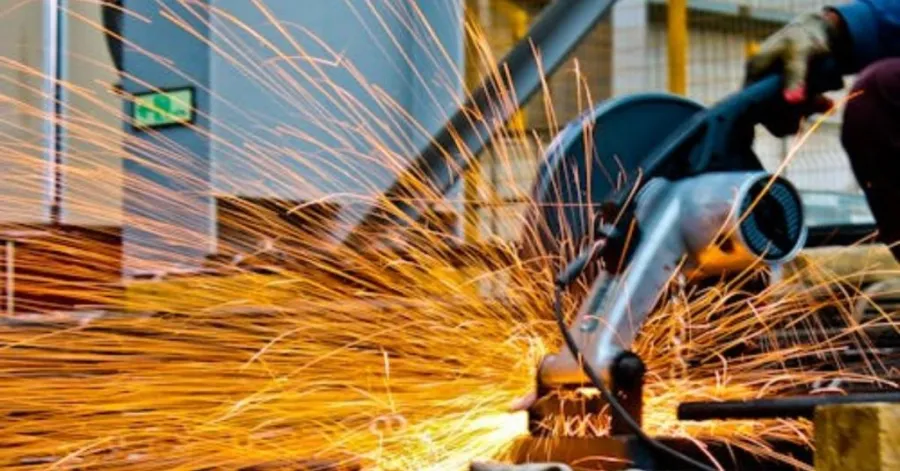
Start by learning about the basics of welding through simple steps. Safety and consistency are the most important factors when learning how to mig-weld. Holding the torch steadily and moving your hands smoothly is key to learning how to mig-weld. When you ask how to mig-weld, keep the metal pieces together while keeping your eyes on the arc. Relax and trust your hand to learn how to mig-weld. You’ll see your skills improving as you practice mig welding.
Essential MIG Welding Equipment and Safety Gear
Before you start welding, it’s important to know which tools and safety items you’ll need. Having the proper equipment and safety gear makes the process easier and keeps you safe.
Here’s a quick look at the essentials.
MIG Welding Machines: Choosing the Right One
To start mig welding, you need to have a quality machine. Most beginners pick a basic 110V or 220V unit. These machines are great for small projects or thin metal. You should consider a stronger machine if you plan to weld thicker metal. Check the specifications before buying. Some machines allow you to switch between settings. You can better control the weld process. Many machines use the term “metal-inert gas”. The machine will use a special gas in order to protect the weld.
Tip: Choose a machine suited to the type of weld you will be doing most often.
Required Safety Gear: Helmets, Gloves, and Protective Clothing
In mig welding, safety is paramount. Wear a welding mask with dark lenses. The helmet will protect your eyes from bright lights. Gloves protect your hands from sparks and heat. Also, you need to wear a thick shirt with long sleeves and leather pants. Wearing sandals or shorts while welding is not recommended. Sparks can burn your skin quickly. Metal can fall from the sky and cause injury to your feet if you don’t have good boots. Check your equipment before starting any welding project.
Welding Accessories: Wire, Gas, and Nozzles
The wire is fed through the torch when mig welding. The right wire is important for each project. Wires are needed for thicker metal. The wire melts, joining the metal pieces. A gas tank is also required. Metal inert gases are the gases. The gas keeps the weld strong and clean. The most common mixture is argon with carbon dioxide. Nozzles control the flow rate of wire and gas. Keep your welding smooth by cleaning your nozzles regularly.
Basic Accessories Checklist
- Welding Wire (choose the right size)
- Gas tank (filled the right way)
- Clean nozzles
- Wire brush for cleaning metal
When you have the correct safety equipment and equipment, mig welding becomes easier. Set up your welding equipment before you begin.
Step-by-Step Guide: How to MIG Weld
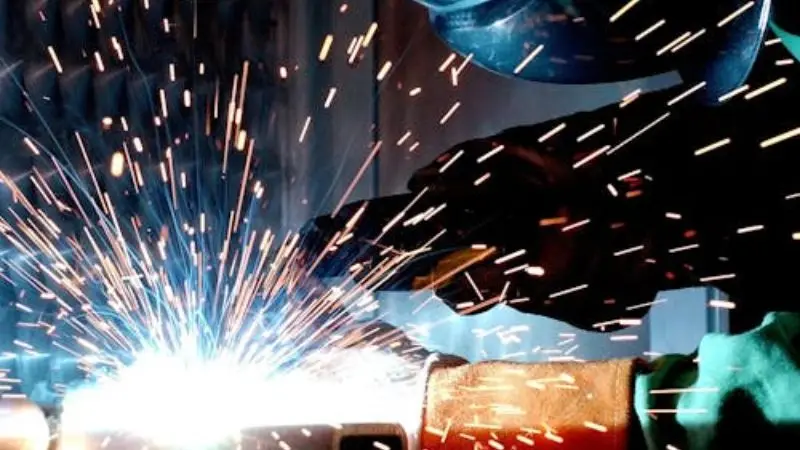
If you’re new to MIG welding, following a clear sequence makes the process much easier. This how to MIG weld for Beginners step by step guide shows you exactly what to do at each stage.
Preparing the Metal Surface for Welding
Start by cleaning the metal. Clean the metal first. Remove rust, oil, and paint with a grinder or wire brush. Dirt can ruin a weld. When mig-welding stainless steel, clean the surface of the metal with a soft cloth. You want to make the metal shine. Welding is safer and easier with good preparation.
Setting Up Your MIG Welder: Voltage, Wire Feed, and Gas Flow
Focus on mig setup. Check the settings and plug in your machine. These are your best MIG welding settings for beginners. Check the chart on the welder to determine the correct voltage and wire speed. More power is needed for thicker metal. Use a mixture of carbon dioxide and argon gas for mig-welding stainless steel. Open the valve and adjust the flow rate to 20 cubic feet per minute. Feed the wire into the torch. Before you begin welding, make sure that everything is working. Learning how to set up a MIG welder properly will ensure smooth, strong welds from the start.
Tip: First, test your settings with a scrap of metal. If the weld appears to be incorrect, you can adjust the wire speed or voltage.
Holding the Torch and Striking the Arc
Hold the torch as you would a pencil. Hold your hand steadily. The nozzle should be pointed at the desired starting point. To feed the wire and make an arc, press the trigger. Keep the tip of the mig welder about half an inch away from the metal. Watch the pool of weld form as you move slowly.
Techniques for Smooth, Strong Welds
Be sure to keep your movements smooth. Use a slight angle of push when mig-welding stainless steel. The torch can be moved in small circles or in straight lines. Keep an eye on the puddle. It should be smooth and uniform. Slow down or change your speed if you notice any holes or bumps. Follow these MIG welding tips and tricks for clean welds.
Common Mistakes to Avoid While MIG Welding
Don’t rush. You will get a weak weld if you rush. You could burn through metal if you move too slowly. Check your wire feed and gas flow when mig-welding. Avoid touching the tip of the wire to the metal. You will get better at welding with practice. With practice, you will become better.
MIG Welding Tips for Beginners
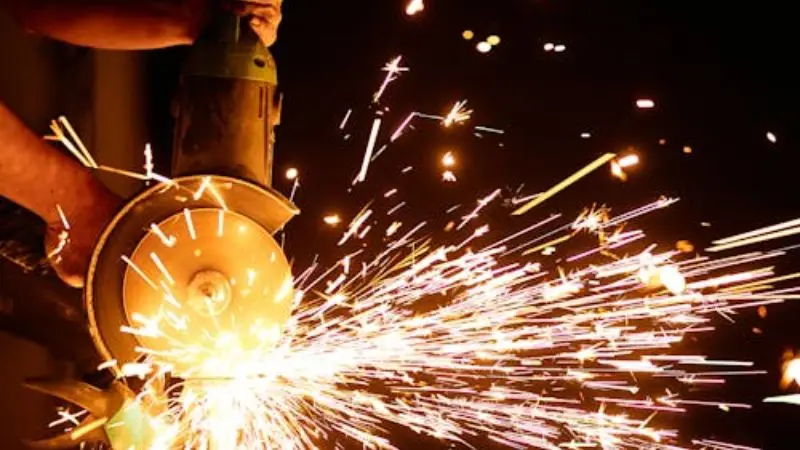
A solid understanding of MIG welding basics will speed up your learning. These tips highlight common mistakes, key settings, and easy techniques to make your welds cleaner and stronger.
Choosing the Right Welding Wire and Gas
The best results can be achieved by mig welding. Choose the correct wire and gas. You can use ER70S-6 for most projects. This wire is great for mild steel. You need a special welding wire, like ER308L, if you want to mig weld stainless steel. Gas is also important. The most common gas mixture is argon-carbon dioxide. This mixture will help you achieve a clean, neat weld. Use a gas mixture with more argon for mig welding stainless steel. Check the labels on your gas and wire tanks before you begin welding.
Tip: Store your gas tanks upright and dry your wire. You can maintain high-quality welds by storing your gas tank upright.
Adjusting Speed and Angle for Better Results
With your hands, you can control the quality of the weld. Hold the torch in a slight arc, approximately 15 degrees off straight. Keep your hand moving at a constant speed. The weld may look thin if you move too quickly. You could burn through metal if you go too slowly. Watch the puddle when mig-welding. It should look even and smooth. Use a pushing technique when you are mig-welding stainless steel. You move the torch further away from the pool of weld. These moves will improve the quality of your welds.
Here is the quick Table of torch angles and speeds
| Metal Type | Torch Angle | Speed |
| Mild Steel | 10-15° | Medium |
| Stainless Steel | 15° | Slow-Med |
How to Practice MIG Welding Safely
It is important to learn how to mig weld safely. Wear your gloves, helmet and thick clothing. Airflow is important when working in an area. Keep flammable materials away from the welding area. You will need extra ventilation when mig-welding stainless steel. The fumes are strong. Before you start your project, practice on scrap metal. You can improve the quality of your welds and gain confidence by practising on scrap metal.
Remember: You will become a better welder if you develop good habits. Every time you begin welding, check your equipment and workspace.
Troubleshooting MIG Welding Problems
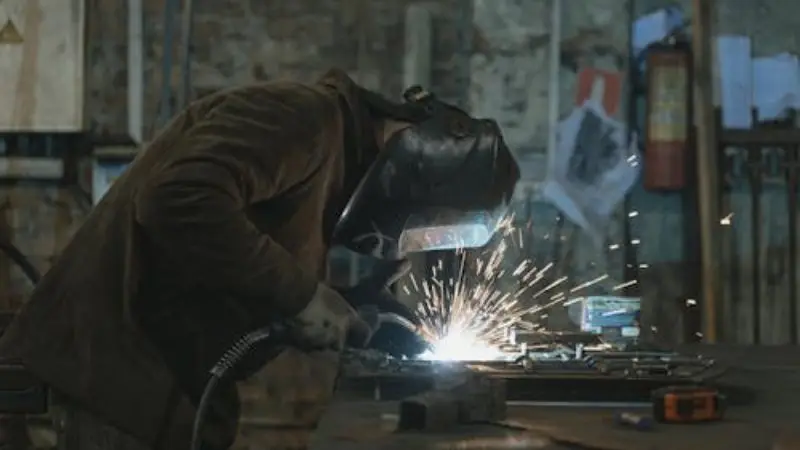
Here, you’ll find simple explanations for common welding issues and the steps to solve them.
Fixing Porosity and Spatter Issues
Your welding project can be ruined by spatter and porosity. Your welds may have tiny holes or rough areas. This problem is common in mig welding. Porosity can be caused by dirty metal, incorrect gas flow or damp wire. Spatter is caused by too much wire speed or voltage. You need to be extra careful when mig-welding stainless steel. Before you begin, use a wire brush. Make sure that your gas tank is under enough pressure. Set the gas flow at 20-25 cubic feet an hour. If you notice spattering, lower the voltage or slow down your wire feed.
Tip: Store your welding wires in a place that is dry place. Moisture can make porosity worse.
Correcting Weak or Incomplete Welds
Weak welds are prone to breakage. Welds that are not complete don’t bond metal together well. You may notice gaps or cracks. If you use low voltage or move the torch quickly, this can happen. Check your settings for mig before you begin. Start by welding scrap metal. Use the correct wire and gas mixture when MIG-welding stainless steel. Keep the torch steady, and keep it a few feet away from the metal. Keep an eye on the pool of weld. It should look even and smooth.
Checklist for Strong Welds
- Clean metal surface
- The correct voltage and wire speed
- Fast torch movement
- Proper gas flow
Gas Flow and Wire Feed Adjustments
The gas flow and the wire feed are important in welding. Check these settings if your welds are messy. A weld pool that is too large can be blown away by too much gas. Porosity can be caused by too little gas. Set your gas flow at 20-25 cubic feet per hour for MIG welding. The wire feed should be adjusted to match your welding speed. Use a higher mix of argon if you are MIG-welding stainless steel. Test your settings using scrap metal. A steady buzzing noise is a good indication. This means that your wire feed is correct.
Stop and adjust the machine if you notice a problem. Welding problems can be fixed with small changes.
| Problem | Cause | Solution |
| Porosity | Dirty metal, low gas | Clean, adjust gas flow |
| Spatter | High voltage/speed | Lower voltage/speed |
| Weak welds | Low voltage, fast move | Increase voltage, slow |
Conclusion
From setting up your equipment to fixing common problems, you’ve learned all the basics of how to MIG weld. Continue to practice welding to improve your skills and build confidence. Safety is always first, and you should be patient when working on any project. Don’t worry if you make mistakes. You will improve with every welding session. Learn more! You can learn more by visiting online forums, watching videos or attending local classes. Every time you weld, it gets easier. Keep learning and stay safe! Welding is a good practice to do often. Safety is the priority. Ask questions to get advice.
FAQ
How do I know if my weld is strong enough?
Look for a smooth, even bead with no cracks or gaps. Try bending the metal. If the weld holds, you did a good job. Practice helps you spot strong welds.
Can I MIG weld outside?
You can weld outside, but the wind can blow away your shielding gas. Use a windbreak or weld on calm days. For windy spots, try flux-cored wire instead.
What should I do if my wire keeps jamming?
Stop welding and check the wire spool. Make sure the wire feeds smoothly. Clean the liner and replace worn tips. A clean setup prevents jams.
Is MIG welding safe for beginners?
Yes! MIG welding is safe if you wear the right gear and follow safety rules. Always protect your eyes, hands, and skin. Never weld near flammable items. safety helmet.