Imagine a beautiful home garden buzzing with life. Honeybees darting between blossoms, butterflies flitting around over fresh green leaves, and ladybugs crawling about on brilliant colored petals. This can be your reality very easily – a vital ecosystem hard at work. Pollinators are essential for the reproduction of most flowering plants.
The good news? You can achieve a pollinator-friendly garden right in your own backyard. This guide will walk you through how to make a pollinator-friendly garden from the ground up, turning your boring backyard into a thriving sanctuary. A great first step is to define your growing space with a raised garden bed for the perfect, organized foundation for your pollinator paradise.
How To Design A Pollinator Garden For Maximum Impact
Before you buy a single plant or turn a scoop of soil, a little planning will set you up for long-term success.
Choosing The Perfect Location
The most important is sunlight of course, so make sure you avoid the shaded spots. Most pollinator-friendly plants need a good amount of sun to produce nectar and pollen that’ll attract bees and butterflies.
Aim for a spot that receives 6-8 hours of mild sun daily, but make sure your plants don’t burn. 80% of pollinators are tiny creatures and do not thrive in gusty conditions, so make the environment suitable for them.
If you’re struggling to attract pollinators in the beginning, try leaving a shallow dish of water outside. Water is a staple life source and is sure to attract hummingbirds and bees.
Selecting A Variety Of Plants
Diversity is the key in mastering how to attract pollinators to your garden and keep them coming back all season. You want to provide them with a bloom buffet all round!
Choose plants that flower at different times. Crocuses and hellebores for early spring; coneflowers and bee balm for summer; and asters and goldenrod for fall. This ensures there’s always something on the menu.
Native plants are four times more attractive to native bees. Check with your local native plant society or extension office for recommendations.
Pollinators have preferences. Bees are especially drawn to blue, purple, white, and yellow flowers. Butterflies on the other hand, love red, yellow, orange and pink. Also, include a variety of flower shapes to accommodate different tongue lengths.
Building Your Garden Bed
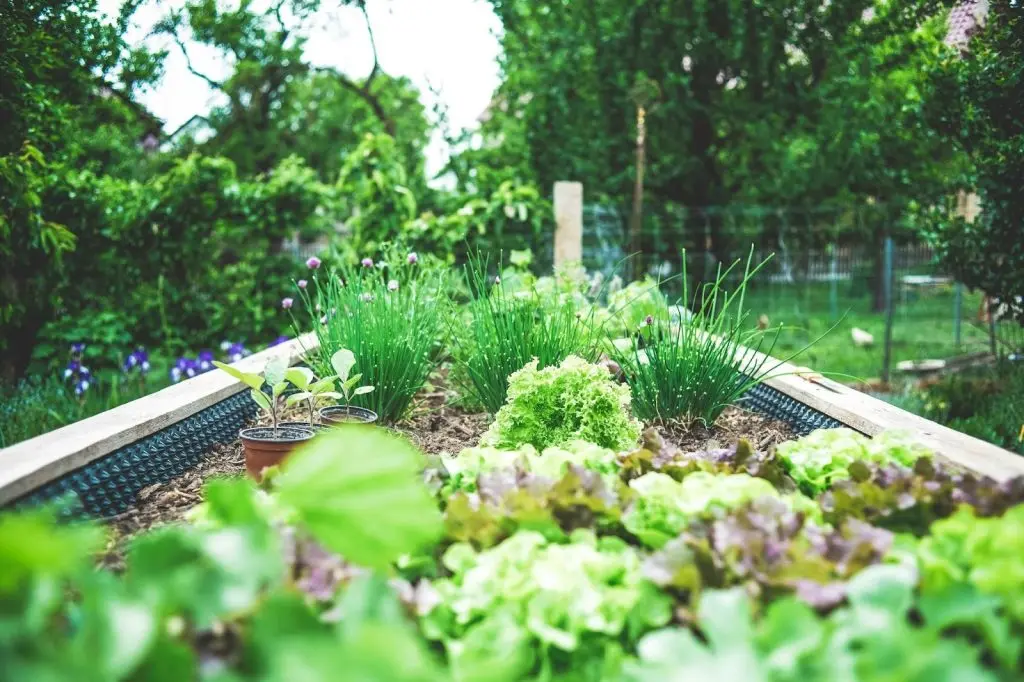
You can plant your flowers directly in the ground, or you could utilize a raised garden bed. They provide excellent drainage, reduce soil compaction and make it easier to manage your garden without breaking your back. A wooden raised garden bed is an ideal choice. Its natural cedar construction is rot-resistant and durable, the size gives you ample space to plant a diverse mix of flowers and herbs.
Tip: If you want to build a garden bed, it’s ideal to pick a wooden raised garden bed, giving you plenty of space to plant a mix of flowers and herbs without rotting away in the future!
Essential Steps In Designing A Pollinator Friendly Garden
With your design planned, it’s time to get your hands dirty!
Prepare Your Soil
Healthy soil equals healthy plants. Here are some tips on how to design a pollinator friendly garden.
First, clear the area entirely. Remove any existing grass, weeds or garden debris. Give your plant roots ample space to stretch.
Next, loosen the soil. This is a crucial step in preparing your soil for plantation because a loose soil bed allows roots to grow deeply and easily.
Lastly, amend the soil with compost. Nourish the soil with a generous mix of compost or rotten manure to improve soil structure, provide nutrients and help retain moisture. You won’t even need any chemical fertilizers.
Choose Your Plant Placement
It’s important to group your plants together rather than plant them spreading out. Group three to five of the same plant species together. This will create a larger target area for the pollinators.
Pay close attention to the mature height and spread of each plant. Taller plants go at the back of your bed and shorter plants stay at the front.
Always give new additions a deep drink right after planting to help them settle in and reduce transplant shock.
Protect Young Plants
As your garden establishes, the new and young plants can be tempting snacks for rabbits and other curious wildlife. This is where gentle protection comes in. Plant Protector cages are a perfect solution for this problem!
Easy to install and sunlight-friendly, these form a protective barrier around vulnerable plants without using harmful chemicals, ensuring your plants grow safe and strong until they are established enough to withstand a little nibbling.
How to Maintain Your Pollinator-Friendly Garden
A thriving garden can be an ongoing joy. A little maintenance will keep it healthy and welcoming for many, warm years to come.
The Key to Sustainable Watering and Weeding
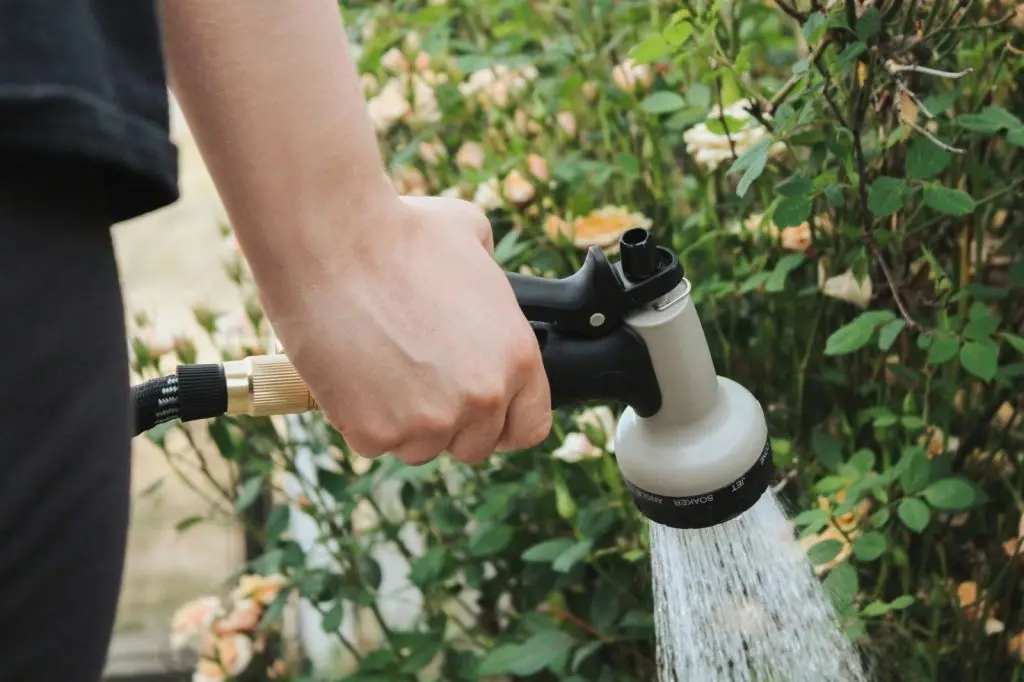
Remember, water deeply and less frequently. A commonly overlooked tip, watering the base of flowering plants thoroughly a few times a week is more impactful than a light sprinkle everyday. Use soaker hoses or some secure drip irrigation in your raised plant bed for a water-wise choice.
Weeds are inevitable, and beautiful. Clovers and dandelions are a fantastic early-season food course for bees. So don’t rush to get rid of them. Consider letting a patch of your lawn grow wild.
The mulch is your secret plant superfood. A single layer of mulch can help retain soil’s moisture and suppress unnecessary weeds. Use natural mix like shredded bark or dried leaves, but make sure you leave some bare soil patches for ground nesting bees.
Say No to Pesticides
This is the most important rule for a pollinator friendly garden. Pesticides can be highly toxic to bees, butterflies, and other beneficial insects.
Always remember, natural predators like ladybugs and birds are helping you out by doing half the maintenance work for you.
Some damage is part of the process! All pollinator friendly garden owners know that a few chewed leaves are a sign of a healthy, living ecosystem. Plants can usually take a little insect handle without any issue.
Avoid pesticides at all times. If a problem arises, pick pests off by hand or spray them with a strong jet of water from a garden hose.
Providing Year-Round Habitat
Pollinators need shelter to survive winter, lay eggs, and hide from predators.
Which means you can skip out on the yearly fall cleanup! Leave hollow plant stems standing over the winter. What you think is waste can be a delightful feast for your plants.
When you can, leave the fallen leaves under trees and shrubs. They provide a winter habitat for butterflies and other beneficial insects.
By following these steps, you now have a clear blueprint on how to plant a pollinator garden that will buzz with life for seasons to come.
Frequently Asked Questions
How long does it take to attract pollinators to a new garden?
You will start to see bees and butterflies visiting within the first few days, especially if you plant flowers already in bloom. Usually, it takes about a full season or two for a stable population to establish.
Can I make a pollinator garden on a balcony or small patio?
Absolutely! You don’t need a huge yard. A few container plants on a sunny balcony can provide valuable resources for urban pollinators. The raised garden bed or several large pots with a mix of native flowers and herbs does the job just as well.
Are there any plants I should avoid?
Take extra precaution when dealing with modern double-flowered hybrids. These breeds are designed to have extra petals, which often replace pollen-producing parts of the flower, making them useless for pollinators.
Conclusion
Learning how to make a pollinator-friendly garden is a journey that rewards you every single day. It’s an act of hope and conservation that yields beautiful results. From the first bee that discovers your blooms to the butterfly that chooses your garden to lay its eggs, you’ll be directly contributing to the health of your local environment.
By providing food, water, shelter, and a pesticide-free space, you become a vital part of the solution. So, get your raised bed and plant protectors, and get ready to welcome a world of wonderful wildlife to your doorstep. Your perfect pollinator paradise awaits!