You need a reliable car jack guide when you want to work on your vehicle. Whether you are changing a flat tire or learning how to jack up a car, knowing how to lower a car jack safely matters. Many people use different types of car jacks, from scissor to hydraulic, but each type needs special care. Always use jack stands for added safety when jacking up a vehicle. Using a car jack the right way prevents injury and damage to your tire. This car jack guide teaches you how to use a car jack and avoid mistakes with all types.
How to Lower a Car Jack: Safety Checklist
Essential Safety Steps
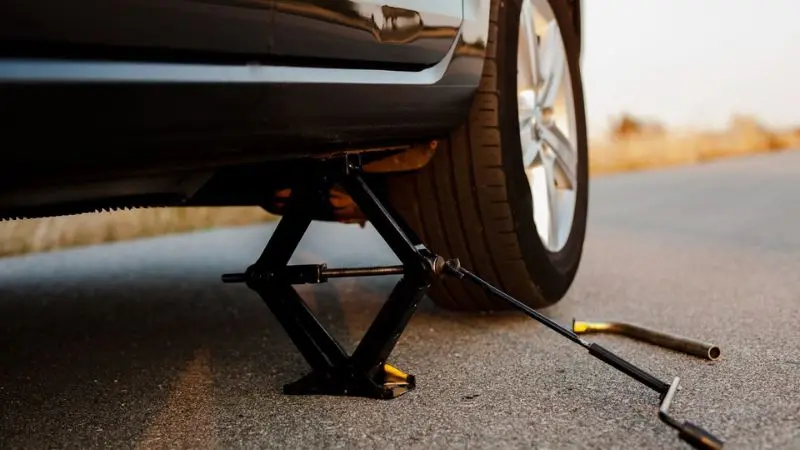
Before you lower any car jack, you need to follow some essential safety guidelines. These steps help you avoid injury and protect your vehicle. Always start by preparing your vehicle. Park on a flat, solid surface and set the parking brake. Place wheel chocks behind the tires that stay on the ground. This keeps your car from rolling. Check that your car sits securely on jack stands before you lower the jack. Never trust a car jack alone to hold up your vehicle.
Jack stands give you extra support and prevent accidents. Make sure you use the correct jack points. You can find these spots in your owner’s manual. Using the wrong place can damage your car or cause it to slip. Clear the area around your car. Remove tools, parts, and people from under the vehicle. Double-check that nothing blocks the path as you lower the car.
Tools Needed
You need the right tools to lower a car jack safely. Here is a simple checklist:
- Car jack (scissor, hydraulic, or bottle type)
- Jack stands for extra support
- Wheel chocks to keep the car from moving
- Gloves and safety glasses for protection
- Owner’s manual to find jack points
- Flashlight if you work in low light
These tools help you follow tips for jacking up a car and lowering it safely. Knowing how to jack up a car and lower it the right way keeps you and your vehicle safe.
Guide to Different Types of Car Jacks
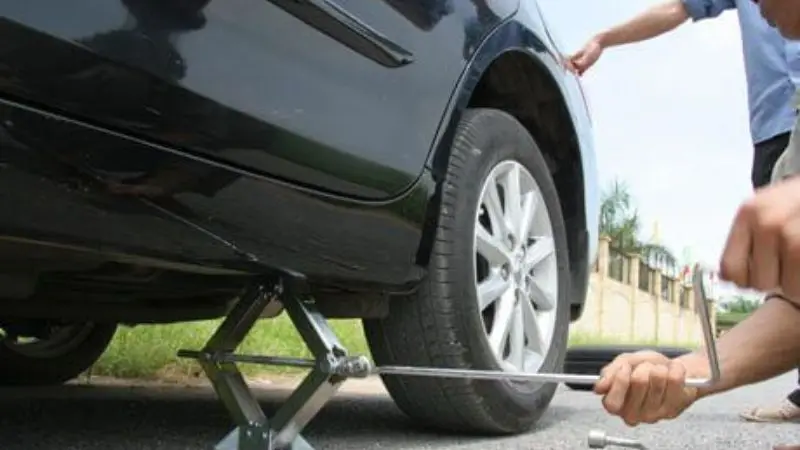
When you want to learn how to use a car jack, you need to know the different types of car jacks. This guide explains the main types and how each one works. You will see that each type has a unique lowering method. Always read the manufacturer’s instructions before using the car jack.
Scissor Jack
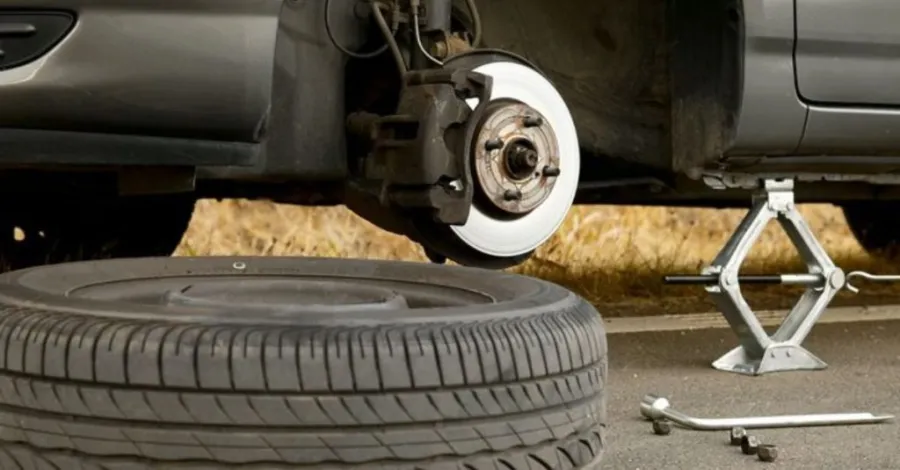
You often find a scissor jack in the trunk of your car. This type uses a simple screw mechanism. When you turn the handle, the jack opens or closes like a pair of scissors. To lower a scissor jack, you turn the handle in the opposite direction. This action brings your car down slowly. Many people use a scissor jack for quick tire changes. You should know how to lower a car jack after changing a tire. Also, never forget to place the jack stands. This guide helps you avoid mistakes when using a scissor jack.
Hydraulic/Floor Jack
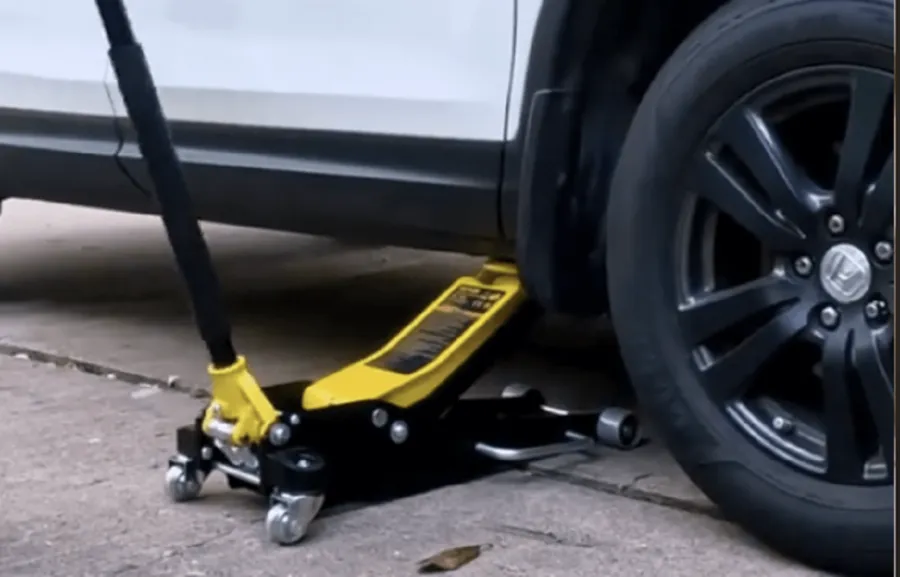
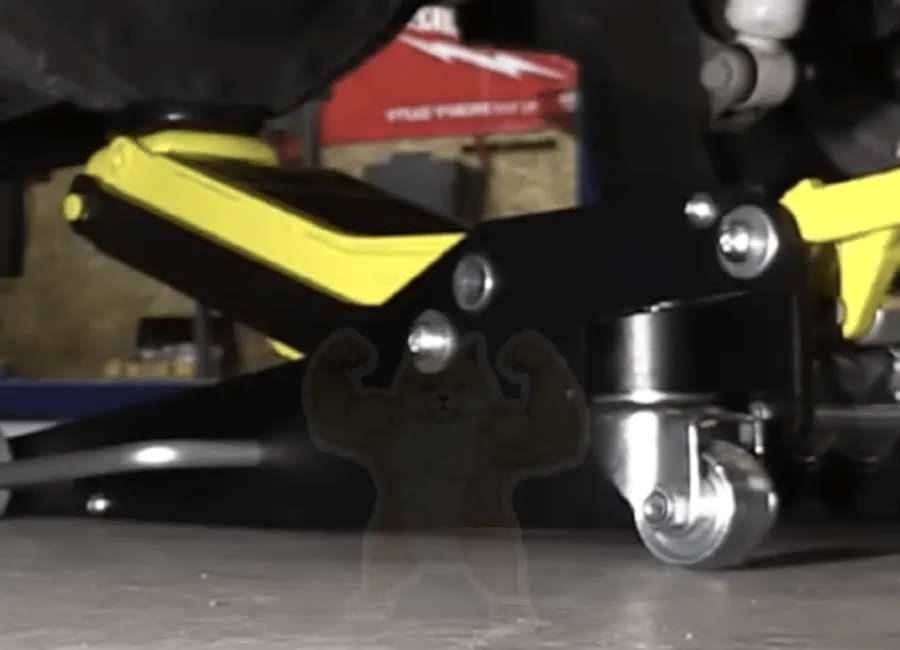
Hydraulic car jacks use fluid pressure to lift your car. You pump the handle to raise the car. To lower it, you turn the release valve slowly. This lets the fluid move back, and the car comes down gently. Hydraulic car jacks are strong and stable. Many people use them in garages for bigger jobs. This guide shows you how to lower a hydraulic car jack step by step safely. Always check the instructions before you start.
Bottle Jack
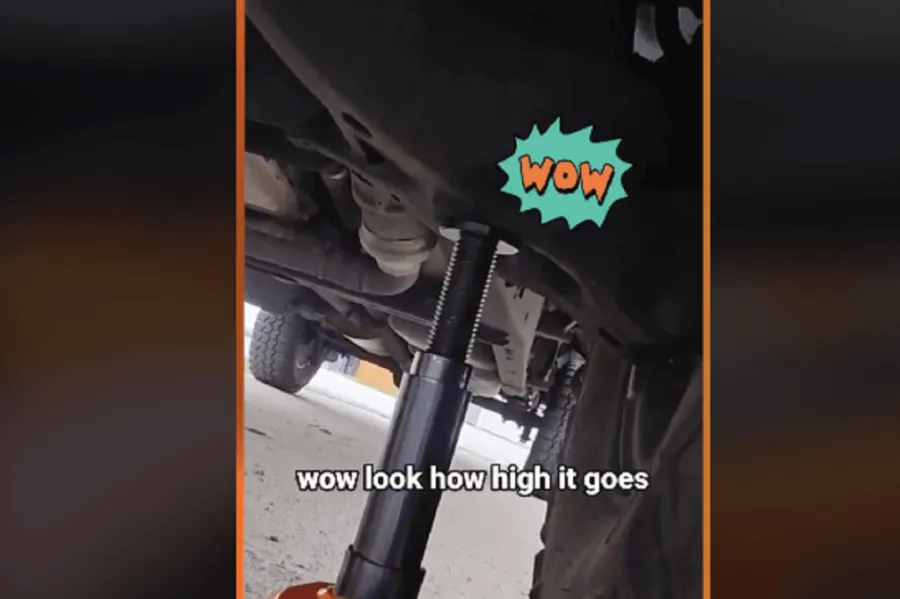
A bottle jack looks like a small bottle. It uses hydraulic power, just like floor jacks. You pump the handle to lift the car. To lower a bottle jack, you turn the release valve. This action lets the car down in a controlled way. Bottle jacks can lift heavy vehicles, such as trucks or SUVs. You will find them useful for many jobs.
This guide covers the right steps for using a bottle jack. Always follow the safety tips and the instructions from the maker. You now know the main types of car jacks. Each type has a special way to lower it. Using a car jack the right way keeps you safe. This guide helps you understand the differences between the types of car jacks.
Lower a Car Jack: Step-by-Step Instructions
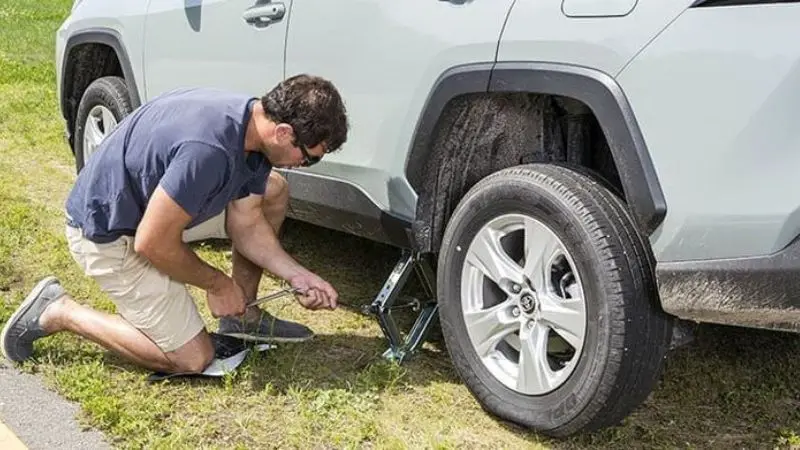
Learning how to lower a car jack safely is important for every car owner. You need to follow step-by-step instructions for each type of jack. This section will guide you through the process for a scissor jack, a hydraulic/floor jack, and a bottle jack. Always move slowly and pay attention to safety tips to prevent accidents.
Lower Scissor Jack
A scissor jack is common in many vehicles. You use it for quick tire changes or minor DIY car repairs. Follow these step-by-step instructions to learn how to lower a car using a scissor jack safely:
- Stand beside your car, not under it. Hold the scissor jack handle firmly.
- Turn the handle counterclockwise. This action will slowly lower the car.
- Keep turning the handle at a steady pace. Do not rush or force the handle.
- Watch the car as it comes down. Make sure it stays balanced on the jack stands.
- Stop lowering when the tire touches the ground. Remove the scissor jack from under the car.
You should never use a scissor jack to support a car for a long time. Use jack stands for safety. If you feel resistance or hear strange noises, stop and check the jack.
Lower Hydraulic/Floor Jack
A hydraulic or floor jack is strong and easy to use. Many people use it in garages for bigger jobs. Here is how to lower a car jack of this type:
- Find the release valve on your hydraulic jack. It usually sits near the base.
- Insert the handle into the release valve. Turn the handle slowly counterclockwise.
- Lower the car at a gentle, steady speed. Do not open the valve too quickly.
- Watch the car as it comes down. Make sure it stays on the jack stands until the tires touch the ground.
- Once the car is down, remove the jack from under the vehicle.
Lower Bottle Jack
A bottle jack is powerful and can lift heavy vehicles. You need to use care when lowering a bottle jack. Follow these step-by-step instructions and learn how to slowly lower a car jack:
- Stand clear of the car and hold the bottle jack handle.
- Locate the release valve on the bottle jack. Insert the handle or a suitable tool into the valve.
- Turn the valve slowly counterclockwise. This action will let the car come down in a controlled way.
- Watch the car as it lowers. Make sure the car stays stable and does not shift.
- When the tire touches the ground, stop turning the valve. Remove the bottle jack from under the car.
After Lowering the Car Jack
Remove the Jack
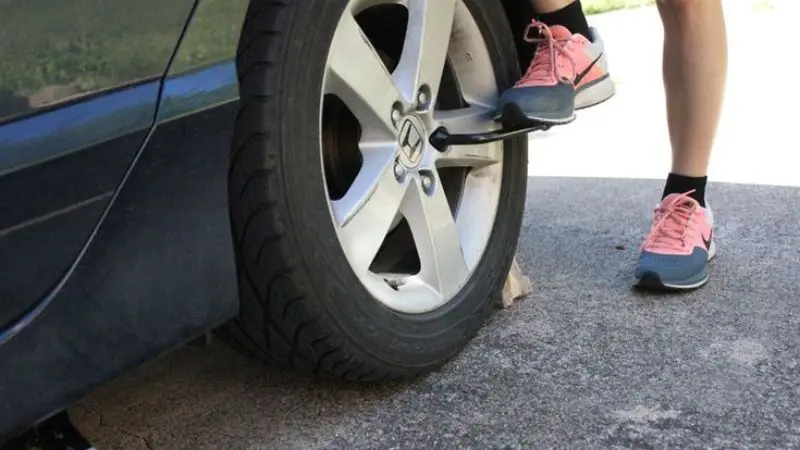
Once you finish lowering and removing the jack, you need to focus on safely removing the car jack from under your vehicle. Start by checking that the car sits firmly on the ground and does not wobble. Gently pull the jack out from under the vehicle. If you use a scissor or floor jack, always keep your hands and feet away from the jack points. You want to avoid pinching your fingers or getting hurt.
When removing a jack from your car, make sure nothing blocks your path. Look around the area for tools, parts, or debris. If you see anything in the way, move it before you continue. You should never rush this step. Take your time and watch for any sudden movement from the car.
Store the Jack
Proper storage keeps your jack in good condition for the next use. Wipe off any dirt or grease from the jack with a clean rag. Place the jack back in its storage case or the spot in your trunk where you found it. If your jack has moving parts, check them for damage or wear. Keep your jack stands, wheel chocks, and other tools together.
This habit makes it easy to find everything next time. Always store your jack in a dry place to prevent rust. Before you leave, walk around your car and check the area. Make sure you picked up all tools and parts. Confirm that the car sits securely on the ground and that nothing blocks the tires.
Common Mistakes When You Lower a Car Jack
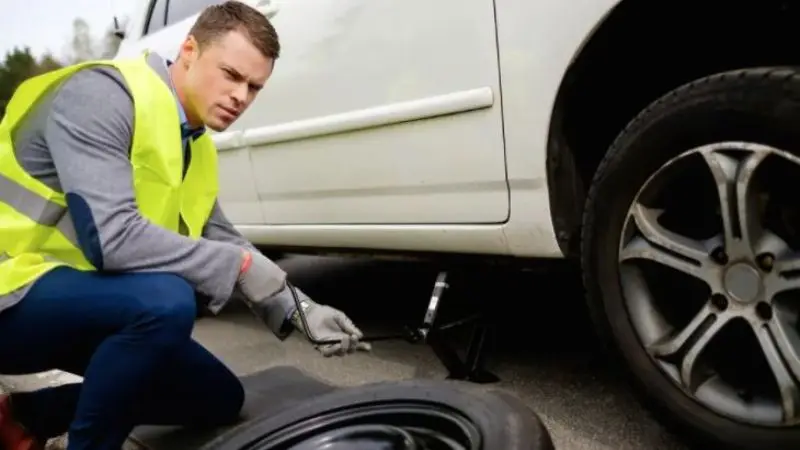
Pitfalls to Avoid
Lowering a car jack may seem simple, but many people make mistakes that can lead to accidents or damage. You need to watch out for these common errors:
- Lowering the car jack too quickly. This can cause the car to drop suddenly and damage the tire or other parts.
- Not using jack stands. Relying only on the car jack puts you at risk if the jack slips or fails.
- Forgetting to check that the tire is fully on the ground before removing the jack. If you pull the jack out too soon, the car can shift or fall.
- Placing your hands or feet under the car while lowering. This can lead to serious injury if the car moves unexpectedly.
- Using the car jack on uneven or soft ground. The jack can tip over, and the car may fall.
- Ignoring the manufacturer’s instructions. Each jack works differently, so you need to follow the right steps.
Prevention Tips
You can avoid these mistakes by following some simple tips for jacking up a car and lowering it safely:
- Lower the car jack slowly and watch the tire as it touches the ground.
- Always use jack stands for extra support. Never trust the car jack alone.
- Keep your hands and feet away from the jack and the tire area.
- Make sure the ground is flat and solid before you use the jack.
- Read the instructions for your car jack before you start.
- Remove tools and people from under the car before lowering.
Final Thoughts
You now know how to lower a car jack safely and protect yourself during the car maintenance process. Always use jack stands and follow the instructions from the manufacturer. Take your time and check that the tire sits flat on the ground before you finish. Careful steps help you avoid damage to your tire and keep your car in good shape. Review this guide whenever you need help with your car.
FAQ
How do you know if your car is safe to lower?
Check that the car sits firmly on jack stands. Make sure the ground is flat and solid. Look for any movement or shifting. If the car feels stable and nothing blocks the tires, you can lower the jack.
Can you lower a car jack without jack stands?
You should never lower a car jack without using jack stands. Jack stands give extra support and keep you safe. Relying only on the jack can lead to accidents if the jack slips or fails.
What should you do if the jack gets stuck?
Stop and check for any objects blocking the jack. Try turning the handle or release valve gently. If the jack still will not move, ask for help or use another jack. Do not force it.
Is it safe to use a car jack on gravel or grass?
No, you should not use a car jack on gravel or grass. These surfaces can shift or sink. Always use a car jack on a flat, solid surface like concrete or asphalt.