Look for any uneven spots in your yard to see how to level it. To start leveling your backyard, take out the grass and loosen the soil in those areas. After that, use the right soil mix to fill in the low spots. For a strong finish, make sure to pack everything down well. After you learn how to level your garden, plant new grass to make it look fresh. Knowing how to level your garden prevents water from pooling and makes your outdoor space safer. You’ll also make the space look better, improve drainage, and make it a great place to relax or play.
This blog will show you how to level a backyard in steps, from repairing uneven areas to growing fresh grass. You’ll discover how to make your yard smooth, safe, and nice-looking with advice, tools, and methods.
Things to Consider Before Leveling Your Backyard
Check Your Yard’s Slope and Drainage
Take a tour around your yard before you start leveling. Understanding drainage is key to finding the best way to level a backyard, as the ground should have a slight slope to help water drain properly. Find places where water gathers after it rains. You need to make sure the ground is sloped to allow water to drain properly. Water can pool and hurt your lawn if you don’t water it properly. Use a long board and a level to check the slope. If you’re not sure how to grade your yard away from the home, try to make it slope gently so that water flows away from the foundation.
Identify the Cause of Uneven Ground
You can see bumps or dips in your yard. An uneven lawn can be caused by tree roots, animals that dig, or settling dirt. Before you start, try to figure out why your yard is uneven. This preparation work before leveling helps you fix the problem at its source. You might have to do your leveling project again later if you omit this step.
Local Regulations or Utility Lines to Check
Before you dig, always look for utility lines. If you’re not sure, call your local utility company. There are rules in some cities about how to level a yard or grade a yard. You don’t want to break a rule or hit a pipe. Make a quick list of things to do to keep safe.
Tip: Put flags or paint on any underground lines to help you remember where they are.
DIY vs Hiring a Professional
If you have the necessary tools and are willing to put in the time, you can follow a DIY backyard leveling guide to level your yard yourself. You might wish to hire a professional for greater work. Professionals can swiftly and safely level your lawn. If you’re not sure, get quotes and compare them. These methods for leveling your yard can help you figure out what works best for you. You can choose a simple or complex leveling project, depending on your requirements.
Tools and Materials Needed to Level a Backyard
Basic Tools for Small Yard Leveling
You don’t need expensive tools to level a tiny yard. You probably already have most of the tools in your garage or shed. Here is what you need to get:
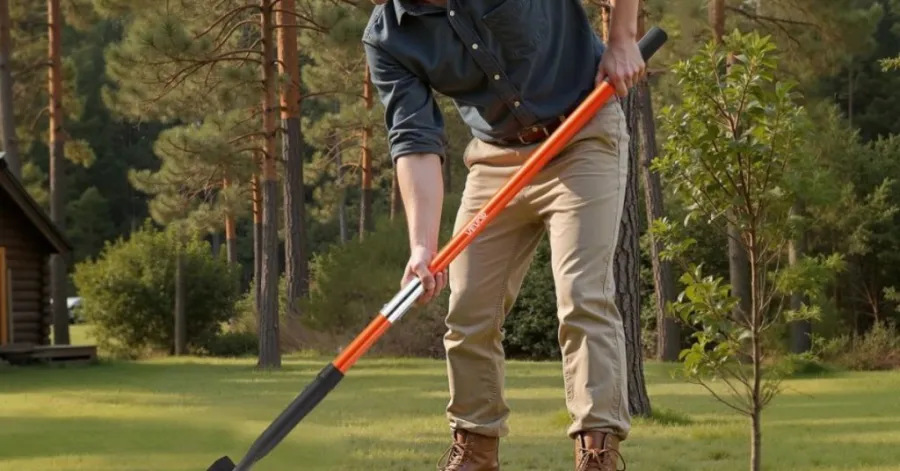
You will need a few basic items to learn how to level uneven backyard. A garden rake is good for spreading soil and smoothing rough spots, while a shovel is good for digging up grass and moving dirt. A wheelbarrow makes it easier to move dirt or sand, and a lawn roller or tamper helps compact the soil. A tape measure and thread can also help you designate low and high locations more accurately.
Tip: Put on gloves and strong shoes. You’ll be safe and comfortable while you work.
Equipment for Larger Backyard Projects
You might wish to rent or borrow larger tools if your yard is large or has many uneven areas. These tools make things easier and faster:
Powered equipment can make demanding yard work much simpler. A rototiller swiftly loosens hard soil, while a power rake helps break up clumps and remove old grass. After that, a plate compactor is used to pack the dirt tightly, making the surface strong and sturdy. A Laser level gives you a super-accurate read on your yard’s slope.
You may find these at most rental centers or home improvement stores.
Recommended Soil, Sand, and Topsoil Mix
The appropriate blend makes a tremendous difference. Use a mix for most yards:
| Material | Purpose |
| Topsoil | Adds nutrients for grass |
| Sand | Improves drainage |
| Compost | Boosts soil health |
Combine equal amounts of sand and topsoil. If you desire more nutrients, add compost. This mix helps grass grow robustly and maintains your yard evenly.
How to Level a Backyard (Step-by-Step Guide)
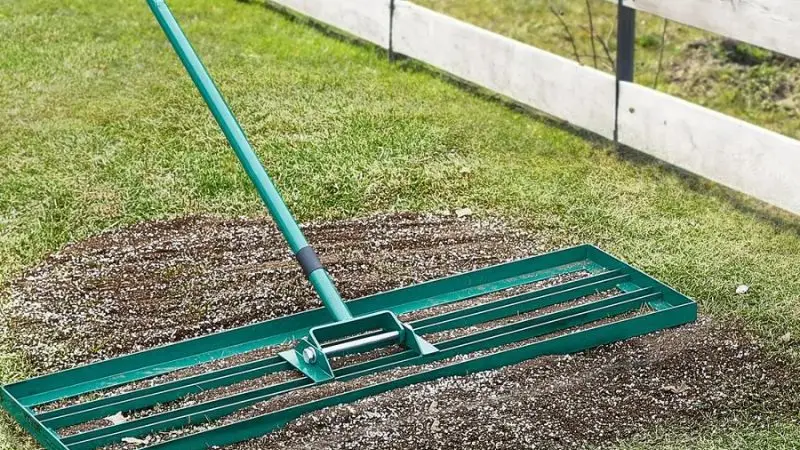
Step 1: Measure the Yard and Identify High and Low Spots
Start your yard leveling project simply by taking a stroll around your yard. Mark the uneven turf with a tape measure and thread. Check for dips and bumps. You need to find the low locations that need to be filled and the high spots that need to be leveled. Knowing the tools needed to level a backyard at this stage helps you plan your work efficiently and ensures a smoother, more even yard.
Step 2: Remove Grass or Existing Landscaping
Get your garden rake and shovel. Take out the grass or any landscaping in the places you marked. If you detect rocks or roots, clear away any trash so the surface is clean. This makes it easy to mend an uneven lawn and level your grass.
Step 3: Break Up and Loosen the Soil
You can break up the dirt using a rototiller or a garden fork. Make the dirt less hard so you can move it. This step helps you level the yard and makes it easier to apply your soil mix later.
Step 4: Fill Low Areas with Soil Mix
Combine compost, sand, and topsoil. Put this mix into the dips. To make your yard look smooth, you need to fill in the low spots. This is thought to be the best way to level a backyard since it makes the ground smooth and even, and helps grass grow well. If you’re not sure how to grade a yard, always verify your work as you add soil in stages.
Step 5: Rake and Spread the Soil Evenly
Take your rake and scatter the soil mix across the yard. Get rid of the bumps and dips. Make sure you cover the uneven lawn so that it stays flat.
Step 6: Compact the Soil for Stability
Pack the dirt down with a lawn roller or tamper. Compacting your grass helps you level it and stops the ground from sinking later. Look for any spots on your lawn that aren’t level and correct them as you go.
Step 7: Replant Grass or Lay New Sod
Planting grass seed or laying sod is the final step in your DIY backyard leveling guide. Give the region a good drink. Now that you’ve learnt how to level your lawn, your yard looks amazing!
Tip: After you’re done, watch your yard. Fix any bumps in your lawn early to keep it smooth.
How to Level a Backyard Without Removing Grass
The Sand and Topsoil Method
You can level a yard without digging up the grass. When learning how to level a backyard for grass, the sand-and-topsoil method is a good way to address slight dips and bumps. Put equal amounts of sand and topsoil in a wheelbarrow. Put the mix on the low patches in your yard. Use a rake to mix the mix into the grass. Water the area to help the soil settle. The mix will let grass grow through it and hide the spot.
Tip: Use dry sand and dirt if you can. When materials are wet, they stick together and are tougher to disperse.
When This Method Works Best
This strategy works well when you detect shallow dips or bumps. It works well in the spring or early fall. During certain periods, your grass grows quickly. You don’t have to remove healthy grass. You might need to dig and do other things if you have big bumps or deep holes.
| Situation | Sand & Topsoil Method | Digging Needed |
| Small dips | ✅ | ❌ |
| Large bumps | ❌ | ✅ |
| Healthy grass | ✅ | ❌ |
Common Mistakes to Avoid
If you hurry, you might make mistakes. Don’t just use sand. Grass doesn’t grow well in pure sand. Don’t put out too much mix at once. Thick layers might kill the vegetation. Always water when you’re done. The soil stays loose and uneven if you don’t water it.
Note: Look at your yard again in a few weeks. If you see fresh dips, add more mix.
Common Mistakes to Avoid When Leveling a Backyard
Ignoring Drainage Slope
You might think a flat yard looks great, but drainage is more important than you think. If you don’t pay attention to the slope, water can collect near your house or in low-lying areas. It could make your grass wet, leave muddy spots, or even ruin your foundation. Check to make sure that your yard always slopes away from your house. It’s important to know what tools needed to level a backyard before you plan your project. A decent rule of thumb is to aim for a drop of roughly 1 inch every 4 feet. Use a long board and a level to double-check your work.
Tip: Water should always flow away from your house, not toward it.
Using the Wrong Soil Mix
When you learn how to level a backyard for grass, not all combinations of soil work the same way. Your grass can struggle to grow if you use only sand. Water could not drain well if you utilize heavy clay. Topsoil, sand, and compost are usually the finest things to mix. This mix maintains your yard’s level and helps your grass’s roots grow healthy. Never use only one kind of material.
| Soil Type | Good for Leveling? | Grass Growth | Drainage |
| Sand | ❌ | Poor | Good |
| Clay | ❌ | Fair | Poor |
| Topsoil Mix | ✅ | Great | Great |
Not Compacting the Soil Properly

Your yard may settle unevenly over time if you don’t compress it. When it rains or when you walk on it, loose dirt sinks. Always use a lawn roller or tamper after spreading the soil to discover how to level uneven backyard. You might see new lumps or dips. After you spread the soil, always use a lawn roller or a tamper to compact it. This step maintains your yard at a level and keeps it smooth.
Remember: Compacting now saves you from having to fix sunken spots later!
Conclusion
Increasing the level of your backyard can be done through a variety of methods, including taking measures, removing grass, loosening soil, filling dips, raking, compacting, and replanting. Not only does a smooth yard convey the image of being gorgeous, but it also protects the space you have access to. Learning how to level a backyard not only creates a smooth, attractive lawn but also protects your outdoor space and ensures it’s easier to maintain.
If you conduct inspections regularly, it will be much simpler to keep your yard in good condition. If you find yourself in a challenging situation, seek assistance from a trained specialist. Have a good time and enjoy your newly refurbished outdoor space now!
FAQ
How long does it take to level a backyard?
Most small yards take one weekend. Larger yards or tough spots might need a few extra days. You can work at your own pace.
Can I level my yard if it’s wet?
You should wait until the ground dries. Wet soil is heavy and hard to move. Dry soil makes the job easier and gives better results.
What’s the best time of year to level my backyard?
Spring or early fall works best. Grass grows fast during these seasons. You get better results and less stress for your lawn.