You want to know how to keep a swimming pool clean. You might look at your pool and wonder where to start. Regular pool cleaning ensures the water remains safe, clear, and enjoyable for everyone. If you follow the proper steps, you can keep your pool fresh throughout the entire season. You do not need to hire anyone. With simple tools and a bit of time, you can master how to keep a swimming pool clean. Pool cleaning doesn’t have to be hard. You just need a routine and the right attitude.
How to Keep a Swimming Pool Clean
Daily Pool Cleaning Steps
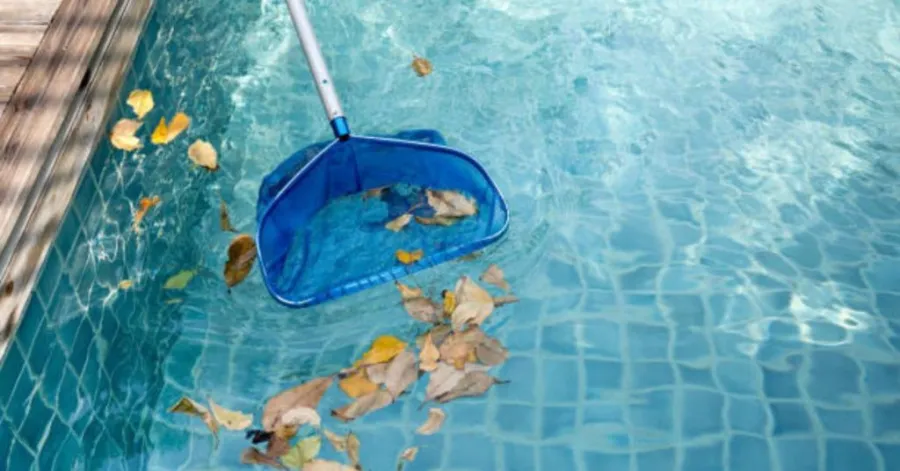
You want to start each day with a quick check. You need to know how to clean a swimming pool at home. Grab your skimmer net and remove leaves, bugs, or any floating debris. This simple step keeps your pool looking fresh and stops dirt from sinking. Next, check the water level. If it drops too low, your pump may not function properly.
Make sure the water covers the skimmer opening. Run your pool filter pump for at least 8 hours. Good circulation helps with cleaning. Take a look at the pool jets. They should point downward and away from the skimmer to help move water around. Wipe down the pool terrace or deck. A clean area around your pool means less dirt gets in.
Weekly Pool Cleaning Tasks
Once a week, you need to brush the walls and floor. Algae and dirt like to stick there. Use a pool brush and work from top to bottom. After brushing, vacuum the pool to remove any debris that has settled. Clean the skimmer baskets and filters.
This step helps your system run better. Test the water with a kit. Maintain the balance of chemicals to keep your pool clear and safe. Regular cleaning and chemical checks are key parts of pool maintenance.
Seasonal and Deep Cleaning
At the start and end of each swimming season, plan for deep cleaning. Scrub tiles, check for stains, and inspect all equipment. Backwash your filter to clear out trapped dirt. Shock the pool with extra chlorine to kill bacteria.
If you see algae, use an algaecide. This routine upkeep keeps your pool in top shape. Follow these steps to keep a swimming pool filter clean throughout the year. Good maintenance means less work later and more time to enjoy your pool.
Steps to Clean Your Pool
Cleaning a pool may seem like a daunting task, but it can be done if you follow the proper steps. When you clean your pool, you keep the water safe and clear. Let’s break down each part on how to keep an inflatable pool clean, so you know exactly what to do.
Start with the basics. Skim the pool every day. Use a skimmer net to scoop out leaves, bugs, and any other debris floating on the surface. If you let debris sit, it will sink and make cleaning the pool harder later. Skimming helps your filter work more effectively and keeps the water looking clear.
Brush the Walls & Floor
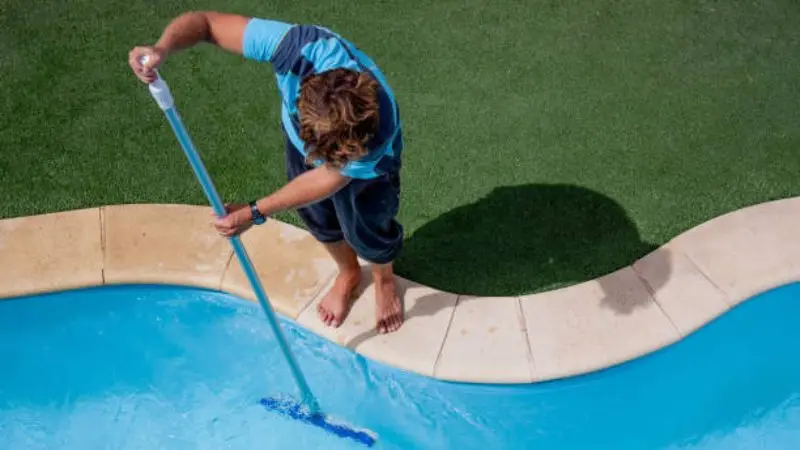
Brushing is a key part of pool cleaning. Dirt and algae stick to the walls and floor. Use a pool brush to scrub every surface. Work from the top down. Pay extra attention to corners and steps. Brush at least once a week. If you notice any green spots, brush them immediately. This stops algae from spreading.
Vacuum and Backwash
After you brush, it’s time to vacuum the pool. Use a manual or automatic vacuum to pick up dirt and debris from the bottom. Move slowly so you don’t stir up dirt. Vacuum the pool at least once a week, or more frequently if you notice a lot of dirt. When the filter pressure rises, backwash the filter. This means you reverse the water flow to flush out trapped dirt. Backwashing keeps your filter functioning properly and aids in pool maintenance.
Clean Skimmer Baskets and Filters
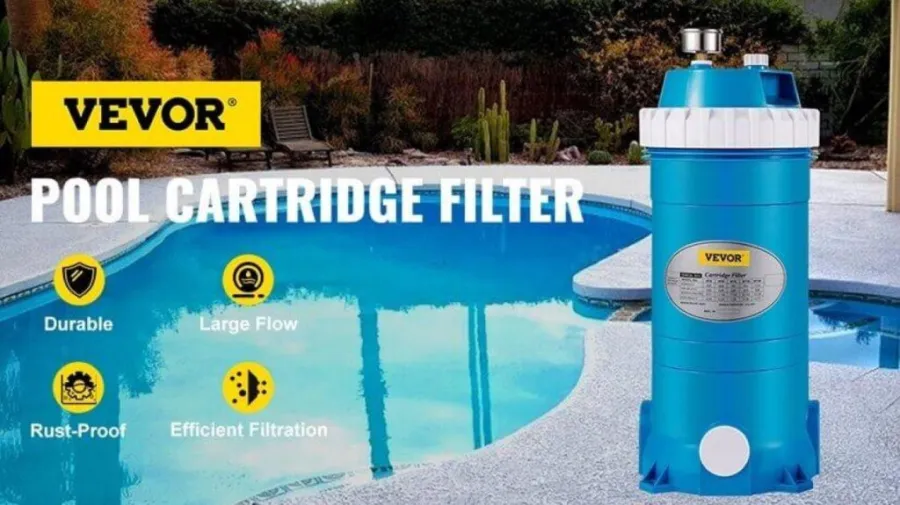
Skimmer baskets catch leaves and debris before they reach the pump. Empty these baskets at least once a week. If you swim frequently or have trees nearby, inspect them more often. Clean the filter as needed. Some filters require rinsing, while others need to be replaced. A clean filter means better water flow and less strain on your pool system.
Test and Balance Chemicals
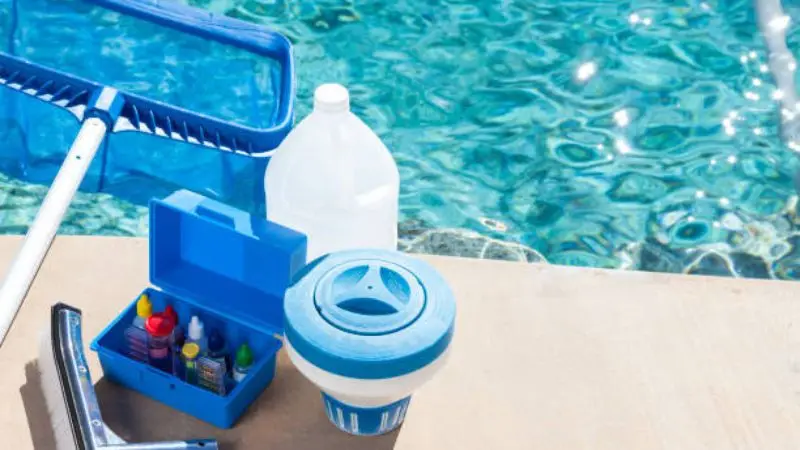
You should test the pool water at least once a week. Use a test kit or test strips. Check for chlorine, pH, and alkalinity. If the numbers are off, balance the chemicals right away. This keeps the water safe and stops problems like cloudy water or skin irritation. Good water chemistry is the heart of pool maintenance.
Shock and Use Algaecide
Sometimes, regular cleaning is not enough. You need to shock the pool. This means you add a hefty dose of chlorine to kill bacteria and clear up cloudy water. Shock your pool every two weeks or after heavy use. If you see algae, add algaecide. Algaecide stops algae from growing and keeps your pool sparkling.
Use algaecide as part of your routine, especially in hot weather, to clean a pool after a storm or a long break. Shock and add algaecide for best results. When you repeat these steps, you make pool cleaning simple.
Pool Cleaning Troubleshooting
You walk outside and see your pool looking green or cloudy. Don’t panic. You can fix this. Begin by following the steps on how to keep clean a green pool. First, remove as much debris as you can. Next, brush the walls and floor. Use a pool vacuum to pick up dirt. Test your water. If you see low chlorine, add more.
Shock the pool with a strong dose of chlorine. This kills bacteria and algae. Use algaecide to help clear up the water. Run your pump for 24 hours. If you follow these steps to clean a green pool, you will see better water soon.
Algae Prevention
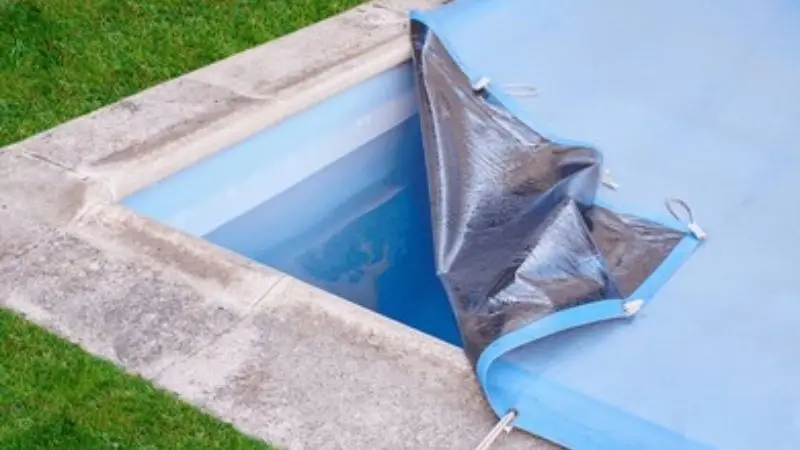
Algae can turn your pool green fast. You want to prevent this. Brush your pool every week. Vacuum often. Test your water and maintain a steady chlorine level. Use Algaecide as part of your weekly routine. This stops algae before it starts. Cover your pool when it is not in use. It is the best way to keep a pool clean all summer. This keeps out sunlight and debris. Preventing green pool water saves you time and effort.
Chemical Imbalance
A chemical imbalance can cause cloudy water or skin irritation. Test your pool water every week. Adjust the pH, chlorine, and alkalinity as needed. If you see green water, check your chemicals first. Use algaecide if you spot algae. This helps when cleaning a very dirty pool. Always add chemicals one at a time. Never mix them together.
Stains and Odors
Stains and odors can make your pool look and smell bad. Brush stained areas right away. Use a stain remover if needed. If you notice a strong smell, shock the pool. This removes bacteria and helps with cleaning a very dirty pool. Use algaecide to prevent algae stains. Dealing with persistent green pool water may require extra cleaning and more algaecide.
Pro Tips for Pool Cleaning
Time-Saving Tools
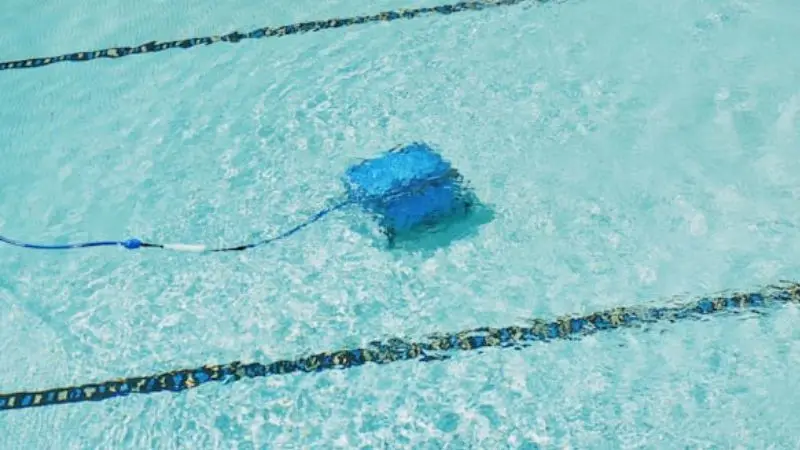
You want to spend less time cleaning and more time swimming. Try using automatic pool cleaners. These machines move around your pool and pick up dirt for you. Robotic vacuums work well for most pools. You can also use a leaf rake with a deep net to grab more debris in one scoop.
Telescopic poles help you reach every corner. If you want to save even more time, use a pool cover. This simple tool keeps out leaves and bugs. You will find that the right tools make pool cleaning much easier. It is also essential to choose the best filter pump for optimum performance.
Preventative Measures
You can stop many problems before they start. Brush your pool walls and floor at least once a week. This helps prevent algae and stains. Always empty skimmer baskets to ensure your filter works optimally. A pool cover helps keep out dirt and prevents cloudy water. Keep the area around your pool clean and tidy. Sweep the terrace or deck to stop dirt from blowing in. These tips keep your swimming pool without a filter.
| Preventative Step | How Often |
| Brush walls & floor | Weekly |
| Test water | Weekly |
| Empty skimmer baskets | Weekly |
| Use pool cover | When not in use |
| Clean pool area | Weekly |
When to Call a Pro
Sometimes, you need extra help. If your pool water stays green after shocking, call a pro. You should also get help if you see leaks or broken equipment. A professional can fix problems quickly and provide you with additional cleaning tips. If you feel unsure about chemicals, ask for advice. Pool experts know how to prevent damage and keep your pool safe and secure. Do not wait too long to get help. Quick action saves you time and money.
Final Thoughts
You now know how to keep your pool clean and safe. Stick to a simple routine—skim, brush, vacuum, and check chemicals. Regular care helps your pool stay clear and ready for fun. Try using a checklist or setting reminders on your phone. This way, you never miss a step. When you follow these habits, you enjoy a sparkling pool all season. Your hard work pays off every time you jump in!
FAQ
How often should you clean your pool filter?
You should clean your pool filter every 1-2 weeks. If you swim frequently or notice cloudy water, check it more often. A clean filter helps your pool stay clear and safe.
Can you swim right after shocking the pool?
No, you should wait. After shocking your pool, wait until chlorine levels drop to a safe range (1-3 ppm). This usually takes about 24 hours. Always test the water before swimming.
What do you do if your pool turns green overnight?
First, skim out debris. Brush the walls and floor. Test the water and add shock treatment. Run your pump nonstop until the water clears. Use algaecide if needed. Stay patient—your pool will bounce back!
Do you need to brush your pool if you use an automatic cleaner?
Yes, you still need to brush your teeth. Automatic cleaners pick up dirt, but brushing removes algae and grime from walls and steps. Brush your teeth once a week for optimal results.