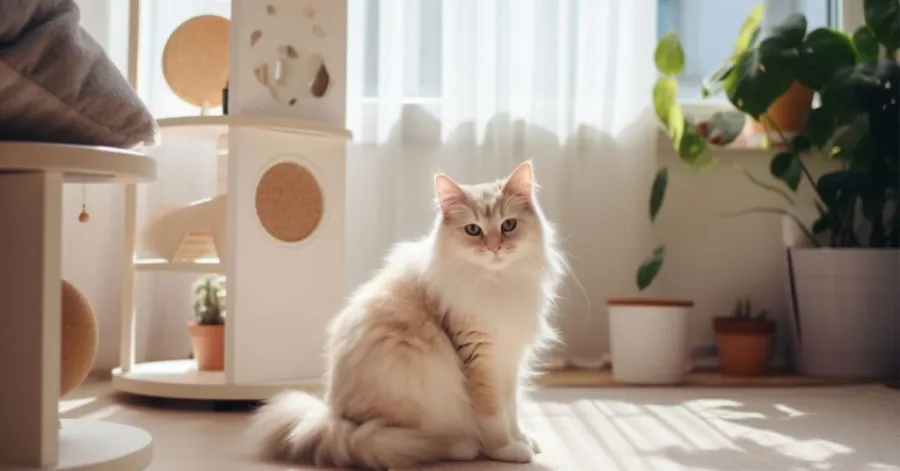
Bringing an outdoor cat indoors can be tricky, especially if your cat loves exploring. But with a little time, comfort, and care, your cat can learn to enjoy indoor life. Start by creating a cozy spot with soft blankets, a warm bed that smells like you, and quiet corners for naps.
Add a sunny windowsill so the cat can still watch the outside world. Keep them busy with toys and a strong scratching post. This change helps protect them from cars, bad weather, and other risks. A happy indoor cat can live a longer, healthier life with just a few simple comforts. In this blog, you’ll find ways to learn how to keep a cat indoors —with love, patience, and the right setup.
Why You Should Transition Outdoor Cats to Indoor Living
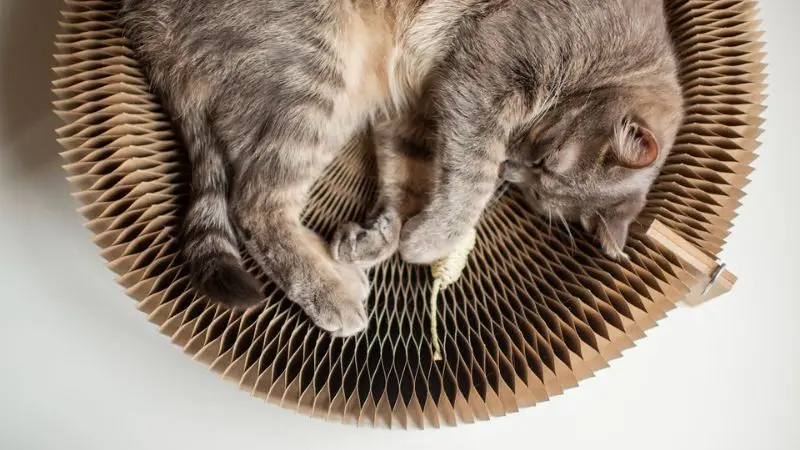
Outdoor life can be risky for your cat, even if they seem to enjoy it. Moving the cat indoors may feel like a big change, but it’s one that offers many lasting benefits. Let’s explore how indoor life helps your cat stay safe, happy, and healthy.
Health and Safety Benefits
Transitioning outdoor cats to indoor life greatly improves their safety. Outside, cats face dangers like traffic, fights with other animals, and harsh weather. Indoors, they’re protected from these risks. Some cats may feel bored at first, but that can change with love and play. Spend time with them daily.
Use toys, treats, and simple games to keep them active. These are some of the best ways to keep a cat happy indoors. Over time, your cat will relax and enjoy the peaceful, safe environment. Indoor cats often live longer and healthier lives than those who stay outside.
Impact on Wildlife
Even well-fed outdoor cats usually prey upon birds, lizards and small creatures. The practice is bad because it destroys the indigenous wildlife. By choosing how to make a cat stay indoors, you also help protect the environment. Not only do you keep your cat safe, but you even assist the other animals around you to prosper..
The movement of outdoor cats indoors is a wise move not only to your cat but to the planet. Fill their lives with indoor entertainment such as window-perches or cat-friendly plants to retain their curiosity. If you’re wondering how to entertain a cat indoors, small changes like these can bring big joy.
Transition Preparation for Outdoor Cats
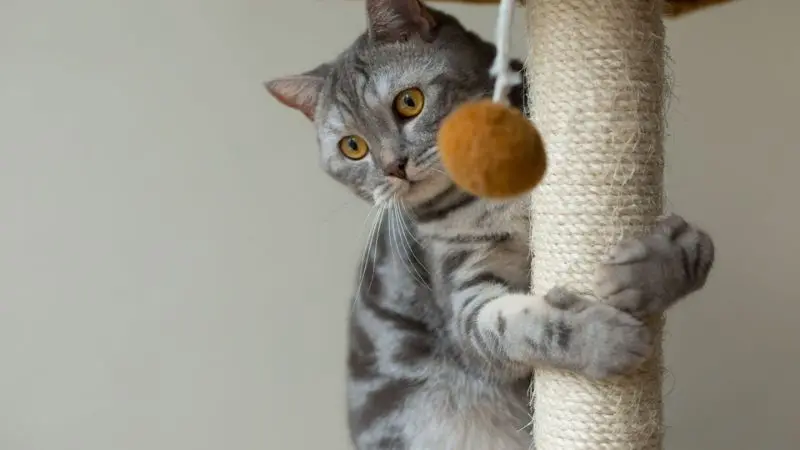
Helping your outdoor cat adjust to indoor life takes time, comfort, and the right setup. Starting with a safe space can reduce stress and ease the change. Let’s look at how to create a smooth, happy start for your cat’s new lifestyle.
Create a Safe Sanctuary Room
First, a peaceful, silent room should be selected in which you keep your cat. This is a room where one should feel safe and comfortable. Ensure that you close windows and doors to prevent escape. Include a soft bed where it is not noisy, and separate food and water from the litter box.
In case you are wondering what to do so that a cat can be kept inside the house, this little detail makes the cat feel safe. Make familiar smells, such as your blanket or their favorite toy. The process of indoor housing of outdoor cats will start with comfort and safety. The initial step to achieve long-term success is a calm room.
Gather the Essentials for a Smooth Transition
To make indoor life comfortable and fun, you’ll need a few key items. These basics help your cat adjust and enjoy their new space. They also make the process of transitioning outdoor cats to indoor living smoother and safer.
Start with:
- Litter box – one per cat, plus one extra
- Scratching posts or pads to protect your furniture
- Soft bedding or blankets for cozy naps
- Food and water bowls, always clean and full
- Interactive toys and hunting-style toys for daily fun
- Hiding spots, like boxes or covered beds
- Cat trees or climbing shelves to stay active
- Bird-watching perches near sunny windows
- Cat-safe indoor plants, like cat grass
- Exercise wheels for high-energy cats
If you’re wondering how to entertain a cat indoors, these simple tools go a long way. The right supplies will help your cat feel happy, safe, and ready for a life indoors.
Transition Steps for Outdoor Cats
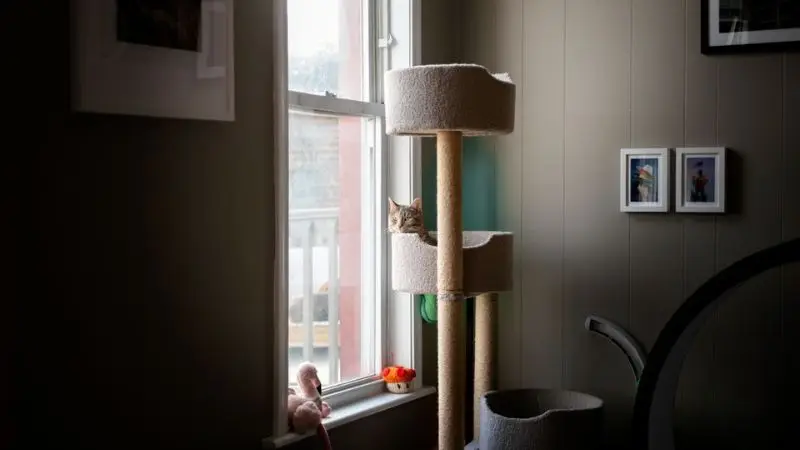
Bringing an outdoor cat inside isn’t a one-day task. It takes time, patience, and a calm routine. Start small, go slow, and stay consistent. These steps help reduce stress and make the change more enjoyable for both of you.
Slowly Increase Indoor Time
Begin by letting your cat spend a little bit of time inside every day. Take the cat in out of the cold, meals, then gradually increase inside time slowly, possibly an hour per day. In this manner, your cat acclimatises without the feeling of being trapped.
When you ask yourself how to keep a cat inside safely, this is a gradual process that encourages a happy cat to trust you. It is important to bring your cat in at the same time. Cats are fond of routine, and it makes them feel safe. Indoors may also be fun, as long as your cat gets to know this with patience.
Build Positive Associations
When your cat is at home, make him /her feel happy and loved. The associate is on the inside with treats, soft strokes, and play toys. This is among the perfect means of ensuring a cat is happy inside. Compliment any calm behavior, and at the same time, reward good habits such as the use of the litter box or resting on the perch.
Playtime also creates trust and makes your cat active. In the course of time, your cat will learn to like your company and will like a new cozy place. One of the best ways of bonding with a cat is by playing with it in order to explore how to entertain a cat indoors. An easing process begins in happiness, not in stress.
Prevent Indoor Escapes
Initially, your cat will sneak around, particularly around the doors or open windows. Be observant during this period. Seal block exits and do not keep the doors open. Minimize the temptation to run off by providing a lot of play indoors.
Your cat can be curious and relaxed by having toys, climbing places, and windows facing the sun. As soon as you learn to entertain a cat inside, your cat will begin to enjoy its new surroundings. To keep a cat in the house, it is essential to follow the rule that every small daily success will lead to a large-scale success.
How to Keep a Cat Indoors Happy
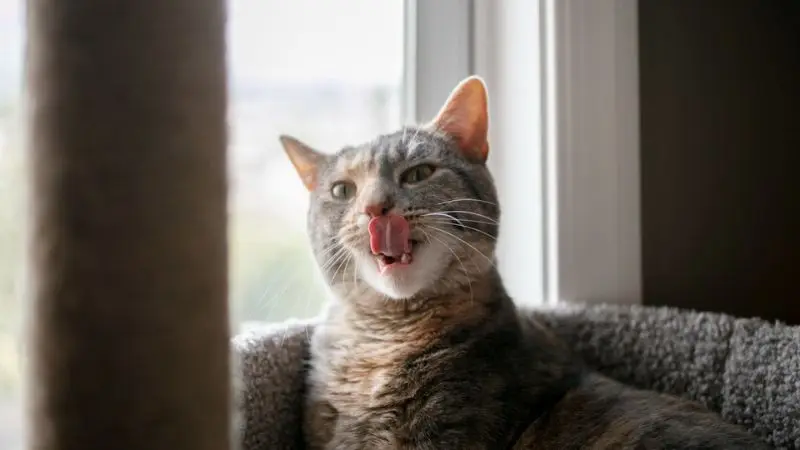
A happy indoor cat needs more than just safety—they need fun, comfort, and attention. With a few daily habits, your cat will stay active, curious, and content indoors. Here’s how to keep things fun and stress-free.
Daily Play and Enrichment Time
One of the best ways to keep a cat happy indoors is to play with the cat daily. Use wand toys, small balls, or even paper bags to keep things exciting. Change toys often so your cat doesn’t get bored. Hide treats around the house for your cat to hunt. It’s a great way to stimulate both the cat’s mind and body. If you’re learning how to entertain a cat indoors, regular play is key. Try two or three short sessions each day—your cat will soon look forward to that special time with you.
Safe Outdoor Alternatives
Some cats miss the sights and smells of the outside world. To help, try giving them safe outdoor experiences. This allows your cat to explore without real danger. These ideas support your goal of how to keep a cat indoors without taking away their freedom.
Try these safe options:
- A screened-in patio or catio
- Harness walks in a quiet area
- Secure windows with cat-safe screens
While transitioning outdoor cats to indoor, always supervise outdoor time. Let your cat explore—but with safety first.
Preventing Boredom Indoors
Indoor cats can feel bored if they don’t have enough to do. Prevent this by offering new experiences. Put a perch near a window so your cat can watch the world go by. Give puzzle feeders, cat trees, or rotate toys weekly. You’ll notice a shift when your cat starts enjoying these small changes. Learning how to keep a cat indoors means finding what excites them most. Boredom fades when curiosity grows. Keep things fresh, fun, and full of surprises—and your cat will love indoor life.
Identify and Tackle Issues
As you work on transitioning outdoor cats to indoor life, some challenges may come up. Your cat might feel stressed or look for ways to escape. Don’t worry—these reactions are normal. Let’s go over how to manage them gently and with care.
Dealing with Anxiety and Stress
Indoor migration may terrify a cat or disorientate the cat. Some of the indications you may observe include withdrawal, overlicking, or a weaker appetite. Keep the home as peaceful as possible. Speak in low tones, walk very slowly, and provide your cat with a warm place to sleep.
You may also apply relaxant sprays or cat diffusers. Give treats to make your cat trust you when it looks relaxed. These minor things make your cat feel secure. How to keep a cat indoors begins with creating a secure, quiet space where they feel in control.
Watching for Escape Behavior
During the initial weeks, some cats will want to run away. They can wait at the door or cry that they want to go out. Indoor fun should be used to distract them and keep them calm. Occupy your cat with toys, scratching posts, or views through the window. When you start thinking about what to do to entertain a cat indoors, this is just the right moment to bring such activities to notice.
Experiment with the use of basic barriers such as:
- Door duct taping, Two-sided tape at the door
- Baby screens or gates
- No treats and toys should be near exits
A stimulated cat will not think much of running away.
Knowing When to Get Help
When you realize that your cat is no longer eating, is hiding all the time, or is aggressive, then this might be the time to pursue a solution. A vet is able to examine your pet to identify any health-related problems, and a cat behaviorist will be able to take you through the more profound problems. The intention to seek help is not to fail rathe,r it is a manifestation of love and care.
When you are very serious about keeping a cat indoors successfully, outside help can go a long way. With kindness and the right tools, your cat can overcome fear and enjoy a happy indoor life. Whenever you do it, be gentle. Do not ever punish a stressed or frightened cat; you should have patience, and therefore progress will be achieved.
Conclusion
The key to success is taking slow steps and being patient. Most cats learn to enjoy indoor life when they feel safe and loved. Learning how to keep a cat indoors means giving the cat comfort, building trust, and making the space fun and relaxing. With a calm routine and daily attention, your cat can adjust and even prefer staying inside. You’re not alone in this journey—many pet owners go through the same process. Feel free to share your experience or ask a question in the comments below.
FAQs
How long does it take a cat to get accustomed to indoor living?
They are all unique cats. There are others who become accustomed to a new environment in a few days, and there are those who take weeks or even months. Wait and be patient. Slow steps and positive reinforcement are the best approach regarding the transition of outdoor cats to indoor ones.
What would be the response of my cat in case he kept on crying at the door?
Try to distract your cat with toys or food. Go to the door to change the focus. It is among the excellent means of ensuring that a cat enjoys itself at home. You can also build a window perch to allow your cat to see outside safely.
Can I step out and take my indoor cat out of the house once in a while?
The ideal thing is to keep your cat indoors. The outdoor should be possible but with a harness and leash or a catio. It is important that your cat is constantly watched out there.
Will my cat feel bored at home?
New toys, daily play, and windows will be reasons for your cat’s happiness. Rotate the toys. Hide treats that your cat can discover. Your cat can get rid of boredom and be occupied for a long time.
How about the case when my cat does not want to use the litter box?
Make certain the litter cage is clean. Use a different type of litter. Keep the box in a quiet place somewhere. When the problems persist, get advice from your vet to do away with health complications.