When you install a fence around your house, it’s not just about safety. It’s about adding privacy, safety, and a touch of character to your home. Installing a fence by yourself might sound crazy, but with the right planning, tools, and, it’s highly rewarding.
If you are planning to install a wooden or a metal fence by yourself, you need to learn how to build a fence step-by-step. This guide will help you learn how to install a fence by yourself, the right way, to save you both time and money.
What to Know Before You Install a Fence
A fence cannot only protect your house but also add a stylish look to the exterior. After all, it is true that an hour of planning can save you 10 hours of doing.
So if you’re planning to install a fence by yourself, you need a plan. Here are a few things that you need to know before installing a fence that will help you plan it even better.
Check local regulations and permits
First things first, don’t jump the gun. Every city, town, and neighbourhood has its own set of rules when it comes to fencing. Some areas require permits, while others limit the height or the style of the fence you can build.
Here’s what to do:
- Head to your local building department or city website to check the regulations.
- If you live in a community with a Homeowners Association, review their guidelines to avoid any disputes.
- And whatever you do, don’t dig before calling your utility company to mark underground lines, that’s one mistake you don’t want to make!
Property line and neighbor agreements
Sometimes people start fencing their houses without knowing their boundary lines, and end up fighting with their neighbours. It’s really important to know your property line to make sure that you do not breach someone’s privacy and harm their property.
Here are a few things that you can do to avoid these mistakes:
- Double-check your property survey or plot map to confirm boundaries.
- If your fence will sit close to a neighbor’s yard, give them a friendly heads-up.
- In some cases, you might even agree to share costs, which is a win-win situation for both sides.
Choosing the right fence type (wood, vinyl, chain link, etc.)
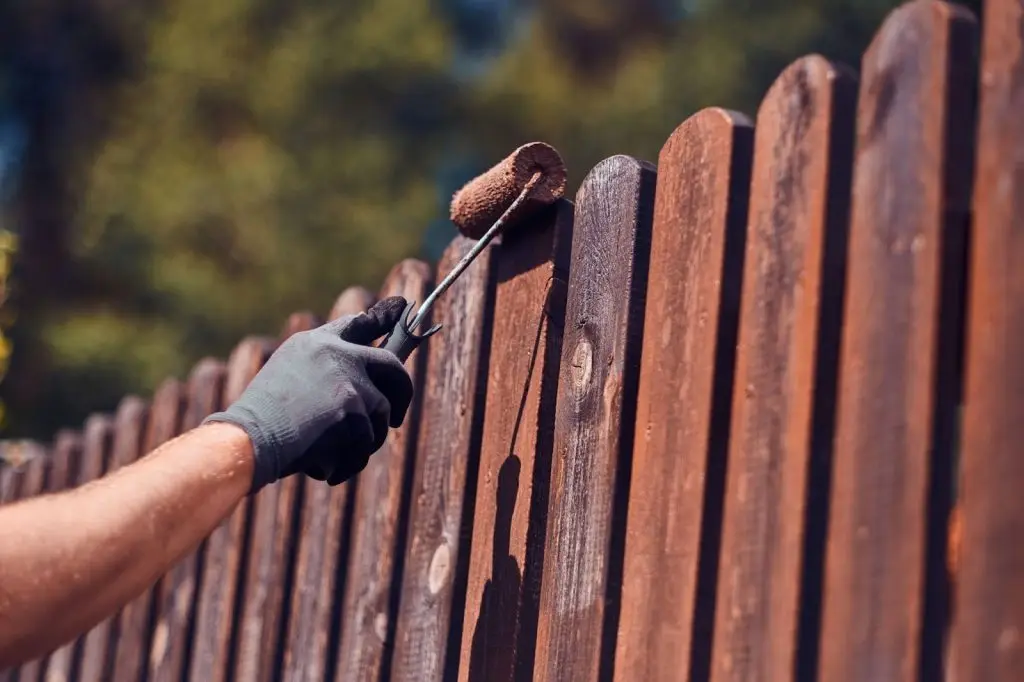
Once you decide on your boundary lines with your neighbour, it’s time to talk about the materials for the fence. It’s really important to choose the right type of material for your fence as you’re learning how to build a fence by yourself.
The choice of material totally depends on what you want out of it, either. It could be privacy, durability, aesthetics, or all of them.
- Metal fences: They are made up of stainless steel or aluminium. These are the strongest elements that make them both strong and stylish.
- Wooden fence: They are timeless and perfect for that warm, natural look. However, they are not a good option for areas with heavy rainfall.
- Vinyl fence: It offers low maintenance and a modern touch.
Tools and materials you’ll need
Once you have decided on the material for your fence, the next step is to gather the essential tools to install it.
- Fence panels or pickets
- Fence posts (wooden or concrete)
- Measuring tape, level, and stakes
- Post-hole digger or auger
- String line
- Screws, nails, brackets, and a drill
- Concrete mix or gravel
- A jackhammer for tough soil or breaking old concrete
How to Install a Fence (Step-by-Step) (main keyword included)
When putting up fencing, there are a few basic rules that you should follow to get stable and durable results. This step-by-step guide will walk you through how to install fence panels by yourself without wasting hours.
Step 1: Measure and mark the fence line
The first step to set up a fence is to map out exactly where you want it. An easy way to do it is to drive stakes at each corner and stretch string lines between them.
During marking, clearly mark the gates and post holes for more clarity. This will help keep the rest of your project on track.
Step 2: Dig post holes and set the posts
This is where the hard work begins. You have to dig a hole with a jackhammer about one-third of the total fence height, usually it’s about 20 to 36 inches deep.
- Add a few inches of gravel for drainage.
- Place your post, ensuring it’s perfectly vertical using a level.
- Fill with concrete, tamp it down, and let it set.
If you’re wondering how to put up a fence with concrete posts, the process is nearly identical, just make sure the posts are properly aligned and fully embedded in the concrete.
And if you’re going with wooden posts, always use treated wood to prevent rot and extend life. That’s how you ensure your fence stands tall for years.
Step 3: Install horizontal rails or panels
Once you are done with digging the post holes and setting them up, you can attach the horizontal rails or panels. If you have a wooden fence, you will attach the rails, and for a metal fence, attach the horizontal panels together.
Furthermore, space rails one near the top, one in the middle, and one near the bottom. For metal fences, check the panels’ alignment carefully. If you notice any imbalance, adjust it with a hammer.
Step 4: Attach pickets or fencing material
Attaching pickets is tricky and needs a bit more attention. Follow these three steps to do it:
- Place the first picket at one end of the fence, ensuring it is plumb (perfectly vertical) with a level.
- Leave a gap of at least two inches between the bottom of the picket and the ground to prevent rot. This is especially important if you’re learning how to install a metal fence!
- Secure it with two nails into each backer rail.
Step 5: Secure posts and check alignment
Before your concrete completely sets, give everything one final inspection to make sure everything is good to go. You have to stand back and look down the fence line.
Your fence should look straight and even. If something is off, adjust it now. Because once the concrete hardens, it becomes more difficult to adjust it. In fact, you have to build it again.
Step 6: Apply paint, stain, or finishing touches
The final step is to make your fence look modern, sleek, or the way you want. You can
- For wood fences: Wooden fences are not durable. They need a weatherproof stain or sealant to stay longer. Rain, snow, and even extreme sunshine make the wooden frames weak with time.
- For metal fences: As you know that metal reacts with water and corrodes. They need a rust-resistant coating for long-lasting results.
- For vinyl fences: They are low-maintenance fences, a simple wash with soapy water does the trick.
Apart from this, you can decorate it however you like. You can add post caps, solar lights, or decorative tops can really make your fence stand out.
Common Installation Mistakes to Avoid
Having a proper fence installation plan doesn’t mean that you will not make any mistakes. However, after reading this guide, you can have an idea of common pitfalls that you can avoid.
Setting posts without proper depth or concrete
If your posts are not deep enough, your fence might wobble or even topple over in bad weather. This is very common on windy or cloudy days.
You can avoid this problem by following the one-third rule. According to this rule, at least a third of the posts should be underground so use your jackhammer accordingly.
Ignoring slope or uneven ground
Most of the time, we ignore little slopes on the ground. If your yard slopes, don’t try to force a straight fence line. Instead, step your fence or follow the ground’s contour. It’ll look more natural and last longer.
Using untreated or low-quality materials
You get what you pay for. Quality products are not cheap. If you have a low budget, it’s better to research before purchasing fence material. But avoid untreated wood, flimsy screws, or low-grade panels. Quality materials might cost more upfront, but they’ll save you from constant repairs.
Cost Breakdown: DIY vs Hiring a Professional
The cost of installing a fence totally depends on the location you are living in and the area of the fence. There is no one fixed rate of installation of a fence. However, in general, it can typically cost around $3000 or more if you get it done by a professional.
If you are installing your fence yourself, of course, it will cost you nothing but the material cost, time, and tools to set it up. Nevertheless, we have broken down how much installing a fence yourself or by a professional will cost you in the table below:
| Aspect | DIY Installation | Professional Installation |
| Average Cost per Linear Foot | $10–$20 | $25–$45 |
| Labor | No Cost | $1000-$3000 and more |
| Tools and Equipment | $200-$450 | Included in Package |
| Time | 2-5 Days or more | 1-4 Days maximum |
| Customization | Full control without overhead | Limited options with extra charges |
FAQs
How deep should fence posts be?
In general, it should be 24 to 36 inches deep, or roughly one-third of your post’s length.
Can I install a fence without concrete?
Yes, you can, but it’s risky. Some people add gravel that can work for lightweight fences, but concrete adds much-needed stability.
How long does it take to install a fence?
Most DIY fences take around 2–5 days, depending on the size of your yard, your working speed, and the type of fence. If your yard size is large, it can take more time. If you hire a Professional, it will take 1-4 days to complete.
Do I need permission to build a fence on my property line?
You don’t need your neighbour’s permission to build a fence entirely on your own property, but you will definitely need a local government permit and may need a neighbour agreement if the fence is on their property line.
What is the cheapest type of fence to install?
Most experts recommend a chain-link fence or a simple post-and-rail wood fence as a more budget-friendly option. However, PVC fencing is also the cheapest way to create a fence for your home.
Conclusion
When you think of learning how to install a fence for your home, it feels like a rollercoaster. But when you break it down, it’s just a matter of taking a step-by-step process to complete it.
With the right tool, good material, and a bit of patience, you can install a fence by yourself without spending thousands of dollars on it. This guide provides you with all the necessary information about how to install a fence step-by-step for different types of materials, and gives you some amazing maintenance tips to keep it there for long periods of time.