A tidy, green lawn can be tough to enjoy when clover starts to spread. If you want to know how to get rid of clover in the lawn, the good news is it’s possible with a simple plan. Start by pulling out the clover by hand and treating any spots quickly. Using a lawn sweeper can also help clear leaves and debris that encourage clover growth. Then, follow some easy lawn care steps to stop it from growing back. With regular care, your grass can grow thick, healthy, and clover-free. This guide will walk you through each step in a clear and simple way, so you can get your lawn looking great again without the trouble.
Identify Clover in Your Lawn
It is important to know how to identify clover in the yard before you do anything. Clover sometimes may resemble grass, but there are telltale signs. Identifying the type of clover you have is useful because it can help you determine the best method to use to kill the clover without damaging your lawn, especially when you plan to apply natural alternatives to killing clover in the grass.
Common Types of Clover Found in Lawns
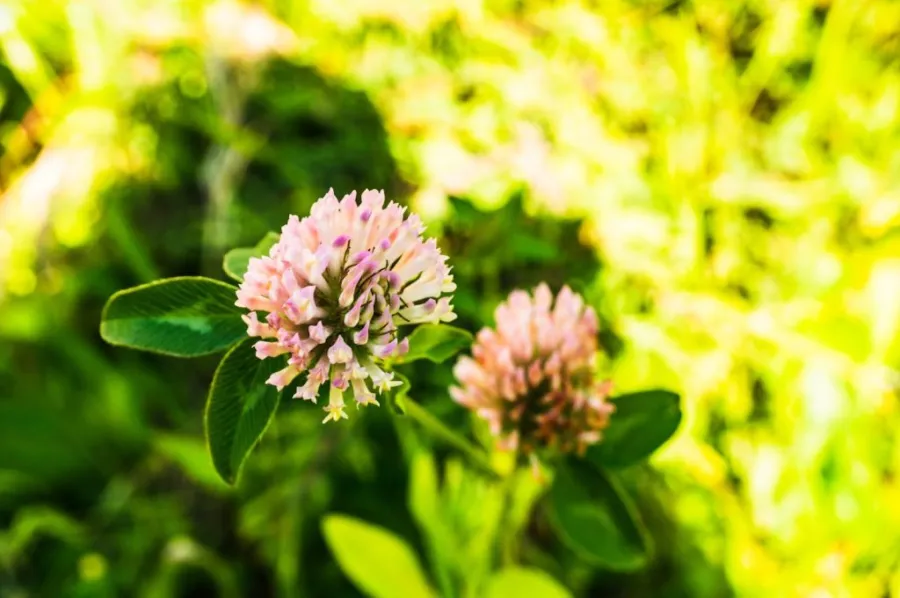
All clovers may not all look alike. The most common one is white clover with white flowers and rounded leaves. Red clover also might be found, and that will have pink or purple flowers and be a bit taller. There is a third type, which is known as microclover, and they have leaves that are very small and may easily blend with your grass and therefore are hard to spot.
This is what the types will look like:
- White clover contains white flowers and medium-sized leaves.
- Red clover is feminine with pinkish-purple blossoms and medium-to-big leaves.
- Microclover is more discreet in appearance, having small leaves and flowers that are immature in size and white in color.
The trick to choosing the most effective clover spray is to identify the type you are dealing with early on in order to avoid damaging your grass
Visual Clues That Indicate Clover
Another way to determine clover is to tell by how it grows in a small group. Most are three-leaf in form, and many of the leaves are lightly colored white. When you touch some parts of the grass and feel it to be softer or look different, take a closer look. When the clover is blooming, it is easy to see, too, when we see small white or pink flowers shooting up just above the grass.
The signs are that you are probably dealing with clover. Early detection will give you a chance to prepare on how to eliminate the white clover in your lawn naturally or through other means, depending on the type of lawn you want.
Why Clover Grows in Your Lawn
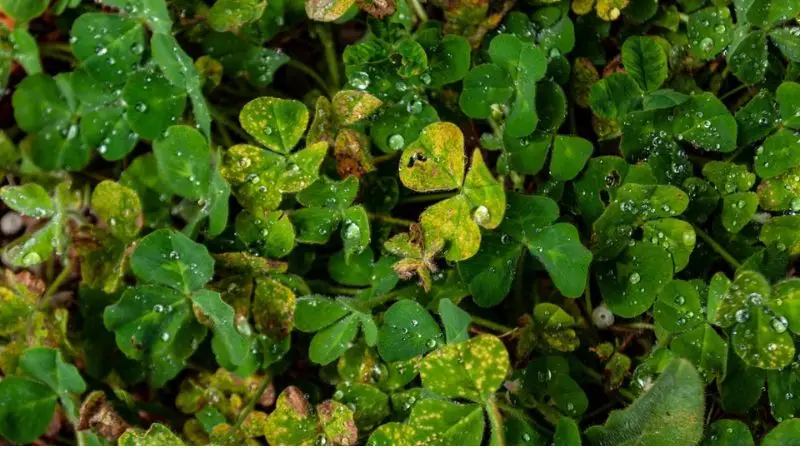
Understanding why clover shows up in your yard is the first step to stopping it. Clover often grows when grass is weak and the soil is low on food. If you’ve had trouble with patches of weeds, it’s important to look deeper. Fixing the main problems is often better than just using treatments or the best spray for clover in your lawn.
Soil Problems That Encourage Clover
Clover likes ground that isn’t good for healthy grass. The biggest issue is not enough nitrogen. When the ground doesn’t have enough food, grass gets weak, and clover quickly takes over. Hard, packed ground and bad drainage also make lawns weak, giving clover a place to grow.
Here’s what might be wrong with your ground:
- Low nitrogen
- Hard, packed spots that stop roots from growing
- Wet spots that don’t drain well
Making your ground better is one of the most natural ways to kill clover in grass and keep your lawn green and full.
Lawn Care Habits That Invite Clover
Bad lawn care is another reason clover shows up. If you cut your grass too short, water at the wrong time, or forget to add fertilizer, your lawn gets stressed. Weak grass makes it easy for clover to spread fast.
Common mistakes that lead to weeds include:
- Cutting grass too low
- Not adding fertilizer often
- Watering too much or not enough
- Leaving empty spots without fixing them
Good lawn habits make a big difference. If you’re looking for how to get rid of clover in your lawn without killing grass, start by fixing these easy problems. A strong, well-fed lawn will naturally push out unwanted weeds.
How to Get Rid of Clover in the Lawn
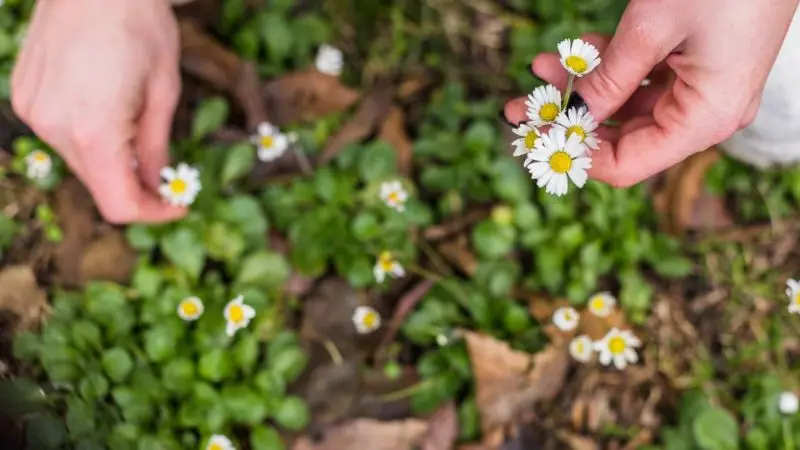
Got clover taking over your yard? You’re not alone. Whether you have just a few spots or a whole lot of them, there are good ways to get rid of them. If you want to know how to get rid of clover in your lawn without killing your grass, the best way depends on how much clover you have and how you like to take care of your lawn.
Pulling by Hand for Small Areas
When you only see a little clover, pulling it out by hand is easy and safe. Be sure to pull out the whole plant, roots and all. Watering the ground first makes it easier to pull and keeps the stems from breaking. A small garden fork or weeding tool can help loosen the soil so you can get the clover out clean.
This way uses no chemicals, which is great if you have kids or pets. Afterward, use a lawn sweeper to clear any leftover debris and keep your lawn tidy. Look at your lawn often and pull up new spots early to stop them from growing.
Easy Natural Fixes
If you want to know how to get rid of white clover in your lawn in a natural way, blocking sunlight is one of the simplest things you can do. Put cardboard or dark plastic over the clover for a few days to get rid of it. You can also try natural sprays made from vinegar or citrus oil, which hurt the clover leaves without hurting your grass.
These natural ways to kill clover in grass are best for small areas and need to be used with care. Always follow the instructions and use them when the weather is dry. Over time, these natural methods can keep new clover from growing.
Using Special Sprays Safely
For bigger patches of clover, special sprays are often the best way to go. These products are made to kill weeds like clover while leaving your grass just fine. If you’re looking for the best spray for clover in your lawn, pick one that says it works on clover. Only spray the spots that have clover to avoid using too much.
Make sure the grass is dry and just mowed before you spray so the product sticks well. Wear gloves when you use it, and keep kids and pets off the lawn until it’s dry. Read all the directions on the bottle to stay safe and get the best results.
Get Rid of Clover Fast
If you want to get rid of clover fast, the trick is to do it early in the year. Spring and early summer are the best times to deal with clover while it’s still young and easy to handle. Cut your grass first, then water it the day before you spray. This softens the ground and helps the spray get to the roots. Pick a dry, calm day to spray so the product doesn’t blow away. Spray just the clover spots using a small sprayer for better aim. Keep at it, and your lawn will get better fast and stay weed-free.
Stop Clover from Growing in Your Lawn
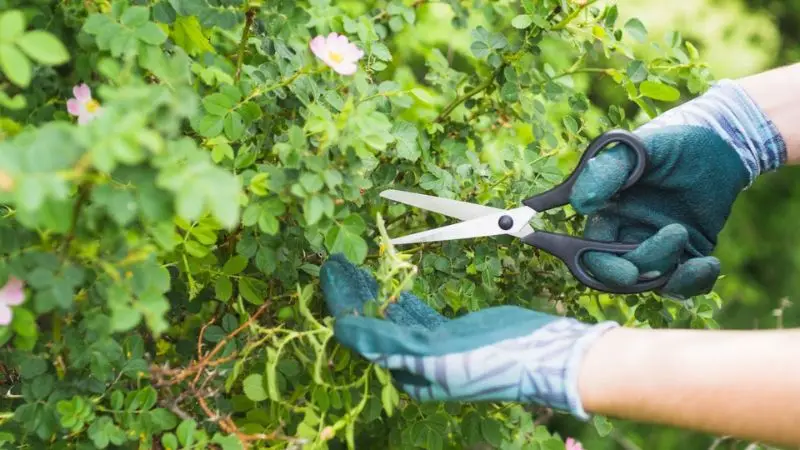
When you are fed up with always having to uproot clover, it is time to work on prevention in the long term. The key to having a clover-free lawn is to establish a thick, healthy turf that grows to suppress weeds. By enhancing the condition of your lawn, you will minimize the possibility of the clover regrowing.
Use Fertiliser to Give Your Lawn Strength
Low nitrogen in your soil is one of the primary reasons why clover will appear. In contrast to grass, clover grows well in the absence of much nitrogen, and therefore it soon dominates in areas where grass fails to survive. Apply a slow-release type that nitrogenates and gives small rations to your lawn.
You will apply it in the spring and the fall in order to provide nutrients to your grass. This results in a thick, beautiful lawn with no room to sustain weeds. It is a wonderful idea to add nutrients if you want to get rid of clover in grass naturally and avoid growth over time.
Mow High and Water Deep
Clover can be prevented by mowing and watering properly. Set your mower blade on a high setting so that the grass will be long and cover the soil to shade it. This prevents the sun’s rays from reaching clover, which makes it difficult to grow. Water your lawn less frequently so that the roots go deeper.
Watering should be done in the early morning. Using a lawn sweeper to clear debris can also help prevent clover by keeping the lawn clean and healthy. These practices contribute to a healthy turf and less weak ground to allow clover to grow. Regular mowing and watering are a must, should you be learning how to get rid of clover in the lawn without killing the grass in the future.
Overseed Bare and Thin Areas
Thin or patchy lawns give clover the perfect chance to spread. To stop that, try overseeding —spreading fresh grass seed over bare spots. Do this in the early fall or spring, and keep the seeds moist until they sprout. New grass fills in gaps and thickens your lawn.
The fuller your lawn becomes, the harder it is for clover to push through. Overseeding is especially helpful after using any treatment or sprayer to remove weeds. It supports recovery and long-term health for your lawn.
Maintain a Clover-Free Yard All Year
Once you’ve cleared your lawn, keeping clover away is all about consistency. Stick to your schedule of fertilizing, mowing, and overseeding. Consider applying a pre-emergent in early spring to prevent new clover seeds from sprouting. Strong, dense turf acts as a natural defense against future weeds.
If you’re serious about learning how to get rid of white clover in the lawn naturally and keeping it gone, a regular care routine is your best friend. Prevention always works best when you start before clover has a chance to grow.
Wrap Up
It will take some time to learn how to get rid of clover in the lawn and keep it out, but it is worth it. The first thing to do is clean up your soil, mow and water properly, and cover some bald spots. Elsewhere, apply safe reinforcement techniques when required, such as manual pull or use of a selective herbicide. To make your lawn last long into the future, fertilise it and keep it on track with care.
You choose whether to use natural methods of killing the clover in the grass or harsher ones; the clear target is to be able to maintain your lawn thick and healthy. A healthy lawn means no place for weeds. And by following the proper strategy, you will have a green, clover-free lawn throughout the year.
FAQ
When do I need to inspect my lawn as regards clover?
During the spring and summer months, you are advised to walk your lawn once every week. You can prevent small patches as they are detected early and pulled. Frequent mowing ensures that your grass is healthy and that controlling clover within your surroundings is a lot easier.
Is it possible to kill clover by using vinegar?
Yes, it is possible to spray the clover with white vinegar. It functions very well when it is bright outside. Take heed, vinegar is also damaging to your grass. The clover patches should be treated with spots and should not be sprayed on a windy day.
Does clover replenish when taken away?
It will be possible to be rid of clovers when you do not resolve soil issues and maintain your lawn thick. Continue to fertilize, mow, and overseed. Timely maintenance is a way of treating clover so as not to sprout again.
Does clover replenish when taken away?
Most pets do not get poisoned by clover. However, some herbicides are harmful. Never allow pets to walk on the lawn before any treatment dries. Look at product labels to find safety tips.
When is the most appropriate time to treat clover?
Treat clover early in the spring or early in the summer. The crops are tender and more desirable to kill. Treatment must not be done in the rain or when the grass is wet. The humid, windy days are not welcome to any given treatment; any dry, calm day is preferable.