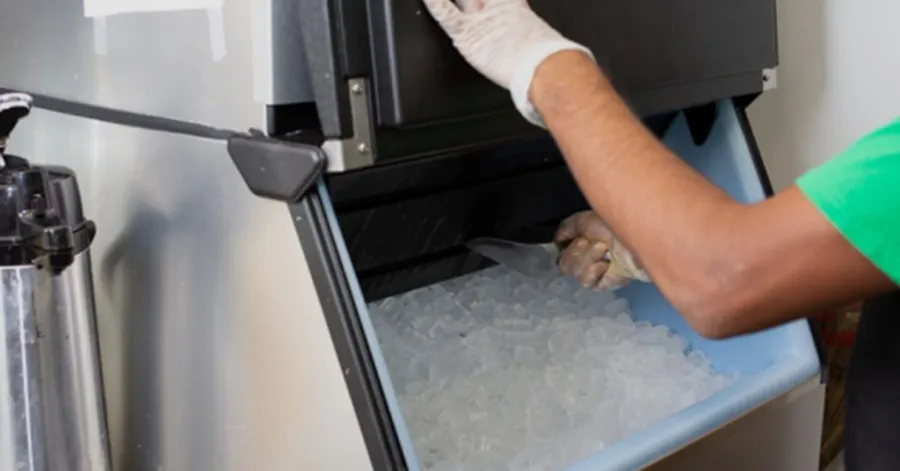
You need your ice machine to perform on a daily basis, but at times, it will not produce ice or begin to spill water. It is so exasperating that one opens the freezer to discover some ice with a weird taste or piles on the floor. There is a silver lining, though: most problems can be resolved in the comfort of the house with a few simple tools and sufficient patience. In case of repair in the ice machine, remember to always start with unplugging. In case of doubt or any threatening situation, call an expert. Following every step will enable you to troubleshoot, clean, and learn how to fix your ice machine to get it to go back to making fresh ice.
Common Ice Machine Problems and What Causes Them
The failure of your ice machine may disrupt your routine. Coming to know why there are such issues will save time and frustration. There are a lot of problems that can be resolved at home, and a lot of them can be resolved without taking the home-based DIY ice machine repair method. Now we are going to discuss the most widespread issues and the way to solve them.
Ice Machine Not Making Ice
When you open your freezer and do not find any ice in it, it can be alarming. Check some things before making a phone call to a professional. Understanding why your ice machine will not make ice can assist you in making a decision as to what should be done.
- The line to the water supply can be blocked/frozen.
- There could have been a possibility of accidentally disabling the ice maker.
- The temperature in the freezer may be excessive to the extent that the ice does not form.
- The water filter might have been deliberately blocked or contaminated.
In some instances, the fault can be treated by a mere check. Ensure the arm in charge of the ice maker is in the on position, as it is prone to bumping off and shutting down production. One of the aspects of this problem is learning how to repair a leaking ice machine or basic blockages.
Ice Tastes Bad or Has Odor
Your beverages should not be chilled, but made with ice. When your ice is strange or smells, there is likely to be something wrong with the quality of water or its cleanliness. This early problem enhances taste and safety.
- Change the filter of the water.
- Wipe the ice bin and all other parts that come in contact with water.
- Make sure that your refrigerator consumes clean, crystal-clear water.
Off flavors can be caused by a dirty ice maker or food in the freezer left over. Understanding why is my ice machine not producing ice or tasting off is essential before trying more complicated repairs. Proper maintenance is part of DIY ice machine repair for the home.
Ice Machine Leaking Water
The presence of water on the floor is a sure indication that something is not right. Not only do the leaks diminish the production of ice, but they are also able to destroy your flooring. Timely action eliminates the larger problem.
- Check the water line to eliminate cracks and looseness of connections.
- Ensure that the ice bin is placed in its right position.
- Inspect the chute to ensure that it is not blocked with ice jams.
Simple adjustments, such as bending an ice bin or tightening a water connection, are usually entailed in learning how to repair a leaking ice machine. Quick intervention will make your ice maker run well.
Ice Machine Makes Small or Hollow Ice
Hollow or small ice cubes might look insignificant, but they melt easily and influence your beverages. This problem can be determined by a number of factors, most of which are readily remediable.
- Water pressure may be too low.
- The valve of the inlet of water could be flawed.
- The fridge temperature cannot be sufficiently low.
Being able to figure out how to fix a broken ice machine that does not turn on or why ice is hollow is going to save you several unnecessary replacements. The step-wise instructions to repair the ice maker will help you cover all the probable causes regularly.
How to Fix an Ice Machine at Home: Step-by-Step Repair Guide
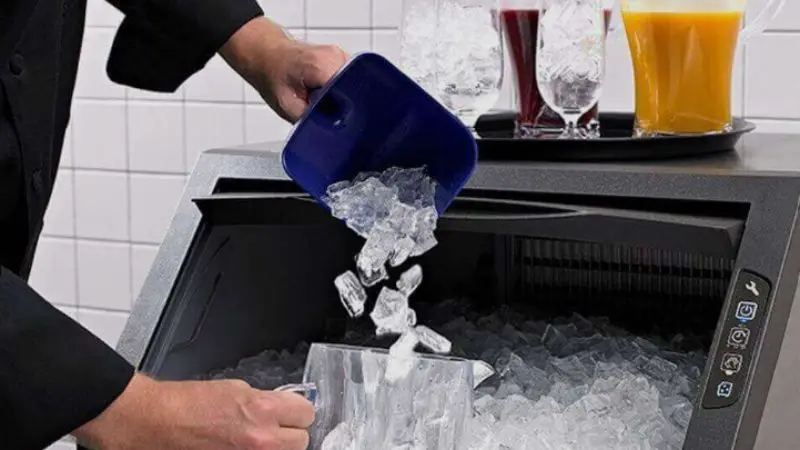
The initial impression of such an activity is that it is quite a complicated process to repair an ice machine at home, yet once you know what to do, you will be able to resolve the vast majority of the problems that may occur. It will be much easier when one knows every step prior to commencing the process. In this part, we are going to go through all the precautionary measures taken, cleaning, changing its parts, and testing your ice maker.
Important Safety Precautions to Follow Before Repairing Your Ice Machine
@sambuzzbeee @Vevor_US #ice #icemaker #howtohookup #howtoconectwaterhose #comercialicemaker #icemachine #icemakingmachine #filterincluded #110v #summerturnup
♬ original sound – Sam buzz bee
You should know why it is important to be safe prior to undertaking any kind of repair. Ice makers mix water and electricity, which is also not very safe when not well taken care of. The first precaution is always to be prepared in case your repair is not an accident. These steps will assist you in working with confidence and learn how to make an ice maker at home.
How to Clean and Sanitize Your Ice Machine for Better Performance
A clean ice maker not only gives a cleaner taste of ice but also is more efficient. Cleaning is a good tip to start off in the repair job. Learning how to take care of your ice machine will assist you in avoiding complications in the future as well as enhancing the quality of ice. Start by removing the ice bin and discarding any ice. Wash the bin with warm, soapy water, and wipe down all surfaces inside the machine. Rinse thoroughly and let everything dry before reassembling. Regular cleaning improves ice quality, ensures smooth operation, and is an important part of DIY ice machine repair for the home.
How to Check and Replace Faulty Parts in Your Ice Maker
In some cases, it requires more than cleaning, and it is in the inner sections of your ice maker. It is easier and quicker to know what parts may fail and what influences the ice production to make the repairs more efficient. Common parts that may need attention include the water inlet valve, water lines, or ice maker arm. Carefully inspect each part for damage, blockages, or freezing. Replace any faulty components using basic tools and follow the manufacturer’s instructions. Understanding how to repair an ice machine that won’t turn on often begins with checking these parts, which can restore ice production without calling a professional.
How to Reset and Test Your Ice Machine After Repairs
Once you have performed maintenance or a change of parts, test your ice machine to ensure that all it has been designed to perform is fine. It is advised to do a proper reset in order to be sure that your machine can start a new ice-making cycle successfully. If ice is being produced normally, your repairs were successful. If not, double-check the water supply, connections, and any replaced components. Following this final step in the step-by-step guide to fix the ice maker ensures your machine is fully operational and helps prevent recurring issues.
How to Keep Your Ice Machine Working Smoothly
The most effective means of ensuring the long life of your ice maker is through regular maintenance, which ensures that the machine does not develop major problems. There are very simple steps that would keep your machine running and ensure that ice production is consistent. Among the practices that we will discuss in this guide are the cleaning schedule, water management, and the time when it is better to call a professional or make ice machine repairs with your hands.
How to Set Up a Regular Cleaning Schedule for Your Ice Machine
It is important to clean your ice maker so that you do not end up having leaks, clogged fixtures, and foul-flavored ice. Create a cleaning process to clean the ice and wash all internal surfaces by wiping monthly. It is recommended that any ice that is present be removed, and the water filter should be checked. Contaminated parts will complicate troubleshooting and lower the quality of ice. What keeps the machine running and the ice fresh is a routine of cleaning. This is a preventive maintenance process that often begins to teach people how to fix a leaking ice machine because most leaks are due to the blockage or dirtiness of the parts.
Why Water Quality and Filtration Are Important for Your Ice Machine
Ice quality and the performance of your ice maker directly depend on the water you use in your ice maker. Impurities, especially hard water, may block tubes and even leak into the long run. These issues can be avoided by using a clean, filtered supply of water and changing the filter every six months. In case of slow ice production, a clogged filter is more likely to be the cause of the problem. Keeping the water clean enables you to avoid the bother of troubleshooting, and your ice will still taste fresh. The reason why the ice machine is not making ice is frequently caused by examining how good the water is and the filtration.
When to Do DIY Repairs and When to Call a Professional
There are a few ice machine issues that can be fixed by a homeowner, but most are issues that need the assistance of a professional. Cleaning and inspecting the water lines and replacement of small parts can be done by yourself. Simple troubleshooting is usually enough to resolve the leaks or the little problems encountered in production. Nevertheless, you should call a professional in case you notice sparks, burning odor, or other issues that cannot be handled with basic equipment and tools. When information is gained on how to distinguish between DIY and professional repairs, you are guaranteed that your machine remains safe and operational. Adherence to these guidelines is necessary in a step-by-step guide to repair the ice machine.
Benefits of Regular Maintenance for Your Ice Machine
Regular servicing aids in avoiding leaks, clogs, and other issues that complicate the troubleshooting process. Washing the ice bin and filtering water will guarantee that the ice will be more tasty and the machine will last longer. Consistency also enables you to detect minor problems at an early stage before they turn into a big problem. Combining both preventive and the once-in-a-while do-it-yourself repairs, you save money and still have your ice maker operating effectively. The easiest method of learning how to troubleshoot ice machine issues is proper maintenance before it interferes with your daily routine.
Wrap Up
Ice maker maintenance does not have to be a complicated process. Most common problems can be avoided by performing routinely cleaning processes, monitoring of water quality, and verification of parts. Simple home ice machine troubleshooting, such as defrosting frozen tubes, changing filters, or changing water lines, can frequently bring your ice machine back online without calling the repair service. On matters that are more complicated, knowing how to fix an ice machine that does not turn on or how to fix a leaking ice machine will help you do things in a safe way. Using this step-by-step method, your ice maker will be able to last many years, producing fresh and clean ice.
FAQ
What could happen to my ice maker? It is not working.
There can be a freezing of your ice maker in case of a loose power cord or a frozen water line. Attempt to disconnect and reconnect it. This is a basic remedy that more than once helps to set the clock going.
What is the frequency of cleaning my ice maker?
You are supposed to clean your ice machine every few months. This is because a cleaning solution will keep the ice fresh, and you will avoid hassles. This is a step that you will need to remember by marking your calendar.
Just because my ice tastes strange? What do I do?
The Ice can be described as bad and therefore requires a cleaning solution. Clean the bin, switch the filter, and wipe the inside part of the ice maker. In case you can still taste what is weird, you can use a vinegar solution just to clean even more.
Is it possible to repair a dripping ice maker?
You can try a quick solution. Look at the water line to check whether it is leaking or kinking. Make sure the bin sits right. Should you find the water on the floor, take immediate action. When the solution fails, then call a pro.
So what do you do when the ice cubes are too small?
High pressure of water can be represented by small cubes. Test the running water and attempt a cleaning agent. You need to reset your ice maker if you do not see a variation. This is the solution that has relieved most of the time.