How to drill into concrete is a question you may ask for your next DIY project. It is important to understand that drilling into concrete can be done safely if you take safety precautions. The first step in drilling into concrete is to choose the right tools. You can drill concrete more easily if you mark your drill points and prepare the work area. By working slowly and using a cool drill bit, you can avoid damaging concrete when drilling into it. You can drill into concrete with the right techniques.
Tip: Always check your safety gear before drilling concrete.
Tools for Drilling Into Concrete
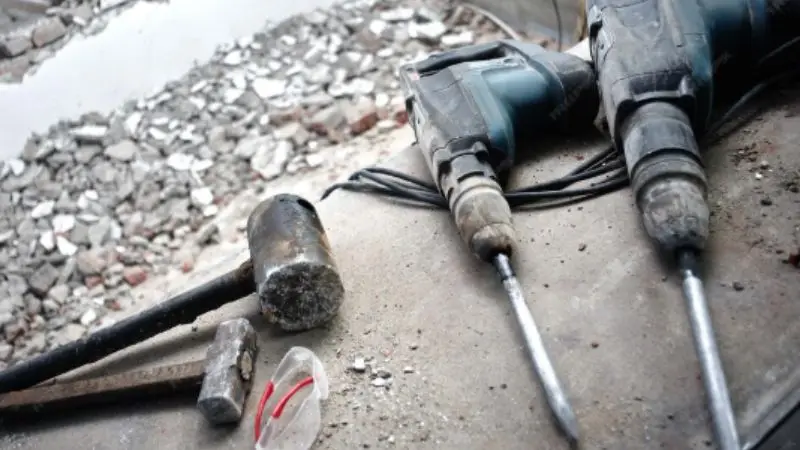
There are different tools that we can use for drilling into concrete, some of which are listed below.
Hammer Drill and Masonry Bits
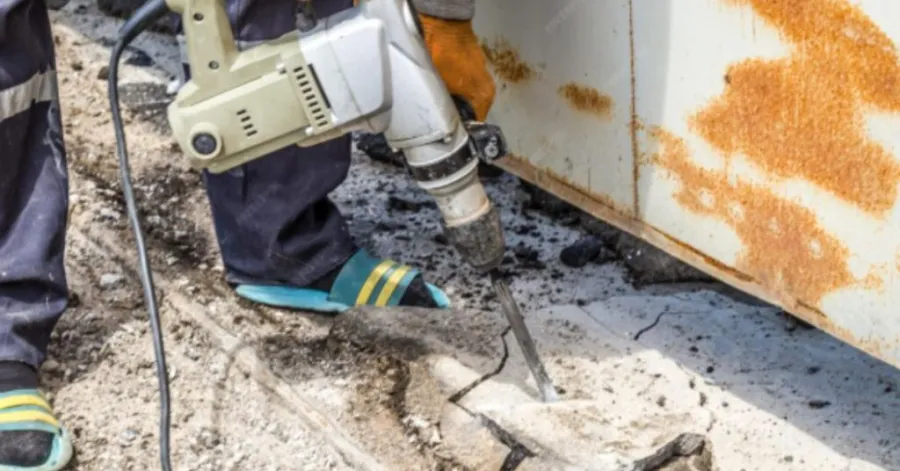
To drill concrete, you need the correct equipment. A hammer drill can be used to penetrate even the toughest surfaces. Use a masonry drill bit for concrete, as it is considered the best drill bit for concrete for most projects. Diamond core drills are ideal for larger holes. Diamond core drilling allows you to create clean openings in pipes or cables. Always check your equipment before you start. Use a concrete wall scan to locate safe drilling points when learning how to drill into concrete walls safely.
Tip: Test your concrete wall scanner before drilling. This will help you to find the best places for drilling and also protect your equipment.
Personal Protective Equipment (PPE)
Wear safety goggles when you are outdoors to protect your eyes against dust and debris. Work gloves protect your hands from vibration and sharp edges. Equipment that is well-maintained keeps you safer and makes you more productive. Wear ear protection when your equipment is loud. Every time you drill concrete, PPE is essential.
| PPE Item | Purpose |
| Safety goggles | Protects eyes from debris |
| Work gloves | Shields hands from vibration |
| Ear protection | Reduces noise exposure |
Choosing the Right Drill Bit
The correct drill bit is important for every project. Masonry bits are suitable for the majority of concrete projects. Diamond core drills work well if you want to drill larger or deeper holes. Match your equipment with the task. Use a concrete wall scanner to locate safe drilling points and check for embedded utilities. This will help you to avoid damaging your equipment and keep it working for longer.
Note: The right equipment will make drilling concrete easier and safer.
Preparation Before You Drill Into Concrete
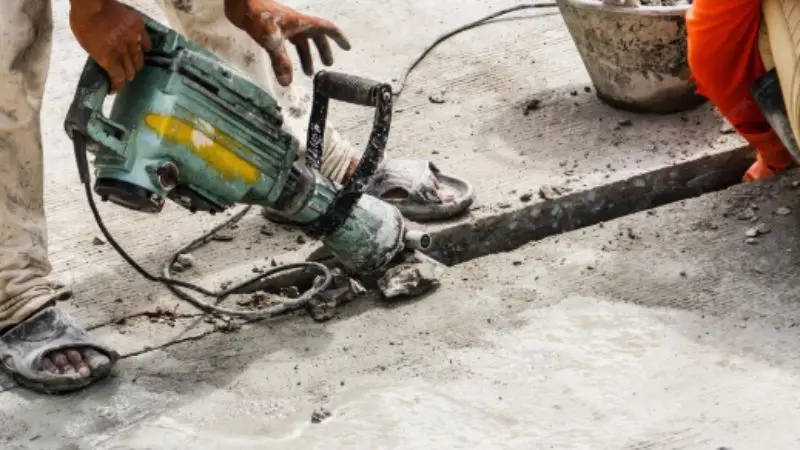
Preparation is Important for a precise and controlled concrete drilling process. Mark drill points accurately, confirm concrete strength, and choose the right equipment in advance to ensure you know how to drill into concrete without cracking it.
Marking Drill Points
Mark your drill points prior to starting. Mark the drill points with a pencil or chalk. This helps you to stay precise and avoid mistakes. Examine the surface carefully. Look for any cracks or weak points. Choose a new spot if you notice damage. This is especially important when planning how to drill into concrete floor surfaces to prevent cracking. Use a tape to ensure your marks are placed correctly. A level helps you keep your holes straight.
Tip: Do not drill without double-checking your marks. This will save you time and eliminate errors.
Setting Up the Work Area
Clear your workspace of all clutter. Cover nearby items and furniture with a dropcloth. It keeps the dust off your items. You need good lighting. It is important to be able to see the marks you have made and the surface of the concrete. Keep your tools close at hand. Put your drill bits and safety equipment on a sturdy table or bench that is sturdy. Check the weather if you are working outside. Drilling on wet surfaces is dangerous and can be difficult.
Checklist for your Work Area
- Remove loose items
- Cover your furniture and floors
- Install good lighting
Preparing the Drill
Before you begin, prepare the drill. Incorporate the appropriate masonry bit in your hammer-drill. The bit will stay in place if you tighten the chuck. Set the drill to hammer mode. You will have the power to pour concrete. Check the battery or cord of your drill. Check that everything is working properly. Wear your safety gloves and goggles before you start the drill.
Note: If you can, always test your drill with a scrap piece. You will feel more confident and ready.
How to Drill Into Concrete: Step-by-Step
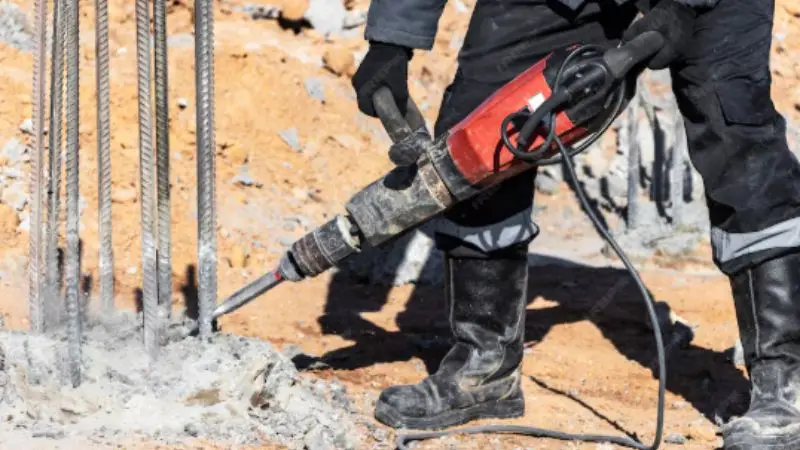
You can drill into concrete if you use a guide that explains each step. Use the correct tools, and be sure to follow each step. This section will teach you how to safely drill into concrete.
Secure the Drill Bit
Before you begin, it is important to secure the drill bit. The masonry bit must be placed into the drill’s chuck. The bit should not move. Test the bit by gently pulling it. Tighten the bit again if it feels loose. Secure bits allow you to drill concrete without the bit slipping.
Tip: Use a masonry tool for concrete. Other bits can break or wear quickly.
Start Drilling Slowly
Start drilling slowly. Hold the with both hands. The tip of the drill bit should be placed on the marked area. Gently press the trigger. Allow the drill to make a small dent in the concrete. You can keep the drill bit under control by doing this. Increase the speed after you have made a small dent. Continue to press the drill forward. Don’t force the drill. Allow the drill to do its job.
How to drill:
- Hold the drill firmly.
- Place the bit onto the mark.
- Slowly press the trigger.
- Make a tiny dent.
- Speed up and increase pressure.
Keep the Bit Cool
Drilling into concrete creates heat. To avoid damaging the drill bit, you must keep it cool. Every 15 to 30 seconds, stop drilling. Remove the bit and allow it to cool. If the bit becomes very hot, you can dip it in water. Cool bits last longer and perform better.
Note: Stop and cool the bit down if you smell or see smoke.
Clean the Hole
You need to clean out the hole after you have finished drilling. The hole can be filled with dust and concrete pieces. Dust can be removed with a compressed air can or a brush. It is important to have a clean hole for anchors and screws. Use a vacuum cleaner to remove the debris.
| Cleaning Tools | Use |
| Brush | Sweeps out dust |
| Compressed air | Blows away debris |
| Vacuum | Removes loose particles |
Insert Anchors or Screws
After cleaning the hole, you can insert screws or anchors. Select the best anchor for your project. The anchor should be pushed into the hole so that it is flush with the surface. To drive the screw in the anchor, use a drill or screwdriver. Anchors are used to hold heavy objects on concrete walls. Screws are good for lighter items.
Tip: Before drilling into concrete, check the size of your screw and anchor. For a good hold, the hole size should match that of the anchor.
Now you know how to drill concrete using a guide. Each step will help you to work safely and achieve good results.
Safety Tips and Mistakes to Avoid
Follow these safety tips, which help to prevent injuries and material damage.
Safely Drill Into Concrete
When drilling concrete, you need to be protected from potential hazards. Wear safety gloves and goggles before starting. Check your drill for loose or damaged parts. Keep your work area clean and dry. You can avoid dangers and hazards by using good lighting. Every time you drill, it is important to follow safety guidelines. Take a break if you are tired. By staying alert and using the right equipment, you can drill safely into concrete.
Tip: Avoid accidents by keeping children and pets out of your workplace.
Common Drilling Mistakes
When drilling concrete walls, many beginners make mistakes. It’s possible to use the wrong drill or not mark your drill points. Some people use the drill too forcefully, which can damage the wall or break the bit. Drilling too quickly can cause heat to build up and damage your tools. Anchors can be made to fit badly if you forget to clean the hole. Before you begin, always check for any hazards. To avoid a crooked hole, you need to mark and measure carefully.
Avoid these common mistakes
- The wrong drill bit
- Safety gear is not mandatory
- Drilling too quickly
- Cleaning the hole
- Ignoring hazards
What to Do If You Hit Rebar
When drilling concrete, you may strike rebar. Rebar is a metal bar that reinforces concrete walls. Stop immediately if you hear or feel the drill stop. Don’t force the drill. You may damage your drill bit or create safety hazards. You can try moving the drill point away a few inches. Use a metal bit if you need to drill through rebar. Before drilling concrete, use a wall scanner to check for any hazards.
| Problem | What to Do |
| Hit rebar | Stop, move drill point |
| Bit stuck | Reverse drill slowly |
| Excess dust | Clean the hole, wear a mask |
Note: Never force your drill into metal. You can damage or injure yourself if you do this.
Troubleshooting Drilling Into Concrete
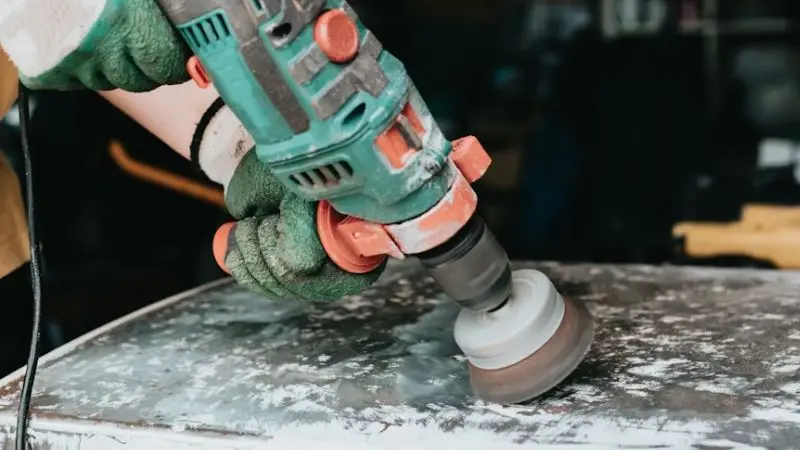
Concrete drilling challenges are common and manageable. Addressing them properly keeps the work efficient and controlled.
Hard or Old Concrete
When you begin your project, you may encounter concrete that is tough. Older concrete can feel harder than newer concrete. This problem can be solved by using a stronger bit. Switch to a diamond or carbide bit if your bit is struggling. These bits are better at cutting through hard surfaces. Check to see if your drill has enough power. Hammer drills are best used for concrete that is stubborn. Stop and clean out the hole if you see dust. It will make your bit run smoothly.
Tip: Change your bit if it stops working. Wearing bits makes you drill slower and harder.
Prevent Overheating
When you drill concrete, heat builds up very quickly. Overheating your bit can shorten its lifespan and damage it. Every minute, you should stop and let your bit cool. If it feels too hot, pull the bit out of the water and dip it. Spray the area with a spray bottle. The temperature will be kept down. Stop immediately if you smell smoke or notice a burning odor. Allow everything to cool down before continuing.
How to prevent overheating
- Take short breaks
- Cool the bit with water
- Look out for burning or smoke
Note: Overheating your tools can cause them to fail. Protect your tools by being alert.
Accurate Hole Placement
It is important to get the hole in the right place for your project. Double-check all your marks before starting. To ensure that your placement is accurate, use a tape measure and a level. Start slowly and hold the drill steady. Stop and reposition your bit if it slips. Use a pilot hole to guide the main bit. You can avoid errors and stay on track by using this method.
| Tool | Purpose |
| Tape measure | Checks distance |
| Level | Keeps holes straight |
| Pencil/chalk | Marks drill points |
Tip: Planning carefully can save time and eliminate errors. Always check your marks before you drill.
Conclusion
Follow these steps to safely drill concrete. Choose the correct tools for your project. Wear safety gear at all times to keep yourself safe. Mark the area you wish to drill prior to starting. Prepare your workspace so that nothing gets in the way. This guide contains safety tips and advice on troubleshooting how to drill into concrete floor surfaces or walls. You will become more confident and better by practicing. You will achieve good results if you plan well and take your time.
FAQ
How do you know if you need a hammer drill for concrete?
You need a hammer drill if you want to drill into concrete. Regular drills do not have enough power. Hammer drills use a pounding action that breaks up tough surfaces.
Can you drill into concrete without making a mess?
You can reduce dust by using a vacuum or a dust shroud. Place a drop cloth under your work area. Clean up with a brush or vacuum after you finish.
What should you do if your drill bit gets stuck?
Stop drilling right away. Set your drill to reverse and gently pull the bit out. Do not force it. If it stays stuck, wiggle the bit slowly until it loosens.
How deep can you drill into concrete?
Most home projects need holes 1 to 2 inches deep. You can drill deeper with the right bit and drill. Always check your drill’s manual for maximum depth.