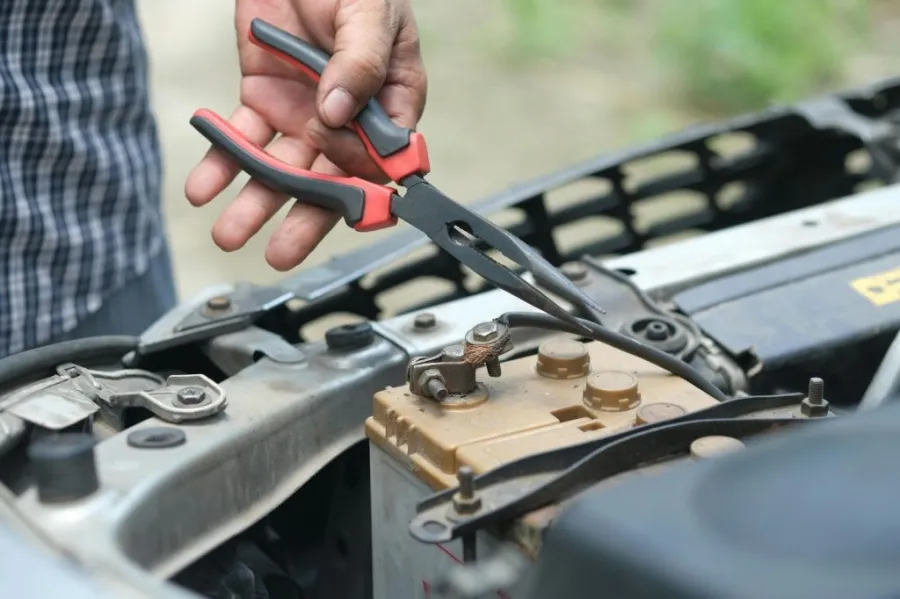
If you are in the process of doing some home improvement work, you must have come across wires and other electrical components. Whether you are installing car accessories or working on a DIY project, proper crimping is necessary to make your work safe.
Crimping requires precision and a strong electrical connection that resists vibration, corrosion, and accidental pull-out. Anyone can master this skill with proper skills and the right crimping tools. This is very important when you are learning how to crimp wires in power-related setups.
This guide will walk you through everything about learning to crimp wires. Let’s start!
Types of Wire Crimps and Connectors
Along with crimping correctly, choosing the right connector is also important. Each type has a different purpose in variable environments. Often, people struggle to connect battery terminals because they selected the wrong connector.
Butt connectors
These types of connectors join two wires end-to-end and are commonly used for repairs where a wire is being damaged or cut.
Butt connectors are popularly used in automotive wiring, and when learning how to connect new battery terminals securely without soldering.
Ring terminals
Ring terminals have circular ends that fit over a stud or bolt and provide a secure connection. They are ideal for battery posts. If you come across power connections, ring terminals are the safest choice when finding out how to crimp wire in the right way.
Spade terminals
These types of terminals slide onto a flat metal tab, and they are easy to connect and disconnect. It makes them useful for components that need servicing.
They are less common for batteries, but relevant in wiring tasks related to how to crimp wire with pliers in automobiles.
Quick-disconnect terminals
These terminals can work without tools with a fast connection. They are found in male and female pairs. They should be used precisely in high-current settings, especially when learning how to crimp 2 wires together.
Heat-shrink connectors
These types of connectors include insulation that shrinks when heated. It seals the connection from moisture and is excellent for outdoor use. They are highly recommended when learning how to crimp wire in harsh areas.
How to Crimp Wire Step by Step
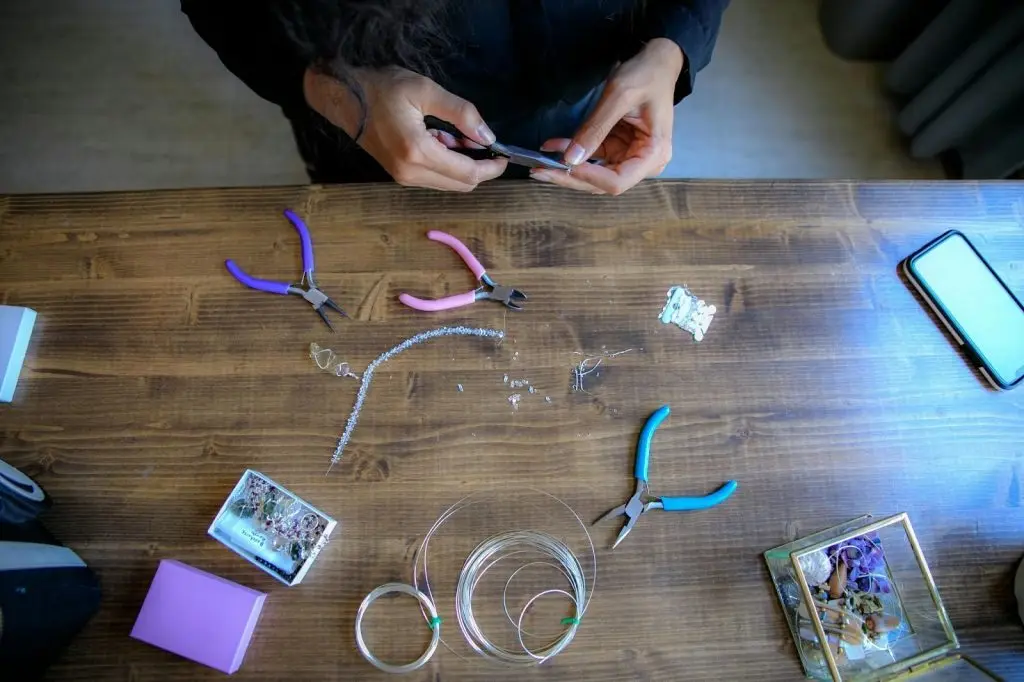
Proper crimping is a process in which each step is crucial for safe electric connections. These steps are important when you are doing simple wiring or learning how to crimp wire for the first time.
Strip the wire insulation
With the help of a wire stripper, remove insulation from the wire end. Strip a little to expose the metal conductor and make sure it is not too exposed because too much exposed wire can cause shorts. These problems are common in battery connections, where knowing how to crimp wire safely means a lot.
Choose the correct connector size
Colour-coded or labelled based connectors are present on wire gauges. You should always match the connector to the wire size because incorrect sizing is a common mistake when people learn how to crimp wire without proper knowledge.
Insert the wire properly
Place the stripped wire fully into the connector until the metal strands reach the end. The crimp may fail if the wire is not seated carefully, and it can be dangerous in setups involving how to crimp wire.
Position the connector in the crimping tool
The next step is to position the connector into the correct slot on your crimping tool. Make sure it aligns with the crimping jaws, as proper alignment gives even pressure. This is very crucial in learning how to crimp wire securely.
Apply firm, even pressure
After this step, squeeze the crimping tool firmly until the crimping is done. Do not release too early. A secure crimp allows stable current flow, especially for anyone practising how to crimp wire in vehicles.
Test the connection
After all the steps, gently pull the wire to check if the connection is secure. The wire should not vibrate or move.
Testing is very important whenever you deal with how to crimp wire or other power tools.
Common Wire Crimping Mistakes to Avoid
There are some common mistakes that most beginners make. You should avoid these:
- Using pliers instead of a proper crimping tool weakens connections meant for learning how to crimp wire.
- Over-stripping insulation is another mistake. Exposed wires are dangerous and can cause short circuits.
- Use of the wrong connector type is also a common error. Each connector is meant for different current tasks.
- Rushing the work is another mistake. People often skip the safety test that ensures reliability.
FAQs
Is it possible to crimp wires?
Yes, crimping wire is possible and widely used in electrical and automotive work. With proper knowledge and practice, anyone can handle tasks involving how to crimp wires together.
Can you crimp wires without a crimper?
Yes, we can do it, but it is not recommended. The result may be weak connections, which is also critical for safety. Therefore, proper crimping is essential for tasks such as how to crimp wire.
Which crimping tool is best for beginners?
For beginners, a ratcheting crimping tool is ideal. It gives even pressure and prevents under-crimping. This quality makes it give professional results when learning how to crimp wire ends around the house.
Conclusion
Crimping is a basic skill to learn when doing DIY or repair projects. With proper knowledge and the right tools, even complex tasks become easier. Understanding crimping also builds confidence when performing electrical tasks, especially those with batteries and power deliveries.
This guide will teach you effectively how to crimp wire step by step. Use these tips and avoid common mistakes for professional results. Use the correct tools and test the work before using it. With practise, you will learn all the steps easily like an expert.