
When your floor jack becomes weak, spongy or does not lift as it used to, it is time to bleed the jack. Trapped air in the hydraulic system may lead down to performance and even safety problems over time.
Before you try to drain a jack successfully, it is recommended to invest in a high quality floor jack. Once you have that, this guide will help you know how to bleed a floor jack correctly in 2025 in 5 easy steps, using the correct tools and profes sional maintenance tricks.
What does bleeding a jack mean?
This might sound complicated. But bleeding a jack is simply removing air from the hydraulic system so your jack works safely and lifts properly. You operate a release valve to circulate the hydraulic fluid and carry air bubbles back to the reservoir, where it can be released.
How to bleed a floor jack
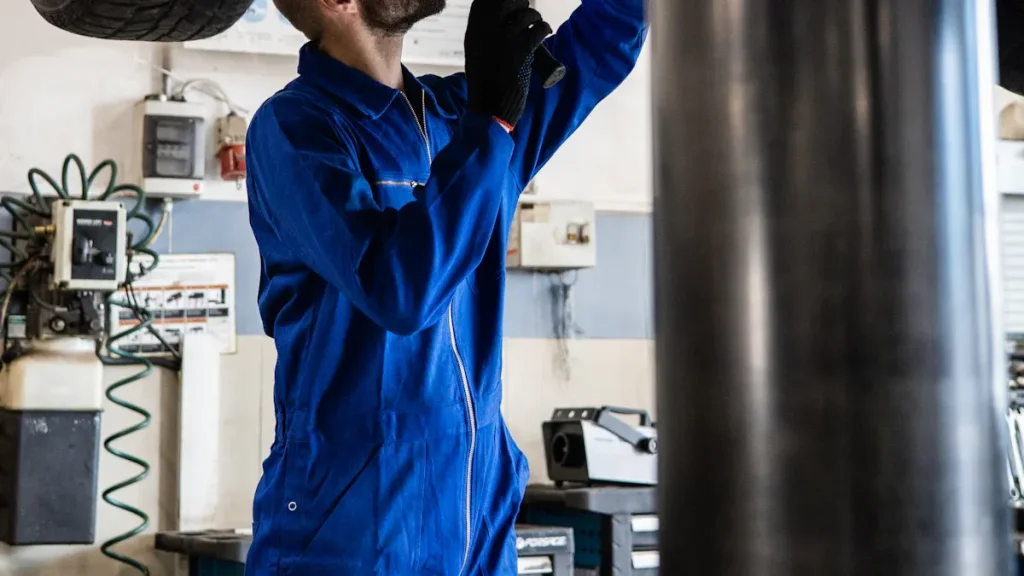
Safety First
Work safely before you start. Like a poor lifting process, you do not want uneven lifting, less lifting power, or a spongy feel. These problems occur when air is trapped in your jack. It is best to always park on a flat surface. Add a jack to add support.
Wear gloves on your hands, goggles on your eyes, and a mask if you work in a dusty area. Protective equipment will ensure you are not caught up in oil spills and flying debris.
While you’re bleeding a hydraulic floor jack, there could be many accidents, such as:
- Lifting imbalance may complicate the installation of jack stands.
- A smaller lifting power force may cause your jack to be unable to support the weight.
- A spongy type of feel makes the jack difficult to control.
Tools Needed
You need a few basic tools to get started. Gather everything before you begin. This makes the process smoother and safer.
Essential tools for bleeding a hydraulic floor jack:
- Rags for cleaning up spills.
- Screwdrivers to open the bleed valve.
- Suitable jack oil for refilling.
- Wrench for tightening parts.
You also need personal protective equipment:
- Gloves
- Goggles
- Mask
Bleeding Steps
Let’s walk through how to bleed a floor jack step by step. This process helps remove air and keeps your jack working strong.
- Prepare your workspace. Park on a level surface. Set jack stands under the car. Put on your gloves, goggles, and mask.
- Locate the bleed valve. Look near the rear caster wheel. Use a flat-head screwdriver to open and close the valve.
- Check the hydraulic fluid level. Open the filler plug. If the fluid is low, add jack oil. Low fluid lets air enter the system, so always check before you bleed.
- Release the jack and air. Lower the jack fully. Open the bleed valve slowly. You may hear air escaping. Pump the handle a few times to help push out trapped air.
- Tighten the bleed valve. Once air stops coming out, close the valve tightly. Wipe up any spilled oil with a rag.
- Test the jack. Pump the handle and lift the jack. If it feels strong and smooth, you did it right. If it still feels spongy, repeat the process.
Check Fluid Level
After you finish bleeding, you need to check the fluid level again. This step makes sure your jack has enough oil and no air remains inside.
Recommended procedure for checking fluid levels:
- Pump the jack as far as it will go, even if it doesn’t reach full height.
- Lower the lift by opening the bleed-back valve.
- Open the filler hole to let any trapped air escape.
- If needed, prop the jack against a wall with the piston pointing down. Open the release valve a little to let gravity help remove air.
Hydraulic oil types for floor jack maintenance:
| Hydraulic Oil Type | Description |
| ISO 32 | Best for most portable jacks; fast-flowing and performs well in cold conditions. |
| ISO 46 | Designed for warmer climates and heavier-duty jacks; thicker profile holds up under heat. |
| ATF (Dexron/Mercon) | For emergencies only; may swell seals over time. |
| Motor Oil (5W-30) | Never use; too thick, foams easily, and can damage seals quickly. |
Always use the right oil for your jack. Using the wrong oil can cause jackhammer troubleshooting problems or damage seals.
If you notice your floor jack feels weak or spongy, or if it won’t lift properly, you may need to repeat the bleeding floor jack process. Air can get trapped if fluid levels drop or if you use your jack often.
Now you know how to bleed a floor jack the right way. Follow these steps and your jack will stay safe and strong.
Troubleshooting and Maintenance
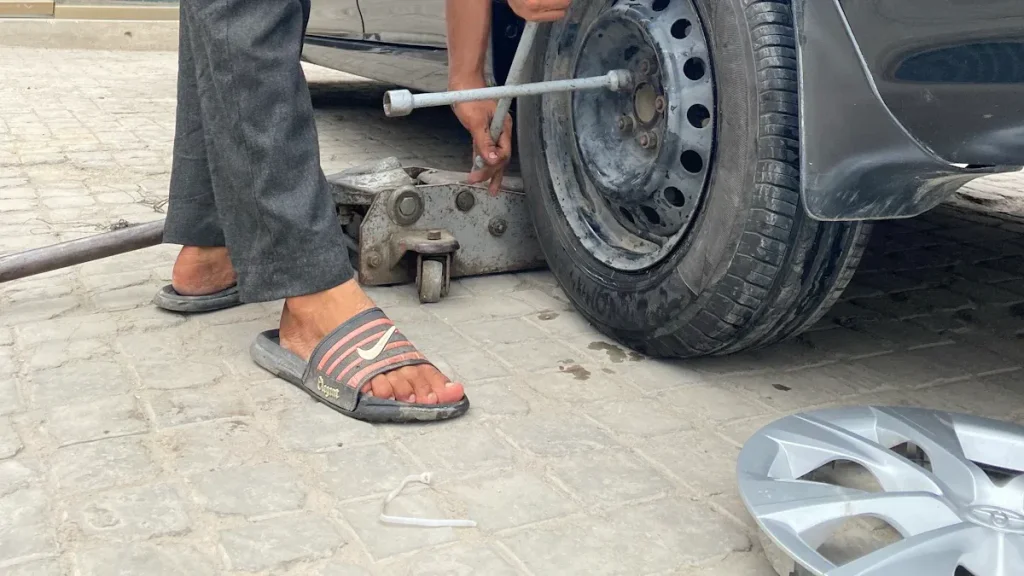
Signs Bleeding Is Needed
You may find that your floor jack is acting funny. Observe a milky or frothy hydraulic oil. This implies the oil contains air or water. Your jack may not extend all the way or be moving very slowly; in this case, you may have air in the system.
In some cases, the handle is kicking back or is hard. Here is another indication that you should bleed the jack. When the ram is not responding, then check the fluid level.
When the jack is continued to be used, it will damage when the fluid is low. These are the signs that you should look at and then revise the way you bleed a floor jack.
Common Mistakes
Many people make the same mistakes when working on their floor jack. They forget to check for oil leaks or ignore foaming oil. Some use the wrong oil or skip bleeding after changing the fluid. These mistakes can cause problems like slow lifting or oil leaks. Here is a quick table to help you spot common issues:
| Issue | Description |
| Oil Leaks | Check the bleeder valve and filler cap for leaks. |
| Foaming Oil | Check fluid levels and vent the system to stop foaming. |
| Slow Release/Extension | Low fluid, dirty oil, or cold weather can slow down your jack. |
Maintenance Tips
You want your floor jack to wear. Periodic leak checks and filling up fluids can be of assistance. Replace the hydraulic fluid on a 6 to 12-month schedule.
Wash your jacket and keep it in a dry place. Having changed the oil, it is always necessary to bleed the system. Insert anti-foaming jack oil to exclude the air. Wipe and repeat the bleeding until no longer seeing bubbles. A sound Jack is maintained well.
FAQ
On how many occasions do you bleed a floor jack?
You should bleed your floor jack once a year or when you notice weak lifting, spongy movement, and air bubbles in the hydraulic oil.
What does a bleeding jack mean?
To bleed a jack is to get out all the air that is in the hydraulic system. This maintains your jack firm, sound, and running well each time you take it out.
Why does my jack bleed spongy?
There may be air left in. Redo the how to bleed a floor jack steps. When it remains spongy, make sure it is leak-free or perform a little jackhammer troubleshooting.
Conclusion
Maintenance and the right tools are all you need to keep your floor jack in its optimal condition. VEVOR offers not only hydraulic oils but also repair kits that will make you a professional in servicing your garage equipment.
From repairing a jack to renovating your workshop or undertaking more demanding repairs, high-quality, low-priced tools by VEVOR will make any task easier and safer.