Keeping your meat slicer clean is essential for safety and performance. Many people ask, How often should a meat slicer be cleaned? The FDA and most manufacturers recommend cleaning and sanitizing your slicer every four hours during continuous use, after switching products, and at the end of each day.
Regular cleaning stops germs and bacteria from spreading, lowering the risk of foodborne illness. Neglecting this can cause buildup and affect slicer performance. Maintaining a clean slicer keeps your equipment efficient, your food safe, and ensures healthier, better-tasting meals every time.
How Often You Should Clean a Meat Slicer
It is crucial to keep a meat slicer clean for food safety and the longevity of the equipment. Unclean slicers may harbor bacteria, which transfer to the food you serve and cause the customer harm. Getting to know when and how often to clean a meat slicer will help make sure that your kitchen is safe, compliant, and effective. You operate in a deli or an extremely hectic restaurant; doing the right cleaning regimen is not a choice, but a necessity for all operations.
Cleaning Every Four Hours
Bacteria may develop rapidly on meat slicers and surfaces when the latter are under regular usage. That is why the FDA Food Code writes about cleaning and sanitization at least every four shifts in cases of continuous work. Trying to find the answer to a question like how frequently a meat slicer should be washed when you are using it, one thing is obvious: it is four hours.
Sticking with this schedule keeps not only your customers safe, but also your kitchen and your equipment properly functional. It makes this a regular exercise to avoid any bacterial growth and maintain uniform food safety standards.
Cleaning After Switching Products
Cross-contamination can happen when a slicer moves from one product to another. For example, slicing turkey and then switching to cheese without cleaning the slicer can spread germs and allergens. This is why manufacturers emphasize the importance of cleaning when changing products.
Many people wonder how often should a meat slicer be cleaned in a deli or other food service settings, and switching products is a key moment. By thoroughly cleaning the slicer between foods, you prevent contamination, maintain hygiene, and follow both FDA and manufacturer guidelines.
Cleaning After Each Use
Every time you use a meat slicer, tiny food particles and juices cling to the blade and other components. Even a small amount of leftover residue can become a breeding ground for bacteria. If you’re thinking about what happens if you don’t clean a meat slicer regularly, this is a major concern.
Failing to clean after each use can lead to contamination, unpleasant odors, and even damage to your slicer over time. To stay safe and compliant, make it a habit to clean the slicer thoroughly after every use. Doing so protects your customers, keeps your equipment in top condition, and ensures your kitchen runs smoothly.
Meeting Safety Standards
What is the frequency of cleaning a meat slicer in a restaurant or deli? The response contains three key points: cleaning every four hours when using continuously, cleaning after implementing products, and cleaning after each utilization. These measures are recommended by both the FDA Food Code and the manufacturer’s instructions.
Cleaning routinely will inhibit the growth of bacteria, cross-contamination, and the spread of infection. When you remain consistent in cleaning, not only are you keeping your customers safe, but you are also keeping hygiene levels high, and your slicer will have a longer life. A clean slicer is more than safe—it will also help you keep your business running smoothly.
Why You Must Clean a Meat Slicer
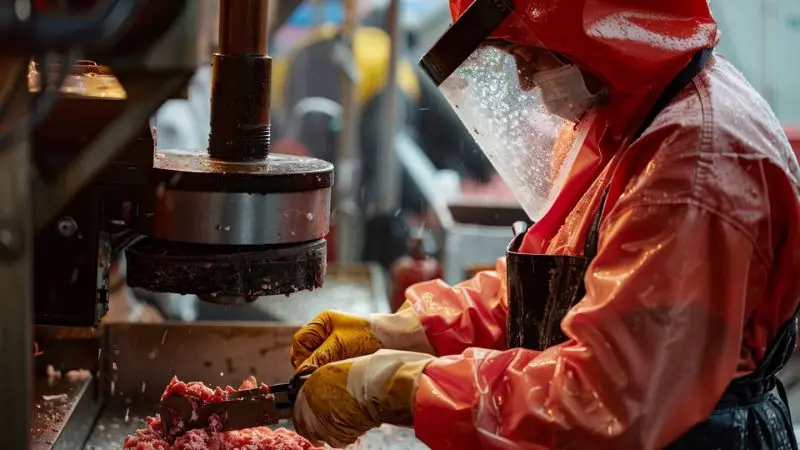
Having a clean meat slicer is not simply a matter of appearance; it means food safety. A sturdy slicer can easily turn into a habitual place of bacteria, cross-contamination, and other dangers. Knowing why it works to keep the kitchen clean will help keep the kitchen clean and your customers safe.
Preventing Bacteria
Blades and surfaces may contain harmful bacteria in case of remaining traces of food. The presence of even a little leftover food is capable of multiplying the number of harmful microbes, which can threaten to cause illness. The cleaning should be done frequently in order to prevent further growth. If you’ve ever wondered what happens if you don’t clean a meat slicer regularly, bacterial contamination is the main risk. Cleaning your slicer consistently:
- Removes leftover food particles that harbor bacteria.
- Protects customers and staff from foodborne illnesses.
- Keeps your kitchen hygienic and equipment safe for use.
Avoiding Cross-Contamination
Cross-contamination happens when germs from one food transfer to another. This can lead to allergic reactions or sickness if the slicer is not cleaned properly. To prevent this, always clean your slicer between different foods. Key moments to clean include:
- After slicing raw meat.
- Before slicing cheese or cooked foods.
- Between foods containing allergens.
Following these steps answers the common question of how often should you clean a meat slicer in a deli and ensures your kitchen is safe for everyone.
Meeting Regulations
Cleaning your meat slicer isn’t just good practice—it’s required by law. The FDA and slicer manufacturers set strict rules to maintain food safety. Failing to follow these rules can result in fines or even loss of your license. Regular cleaning shows your commitment to hygiene and helps your business run smoothly. Knowing how often should you clean a meat slicer in a restaurant ensures you comply with regulations and protect both customers and your establishment.
How to Clean a Meat Slicer: Easy Steps

Proper cleaning ensures your slicer stays safe, hygienic, and in good working order. Whether you’re in a deli or restaurant, following daily, weekly, and situational cleaning routines helps prevent bacteria, cross-contamination, and equipment damage. Knowing how often should a meat slicer be cleaned during operation and after use keeps your kitchen compliant and your customers safe.
Daily Cleaning Steps
To keep your slicer safe, it is always important to clean your slicer daily. Turn the slicer off as a precaution. Clean food debris on the blade, food tray, and surfaces. Wipe all the parts with hot water and mild detergent, and clean them properly with clean water. Clean all parts using a clean towel and then assemble.
Lastly, clean the slicer using a food-safe solution and leave it to dry. This regularity helps you remove the amount of bacteria formed, keeps your slicer clean, and also ensures you adhere to the safety measures. Every day washing clarifies the question of how many times a housekeeper should clean a deli meat slicer and guards personnel and consumers.
How to Deep Clean a Meat Slicer?
Deep cleaning goes beyond daily maintenance and should be done at least once a week or after heavy use. Disassemble the slicer completely, removing the blade, guard, and food tray. Soak removable parts in hot, soapy water, then scrub thoroughly with a brush, paying special attention to hidden crevices where food can accumulate.
Rinse all parts and dry completely before reassembling the slicer. Deep cleaning removes stubborn residue, prevents long-term buildup, and keeps your equipment in top condition. Regular deep cleaning also ensures you comply with regulations and answers the common question of how often should a meat slicer be cleaned in a restaurant.
Cleaning After Contamination
In some cases, contamination is unexpected. You must immediately clean your slicer in case you suspect that it was in contact with raw meat, allergens, or any other potentially harmful foods. Assemble the slicer in parts and rinse in hot water and soap, and sanitize the surface wipe using a food-safe solution.
Air-dry the slicer and use it once more. This is done to prevent and safeguard your customers by acting promptly before the spread of the germs. Learning what can go wrong when you fail to clean a meat slicer on a regular basis makes it clear why this is a necessary task, as it keeps your food as well as your business safe.
How Often Should You Clean for Maintenance
Regular maintenance keeps your meat slicer safe, efficient, and long-lasting. Cleaning isn’t just about hygiene—it also prevents equipment damage, reduces repair costs, and ensures your slicer operates smoothly. Understanding how often should a meat slicer be cleaned during operation and for maintenance helps you create a consistent routine that benefits both staff and customers.
Scheduled Maintenance
Setting a cleaning schedule is key to maintaining a safe and functional slicer. Scheduled maintenance allows you to catch small issues before they become costly problems. Keep a record of your cleaning times on a chart or calendar to track daily, weekly, and monthly tasks. Regularly following this schedule ensures your slicer stays in top condition and your kitchen remains compliant with safety standards. A proper cleaning schedule also answers the common question of how often should you clean a meat slicer in a restaurant. Examples of routine tasks include:
- Wiping down the slicer after each use.
- Performing deep cleaning weekly.
- Inspecting parts monthly for wear or damage.
Inspecting Parts
The inspection should be done regularly to identify issues in time. Inspect the blade and guard, and food tray for rust, cracks, or a dull edge, and replace them too. Check loose screws, accumulation in occupiable places, and make sure all guards are effective.
By not completing inspections, you increase the possibility of accidents and equipment malfunctions, and thus show the consequences of not maintaining a regular cleaning of a meat slicer. You will keep your slicer safe, efficient, and working at any time by cleaning it frequently.
Staff Training
Effectively, staff training makes everyone adhere to appropriate cleaning and maintenance procedures. Train your staff on how to assemble, disassemble, clean, and sanitize the slicer properly. Train them on how to identify problems when checking and upholding safety measures. Combine training with written instructions, videos, and practical lessons.
With highly trained employees, accidents can be avoided, equipment can be kept in a long-lasting condition, and hygiene can be well-observed. How often should you wash a meat slicer in a deli? This is also answered by regularly reviewing cleaning procedures and making sure that the entire team agrees on the regularity of cleaning.
Wrap Up
Keeping a meat slicer clean is essential for food safety, equipment longevity, and smooth kitchen operations. Regular cleaning—every four hours during use, after switching products, and after each use—prevents bacteria, cross-contamination, and equipment damage. Deep cleaning, scheduled maintenance, inspections, and proper staff training ensure your slicer stays safe and reliable.
Understanding how often should a meat slicer be cleaned in a deli or restaurant helps you follow regulations and protect your customers. By following these routines consistently, you maintain hygiene, reduce risks, and keep your kitchen running efficiently. A clean slicer is a safe slicer.
FAQ
How can you tell whether you need to clean up your meat slicer?
You need to look after food accumulation or sticky elements, or the shutting blade. Clean your slicer immediately if something is wrong and you start to see or smell it. Gradual inspections prevent your slicer from being unsafe. Check your slicer prior to and following use.
Would bleach be used to clean a meat slicer?
As a post-cleaning sanitizer, you can dab a diluted bleach solution. Be sure you wipe them dry by pouring water and letting them dry in the air. At no time can you apply full bleach in order to ruin your slicer.
What will happen if you fail to wash your meat slicer frequently?
Bacteria and food particles can accumulate if you do not clean. This may predispose food to sickness and may even destroy your slicer. You also end up losing health examinations.
Clean in frequent intervals to ensure that your kitchen is safe.
Do you have to disassemble the slicer when you clean it?
You are to disassemble your slicer to deeply clean it when it is heavily used. To clean fast, wipe and clean up surfaces, and clear off loose parts. Always use your slicer manual to get the best results.
What is the time taken to clean a meat slicer?
Average cleaning times are between 10 and 15 minutes daily. Deep cleaning can be more time-consuming, taking around 30 minutes. You have to leave it long enough so that you are not in a hurry to skip some crucial steps. A clean slicer is better and durable.