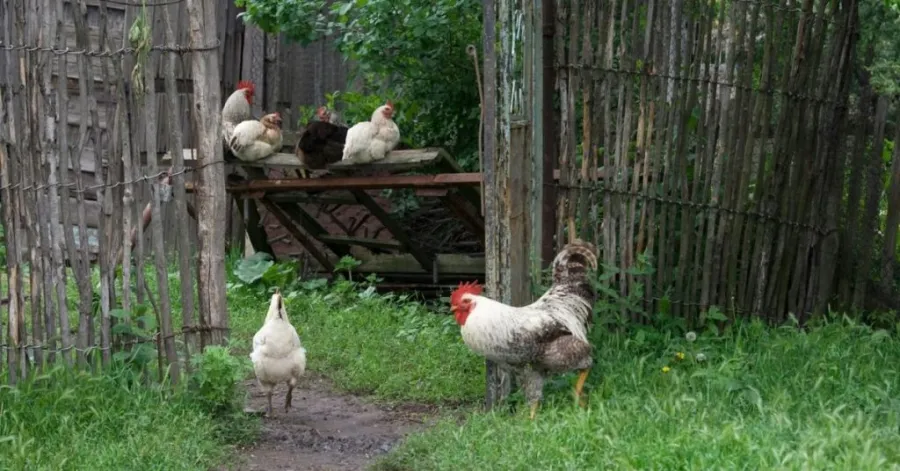
How many square feet per chicken in a coop? As a general rule, provide at least 4 square feet per chicken in the coop. This is a minimum for larger breeds or chicks, but less for smaller bantam chickens. Adequate space ensures good health, prevents stress and pecking order issues. Consider outdoor runs for more room and exercise. Knowing how much indoor and outdoor space is needed will help you provide a safe home. This article will help you to understand, through examples and tables, how to plan your chicken coop.
- How Many Square Feet Per Chicken in a Coop? (Quick Answer)
- Recommended Coop Space by Chicken Type
- How Many Chickens Can Live in a Coop?
- Indoor vs Outdoor Space Requirements Explained
- Factors That Influence Space Requirements
- Signs Your Chickens Don’t Have Enough Space
- How to Make the Best of a Small Chicken Coop
How Many Square Feet Per Chicken in a Coop? (Quick Answer)
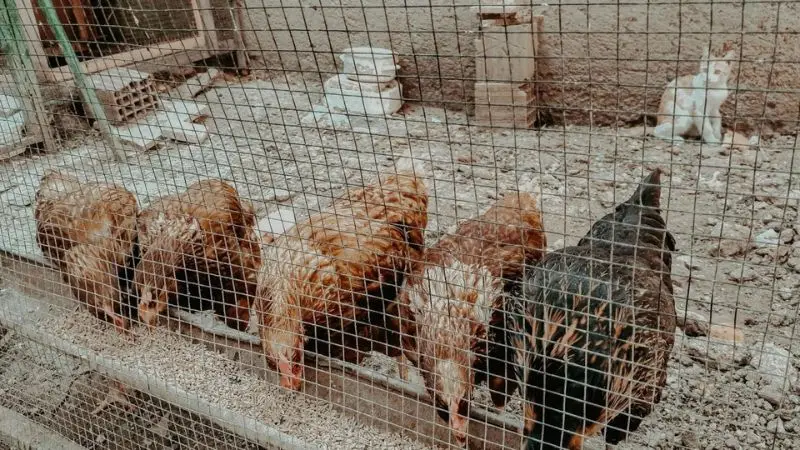
As you begin to plan your chicken coop, you may wonder, just how many square feet per chicken in a coop do I need? Well, it all comes down to where your flock spends most of their time.
Knowing the ideal space to start with will prevent overcrowding, which can stress your hens and reduce their productivity. Let’s look at how to make the best decision for your flock.
Standard Space Requirements (Indoor Coop)
In the coop, you need to provide enough space for each chicken to live, sleep, and roam around comfortably. For common backyard chickens, it is recommended to have at least 4 square feet per chicken. This is commonly known as the square feet per chicken for healthy chickens, particularly small flocks.
For small flocks, consider giving four chickens around 4×4 feet of space. This is also a good way to plan the size of the coop for 5 chickens. This also helps with air circulation, stress, and comfort.
Here are some approximate sizes:
- 2 chickens → 8 sq ft
- 4 chickens → 16 sq ft
- 6 chickens → 24 sq ft
- 8 chickens → 32 sq ft
This design helps you decide how big your coop needs to be and keep your chickens happy.
@frankbrooks8 This @Vevor Store US chicken coop and run was perfect for what we needed and so easy to assemble! #chickencoop #coop #vevor #chickensoftiktok #tiktokshopfalldealsforyou
♬ original sound – FrankzFindz 🗝️
Space Requirements for Outdoor Runs
If your chickens free range, you also have to consider the coop’s run. It’s recommended to have 8-10 square feet of space per chicken outside. That allows them to roam around, peck at the ground, and do what chickens do. This is also thought to be the best chicken space per bird in backyard coops when added to their indoor living space.
If you are wondering how to calculate chicken coop space, please add indoor and outdoor space per chicken. For instance, chickens may need 4 square feet per chicken indoors and 10 outdoors. This ensures chickens are kept active, boredom is limited, and leads to healthier chickens.
Space for Free-Range vs Caged Chickens
Free-range chickens generally have more room, so there are no hard and fast rules. If you allow them to roam, try to give at least 10 square feet per chicken in your yard. But they still need a good coop for protection and sleep.
Confined chickens depend fully on the space you provide. So, it is important to follow the spacing for chickens in a coop. Following the square feet per chicken in a coop rules prevents stress and increases productivity and longevity.
Recommended Coop Space by Chicken Type
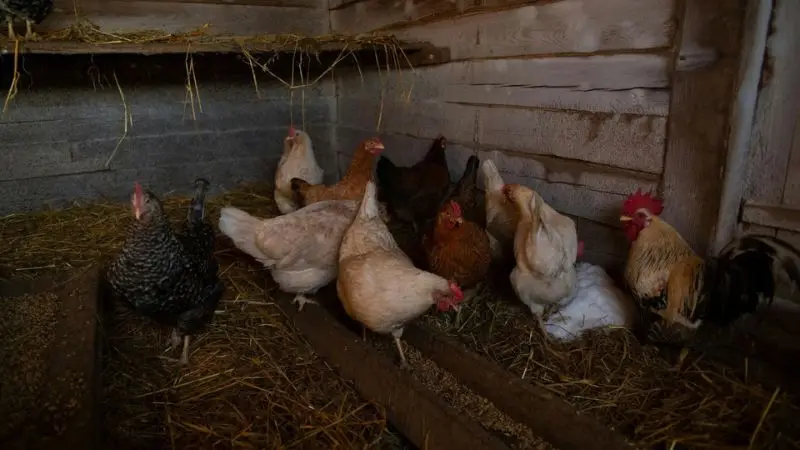
Different chickens require varying space requirements to thrive. The size and behavior of the chickens will determine how much space they need. Once you know these differences, you can design your chicken coop and use the ” how to calculate chicken coop space to determine the right size for your birds.
Space for Standard/Large Breeds
Large breeds of chickens (such as Rhode Island Reds and Orpingtons) need more space. They are lively and need space to roam, so this is important. It’s best to provide at least 4 square feet per bird in the coop, but 5 is ideal. This is the square feet per chicken for healthy chickens and avoids stress.
- Minimum indoor space: 4 sq ft per bird
- Ideal space: 4-5 sq ft per bird
- Less stress, more air circulation
This also helps chickens in a coop have the right space to reduce stress and promote productivity.
Space for Bantam Chickens
Bantams are a delicate chicken breed, hence it requires less space. Bantams can be put in small coops and small yards. But even then, when they are small, they are still active and like to roam, thus you also must think about their needs.
- Coop space: 2-3 sq ft per bird
- Run: 5-6 sq ft per bird
- Additional roosting space keeps them active
This combination gives the optimal space per chicken in a backyard coop for smaller chickens while keeping them happy and healthy.
Space for Broilers vs Layers
The behavior and the growth of broilers and layers vary. Broilers are less movable, layers are more movable, and require more space.
This assists in calculating the amount of space per square foot of the coop required by each chicken, depending on the kind of chicken.
- Broilers: 2 sq ft (less active)
- Layers: 4 sq ft (more active)
- Larger space for layers helps lay eggs
This also helps you decide how many chickens can be in a coop of 5 or more.
How Many Chickens Can Live in a Coop?
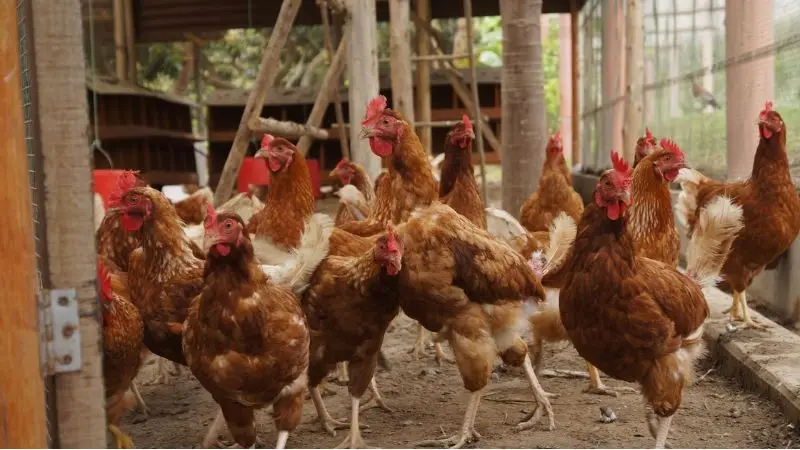
You may be wondering how many chickens to keep in your chicken coop. It’s not as complicated as you might think. It all starts with knowing how big your chicken coop is and how much space you allow per chicken. I’ll show you how, so you can be confident in your planning, using how to calculate chicken coop space.
Simple Formula to Calculate Coop Capacity
There is a formula for how many chickens to keep in your coop. The proposed approach can be modified to most backyard coops, and is safe. To find this, all one has to do is add up the total square feet of the coop and then divide it by the square feet per chicken. This will provide the amount of square feet per chicken that is required.
- Number of Chickens = Total Coop Square Feet ÷ Space Per Chicken
- Standard size chickens: 4 sq ft per chicken
- Bantams: need less space
- Large breeds: may need more space
This calculation can help you stay within the square footage per chicken for healthy chickens and ensure your chickens are stress-free and happy.
Example Calculations (4×4, 4×8, 10×10 Coops)
This allows you to see how the size of the coop can affect flock size. These are typical coop sizes. They also help us determine the coop size for 5 chickens or more.
- 4×4 coop (16 sq ft)
- Standard chickens: 4
- Bantams: 5–8
- 4×8 coop (32 sq ft)
- Standard chickens: 8
- Bantams: 10–16
- 10×10 coop (100 sq ft)
- Standard chickens: 25
- Bantams: 33–50
These examples demonstrate how changing the amount of space per chicken affects the total number of chickens you can have while keeping the best space per chicken in a backyard coop.
Coop Size Calculator Tips
If you don’t have a standard coop, you can use a coop size calculator. It can help you not go wrong and correct your maths. Always do this, whatever method you wish, but make sure to count only the space that can be used. This will provide you with sufficient space in a coop of chickens, and your chickens will be pleased.
- Measure total usable floor space
- Adjust space based on chicken type
- Add run to your calculations
- Include extra space for growth
A well-designed coop is essential for your chickens to grow, thrive, and lay eggs.
Indoor vs Outdoor Space Requirements Explained
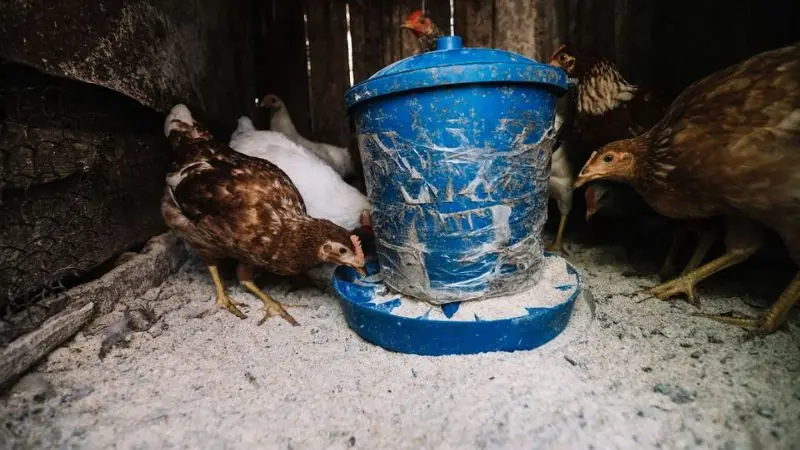
It’s important to distinguish between indoor and outdoor space in your chicken coop. Both are important for the health and well-being of your chickens.
So, by getting the right balance between these areas, you can apply how to calculate chicken coop space and ensure your chickens are comfortable all the time.
Minimum Indoor Coop Space Guidelines
You want your chickens to be comfortable in the chicken coop. This is where they are roosting, sleeping, and taking shelter, so it shouldn’t be crowded. Ideally, chickens should have 4 square feet per chicken indoors. This is per chicken, per square foot, to avoid stress and fighting.
- Minimum: 4 sq ft indoors
- Large breeds may need slightly more room
- It’s good for ventilation and cleanliness
Less space can lead to pecking and aggression. Proper spacing of chickens in a coop will help keep your flock peaceful, productive, and healthy.
Ideal Outdoor Run Space per Chicken
The outdoor run is an area for your chickens to roam, peck, and exercise. It is also a very important part of the coop. You should provide 8 to 10 square feet per chicken in the run. That is the ideal square footage per chicken in a backyard coop, including the coop.
- Standard breeds: 8-10 sq ft per bird
- Bantam breeds: 5-6 sq ft per bird
- Hens can dust bathe more
The larger the outside area, the better off your chickens will be. This also applies to the square feet per chicken in the coop and run.
How Weather Affects Space Needs
Chickens are very affected by the weather. In cold and wet weather, chickens will be indoors more. It’s important to consider indoor space, and you should be wary of the minimum space requirements.
- Cold or wet: chickens spend more time inside
- Warm weather: chickens go into the run more
- Overcrowding could be a problem
If you have to keep the chickens inside due to inclement weather, make sure you have the ideal coop size for 5 chickens or a flock of chickens. With some planning, you can make adjustments to the size of the coop and keep your chickens happy.
Factors That Influence Space Requirements
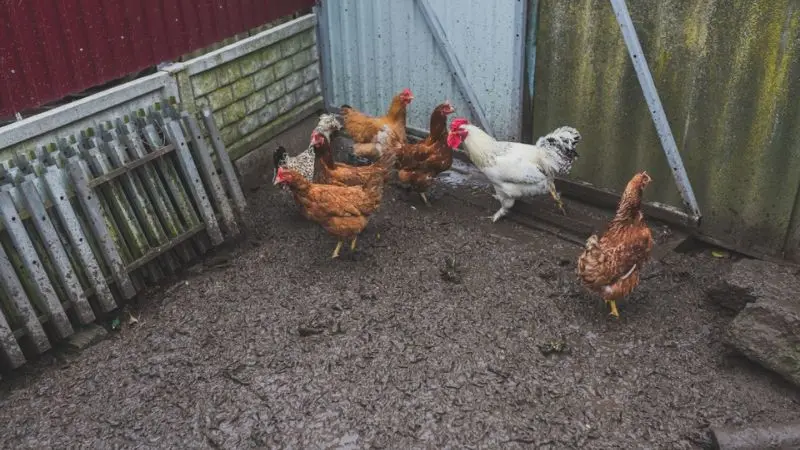
Chicken needs for space can vary for a number of reasons. Not only chickens, but also their personalities and environment. Understanding these factors can help you work out the space required for a chicken coop and build a coop that your chickens will love.
Breed Size and Activity Level
You might have noticed that chickens have different personalities. There are some that are quiet and others that are constantly on the move. This impacts the amount of space they require.
Large chickens, like Orpingtons, need more room than bantams. So, you need to know how much space per chicken you need for healthy chickens when building your chicken coop.
- Large breeds need more space due to their size
- Bantams take up less space
- Active chickens need more space
If your chickens are active, more space helps to keep the chickens in the coop away from each other and allows for less fighting.
Climate and Seasonal Conditions
Weather plays an important role in chicken space use. In winter, chickens spend more time in the coop and therefore need more space. Chickens are more active in the run during hot weather.
- Cold weather: more time in the coop
- Hot weather: more time outside
- Wet regions: more time indoors
These adjustments will help you calculate what size coop in square feet you require for each chicken throughout the year, not just the summer.
Flock Behavior and Pecking Order
There are dominant and subservient chickens. This can lead to a stressful and aggressive flock in a crowded space. It helps allow subservient chickens to move out of the way. This leads to a better-balanced and healthier flock.
Overcrowding symptoms include:
- Aggression
- Missing feathers
- Loud squawking
Allowing enough room supports the best space per chicken in a backyard coop and creates a peaceful and healthy flock.
Coop Design and Ventilation
Coop design plays a role in your chickens’ comfort. This includes ventilation and design. Good design keeps the coop fresh, dry, and healthy.
- Good airflow ensures fresh air
- Windows and vents improve airflow
- Smart layout makes movement easier
A good coop supports the ideal coop size for 5 chickens or any number of chickens, and keeps chickens healthy and happy all year long.
Signs Your Chickens Don’t Have Enough Space
Chickens are not always easy to determine whether they have enough space or not. When there is a problem, you can tell it and make sure that it is not a serious one. These are some signs that should be looked into in order to maintain a healthy, stress-free chicken.
Aggression and Feather Pecking
Bored, stressed chickens are understocked as well. You will find them pecking or chasing one another, or quarreling over food. Young birds can also be stressed/ bored by plucking their feathers. The feathers and injuries are indications that your chickens require a larger space. Providing them with more space or more enrichment will make them less aggressive.
Reduced Egg Production
Crowding may affect the flock’s production of eggs. This may result in a reduction in the number of eggs laid, although they may be on the same feeding and light schedule. Chicken who are stressed get nervous, and chicken who are not relaxed do not lay eggs. It may be as easy as having extra room per chicken or a better-built coop so that those hens would be able to get out of their rut and be able to lay now.
Dirty Coop and Health Issues
Congestion may cause an unsanitary cage. Wet bedding, aromas, and a pile of poop mean that you need more space. An unclean coop may result in diseases, parasites, and breathing complications. Healthy chickens need to be exposed to clean air and no wet bedding. Ensuring that there is sufficient space per chicken also leads to health and cleanliness. Enabling your flock to have space also relieves stress and thus makes them active and productive.
How to Make the Best of a Small Chicken Coop
Smaller spaces can be made bigger with some creativity. Using space above ground and planning your chickens’ environment carefully can help you provide enough space for your chickens to roam. Maximizing space has a positive impact on stress, activity, and egg production.
Use Vertical Space (Roosts and Nesting Boxes)
Chickens naturally roost off the ground, so this is a great strategy. This means more chickens can roost on higher levels, and more roosting space, as well as more room for nesting boxes above the ground. Stacking nesting boxes or putting them under the roosts can also help. Make sure chickens can stretch out on roosts without having to crowd. Vertical placement of roosts and nesting boxes allows for more roosting and moving around in a smaller coop and is an effective way to accommodate many chickens.
Proper Layout and Organization
Appropriate coop design improves mobility and eliminates crowding. Placing feeders and waterers in a corner or on an elevated stand, and placing nesting boxes in one corner, provides more space for walking and roosting. Open pathways from the entry to roosts and nesting boxes allow chickens to freely move without interfering with each other. A well-organized coop is also easy to clean and can improve hygiene, which benefits the health of the flock. Good management also allows easy access to feeders and waterers, and perches for roosting.
Rotational Free-Range Strategies
Rotational free-ranging gives chickens more space and relieves overcrowding. You can split your chicken property into two or more pens. You can move them every week or every other week to keep them away from overgrazing and allow them a new place to play and peck. It prevents chickens from getting bored. Rotational grazing helps balance between indoor and outdoor spaces for your chickens, keeping your chickens healthy, happy, and productive year-round.
Wrap up
When calculating how many square feet per chicken in the coop, consider health and happiness. Interior and exterior space should be based on breed, activity, and climate. Bantams prefer less space, large breeds prefer more. Placing roosts high, making good use of space, and rotating free-ranging help save space and prevent stress. Keep an eye out for crowding and aggression. These suggestions will help you keep chickens healthy and laying all year round, while also providing them enough space and comfort in the coop and run.
FAQ
How much space do baby chicks need?
Chicks have different space requirements than adults. Each chick should have at least 0.5 square feet in the brooder. When they mature, give them more room. Keep an eye out for them getting too close.
Can I keep different chicken breeds together in one coop?
You can combine breeds. Make sure to provide enough space for the breed that takes up the most. Watch for bullying. Some are more assertive. Make sure they have space.
What if I overcrowd my chicken coop?
Fights, stress, and illness will result from overcrowding. Chickens may stop laying eggs. There will be mess and a smell. Use the space guidelines to keep your chickens healthy.
Do chickens need more space in winter?
They spend more time in the coop. Ensure you provide the minimum indoor space. To keep them from getting bored, include toys like hanging feed or perches.
How do I know if my chickens are comfortable?
Contented chickens are quiet, lay eggs, and have fluffy feathers. There will be little aggression. If your chickens are fidgety and loud, you might need to expand their living quarters.