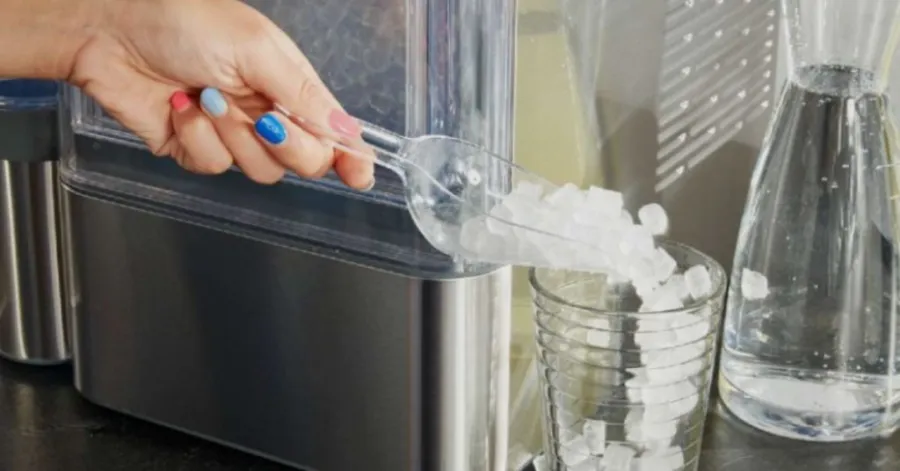
You may wonder how does an ice machine work when you just have to add water and get fresh ice out of it. The process is, in fact, really simple and easy to learn. First, the machine takes in water and filters out the dirt and impurities. Then, it cools the water with a built-in system. After that, the cold water passes over freezing plates where it gradually becomes solid ice. Once the ice is ready, the machine discharges it into a storage bin. This smooth cycle is repeated again and again, ensuring that you always have fresh ice ready whenever you need it.
How Does an Ice Machine Work in Simple Words
Ice machines may appear to be complicated at first, but the way in which they work is relatively easy to understand. Whether you are using one at home or in a business, the basic steps are almost the same. The machine receives water, freezes it, and produces solid ice cubes.
To get a full understanding of how does an ice machine work it helps to divide the process into smaller parts. Below, we have given you an idea about the basic process, key components, and the complete working cycle in a simple and easy manner.
The Simple Ice-Making Process Explained
The process begins when you add water to the ice machine. This water is from a direct supply line or from a small built-in tank. Before freezing, the machine cleans the water with a filter to get rid of dirt and impurities. This is an important step since it helps to create good and clear ice cubes.
Next, the clean water flows into a freezing tray or mold for the cooling to begin. In this system, the temperature is reduced to make the water turn slowly into solid ice. This is part of the ice machine refrigeration process, explained, where cooling coils remove the heat from the water.
Once the ice cubes are fully formed, the machine releases the ice cubes into a storage bin. This whole cycle is over and over again, which demonstrates the working power of ice machines step by step in the home and in the commercial variety.
Key Components That Make Ice Machines Work Smoothly
Every ice machine contains a number of parts that work together to complete the ice-making process. Such components are designed to ensure that there is constant production of ice without interruption. Understanding these parts helps make it much easier to understand how do ice makers produce ice at home or in larger ice machines.
Each part has its own job, and together they keep the system running efficiently:
- Water inlet valve: Controls the volume of water to enter the machine
- Water filter: To remove impurities to improve ice quality
- Freezing tray or mold: Casts the water into ice cubes
- Refrigeration system: Cooling the tray and freezing the water
- Ejector mechanism: Pushes ice cubes – once they are ready
- Storage bin: Collects and stores the ice cubes
- Control board: It manages the timing and the entire ice-making cycle
All these parts are combined to show how does a commercial ice maker work especially in machines that create large amounts of ice quickly and continuously.
@jeromy_henson_bfss VEVOR COMMERCIAL ICE MAKER. 110 LB IN 24 HR, 33 LB BIN, SCOOP, 110V, STAINLESS STEEL. #icemachine #ice #fyp #icemaker #icemakermachine #vevoricemachine #vevor #fypシ゚viral #commercialicemaker #vevoricemaker #vevorttshop #vevorproducts #viral #tiktok #fypage #ttsdelightnow #deal #ttslevelup #tiktokstore #sales #tiktokshopcreatorpicks #deals #tiktokshopspringglowup #sell #tiktokshoprestock #onsalenow #springsale #springtok #sale #springsavings #springdeals #tiktokshop #tiktokshopping #trending2025 #viralvideos #onsale #flashsale #giftideas #giftidea #tiktokshopfinds #tiktokmademebuyit #foryou #foryoupage #trending #wow #tiktokmademedoit #getyours #today #tiktokfinds #tiktokfind #tiktokviral #tiktokviralvideo #tiktokviraltrending #ttsacl @HAIDEE_collab @Vevor_US @vevor shop
♬ original sound – JEROMY HENSON-BFSS☑️
Step-by-Step Working Process of an Ice Machine
Understanding the entire cycle helps you understand clearly how the machine works from the beginning to the end. The process is automatic and is repeated so that the supply of ice is always available when it is required.
The entire process passes in a simple and uninterrupted flow:
- Water is let in via the inlet valve
- The filter cleans the water
- Clean water fills the freezing mould
- The cooling system begins freezing the water
- Ice cubes form and have a solid form
- The cubes are ejected into the storage bin by the ejector
- The machine repeats the cycle automatically
This cycle clearly describes how does an ice machine work in daily use. Whether at home or in restaurants, the process remains the same – guaranteed that you will always have fresh ice ready when you need it.
Factors That Influence Ice Machine Performance
Ice machines do not always work equally fast or well. Several factors (external and internal) can alter the efficiency of their production of ice. By understanding these factors, it is easy to see how you can increase performance and ensure that your machine continues to run smoothly.
To better understand how does an ice machine work it is important to look at what affects how it performs in real situations.
Water Quality and How It Affects Ice Production
Water quality makes a big difference in the appearance, taste, and formation of ice. If your water has minerals, dirt, or other particles in it, the ice cubes may be cloudy or lumpy. Hard water can also deposit on the freezing tray, which can cause water to flow incorrectly and make the freezing process take more time.
Using a good filter helps to remove these unwanted particles and helps to improve overall ice quality. Not only does clean water result in better ice, but it also keeps the machine functioning at an efficient rate. This has a direct link to how ice makers make ice at home, as cleaner water means smoother operation and better results in the long run.
If you ever get any strange taste or smell in your ice, checking the water source should always be your first step.
Temperature and Environment Around the Machine
The location of your ice machine has a large impact on its proper functioning. Ice machines work best in cool and dry conditions. When the temperature around it is too high, the freezing rate slows down, and the machine takes more time to produce ice.
Humidity also plays a role. The ice can be melted more quickly once it is stored in the bin if it is exposed to moist air. If the machine is kept close to heat sources such as stoves or direct sunlight, it will have a hard time keeping itself cool down properly.
Understanding these conditions is helpful to understanding the ice machine refrigeration process explained, as resource that system does so much rely on the process of actually removing heat from water. A cool and stable environment ensures that the refrigeration system is able to work efficiently, producing consistent ice.
Importance of Regular Maintenance and Cleaning
Regular cleaning is important to maintain the functional working of your ice machine. Over time, dirt or mineral buildup inside the machine or even mold can happen. This can cause a blockage of important parts, such as the freezing tray, and decrease ice production.
Cleaning the storage bin and checking the filter regularly helps to keep it hygienic and efficient. When the machine is clean, it operates smoothly, and it produces better quality ice. This also supports step-by-step how ice machines work because every step is reliant on clean and properly working components.
Following a rigorous cleaning routine is one sure way to avoid many common problems and increase the life of your ice machine.
Common Issues and How To Fix Them
Even with careful care, ice machines may sometimes encounter problems. These problems are generally not difficult to detect and correct if you know how the system operates. Knowing about such problems also gives you a better idea of how does a commercial ice maker works in different conditions.
Ice Machine Not Producing Ice Correctly
One of the most commonly mentioned problems is when the ice machine stops producing ice entirely. This can occur for a number of reasons, such as a disconnected water supply or a blocked inlet valve. A clogged filter may also prevent water from flowing to the freezing tray.
If the tray is not getting cold, the refrigeration system may not be working well. In some cases, unplugging the machine (a process known as resetting the machine) may correct small errors. These problems illustrate how each step is linked in how does an ice machine works, and how even a little fault can prevent the whole cycle from happening.
For the most part, checking each part step by step will usually help resolve the issue fairly quickly and restore normal operation.
Ice Cubes Sticking Together or Making Weird Shapes
Sometimes the ice cubes may stick together or come in strange shapes. This is often the result of the storage bin becoming too warm with the ice melting and refreezing together.
Mineral buildup in the water can also have an effect on the shape and clarity of the ice. Cleaning of the freezing tray and using filtered water can solve this problem. These issues are prevalent in home and commercial machines, which again shows how do ice makers make ice at home under different conditions.
Keeping the machine clean and in a cool place helps with properly formed and clear ice cubes.
Unusual Noises or Mechanical Problems
Ice machines usually emit some noise while they operate, but unusually loud noises may be a sign that something is wrong. The loose parts or fans blocked may produce strange sounds. There may be clicking sounds coming from the ejector mechanism, particularly if the mechanism needs to be cleaned.
The refrigeration system may also develop a soft humming sound, which is normal. However, if the noise changes in some way or becomes louder than usual, it may need to be attended to. Understanding these sounds helps you to better follow how ice machines work on a step-by-step basis because each stage of the process generates a specific type of sound.
Regular cleaning and inspection can help prevent most mechanical issues and keep the machine running smoothly and efficiently.
Tips for Choosing the Right Ice Machine for Your Needs
Choosing the right ice machine can be a confusing experience since there are many different types to choose from. Each machine contains different features, sizes, and types of ice. By knowing your needs first, you can make a better and more practical decision.
When you have a good idea of how does ice machine work, it becomes easier to select the model according to your daily use and space.
Choosing the Right Type of Ice for Your Daily Use
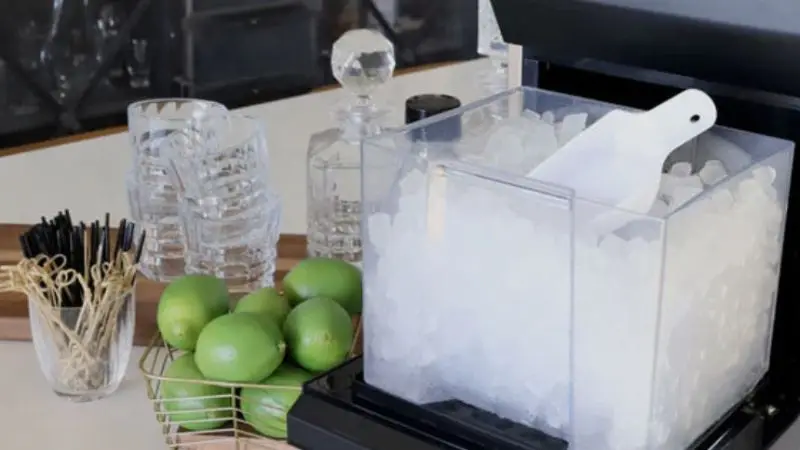
The kind of ice you prefer to have plays an important role in choosing the proper machine. Some ice machines make clear, solid cubes, while others make soft chewable nugget ice or bullet-shaped ice. Each type is better for different drinks and situations.
For instance, as ice for drinks, ice made into cube-shaped blocks is commonly used because it takes a long time to melt and can keep drinks cool for hours. Back at home, people prefer to have softer ice that is easy to chew and savor. This helps to explain how ice makers make ice at home because different machines are created to make specific ice textures and shapes.
Portable ice makers are also a good choice if you require flexibility. They are able to produce ice quickly and are convenient to use in smaller spaces such as kitchens, parties, and even outdoor trips. Choosing the proper type of ice makes a difference to your overall experience and gets you a machine that meets your expectations.
Understanding Size and Energy Efficiency Before Buying
The size and energy consumption of an ice machine are also very important factors to consider. Smaller-sized machines are ideal for the home, apartment, or RV as they are easily mounted on countertops and do not need a direct water connection. They are also easy to move and store when they are not in use.
Larger machines are made for commercial use and can produce a high volume of ice, but require more energy. Knowing how a commercial ice maker works helps you to understand why these machines are larger and more powerful.
Energy-efficient models are a smart choice as they help to reduce electricity costs while still being able to create enough ice. Many modern machines are designed to consume less water and power, which makes them cost-effective as well as sustainable.
Checking Warranty and Brand Reliability Prior to Purchase
Before purchasing an ice machine, it is always a good idea to understand the warranty and the reliability of the brand. A good warranty is peace of mind and protects your investment in case something goes wrong. Most machines are guaranteed for at least one year, and others are available from brands with a longer warranty.
Reliable brands typically offer better build quality and more long-lasting machines. Another way to know how to use the appliance and basic troubleshooting can be done by reading the manual. This relates back to step-by-step ice machine work, as knowing how it works can help you to sort out small problems yourself.
Customer reviews and suggestions from others can direct you to a trusted option. Choosing a reliable brand is an easy way to ensure your ice machine is working efficiently and will last for years to come without any major problems.
Wrap Up
Understanding how does an ice machine work helps you to make better decisions when using or buying one. From water filtration to freezing and storing, each step is important in producing clean and fresh ice. Whether you are learning about how do ice makers make ice at home or looking to learn more about how does a commercial ice maker work, the process is simple and efficient. By keeping your machine well-maintained and using the appropriate type, you can guarantee a consistent performance. A well-functioning ice machine guarantees ease of use, improved ice quality, and longer-term reliability for use in daily operations.
FAQ
How frequently should you clean your ice machine?
You should clean your ice machine once every month. Regular cleaning aids in preventing mold and mineral buildup. Clean the filter and storage bin to prevent your ice from becoming dirty.
Why does your ice taste funny?
Your ice has a bad taste to it due to dirty water or a clogged filter. Change the filter and use the clean water. Test your water quality if the taste doesn’t get better.
Can you put tap water in your ice maker?
You can use tap water, but filtered water works better. Tap water can be mixed with minerals or impurities. Using filtered water helps your ice machine to produce clear, good-tasting ice.
What do you do if your ice machine is making a loud noise?
Check for loose parts or plugged fans. Clean up the machine and take out any debris. If the noise persists, call the technician for assistance.