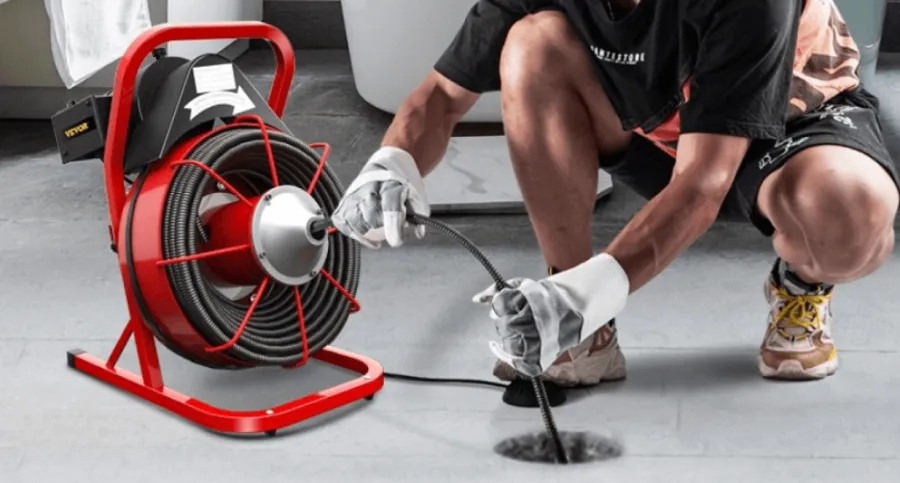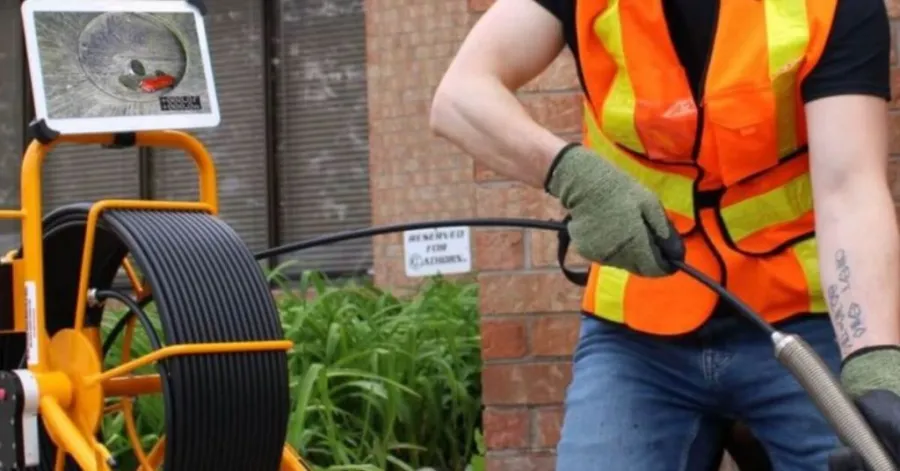
Plumbers, contractors, and even homeowners need sewer inspection endoscopes or pipe inspection cameras. These tools enable you to inspect drainage pipes thoroughly, identifying blockages, leaks, and assessing the overall health of your plumbing system without the need for extensive excavation or structural modifications.
In this blog, we’ll go into great detail about how an endoscope works, focusing on sewer inspection endoscopes in particular. We’ll cover everything from the basics of endoscopy to its practical applications, and we’ll also provide tips on selecting the right model.
Everything You Need to Know About an Endoscope
What is an Endoscope?
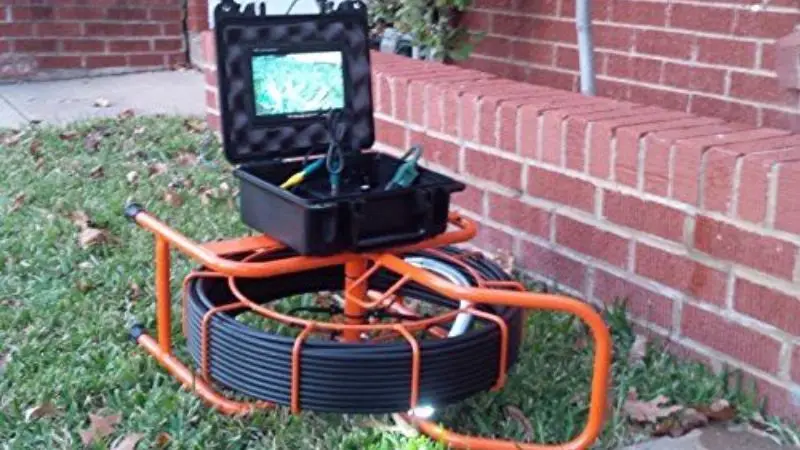
At its core, an endoscope is a device designed to view areas that are otherwise inaccessible to the naked eye. The sewer endoscope is a specialized type of industrial endoscope explicitly designed for the demanding conditions found in drains and sewage systems. It features LED lights, waterproofing, and robust cable reels that enable the camera to travel a considerable distance underground.
In medicine, endoscopes are thin, flexible tubes with a camera at the end that are used to examine the inside of the body.
In the workplace, endoscopes (also known as borescopes or inspection cameras) are used for the same purpose: to help technicians inspect tight spaces such as pipelines, engines, ducts, or sewer lines. At its core, an endoscope is a device designed to view areas that are otherwise inaccessible to the naked eye. The sewer endoscope is a specialized type of industrial endoscope explicitly designed for the harsh environment of drains and sewage systems.
It features waterproofing, LED lighting, and robust cable reels, enabling the camera to travel long distances underground. In medicine, endoscopes are thin, flexible tubes with a camera at the tip, used for internal examinations. Besides medicine, endoscopes are essential in modern industries. It helps to inspect tight spaces and corners that the human eye can’t reach. It is also critical to inspect clogs in pipelines and ducts.
Why Sewer Systems Need Endoscopes
Traditionally, plumbers had to rely on guesswork or destructive methods, such as excavation, to locate problems. Sewer endoscopes revolutionized this process. With them, one can see the exact condition of pipes in real-time, saving time, labor, and money.
Sewer pipes are the hidden veins of our cities and homes. They carry wastewater away efficiently—but when something goes wrong, it can be challenging to locate the issue. Some common sewer problems include:
- Clogging due to grease, food waste, or foreign objects.
- Tree root intrusion, cracking, or blocking pipes.
- Pipe corrosion or material degradation.
- Leaks or misalignment in underground sewer systems.
Components of a Sewer Endoscope
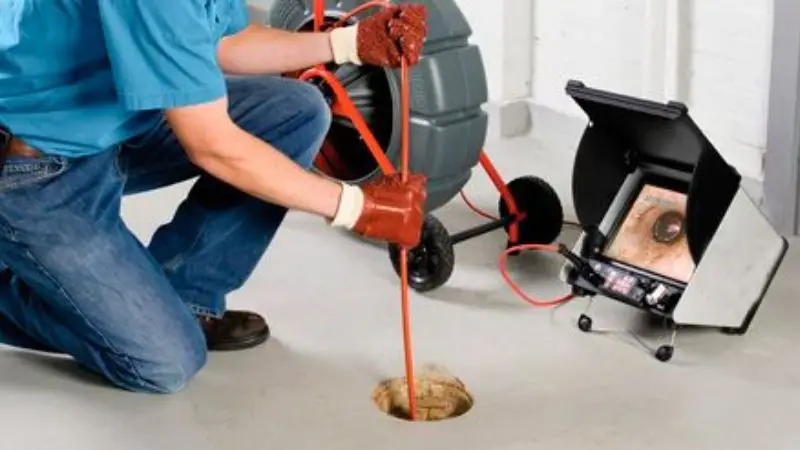
To understand how an endoscope works, let’s break down its main components:
Camera Head
How does a camera in an endoscope work? The camera head is the heart of the device. It houses a miniature high-resolution camera that captures live video. Most sewer cameras come with LED lights around the lens to illuminate dark pipes. Some advanced models feature a self-leveling camera that maintains the video’s upright orientation, regardless of the head’s rotation within the pipe.
Flexible Cable or Push Rod
The camera is attached to a long, flexible cable, often referred to as a push rod. This rod is stiff enough to push through long sections of pipe but flexible enough to bend around corners. Length varies from 20 feet for small home models to 300 feet or more for professional-grade sewer inspection cameras.
Control Unit & Display Screen
The captured video is transmitted to a monitor or a handheld device, usually in real-time. Modern units often feature HD displays, recording capabilities, and even Wi-Fi connectivity, allowing users to stream video to smartphones.
Power Source
- Sewer endoscopes can be powered by rechargeable batteries or direct AC power.
- Some advanced models have dual power options for flexibility in the field.
- Because sewer environments are wet, dirty, and corrosive, the camera head is housed in waterproof, stainless-steel casings.
- Many units are rated IP67 or IP68, meaning they can handle prolonged submersion and resist dust infiltration.
How Does a Sewer Endoscope Work?
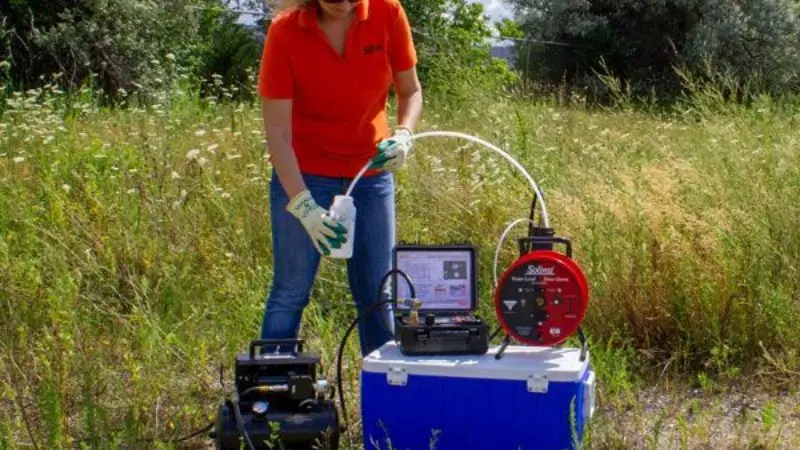
Now that we know the components, let’s understand the step-by-step working process of a sewer inspection endoscope.
Step 1: Insertion into the Pipe
The plumber inserts the camera head with the flexible cable into the sewer line through an access point, such as a cleanout or drain opening.
Step 2: Navigation
- The operator pushes the cable forward, guiding the camera through the pipe.
- Because the cable is semi-rigid, it can bend through turns but still move forward with force.
Step 3: Illumination
- Inside sewer lines, it’s pitch dark. The built-in LED lights illuminate the interior, allowing the camera to capture a clear image.
Step 4: Real-Time Imaging
- The camera captures video footage of the pipe interior.
- This video is transmitted up the cable to the control unit, where the operator can see it live on screen.
Step 5: Finding Problems
- The operator examines the video closely to identify any blockages, cracks, leaks, corrosion, or misalignment. Some cameras also have a sonde transmitter, which is a small beacon inside the camera head that sends out a signal. The plumber can find the exact location of the camera in the sewer system by using a receiver above ground.
Step 6: Keeping Records and Making Notes
- Many sewer endoscopes allow you to record video or take pictures for reports, insurance claims, or planning repairs. Advanced systems may even allow you to add extra information to the data, such as the distance traveled, the diameter of the pipe, or markers for defects.
The Technology Behind It
Let’s examine the primary technologies that enable sewer endoscopes to function effectively. It has tiny cameras in it. These small CMOS or CCD sensors produce clear video, even in low-light conditions. With fiber optics and the correct wiring, signals are sent up the cable to the control unit. Most endoscopes come with the right apps. You can use them to get the right video or graphics. Knowing how the app works makes things easier.
It also features strong LEDs that maintain a steady light inside the dark sewer. Its self-leveling technology keeps the picture straight, which helps with orientation. It also has sonde or locator transmitters. These allow you to determine the camera’s position above ground. Its waterproof design also makes it strong enough to handle wastewater, sludge, and debris.
Applications of Sewer Endoscopes
There are many uses for sewer endoscopes:
- Finding Blockages: Locate the exact spot where a clog is located.
- Root Intrusion Detection: Identify where roots have entered pipes.
- Leak Detection: Identify cracks, holes, or joints that aren’t aligned properly.
- Check the health of the sewer system before buying a home.
- Post-Repair Verification: Ensure that repairs or pipe replacements are effective.
- Preventive Maintenance: Regular checks help prevent significant problems from occurring.
How to Choose the Right Sewer Endoscope
If you’re considering buying or renting a sewer endoscope, here are some key factors:
- Cable Length: Select based on pipe length (50 ft recommended for home use, 200+ ft for professional use).
- Camera Quality: Look for HD resolution and good low-light performance.
- Lighting: Bright, adjustable LEDs are essential.
- Durability: Ensure waterproof rating (IP67 or IP68).
- Extra Features: Self-leveling, sonde transmitter, recording capabilities.
- Portability: Compact and lightweight designs are easier to use.
Final Thoughts
So, how does an endoscope work to look at sewers? It works by combining essential components. It allows you to see inside sewer pipes. The operator can move around the pipe, illuminate it, record video, and identify problems without having to dig or guess.
This means that homeowners will receive answers more quickly and pay less. It means accuracy, efficiency, and results that meet professional standards for plumbers and contractors.
FAQs
Do I need a professional to use an endoscope, or can I do it myself?
Yes, many sewer inspection cameras are easy to use and designed for DIY projects. However, for problems that are complex or profound, you may require professional tools and expertise.
What kinds of issues can an endoscope find?
An endoscope can show you clogs, grease buildup, cracks, corrosion, collapsed sections, tree roots, and even small leaks inside pipes.
How far can an endoscope for a sewer go?
Depending on the model and cable length, most sewer endoscopes can reach between 100 and 300 feet in length.
Is it safe to use an endoscope on my pipes?
Yes, it’s a method that doesn’t harm anything and passes through the pipes without causing damage.