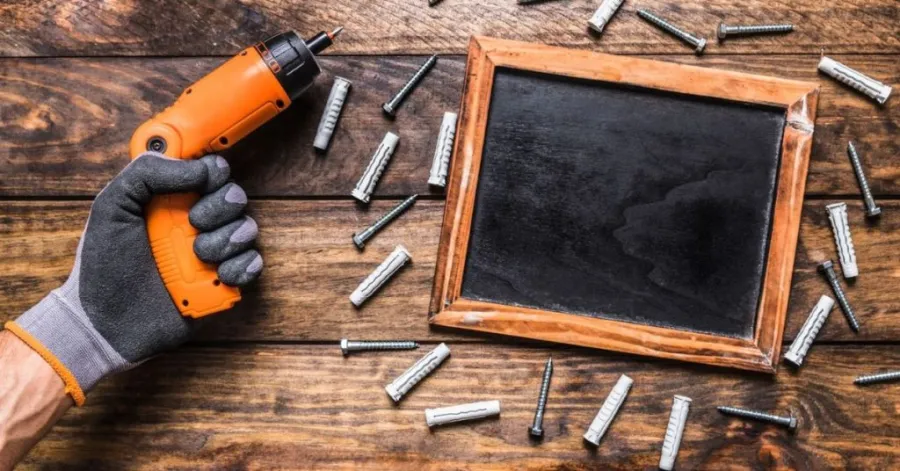
Nail guns make jobs like building and fixing things much faster. They’re fast, powerful, and save efforts and time as compared to traditional hammering. But have you ever thought about how a nail gun works? In this blog, we’ll explain how nail guns work in simple words, talk about the different types, and help you learn why they’re so helpful for many projects.
How Does a Nail Gun Work
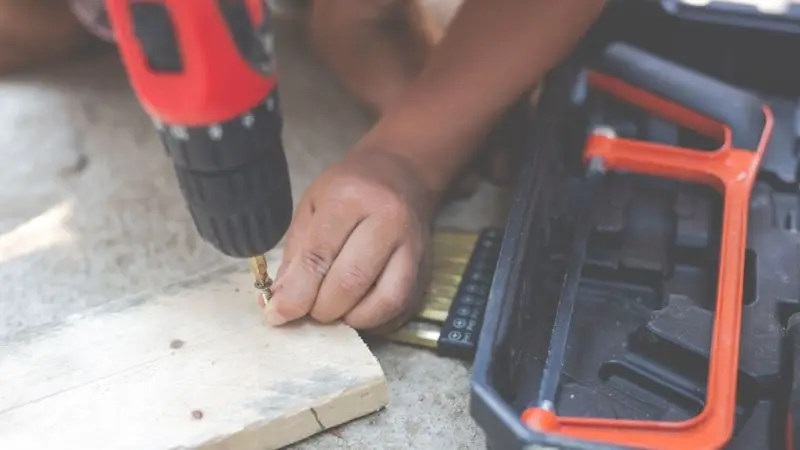
Mechanism Overview
Let’s break down how a nail gun works in simple terms. When using a nail gun, press the tip against the wood. This action pushes a safety nose in, allowing you to pull the trigger. Inside most nail guns, you’ll find a few key parts:
- Trigger: You pull this to fire the nail.
- Safety nose: This feature prevents the nail gun from firing accidentally.
- Magazine: This holds the nails.
- Firing mechanism: This part uses springs, cams, or compressed air to drive the nail.
How does a nail gun work so quickly? The answer is simple. The firing mechanism stores energy and releases it all at once. This force pushes the nail deep into wood or other materials. You save time and effort compared to using a hammer.
Pneumatic Nail Gun Function
The most common type you’ll see is the pneumatic nail gun. So, how does a nail gun work when it’s powered by air? You connect the pneumatic nail gun to an air compressor. The compressor fills the tool with high-pressure air.
When you pull the trigger, the air rushes into a cylinder inside the nail gun. This air pushes a piston down, which drives the nail out at high speed. Here’s a quick look at how a pneumatic nail gun works compared to other types:
| Type | Power Source | Best For | Pros |
| Pneumatic nail gun | Air compressor | Heavy-duty jobs | Strong, fast, reliable |
| Electric nail gun | Battery/Cord | Light projects | Portable, easy to use |
| Gas nail gun | Fuel cell | Outdoor work | No cords, powerful |
| Powder-actuated | Gunpowder | Concrete/Steel | Extreme, special use |
Other Power Sources
Not all nail guns use air. Some use electricity, gas, or even gunpowder. Here’s how a nail gun works with these other power sources:
- Electric nail gun: You plug it in or use a battery. When you pull the trigger, a motor moves a spring or a small hammer. This action drives the nail. Electric nail guns are great for small jobs.
- Gas nail gun: This type uses a small fuel cell. When you pull the trigger, the nail gun mixes gas with air and creates a tiny explosion. This explosion pushes the nail out. Gas nail guns work well outdoors or where you don’t have power.
- Powder-actuated nail gun: This tool uses a small gunpowder charge. It’s like a mini-firearm. You use it for tough jobs, like nailing into concrete or steel. Use this type only if you have received special training.
Basic safety procedures
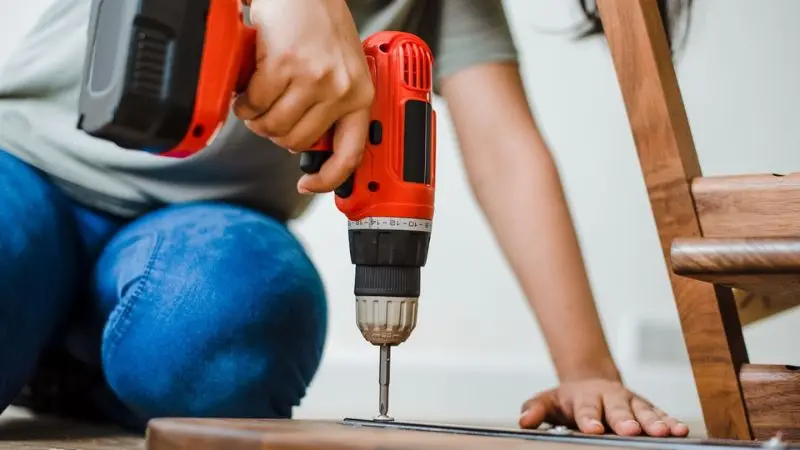
Safety Gear
Before using a nail gun, ensure you wear the proper safety gear. This step is one of the most critical basic safety procedures. Always wear goggles to protect your eyes from flying debris. Sometimes, nails can bounce back, or wood chips can fly up. Goggles keep your eyes safe.
You can also use safety glasses if you don’t have goggles, but goggles provide better protection. Gloves help protect your hands from sharp nails and splinters. Wearing ear protection is a good idea if you plan to use the nail gun for an extended period. You want to keep your hearing safe from loud noises.
Workspace Setup
Set up your workspace before you start. Clear away clutter and make sure you have good lighting. You want to see what you are doing at all times. Keep your hands and fingers away from where the nail gun will fire. If you know the nail gun’s working principle, you can be safe.
This helps you avoid hazards. If you work with others, let them know that you will be using the nail gun. Make sure no one stands in the line of fire. Check the floor for tripping hazards. A clean space helps you stay focused on safety.
Handling the Nail Gun
When you handle the nail gun, always treat it with respect. Hold it firmly and keep it pointed away from yourself and others. Keep the nail gun perpendicular to the surface for the best results. This helps the nails go in straight and reduces the risk of jams.
Never rest your finger on the trigger unless you are ready to fire. Remember, a nail gun is a powerful tool. Treat it like a firearm. Follow these basic safety procedures every time you use it.
Loading the nail gun
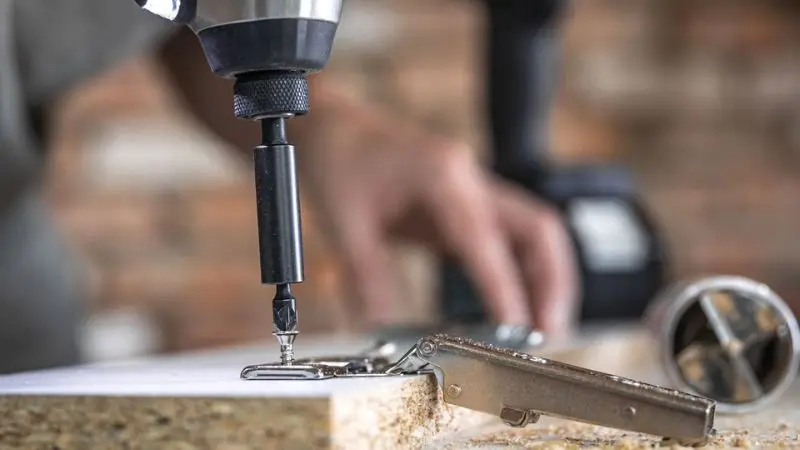
Choosing Nails
Before loading nails, select the correct ones for your nail gun. Not all nails fit every tool. Check your nail gun’s manual or look for a sticker on the side. You will see the size and type of nails that work best for you.
Some nail guns use strips of nails, while others use coils of nails. The nails can have different lengths and thicknesses. If you use the wrong nails, your nail gun might jam or not fire at all. You can also use a nail drill to file your nails. Here’s a quick table to help you match nails to your project:
| Project Type | Nail Length | Nail Type |
| Framing | 2″–3.5″ | Strip nails |
| Trim/Finishing | 1″–2.5″ | Brad nails |
| Roofing | 1″–1.75″ | Coil nails |
Loading Steps
Now you’re ready to load nails into your nail gun. Each model is a little different, but most follow these basic steps:
- Unplug the nail gun or remove the battery. If you use a pneumatic nail gun, disconnect the air hose.
- Find the magazine release. Press it to open the magazine.
- Slide the strip or coil of nails into the magazine. Ensure the points are oriented correctly.
- Close the magazine until it clicks.
- Reconnect the power or air supply.
You just finished loading nails! Gently shake the magazine to check if the nails move smoothly. If you feel resistance, open the magazine and check for jams.
Using the nail gun
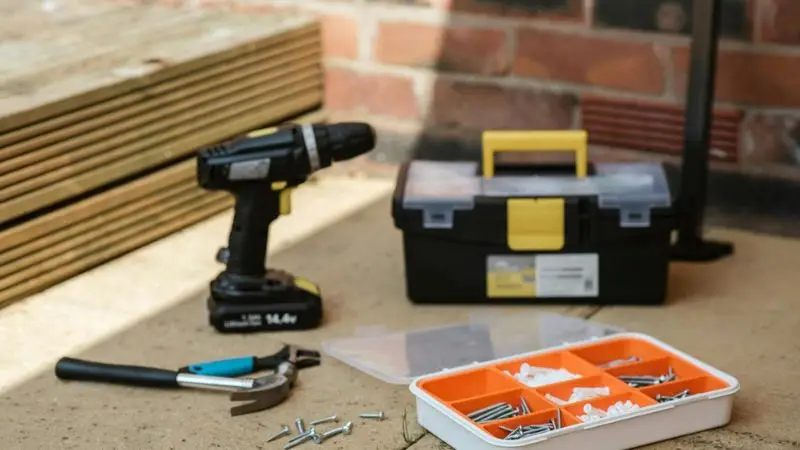
Powering On
You have loaded your nails and checked your safety gear. Now you are ready to power on your nail gun. If you use a pneumatic nail gun, connect the air hose to the compressor. Make sure the hose clicks into place. Turn on the compressor and let it build up pressure. How does an electric nail gun work? Insert the battery or plug it into an outlet.
If you use a gas nail gun, check the fuel cell and snap it into the tool. Always double-check that your nail gun is set up correctly before you start. Look for any warning lights or error messages. If you notice anything unusual, stop and refer to the manual. You want your nail gun to work smoothly every time.
Firing Technique
Using the nail gun correctly helps you achieve clean, strong results. Hold the handle with a firm grip. Place the tip of the nail gun flat against the wood. Push down until the safety nose moves in. This step unlocks the trigger. Keep your other hand far from the firing area.
Now, pull the trigger in one smooth motion. You will hear a quick pop as the nail shoots into the wood. Lift the nail gun straight up after each shot. Move to the next spot and repeat the process. If you need to fire several nails in a row, maintain steady and controlled movements. Here are some quick tips for firing:
- Keep the nail gun perpendicular to the surface.
- Do not rush. Take your time to line up each shot.
- Check your work after every few nails.
Adjusting Settings
You can adjust your nail gun to match your project. Most nail guns have a depth control knob or slider. This setting allows you to choose how deeply the nails penetrate the wood. Turn the knob to make the nails sit flush or sink below the surface.
Some nail guns also let you change the firing mode. Single-fire means you press the tip and pull the trigger for each nail. Bump-fire enables you to hold the trigger and tap the tip to fire nails quickly. For beginners, single-fire mode is safer and easier to control. Here is a simple table to help you remember the settings:
| Setting | What It Does | When to Use |
| Depth Control | Sets nail depth | Different wood types |
| Single-Fire | Fires one nail at a time | Beginners, precision |
| Bump-Fire | Fires nails rapidly | Fast work, experience |
After use
Powering Off
When you finish your project, you need to power off your nail gun correctly. First, always turn off the safety. This step helps prevent any accidental firing. If you use a pneumatic nail gun, disconnect the air hose.
For an electric model, unplug it or remove the battery. Gas nail guns need you to remove the fuel cell. You should always turn off the safety before you set the tool down. This habit keeps you and others safe.
Clearing and Storing
After you power off your nail gun, check the magazine for any leftover nails. Remove any unused nails and store them in a safe place. Look inside the magazine and firing area for jammed nails or debris. If you find anything stuck, clear it out with a small tool or brush. Never use your fingers near the firing end.
Now, wipe down your nail gun with a clean cloth. This step removes dust and keeps your tool working well. Store your nail gun in its case or on a high shelf, out of the reach of children and pets. Always turn off the safety switch before storing the tool.
To Sum Up:
You now know how to use a nail gun safely and with confidence. Here’s a quick checklist to remember:
- Always wear your safety gear.
- Double-check your nail gun before each use.
- Follow all safety steps and review tips often.
- Watch out for common mistakes, such as skipping safety checks or rushing.
Practice makes you better. Each time you use a nail gun, you build skill and trust in yourself. Stay safe, and enjoy your projects!
FAQ
How do I disassemble and repair a jammed nail gun?
First, disconnect the power or air supply. Open the magazine and remove any stuck nails. Use a small tool to clear jams. Never use your fingers near the firing end. Always refer to your manual for model-specific instructions.
Can I use any type of nail in my nail gun?
No, you need to use nails that match the size and type of your nail gun. Check your manual or the label on your tool. Using the wrong nails can cause jams or damage.
- Always double-check before loading new nails.
- Look for the right length and shape.
Why won’t my nail gun fire?
You might have a few reasons:
- The safety nose isn’t pressed in.
- The magazine is empty.
- The power or air supply is off.
- There’s a jam.
Check each part step by step. If it still won’t work, review your manual.
Is a nail gun safe for beginners?
Yes, a nail gun is safe if you follow all safety steps. Wear your gear, keep your hands clear, and never point it at anyone. Start slow and practice on scrap wood first. Confidence grows with good habits.
How often should I clean my nail gun?
You should wipe down your nail gun after every use. Check for dust, debris, and leftover nails. A clean tool works better and lasts longer. Deep clean it every few months or after heavy use.