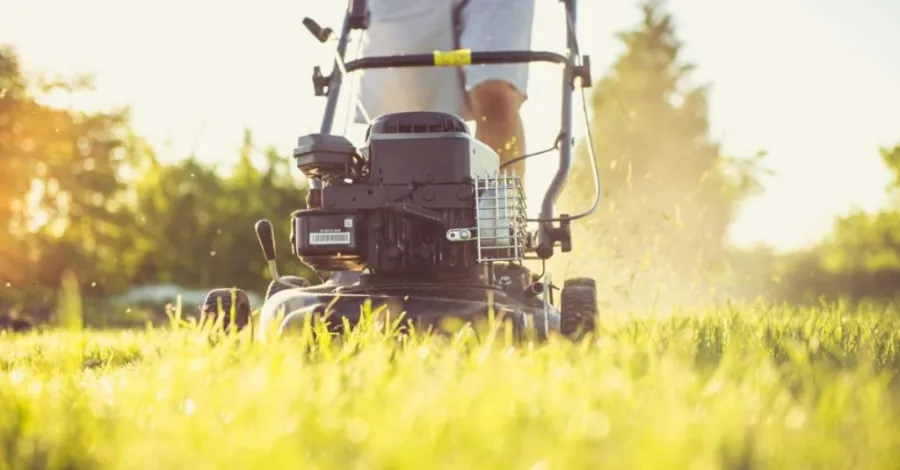
Wondering how to use a lawn sweeper? It’s easier than you think. A lawn sweeper picks up leaves, twigs, and grass clippings while you push or tow it across your yard. Inside, spinning brushes sweep debris into a hopper for easy cleanup. No need for special skills or heavy lifting—just roll the sweeper over your lawn and let it do the work. It’s much faster and more efficient than raking by hand. If you’ve ever asked, how does a lawn sweeper work?—this is it. In this blog, we’ll guide you through everything you need to know to use it right.
How Does a Lawn Sweeper Work?
Lawn sweepers are a game-changer when it comes to yard maintenance. Whether you’re clearing leaves in fall or tidying up after mowing, these handy tools take the heavy lifting out of cleanup. But if you’re wondering what a lawn sweeper does or how it functions, let’s break it down in simple steps.
Lawn sweepers come in different types, but they all share one job: keeping your yard clean and neat without the hassle of raking. Below, we’ll explore how they work and why they’re so useful in every season.
The Basic Mechanism Behind Lawn Sweepers
You might ask, how does a lawn sweeper pick up grass clippings or collect other yard waste? The answer lies in its spinning brushes. As you push the sweeper or pull it behind a mower, the brushes rotate and sweep leaves, twigs, pine needles, and clippings into a rear hopper. There’s no need to bend or rake—collection happens as you go.
For smaller yards, a push lawn sweeper works well. You guide it over leaf piles, and the brushes toss the debris into the attached bag. For larger spaces, a tow-behind model connects to your tractor or riding mower, allowing you to clean up while driving. Both options turn hard yard work into a smooth chore.
Types of Lawn Sweepers and How They’re Used
Lawn sweepers come in two types, each built for specific yard sizes and cleanup needs. Knowing the difference helps you choose the best fit. Both show clearly how a lawn sweeper collects leaves and debris with efficiency.
Push Lawn Sweeper:
- Great for small to medium lawns
- Light, simple to push and steer
- Perfect for leaves, pine needles, and clippings
Tow-Behind Lawn Sweeper:
- Ideal for large yards
- Connects to a mower or tractor
- Covers big areas quickly
Both models cut down ranking time and make cleanup easier. They’re especially useful in the fall and after mowing. With roomy hoppers, they collect more without constant emptying.
Can Lawn Sweepers Handle Wet Conditions?
You may wonder, how do lawn sweepers work on wet grass? While they can still function, performance might drop slightly. Wet debris tends to stick and may not lift as easily into the hopper. Still, high-quality sweepers with strong brushes can manage damp conditions to a reasonable extent.
That said, for best results, it’s ideal to use the sweeper on dry grass. This allows smoother pickup of clippings and debris. Even if the lawn is slightly moist, consistent passes will still clean up most of the mess, helping you maintain a clean, healthy-looking lawn all year round.
Getting Your Yard Ready for Sweeping
To get the best results from your lawn sweeper, preparation is key. A well-prepped lawn makes the cleanup process faster, smoother, and easier on your equipment. It also ensures your sweeper collects as much debris as possible in one go.
Before rolling out your sweeper, follow these simple steps to clear obstacles and set the stage for efficient yard care.
Clear Out Large Debris First
Before you begin, take a walk around your lawn and remove any large objects like rocks, branches, or toys. These items can block or damage the brushes inside your sweeper. Even though the tool is designed to handle natural debris, it works best when there are no big obstacles in the way.
While how a lawn sweeper collects leaves and debris depends on its brush system, that system can’t function properly if it’s constantly jamming. By hand-picking large items before sweeping, you protect your sweeper and keep your cleanup safe and effective.
Mow Your Lawn Before Sweeping
Cutting your grass before sweeping makes a big difference. Shorter grass allows the rotating brushes to dig in deeper, grabbing more clippings and leaves from the ground. If the grass is too tall or wet, debris can settle under the blades and go unnoticed.
For best results, mow your lawn normally and give clippings a little time to dry. Then, start sweeping in smooth passes. This method not only improves the cleanup but also prevents clogging, especially in damp conditions. If you’re wondering how lawn sweepers work on wet grass, they can still function, but dry grass always gives the best outcome.
Lawn Sweeper Assembly Made Simple
Putting together your lawn sweeper doesn’t have to be difficult. With a bit of patience and the right instructions, you can assemble it quickly and correctly. Preparing your equipment properly ensures long-lasting performance and reliable yard cleanup from day one.
Follow these steps to get started and enjoy how easily your sweeper handles yard debris.
Unbox and Inspect All Parts
Begin by unpacking your new lawn sweeper and laying out each part. This makes it easier to find what you need and check for missing or damaged pieces. Most kits include:
- The mainframe
- Two wheels
- A brush system
- A collection bag or hopper
- Hardware like bolts, pins, and fasteners
Use the parts list in your instruction manual to make sure everything is accounted for. Carefully inspect each item for cracks or dents. If anything looks broken, pause and contact the seller. A good start ensures the sweeper functions correctly and shows what a lawn sweeper does when fully assembled.
Step-by-Step Lawn Sweeper Setup
Once you’ve checked all the parts, it’s time to assemble the unit. Move through the process slowly to make sure every component is secure. Here’s a breakdown:
- Attach the wheels to the frame and make sure they rotate freely.
- Connect the brushes so they face downward—this allows them to sweep efficiently.
- Secure the hopper or bag, ensuring it’s tight and properly aligned.
- Install the handle or hitch, depending on whether it’s a push model or tow-behind sweeper.
Before testing, tighten all hardware. If you’re curious how a lawn sweeper picks up grass clippings, this is where precision in setup makes a big difference. A well-assembled sweeper collects clippings, leaves, and debris without missing a beat. You’re now ready to put your tool to work with confidence.
Adjusting the Lawn Sweeper for Maximum Pickup
To get the best performance from your lawn sweeper, brush height adjustment is key. It ensures your sweeper collects leaves, clippings, and debris effectively across different lawn conditions. Whether you’re working with dry spots or damp patches, a proper setting helps your equipment perform better and last longer.
Let’s look at how to fine-tune your sweeper before putting it to full use.
Set the Right Brush Height
Getting the brush height right helps your sweeper reach just the surface of the grass—where most debris settles. If it’s too high, it misses leaves and clippings. Too low, and it may drag or dig into the soil. Most sweepers come with an easy-to-use adjustment knob or lever.
To adjust properly:
- Place the sweeper on a level patch of lawn.
- Locate the height adjustment knob or lever near the wheel area.
- Set the brushes so they barely graze the grass surface.
This lets you see how a lawn sweeper collects leaves and debris without damaging your lawn. You might need small changes depending on grass height or yard texture, but once dialed in, collection becomes smooth and efficient.
Test Before You Sweep the Whole Yard
Before sweeping your entire lawn, it’s smart to test your settings on a small section. Push or pull the sweeper and watch the results closely. You’ll quickly know if the brush height is right:
- If debris is collected cleanly, you’re good to go.
- If leaves or clippings are left behind, lower the brush.
- If pushing feels heavy or the brushes dig, raise them slightly.
This quick test also helps you understand how lawn sweepers work on wet grass, where the right height prevents clogs and resistance. Once properly adjusted, your sweeper will perform well with less effort, leaving your yard clean and fresh.
Using the Lawn Sweeper Effectively
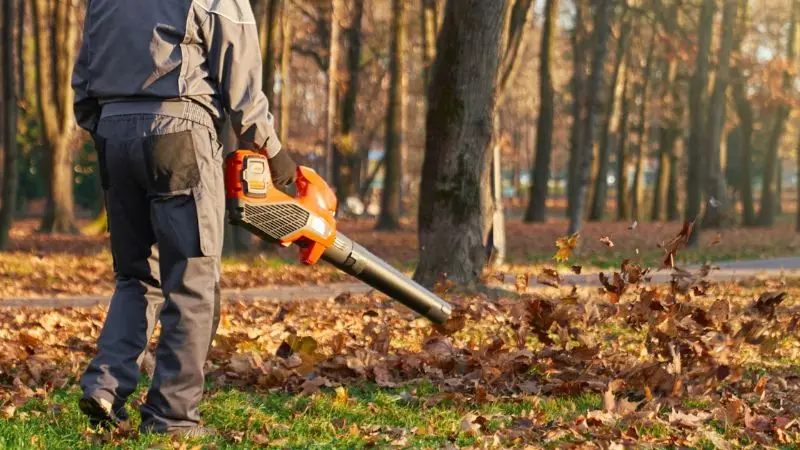
Once your lawn sweeper is set up and ready, it’s time to put it to work. Whether you’re using a push lawn sweeper or a tow-behind lawn sweeper, a few simple techniques can help you get the cleanest results with less effort. Let’s look at how to sweep smarter, not harder.
Master Your Sweeping Technique
Hold the handle of your push lawn sweeper with both hands and walk at a steady pace in a straight line. Keep your movements smooth—avoid sudden turns or jerks. The brushes spin underneath and collect leaves, grass, and twigs as you go. Let the sweeper glide forward without pushing down hard.
For a tow-behind lawn sweeper, attach it securely to your riding mower or tractor. Drive slowly and steadily, letting the brushes spin and gather debris behind you.
- Keep your path straight and even
- Monitor the collection bag as you go
- Empty the bag when it starts getting full
This is how a lawn sweeper collects leaves and debris effectively—by maintaining a smooth and steady motion across the yard.
Overlap Your Passes
To avoid missed spots, always slightly overlap each row. This ensures that any debris left behind on the first pass gets collected the next time. It’s a simple trick that delivers professional-looking results.
Here’s how to do it:
- Overlap each row by about one-third of the sweeper’s width
- For tight corners, use small, controlled pushes or turns
- Check behind you to see if debris remains
Whether you’re using a push model or a tow-behind, overlapping helps your lawn sweeper setup perform better. It also reduces the need for extra passes, saving time in the long run.
Find the Best Sweeping Speed
Your speed directly affects how much debris gets picked up. If you go too fast, the brushes might glide over leaves. Too slow, and the collection may not be as effective. The goal is a natural, steady pace.
- Walk like you would on a casual stroll
- For tow-behind models, drive at around 2 to 3 mph
- Listen to the brushes—if they’re spinning smoothly, you’re on track
Adjust your speed if you notice leaves being missed or the brushes dragging. Every lawn is different, and the more you practice, the more you’ll know what works best for your grass type and debris levels.
How Well a Leaf Collector Works
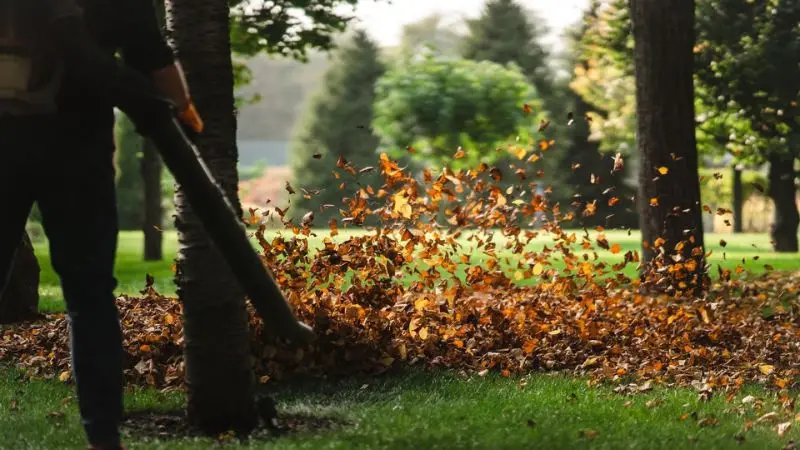
Not all yard debris behaves the same. To get the most from your leaf collector, it helps to understand how it performs with different types of material. Some debris is easy to sweep, while others require a little extra care. With the right adjustments, you can handle most messes with ease and keep your yard looking tidy.
Dry vs. Wet Leaves
Dry leaves are easy to collect with a lawn sweeper. As you push or tow your leaf collector, the brushes lift dry leaves quickly, filling the collection bag without clogs. Since dry leaves don’t stick together, they move smoothly into the bag, making cleanup fast and efficient.
Wet leaves, on the other hand, are harder to manage. They clump together, often get pushed instead of picked up, and can clog the collection path. This may require multiple passes and frequent checks for blockages. For the best results, use your lawn sweeper on dry days whenever possible.
Pine Needles and Cones
Your leaf collector works well for more than just leaves. It can also pick up pine needles and small cones. Pine needles are light and may slip through if the brush height is too high, so lowering it helps. You might need to sweep the same area more than once.
Small pine cones can be collected easily, but large ones might block the brushes or the bag. If that happens, clear the blockage by hand. For better results, remove big cones before using the sweeper. With a little practice, you’ll understand how a leaf collector works best on different yard debris.
How to Empty and Clean Your Leaf Collector
To keep your leaf collector working at its best, regular emptying and cleaning are key. If the bag overfills or dirt builds up, the collector won’t pick up as efficiently. A little care after each use will make your next leaf pickup easier and faster. Just a few minutes of attention can help avoid clogs, improve performance, and extend the life of your equipment.
When to Empty
Don’t wait for the leaf collection bag to overflow. A full bag reduces airflow and causes the brushes to jam or miss leaves. If your sweeper feels heavy or hard to push, it’s time to stop and empty it. For best results, empty the bag when it’s about three-quarters full.
This helps the leaf collector work smoothly, especially during heavy fall cleanups. Wet leaves fill the bag faster, so check it more often. Always stop moving or turn off your mower before emptying. Staying ahead of bag fill-ups keeps your leaf collector running efficiently and your yard cleanup easy.
Cleaning After Use
After every yard cleanup, it’s important to clean your leaf collector. Start by removing the collection bag and shaking out any leftover leaves. Check the brushes for stuck debris and pull it out by hand. Use a soft broom to clean the frame, and rinse off any wet or sticky bits with a garden hose.
Make sure everything is fully dry before putting it away to avoid mold and rust. Regular cleaning keeps your leaf collector working well and ready for the next use. A clean machine picks up better, lasts longer, and helps you finish yard work more easily.
Maintenance and Storage
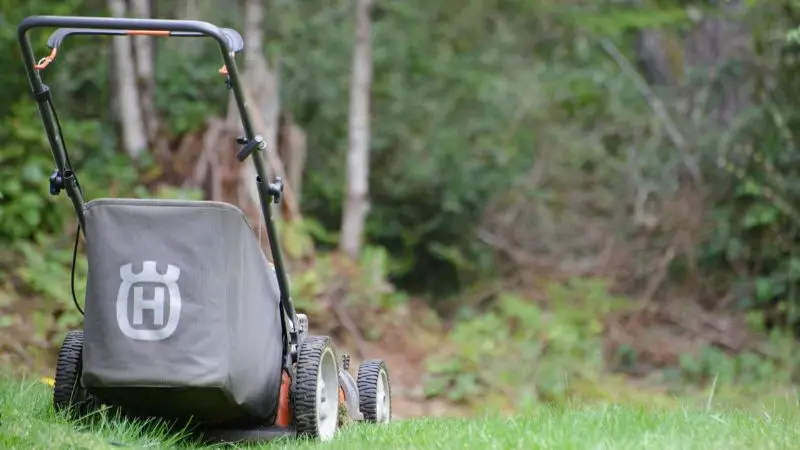
To keep your lawn sweeper working smoothly and ready for every leaf pickup, regular maintenance and proper storage are essential. A few simple habits—like oiling moving parts, checking for wear, and cleaning before storage—can prevent breakdowns and extend your sweeper’s life. With just a little care, your leaf collector will stay in great shape and perform better with every sweep.
Lubricate Moving Parts
Moving parts like axles, wheels, and brush shafts work hard every time you clean your yard. Without regular lubrication, they can become stiff, noisy, or harder to push. A little oil keeps everything spinning smoothly and prevents rust—especially after picking up heavy or damp debris.
Follow these simple steps:
- Wipe off dirt or dust from all moving parts.
- Apply a few drops of light machine oil or spray lubricant to the axles and brush shafts.
- Gently spin the wheels and brushes to spread the oil evenly.
- Use a dry rag to wipe away any extra oil.
Lubricate your leaf collector every few uses or before long-term storage to keep it running smoothly.
Inspect for Wear
Giving your leaf collector a quick check before and after each use helps you catch small problems early. Worn brushes, loose parts, or damage can make it harder to collect leaves and may lead to costly repairs later. Just a few minutes of inspection can keep your sweeper running well all season.
Here’s what to look for:
- Are the brushes worn out or missing bristles?
- Do the wheels spin smoothly without wobbling?
- Are any bolts, nuts, or pins loose?
- Is the frame bent, rusty, or cracked?
If you spot damage, fix it right away. Replacing brushes or tightening fasteners now saves you time and money later.
Store Properly
After clearing all that yard debris, don’t forget the final step—proper storage. A clean and dry lawn sweeper will last much longer and be ready for the next time you need it. Leaving it dirty or damp can lead to rust, mold, or even damage to the leaf collection bag. Safe storage helps protect your investment and makes yard work easier year after year.
Follow these steps:
- Empty and rinse out the leaf collection bag thoroughly.
- Wipe down the frame and brushes to remove any remaining debris.
- Store your leaf collector in a dry, covered place like a shed or garage.
- If possible, keep it off the ground to prevent moisture from building up.
A clean, dry sweeper is more effective at every leaf pickup and saves you time on maintenance next season.
Conclusion
Now that you understand how to use and care for your equipment, you might still wonder, how does a lawn sweeper work? It’s simple—rotating brushes under the sweeper spin as you push or tow it, lifting up leaf debris, grass clippings, and twigs into the leaf collection bag. Whether you’re cleaning a small yard or a large lawn, the sweeper makes the job faster and easier. With the right speed, sweeping technique, and a little maintenance, your lawn sweeper will give you great results every time. Enjoy a cleaner yard with less effort and more time to relax!
FAQ
How often should I use my lawn sweeper?
You can use your lawn sweeper as often as you see debris in your yard. Most people sweep once a week during the fall or after mowing. Regular use keeps your lawn looking neat.
Can I use a lawn sweeper on wet grass?
You can, but it works best on dry grass and leaves. Wet debris can clog the brushes and make sweeping harder. Try to wait for a dry day for the best results.
What should I do if my sweeper stops picking up debris?
Check the collection bag if it’s full; empty it. Look for clogs in the brushes or wheels. Remove any stuck leaves or twigs. Adjust the brush height if needed.
Will a lawn sweeper pick up acorns or small nuts?
A lawn sweeper can pick up some acorns and small nuts. You may need to make a few passes. For large amounts, pick up the biggest ones by hand first.
Do I need any special tools for assembly?
You usually need only basic tools like a screwdriver or wrench. Most sweepers come with clear instructions. Keep all bolts and pins handy for quick assembly.