Imagine a leaky faucet, a clogged dryer vent, and a drafty, cold window—all simultaneously. Sounds stressful, doesn’t it? That’s why a house maintenance checklist is so useful. And if you’re a first time homeowner, a checklist that helps you keep everything in check is more important than ever.
So in this blog, we’re breaking down your house maintenance tasks into a comprehensive guide and checklist. Let’s get started!
5 Things To Put On Your House Maintenance Checklist
1. Test Smoke and Carbon Monoxide Detectors
Consider beginning your day by waking up to an unexpected fire or gas leak. Scary, isn’t it? Smoke and carbon monoxide alarms are your warning system. They warn you before it’s too late and could save lives and your home.
Detectors not only keep you safe, they save your loved ones and pets as well. A functional detector reduces the risk of fire burns or carbon monoxide poisoning. It’s a tiny expense for immense safety dividends.
Tip: Test detectors every month so they function properly. Press the test button and listen for the beep.
2. Check HVAC Systems
Your HVAC system keeps your home cozy in every season. Without care, it may not work well and could raise energy costs. A clean system not only works better but also uses less power. Taking care of your system keeps it functional in the long run.
Tips for Each Season
Different weather conditions impact your HVAC system differently. Here are some tips for you for each season:
- Spring house maintenance checklist:
- Change the air filters to ensure clean airflow for the warmer months.
- Clear debris like leaves and dirt from around the outdoor unit.
- Schedule a professional inspection and tune-up before summer hits.
- Clean air vents and registers inside the house.
- Test the thermostat to make sure it’s working properly.
- Summer house maintenance checklist:
- Check and replace the air filters monthly if usage is high.
- Ensure the outdoor unit has at least 2 feet of clearance around it.
- Inspect the condensate drain line for clogs to prevent water damage.
- Listen for unusual noises that could indicate issues.
- Keep blinds or curtains closed during peak heat to reduce HVAC strain.
- Fall house maintenance checklist:
- Replace or clean air filters again before heating season begins.
- Inspect and clean the furnace burners and blower motor.
- Check carbon monoxide detectors and replace batteries.
- Cover the outdoor AC unit with a breathable cover to protect it from debris (optional depending on climate).
- Schedule a professional heating system check-up.
- Winter house maintenance checklist:
- Replace air filters regularly, especially with increased indoor use.
- Keep vents and radiators unblocked by furniture or drapes.
- Watch for signs of uneven heating and address issues early.
- Inspect insulation around windows and doors to reduce HVAC load.
- If using a heat pump, make sure the outdoor unit is clear of snow and ice.
3. Examine the Roof for Damage
Your roof does a tough job keeping your house safe from the weather. But after a while, it can start to develop problems that will cost you a lot to fix if you don’t address them. Inspections keep you ahead of trouble and ensure your house remains dry and secure.
Common Signs of Roof Issues
Identifying roof problems early on can save you a lot of headaches. These are some signs to look out for:
- Missing or Broken Shingles: Check for cracks, curling, or missing shingles.
- Water Stains on Walls or Ceilings: These may be signs that your roof is leaking.
- Sagging Sections: A sagging roof could signal structural damage.
- Granules in Gutters: If you notice shingle granules in your gutters, your roof is probably deteriorating.
Early identification of these problems avoids structural damage, maintains repair costs low, and keeps you safe.
How to Perform a Basic Inspection
You don’t have to be an expert to inspect your roof. Here’s a safe way to do it:
- Start from the Ground by using binoculars to spot missing shingles or sagging areas.
- Check the attic for water stains, molds, or sunlight coming in via cracks.
- Search for granules or debris that may signal roof wear.
Tip: Don’t climb up to the roof yourself. It’s better to view from the ground or call in a professional.
4. Inspect Plumbing for Leaks
Leaks in plumbing can be unseen and lead to extensive damage if not resolved on time. A minor drip may be insignificant apparently by can result in expensive repairs in the future.
Including plumbing inspections on your home maintenance agenda ensures that you detect problems early and don’t get caught off guard.
Where to check for leaks
Leaks tend to be in plain sight. Knowing where to find them will save you time and money. Begin with these potential trouble areas, including:
- Leaking faucets and toilets that not only waste water but also translate into expensive bills.
- Dishwashers and washing machines with deteriorated hoses.
- Underground water supply lines which are complicated to check, but can wreak havoc.
Tip: Check your plumbing appliances every month to avoid big plumbing expenses down the line.
5. Check Electrical Systems
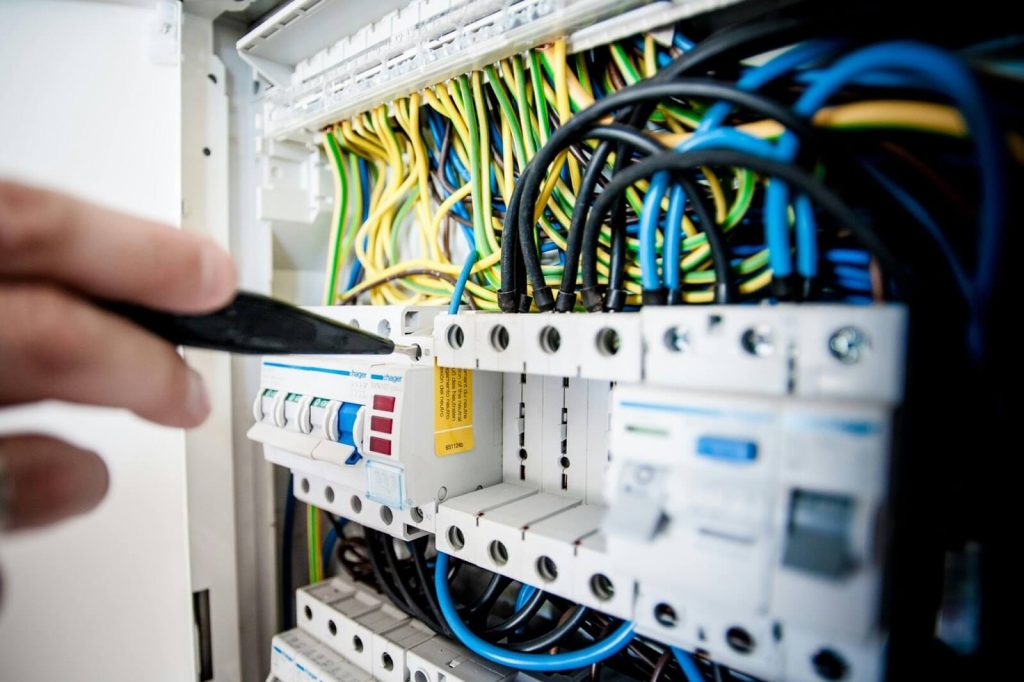
Homeowners often neglect electrical systems, but they are potentially dangerous if ignored. Did you know that in South Carolina alone, 9% of fatal home fires are caused by electrical problems?
Regular inspection ensures that potential issues are detected earlier. In fact, we recommend that you put electrical checks into your monthly house maintenance checklist. Faults such as poor wiring and overloaded circuits can lead to fires or electric shocks.
That’s why it’s important to check outlets, switches, and circuit breakers regularly. Replacing worn-out cords or tightening loose connections can go a long way in keeping things safe.
Which outlets and breakers should I inspect?
Testing outlets and breakers is easy. Plug an appliance into an outlet to test if the outlets are working. Moreover, look for these warning signs:
- Outlets that are sparking or warm
- Usual tripping of breakers
- Flickering lights that may signal overloaded circuits
Tip: Electrical issues are not easy to tackle as they are potentially dangerous. It is always recommended to play it safe and call an electrician for challenging tasks.
What is a house maintenance checklist, and why is it important?
Houses incur a lot of wear and tear as seasons change and time goes on. A house maintenance checklist is a group of tasks that you or an expert technician performs in order to keep your house maintained.
That’s why a house maintenance checklist helps you stay on track of your lot maintenance and avoid expensive repairs and dangerous accidents.
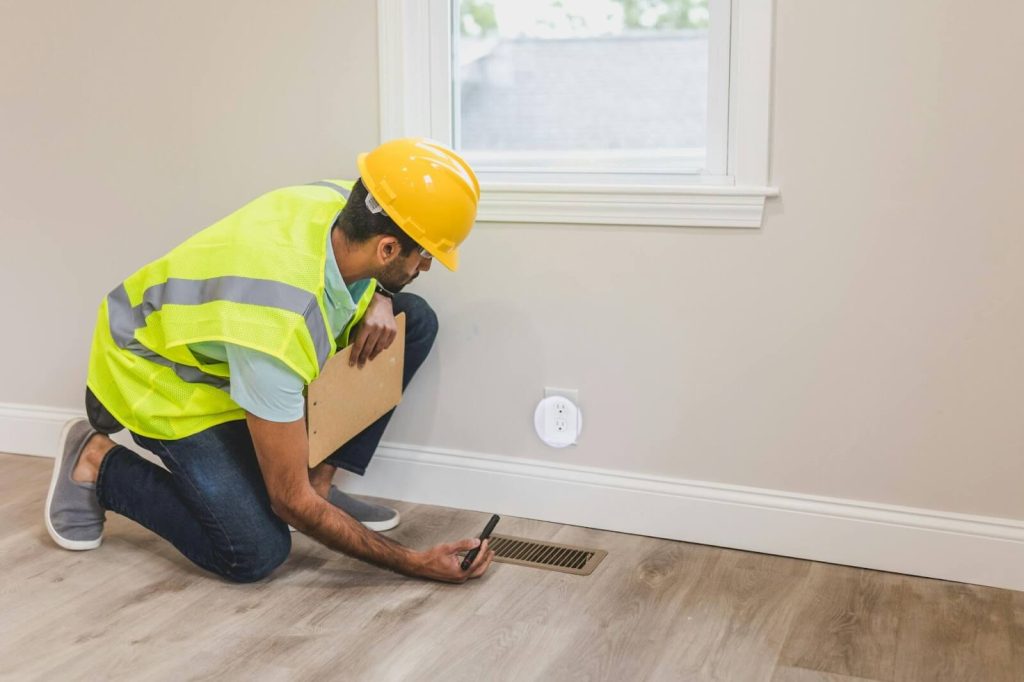
What tools do I need for my house maintenance?
A house maintenance checklist can add up a lot of expenses to your bank if you’re outsourcing them to specialists. Many homeowners across the U.S. opt to check off their house maintenance checklist by themselves.
With the right tools by your side, it’s not as hard as it might sound. Here are some of the most important tools you’ll need to maintain your house:
- Toolbox: Keeps all your tools organized and available.
- Hammer: Great for fixing things around the house or pulling nails from the wall.
- Drill: Helps you mount shelves, hang curtains and complete DIY projects.
- Plunger: One of the most essential plumbing tools when things need to get unclogged.
- Ladder: Helps you reach high places like roofs, gutters, and even ceilings.
- Flashlight: Helps in checking dark areas like under the sink or in the attic.
- Safety equipment: This includes gloves, goggles, and masks to protect you from dust, sharp objects, or chemicals.
FAQ
What is the most common home repair?
The most common home repair is fixing leaky faucets or plumbing issues. These are usually caused by worn-out washers or seals and can lead to higher water bills if not addressed promptly.
Are there apps to help with a house maintenance checklist?
Yes, there are many apps that help you make a house maintenance checklist, sending timely notification about tasks. Some of these apps even give you expert tips on how to maintain your house! Some of the most popular house maintenance checklist apps are HomeZada and Centriq.
How is a monthly house maintenance checklist different from a seasonal one?
A monthly checklist for home upkeep ensures that ongoing tasks like checking pipes or vents are carried out in time. Seasonal checklists mainly focus on task-specific activities like sealing windows for winter or unclogging gutters for spring.
Conclusion
It does not have to be difficult to take care of your home. A reliable house maintenance checklist saves money and protects your home. It also makes your home warm and safe.
And when you’re ready to upgrade your tools or find reliable home improvement products, VEVOR offers a wide range of affordable, high-quality solutions to make your maintenance tasks easier and more effective. Visit Vevor to explore everything from plumbing tools to power washers and more.