Are you looking for the best hoist to use for building construction? Consider the safety of your crew, the weight you plan to lift, and the nature of the construction project itself. If you work on a tall building or in a small city construction site, it’s even more important to choose the right tools.
How to Choose a Hoist for Building Construction
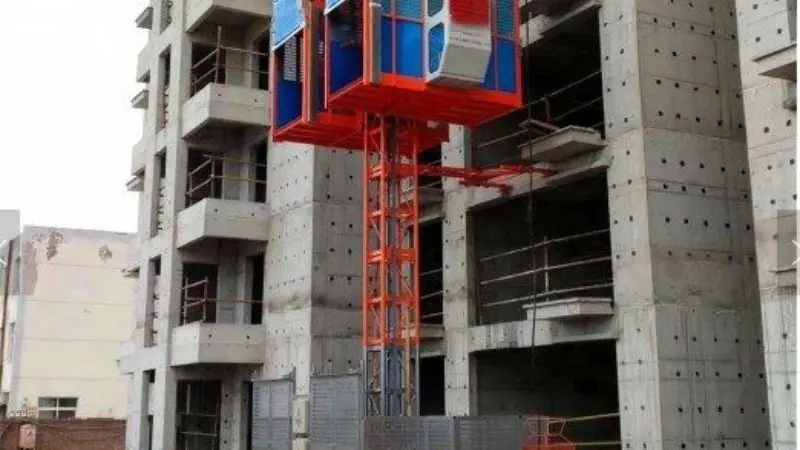
There are a few essential things you need to think about when you start looking for a hoist for building work. These things will help you choose the right tools for your job. Let’s go over the main things you should look at before making a choice.
Project Needs
No two construction projects are the same. You could work on a busy city site, a small house, or a tall building. You should ask yourself these questions:
- What do you need to lift? Are there heavy steel beams, bricks, or tools?
- How high do you need to lift things? Will you use the hoist to move things up and down many floors?
- How many times a day will you use the hoist?
- How much weight can it hold?
Load Capacity
The load capacity is the maximum weight that your hoist can lift. You should never pick a hoist that is the same size as your heaviest load. Instead, choose a hoist for building construction that can lift 10 to 20 percent more than your heaviest load. This extra space keeps your team safe and extends the hoist’s lifespan.
| Maximum Load Needed | Recommended Hoist Capacity |
| 1,000 lbs | 1,100 – 1,200 lbs |
| 2,000 lbs | 2,200 – 2,400 lbs |
| 5,000 lbs | 5,500 – 6,000 lbs |
Site Conditions
Your job site can change everything. You need to consider the space, ground, and weather conditions. Some hoists work better on rough ground, while others require a flat surface. If you work in a confined area, you may need a smaller hoist for vertical transportation. If your site experiences windy or rainy conditions, select a hoist that can withstand harsh weather.
- Is your site crowded or open?
- Do you have power sources nearby?
- Will you need to move the hoist often?
Think about how easy it is to set up and move the hoist. A good fit saves you time and keeps your project running smoothly.
Features for Safety
When choosing a hoist for building work, safety features are the most important thing. You need to keep your crew and your materials safe. Check for these safety features:
- Protection from overload
- Barriers and gates for safety
- Alarms for dangerous situations
Types of Hoists for Building Construction
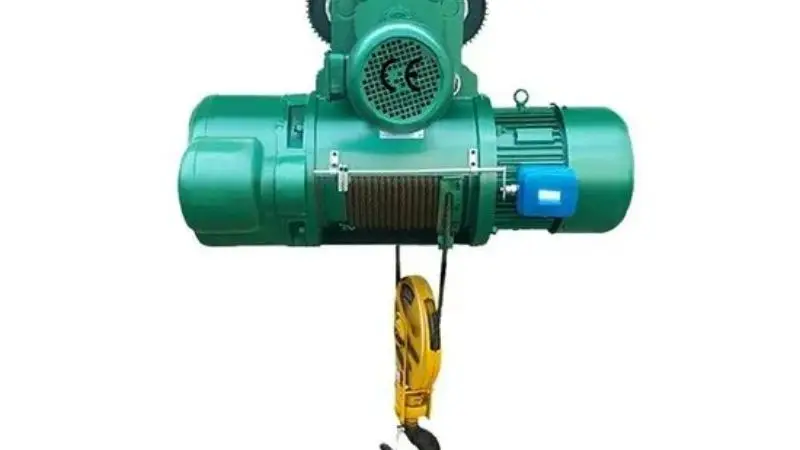
There are several primary types of hoists used in building construction. Each one is best for a different job. Let’s go over what you need to know.
Material Hoist
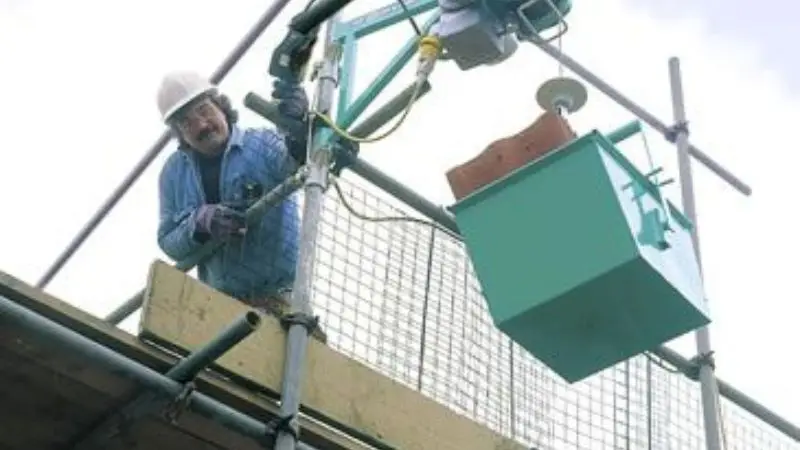
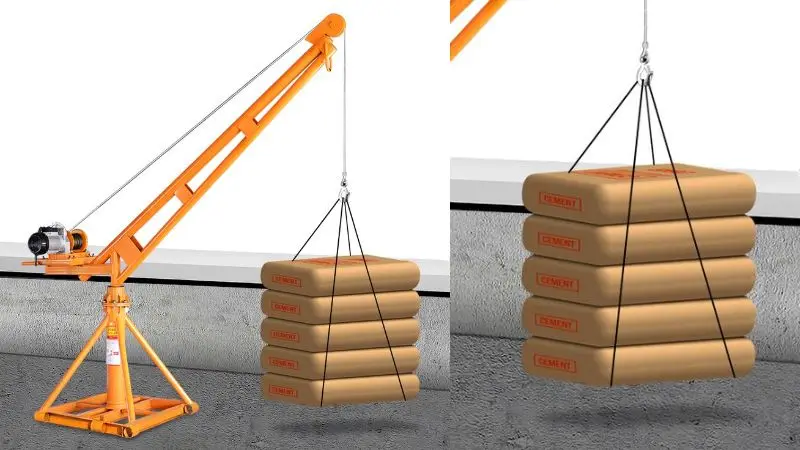
A material hoist helps you lift and move things like bricks, steel, and lumber. When you need to move heavy stuff from the ground to higher floors, you use a material hoist. Almost every construction site has a material hoist. Some models of material hoists operate on electricity, while others require manual operation. Select a material hoist with a cage or platform that matches the item you want to lift. A small material hoist is better if you work in a small area. A material hoist can be used for both short and long jobs.
Personnel Hoist
A personnel hoist carries people up and down a building. When your team needs to get to high floors quickly, you use a personnel hoist. There are safety gates and strong walls on a personnel hoist. You should never use a material hoist to lift people. A personnel hoist protects your workers and speeds up their work. You can see personnel hoists on tall buildings and busy work sites. Some models of personnel hoists run on diesel, while others run on electricity. When using a personnel hoist, you must follow safety rules.
Manual, Electric, and Pneumatic Hoists
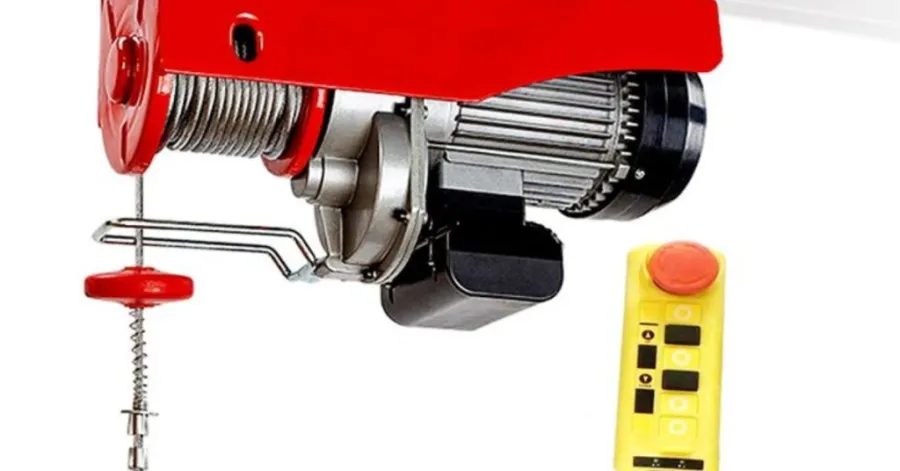
You can choose from manual, electric, or pneumatic hoists. A manual hoist uses hand power. Use a manual hoist for small loads or short lifts. An electric hoist plugs into a power source. You use an electric hoist for bigger jobs and heavier loads. A pneumatic hoist uses compressed air. You pick a pneumatic hoist when you work in places with no electricity. Each type works with different materials and job sites. You should match your hoist to your power source and the materials you need to lift.
| Hoist Type | Power Source | Best For |
| Manual | Hand/Manual | Small loads, quick jobs |
| Electric | Electricity | Heavy loads, long lifts |
| Pneumatic | Compressed Air | Remote sites, special jobs |
Compare Hoist Options
Best Use Cases
You want the correct hoist for your project. Here are some examples:
- Use a material hoist for lifting bricks, steel, or wood.
- Pick a personnel hoist for tall buildings where your crew needs to move up and down fast.
- Choose a manual hoist for small jobs or when you don’t have access to power.
- Opt for an electric hoist for large projects with heavy loads.
- Consider using a pneumatic hoist if you work in an area far from power sources.
Construction Hoist Rental
You might wonder if you should buy or rent. Many people choose construction hoist rental for short-term projects. You save money and avoid storage problems. The benefits of using a hoist in construction include getting the latest models and expert support. You can switch hoist types if your project changes. When you look for a construction hoist rental, check the key features to look for in a construction hoist rental service.
These include safety checks, fast delivery, and good customer service. Continuously evaluate hoist rental companies before signing a contract. Ask about maintenance and emergency help. For tips on using a construction hoist properly, consult your rental provider. They know the best ways to keep your team safe.
Safety Tips for Operating a Construction Hoist
Essential Features
Safety should be your top concern when choosing a hoist for your project. You want your team to be safe and avoid injury. Check for these essential safety features:
- Overload Protection: The hoist won’t lift anything too heavy for it. This keeps the machine and your crew safe.
- Safety gates and barriers stop people and things from falling out.
- Interlock Systems: The hoist won’t move if any doors or gates are open.
- Warning lights and alarms alert you to potential issues, such as open gates or excessive weight.
- Automatic Braking: If power is lost, the hoist stops safely.
Regulations
When you use a construction hoist, you have to follow the rules. These rules help keep workers safe and prevent you from getting fined. Before you start, ensure you are familiar with the laws in your area, state, and country.
In the US, OSHA establishes guidelines for the safe use of hoists.
- You might need permits for your hoist.
- You need to maintain accurate records and review them regularly.
- The hoist should only be used by trained workers.
- Place safety signs and directions close to the hoist.
Conclusion
Create a list of what you need and select a hoist for building construction that suits your job, ensuring your project proceeds smoothly. Always ensure that the safety features are functioning correctly and follow the rules in your area. Consult with suppliers or experts if you’re unsure about the next steps. Before you choose a hoist for building construction, make a simple list of things to do. This helps you stay on top of things and keeps your team safe.
FAQ
What is the difference between a material hoist and a personnel hoist?
A material hoist lifts supplies, such as bricks or wood. A personnel hoist moves people up and down. You should never use a material hoist for workers. Each type has special safety rules.
How often should you inspect a construction hoist?
You should inspect your hoist daily before using it. Look for damage, loose parts, or problems with safety features. Regular inspections help you catch issues early.
Can you rent a hoist for a short project?
Yes, you can rent a hoist for a few days or weeks. Renting saves money and gives you access to new equipment. Inquire with your rental company about safety checks and available support.
What safety features should you look for in a hoist?
Safety features, such as emergency stop, overload protection, and safety gates, prevent accidents. It keeps the people safe and also helps to function correctly. Always test these features before you start work.
Do you need special training to use a construction hoist?
Yes, you must learn how to use a hoist safely. Training teaches you the controls, safety rules, and emergency steps. Ask your supervisor or rental company for help.